
Understanding Pakistani Cuisine: Flavors & Traditions
Edited By
Liam Scott
Initial Thoughts
Pakistani cuisine is much more than just food; it’s a reflection of history, culture, and geography rolled into one plate. For anyone curious to understand Pakistan's rich culinary landscape, this article serves as a roadmap, digging into the heart of what makes its food so unique and beloved.
From the spicy curries of Punjab to the hearty flavors of Balochistan and the aromatic dishes of Sindh, Pakistani cuisine offers a vibrant mix that's as diverse as its people. We'll break down popular dishes, ingredients, and cooking methods, while shedding light on how centuries of cultural influences—from Central Asia to the Middle East—have shaped these tastes.

Whether you're a trader looking for market insights on Pakistan's food exports, an investor eyeing the hospitality sector, or simply a foodie interested in authentic recipes, this guide aims to provide clear, practical information that’s easy to digest. By the end, you’ll not only appreciate the intricate flavors but also gain actionable tips to bring some of these dishes straight to your kitchen.
Taste is often the first impression of culture, and Pakistani cuisine offers a flavorful introduction to the country’s heritage and traditions.
This journey will cover:
Key ingredients that define Pakistani cooking
Signature dishes and regional specialties
Traditional cooking techniques and tools
Cultural ceremonies and food-related customs
Practical advice for preparing authentic meals at home
Understanding these elements will give a fuller picture of the culinary richness waiting to be explored. Let's dive in and uncover the stories behind every bite.
Overview of Pakistani Cuisine
Understanding the basics of Pakistani cuisine is essential for grasping its broad appeal and diverse flavors. This section will outline the main elements that make Pakistani food unique and tell you why it’s worth paying close attention to. It’s not just about the taste but also the tradition and history embedded in every dish.
Pakistani cuisine mixes the traditions of many cultures—Mughal, Persian, Central Asian—with local tastes. This blend gives rise to dishes that can be hearty, spicy, or comforting. Take biryani for example; what started as a royal meal is now a staple at family dinners and street-side stalls alike. Recognizing such examples helps us appreciate how everyday meals connect us to a deeper heritage.
From a practical point of view, knowing which ingredients and cooking techniques define Pakistani food helps traders and investors in the food industry better understand market trends and consumer preferences. For educators and finance professionals interested in food economics, it clarifies why certain spices command high prices or why regional dishes influence export potential.
Key considerations include the regional variety, seasonality of ingredients, and historical trade routes influencing ingredient availability. For instance, northern Punjab’s wheat production steers the popularity of rotis compared to Sindh’s use of rice.
Ultimately, this overview lays down the foundation for exploring specific dishes, ingredients, and cooking styles which follow in later sections. It’s a map to navigating the world of Pakistani cuisine on a more informed and practical level.
Historical Influences on Pakistani Food
Pakistani cuisine didn’t develop in a vacuum; it's been shaped over centuries through various invasions, migrations, and trade links. The Mughals, for instance, introduced rich cooking methods and dishes like korma and pulao, blending Persian sophistication with local flavors. Meanwhile, Central Asian influences brought kebabs and pilafs that remain popular.
Another key influence is the Silk Road trade route, which introduced spices like saffron and dried fruits that now play vital roles in desserts and savory dishes alike. Even British colonial rule left a mark, evident in the adoption of tea with milk and biscuits as a daily custom.
By acknowledging these historical threads, traders and investors can predict which food trends might revive or evolve based on cultural ties and nostalgia. Educators can illustrate these culinary influences as a dynamic example of cultural exchange and adaptation.
Key Ingredients in Pakistani Cooking
Ingredients are the bedrock of Pakistani cooking. Staples include wheat, rice, lentils, and a variety of fresh vegetables. Meat, especially lamb, beef, and chicken, is widely used, though dishes vary regionally depending on availability and religious practices.
Spices elevate these simple ingredients into complex dishes. Common spices like cumin, coriander, turmeric, and red chili powder create the signature layered flavors. For instance, cumin seeds add earthiness while red chili brings heat – together providing balance rather than overpowering.
Oils such as mustard seed oil or ghee are preferred for their flavor contributions. Dairy items like yogurt are used both as a cooking base and a cooling side dish to temper spicy meals.
For practical application, sourcing authentic spices and fresh produce is key for any business or home cook aiming for genuine taste. Understanding the significance of these ingredients also informs supply chain decisions and marketing strategies.
Together, this section prepares readers to dive deeper into specific dishes and culinary methods, by first understanding what goes into making Pakistani food so distinctive and cherished.
Popular Pakistani Dishes and Their Origins
Pakistani cuisine is a flavorful mosaic shaped by centuries of cultural interactions and regional diversity. Understanding popular dishes and their origins sheds light not just on the nation's palate but also on its history and social fabric. This exploration helps investors and traders appreciate how culinary preferences impact local economies—whether in food markets, restaurant growth, or supply chains for ingredients.
Traditional Meat Dishes
Biryani
Biryani stands tall as one of Pakistan’s most beloved rice dishes, blending fragrant basmati, tender meat, and a mix of spices. Originally introduced through Mughal influences, it evolved regionally—Karachi and Lahore each have distinct twists. For example, Karachi biryani is known for its spicy heat, whereas Lahore’s biryani tends to be milder with aromatic cardamom and cloves. This dish highlights how regional variations influence market demand for spices and meat types, insightful for supply chain analysts focusing on food commodities.
Nihari
Nihari is a slow-cooked stew traditionally eaten as a hearty breakfast. Its significance lies in the tender, melt-in-the-mouth beef or lamb cooked overnight with spices like fennel and ginger, which requires time and skill. For restaurants and caterers, Nihari represents an opportunity to offer authentic comfort food tied to cultural nostalgia. Its growing popularity internationally also signals a niche for exporting packaged ready-to-cook variants.
Karahi
Named after the round, wok-like pot it’s cooked in, Karahi dishes center on quick, flavorful cooking of chicken or mutton with tomatoes, green chilies, and ginger. The dish offers a burst of bold, tangy spice balanced by fresh ingredients. Economists watching the hospitality sector will note how fast-cooking dishes like Karahi can reduce kitchen overheads, making it a popular choice for casual dining spots.
Vegetarian and Lentil-Based Dishes
Dal
Dal is a staple that exemplifies balance in Pakistani vegetarian fare. Made from lentils simmered to creamy perfection with turmeric, cumin, and garlic, it is economical and protein-rich, making it crucial for food security and nutrition. Dal’s simplicity and nutrition profile also make it a favorite for bulk meal programs or home kitchens aiming for health-conscious menus.
Chana Masala
This chickpea-based dish showcases the resourcefulness of Pakistani cooking, where humble legumes are elevated with a spicy tomato and onion gravy. Incorporating chana masala in restaurant menus attracts vegetarian and vegan customers, broadening the market. Traders sourcing pulses will find this dish reflects steady chickpea demand aligning with the vegetarian trend.
Aloo Keema
Aloo Keema combines ground meat with potatoes for a filling, affordable meal. It is practical for everyday cooking and illustrates how Pakistani cuisine stretches expensive protein by pairing it with starch. Food educators can use Aloo Keema to demonstrate efficient meal preparation that balances taste, cost, and nutrition.
Understanding these dishes' origins and characteristics allows stakeholders—from chefs to market analysts—to grasp how cultural preferences translate into economic opportunities and culinary innovation.
Regional Culinary Differences in Pakistan
Pakistan’s food scene is a rich quilt sewn from the country’s many ethnic groups and geographic regions. Understanding the regional culinary differences sheds light on how history, culture, climate, and local produce shape the flavors and dishes that define each area. This knowledge not only broadens one’s appreciation of Pakistani cuisine but also offers practical insight for anyone looking to cook authentic dishes or invest in the food sector.
Regional cuisines offer unique ingredients and techniques—what thrives in Punjab’s fertile plains is quite different from what’s popular in the arid Balochistan or mountainous Khyber Pakhtunkhwa. For investors, recognizing these differences means spotting niche markets or opportunities to diversify offerings. For traders and brokers, this knowledge helps predict demand cycles tied to regional festivals or crop seasons.
Punjab's Rich Flavors
Punjab is often seen as the heartland of Pakistan’s food culture. Its rich soil and agricultural bounty mean hearty dishes that celebrate local wheat, dairy, and vegetables.
Makki di Roti and Sarson da Saag stands as a perfect example of Punjabi rustic fare. Made from maize flour, the flatbread is hearty and best paired with mustard leaf stew cooked low and slow with spices. The dish speaks volumes about how simple local ingredients transform into an iconic meal. It’s a staple during winter when mustard leaves are freshly harvested, showing how seasonal ingredients guide traditional menus. For culinary professionals, mastering this dish means appreciating the delicate balance between texture and spice that makes Punjabi food memorable.
Butter Chicken, while enjoyed nationwide, has Punjabi roots where dairy heavy dishes thrive. This creamy, spiced chicken dish blends yogurt, cream, and butter with coriander and garam masala, making it a favorite for gatherings. From a food business perspective, butter chicken’s broad appeal offers a reliable dish that caters to diverse tastes, especially in restaurants serving South Asian cuisine globally.
Sindhi Cuisine Highlights
Sindh’s cuisine brings a tangy, spicy punch, influenced by its coastal location and rich trading history. It relies heavily on rice, fish, and legumes, often cooked with plenty of tamarind and green chilies.
Sindhi Biryani is a standout dish, famed for its spiciness and aromatic qualities. Unlike other biryanis, Sindhi Biryani includes potatoes and tomatoes alongside meat and is enriched with yogurt and a tangy sour note. This layered, flavorful rice dish reflects Sindh’s diverse cultural influences and offers investors a product known for its bold taste and festive appeal.
Sai Bhaji is a wholesome meal combining spinach, lentils, and assorted vegetables. It’s a daily staple for many Sindhis and offers a glimpse into the region’s vegetarian tastes, which balance out the heavier meat dishes elsewhere. Understanding such traditional dishes reveals market segments where plant-based meals are culturally embedded, valuable for food product developers.
Cuisine of Khyber Pakhtunkhwa and Balochistan
The food from these provinces shows the impact of a rugged terrain and tribal cultures, with dishes focusing on meat, grains, and robust spices.
Chapli Kabab is a quintessential Pashtun dish characterized by its spicy ground meat patties, often including pomegranate seeds or green chilies for a distinct taste. It’s popular as street food or a homemade specialty. Culinary entrepreneurs can leverage its strong regional identity by promoting authentic recipes that maintain traditional spice blends.
Kaak is a unique hard bread baked in a clay oven, often enjoyed with simple accompaniments like salted butter or meat gravy. It represents Balochistan’s emphasis on rustic, survival-friendly foods crafted from local staples. Investors looking at the bakery sector might find Kaak an interesting niche product reflecting indigenous baking methods.
Each region’s food tells a story grounded in environment and history. Recognizing these culinary identities is crucial for anyone seeking to engage with Pakistani cuisine professionally or personally.
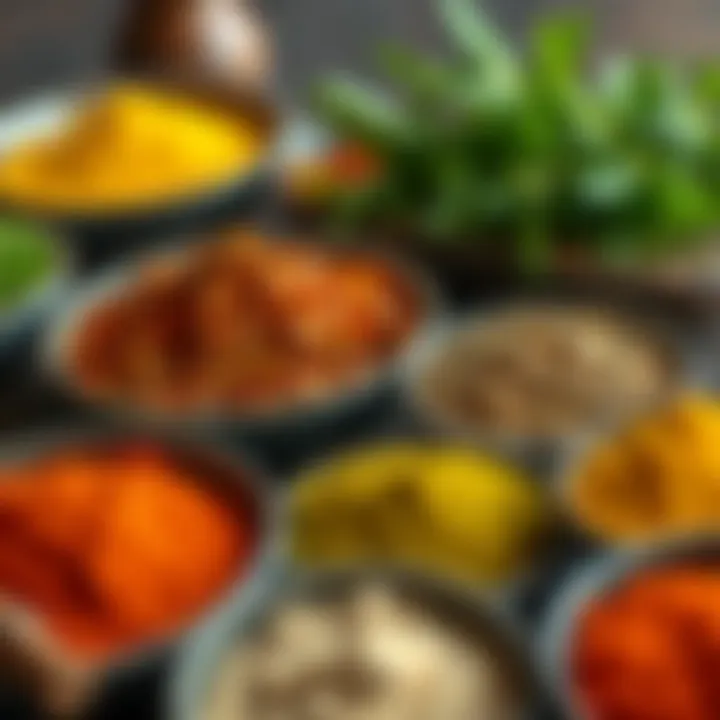
To sum up, Pakistan’s regional dishes aren’t just recipes; they’re cultural expressions shaped by the land and its people. Whether you’re an investor scouting food trends, a trader selecting inventory, or an educator shedding light on South Asian gastronomy, appreciating these regional tastes is essential for deeper understanding and effective application.
Spices and Flavor Profiles in Pakistani Food
Spices are the backbone of Pakistani cooking, defining its distinct and rich flavor profile that resonates with anyone who’s tasted the country’s cuisine. Unlike simple seasoning, the use of spices here is an art, balancing strong aromas and tastes to create dishes that are bold yet harmonious. This section sheds light on the spices most common in Pakistani kitchens, showing how they shape dishes from simple dals to grand biryanis.
Commonly Used Spices
Cumin
Cumin seeds, or "zeera," are often the first spice to hit the pan in Pakistani recipes. Their slightly bitter, earthy aroma wakes up the dish right away and sets the tone. For example, ground cumin in a karahi chicken creates an undercurrent of warmth and depth. Practically, cumin also aids digestion, which explains why it’s found in many heavy meat dishes that might otherwise feel too rich.
Coriander
Coriander seeds, either ground or whole, introduce a fresh, slightly citrusy flavor. They brighten dishes without overpowering them. Think of coriander as the soft-spoken partner to cumin’s bold personality—both often used together to layer flavor. In a hearty nihari, coriander adds complexity, while in a milder vegetable stew it lends a subtle lift.
Turmeric
This bright yellow spice is more than a colorant; it imparts a warm, slightly bitter taste that’s unmistakably Pakistani. Turmeric’s role isn’t just flavor—it’s medicinal, noted for anti-inflammatory benefits. It’s a staple in many dals and rice dishes, where it gives a gentle earthiness while also providing an inviting golden hue that’s visually appealing.
Red Chili
Not just about heat, red chili comes in various forms, from dried flakes to powders, each delivering different intensities and smoky notes. It’s what gives Pakistani food its punch, but the key is balance—too much can overpower, too little and the dish feels flat. Many street foods like seekh kababs rely on red chili to create that characteristic spicy kick.
Balancing Spices for Taste
Getting the harmony right between these spices is a skill requiring practice and intuition. A good Pakistani cook looks beyond just piling spices on the food—they consider timing, combination, and the base ingredients. For example, adding whole cumin seeds early in hot oil releases their flavor, while ground cumin goes in later for a gentler effect.
Balancing spices isn't blinding the taste buds with heat or too many conflicting aromas; it’s about layering flavors so each bite tells a story.
Using yogurt or cream in a recipe can mellow the fieriness of red chili, while sugar or tomatoes might be added to counteract excessive bitterness from turmeric. Fresh herbs like mint and coriander leaves often finish dishes, adding freshness that cuts through heavier spices. This interplay of spice and balance ensures Pakistani dishes remain exciting but approachable even for those sensitive to strong flavors.
Understanding these principles can dramatically improve how you cook Pakistani dishes at home or appreciate them when dining out. It underscores why the cuisine doesn’t just rely on one dominant ingredient but celebrates a symphony of tastes and aromas, each spice playing its part.
Cooking Techniques in Pakistani Kitchens
Understanding the cooking methods used in Pakistani kitchens is crucial to appreciating the depth and flavor of the cuisine. The way ingredients are cooked greatly impacts the taste, texture, and aroma of traditional dishes. Pakistani cuisine relies heavily on slow cooking and grilling, each bringing a unique touch to the food.
Slow Cooking and Braising
Slow cooking and braising are pillars of Pakistani culinary tradition, especially for meat-based dishes. These methods allow tougher cuts of meat, such as mutton or beef shanks, to tenderize while infusing with spices deeply. For example, the famous Nihari stew is cooked for hours on low heat, often overnight, making the meat fall-off-the-bone tender and soaking up the rich, spicy gravy. This approach not only enhances flavors but also creates a comforting, hearty meal that's a staple in many households.
In practice, slow cooking involves maintaining a consistent low temperature and often cooking food in a sealed pot or slow cooker to trap moisture. Braising mixes this with a bit of liquid, creating a sauce or broth that keeps the food juicy. These techniques are excellent for dishes like Paya (trotters stew), where collagen breaks down into gelatin, adding body and richness to the dish.
Grilling and Tandoori Methods
Grilling and tandoori cooking represent another vital technique popular all across Pakistan, especially in street food scenes and special gatherings. Tandoori ovens, called "tandoors," are clay ovens heated with charcoal or wood, producing intense heat that sears meat quickly, locking in juices and imparting a smoky flavor.
Dishes like Seekh Kababs and Tandoori Chicken owe their distinct taste and texture to this method. The meats are often marinated in yogurt, spices, and herbs beforehand, which tenderizes and boosts flavor. Grilling over open flames or coal, another common practice, is also used for items such as Chapli Kababs and various kebabs.
These methods not only provide a distinct char and aroma but also reduce the fat content as excess drips away during cooking, making these options a preferred choice for those looking for rich taste without heaviness.
Mastering these cooking techniques can transform you from a casual cook into someone who truly understands the essence of Pakistani cooking. Whether it’s the patience required for slow-cooked Nihari or the quick, fiery burst from a tandoor, each method complements ingredients and spices differently, creating the rich diversity in flavors Pakistan is known for.
Role of Pakistani Food in Festivals and Traditions
Pakistani food plays a central role in shaping the social and cultural fabric during festivals and traditional events. Meals are not just about nourishment but a way of bringing families and communities together, especially during special occasions. The rich variety of dishes served at these times often reflect history, regional influences, and shared values that help preserve cultural identity. Understanding these culinary customs helps appreciate how food acts as a bridge across generations and regions in Pakistan.
Food During Ramadan
Iftar Delicacies
Iftar is the meal that breaks the fast after sunset during Ramadan, and it’s a time when Pakistani kitchens really come alive with flavors. People traditionally prefer foods that quickly replenish energy and are easy on digestion. You'll often see fresh dates, samosas filled with spiced potatoes or meat, and fruit chaat served alongside sweet drinks like Rooh Afza or gently spiced tea. These dishes are practical because they provide quick energy and help restore hydration, essential for those fasting all day.
More elaborate iftar spreads may include pakoras—fried gram flour snacks mixed with vegetables or chicken—that add crunch and warmth. Such foods reflect regional tastes but generally focus on balancing nutrition with taste. Understanding iftar customs is valuable because it highlights how Pakistani food blends hospitality and health.
Sehar Traditions
Sehar, the pre-dawn meal before the fast begins, is equally important. It’s usually a hearty, slow-digesting meal designed to sustain energy through the fasting hours. Common dishes include parathas (pan-fried flatbreads), omelettes, yogurt, and lentil-based items like dal. Drinking plenty of water and sometimes herbal teas is also customary to keep hydration levels up.
Sehar traditions show how timing and food choices are thoughtfully integrated into daily life during Ramadan. For those looking to experience or prepare Pakistani Ramadan meals, focusing on balanced, nutrient-rich dishes that are easy to prepare early would be practical and respectful to tradition.
Weddings and Special Occasions
Traditional Wedding Menus
Pakistani weddings are known for their grand feasts, where food serves as a statement of generosity and family pride. A typical wedding menu features an array of dishes designed to cater to many tastes—from rich meat curries like Nihari and Chicken Karahi to fragrant biryanis and vegetable sides like Aloo Palak.
Heavy use of spices and slow-cooking methods create complex flavors that guests remember for years. Special attention is given to presentation and variety, often with multiple courses and options for both vegetarians and meat lovers. For those studying Pakistani culture, these menus illustrate the importance of food in social bonding and celebration.
Significance of Sweet Dishes
Sweet dishes hold a special place in Pakistani traditions, especially in weddings and festivals. Desserts such as Gulab Jamun, Jalebi, and Kheer are not just tasty treats but symbols of goodwill, happiness, and good fortune.
Offering sweets at the end of a meal signifies completion and imparts a feeling of warmth and generosity. Including these sweets in celebrations reinforces social ties and marks joyous moments. For anyone replicating Pakistani festive menus, incorporating these desserts preserves authenticity and cultural meaning.
Food in Pakistani festivals and traditions isn't just about taste; it embodies history, hospitality, and health all wrapped together.
By understanding these roles, traders, investors, and educators can gain insight into Pakistani consumer preferences, event planning, and cultural marketing opportunities linked with food traditions.
Popular Pakistani Street Foods
Pakistani street food offers a vibrant glimpse into the heart of the country's culinary life. It's not just about quick bites, but rather a cultural experience that showcases flavors, textures, and the lively social scenes where these foods are enjoyed. Street foods like chaat, kababs, and samosas are deeply woven into everyday life, providing travelers and locals alike with affordable, tasty options that highlight regional spices and cooking methods.
Chaat and Snacks
Gol Gappay
Gol Gappay, also known as pani puri in other South Asian regions, is a beloved street snack in Pakistan. Hollow, crispy puri shells are filled with seasoned water, tamarind chutney, chili, chaat masala, potato, onion, and chickpeas. This snack is a burst of contrasting flavors: spicy, tangy, and slightly sweet all at once. Its practical relevance lies in how it embodies the complexity of Pakistani flavors in a tiny, edible package that’s easy to enjoy on the go. Serving gol gappay at gatherings also promotes social interaction, making it a staple during festivals and family events.
Dahi Bara
Dahi Bara is another street favorite, especially popular in cities like Lahore and Karachi. These are soft lentil dumplings soaked in yogurt and topped with spiced chutneys and herbs, creating a balance between creamy and tangy notes. Dahi Bara exemplifies how lentils, a foundational ingredient in Pakistani cooking, can be transformed into refreshing, light street snacks. They hold special practical significance during Ramadan when light and nutritious snacks are preferred for iftar.
Grilled and Fried Street Items
Seekh Kabab
Seekh Kababs are cylindrical grilled kebabs made from spiced ground meat, often beef or lamb. Cooked over a charcoal grill, they carry distinctive smoky flavors enhanced by fresh herbs like coriander and mint, alongside cumin and garam masala. Seekh Kababs not only highlight Pakistan's grilling traditions but also serve as an accessible source of protein for many. Their portable nature makes them a favorite street item for people craving a full-flavored meat snack without fuss.
Samosas
Samosas are arguably one of Pakistan’s most iconic fried snacks. These triangular pastries, stuffed with spiced potatoes, peas, lentils, or minced meat, demonstrate versatility and regional taste variations. Crispy on the outside and soft on the inside, samosas are a go-to street food available all year, whether at roadside stalls or special events. Their appeal comes from easy preparation, affordability, and the ability to pair effortlessly with diverse chutneys, making them a simple yet deeply satisfying choice.
Pakistani street foods like gol gappay and seekh kababs reveal how traditional flavors meet everyday practicality, engaging with both local palates and travelers’ curiosity.
This section is essential for understanding not just what Pakistanis eat casually but also how these foods mirror larger cultural, social, and culinary values.
Desserts and Sweets of Pakistan
Desserts hold a special place in Pakistani cuisine, often rounding out meals with a sweet finish that complements the spices and bold flavors typical of the main dishes. These sweets are not just treats but carry cultural and social importance, frequently served during festivals, weddings, and other celebrations. They embody the rich culinary traditions and regional diversity within Pakistan, offering both comfort and indulgence.
Milk-Based Sweets
Kheer is perhaps one of the most beloved milk-based desserts in Pakistan. It's a type of rice pudding made by slowly boiling rice, milk, and sugar until thickened, then flavored with cardamom, saffron, or rose water. It’s common to add nuts like almonds and pistachios for texture. What makes kheer stand out is its versatility; it can be served warm or chilled, making it suitable for any season. Its creamy texture and subtle sweetness provide a gentle contrast to the often robust and spicy savory dishes.
Rabri is another classic milk-based sweet, made by simmering milk for hours until it condenses and thickens, often layered with nuts and sometimes flavored with spices like cardamom or saffron. Rabri tends to be richer and creamier than kheer, often enjoyed on its own or paired with other desserts like jalebi or malpua. It's a traditional indulgence during special occasions, showcasing the skill of slow cooking that allows the flavors to develop fully.
Sugar and Flour-Based Treats
Jalebi is a popular sugar-and-flour treat known for its intricate spiral shape and bright orange color. Deep-fried until crisp and golden, jalebis are soaked in a sugary syrup infused with saffron or rose water. Their chewy inside combined with a crunchy exterior offers a unique texture balance. Jalebi is often enjoyed fresh and warm, especially during breakfast or as a dessert after meals.
Gulab Jamun consists of small dough balls made from khoya (reduced milk) or milk powder, deep-fried and then soaked in a fragrant sugar syrup. The name "gulab" means rose, highlighting the common use of rose water in the syrup, while "jamun" refers to a local fruit the sweet resembles in shape and size. These soft, syrupy bites provide a luscious sweetness that contrasts beautifully with savory Pakistani dishes, often serving as a favorite at weddings and festive gatherings.
Both kheer and rabri emphasize the importance of milk reduction and slow cooking in Pakistani sweets, a technique resulting in rich textures and deep flavors. Jalebi and gulab jamun, meanwhile, demonstrate the classic use of fried dough soaked in syrup that pleases any sweet tooth. These desserts are not only staples in Pakistani households but also represent the culinary artistry and cultural heritage that dessert lovers cherish.
In practice, these sweets can be straightforward to prepare at home with patience and basic ingredients common in Pakistani kitchens. Their presence at traditional meals reminds us how desserts provide closure to a flavorful experience, offering comfort and a dash of celebration in every bite.
Tea Culture and Traditional Beverages
In Pakistan, tea isn't just a drink; it’s a social glue that brings people together, whether during a casual chat, a business meeting, or after a long day of work. Understanding the tea culture and traditional beverages offers a window into everyday life and hospitality here. These drinks reflect the country's diverse regions and traditions. For traders and investors, knowing these cultural nuances can be useful when building relationships or navigating social settings.
Chai Varieties and Preparation
Masala Chai
Masala Chai is the cornerstone of Pakistani tea culture. Unlike plain black tea, it’s brewed with a blend of spices—think cardamom, cinnamon, cloves, and ginger—that gives a warming, aromatic kick. For practical use, preparing masala chai involves simmering loose black tea leaves with these whole spices and full-fat milk, often sweetened to taste. This makes it a comforting but energizing beverage, perfect for early mornings or after meals. If you're aiming to impress local partners or colleagues, serving freshly made masala chai shows attention to culture and detail.
Karak Chai
Karak Chai is a stronger, richer variant popular in Karachi and among Pakistani expatriates in the Gulf. Characterized by its thick texture and bold taste, this tea is brewed by boiling tea leaves with a generous amount of milk and sugar for a longer time to extract maximum flavor. It’s the kind of tea that keeps conversations lively during late-night business talks or family gatherings. Learning how to make karak chai at home or the office means appreciating its intensity—less about subtlety, more about a powerful caffeine boost.
Other Popular Drinks
Lassi
Lassi is a traditional yogurt-based drink, common in Punjabi households, offering both refreshment and digestive benefits. It can be served sweet, spiced, or salty, making it versatile for different meals or climates. For example, after a heavy meal or during a hot summer day, a cold salty lassi helps cool down and soothe the stomach. When hosting or attending events, offering lassi signals warmth and authenticity. Traders visiting from abroad might find this a pleasant alternative to caffeinated beverages.
Rooh Afza
Rooh Afza is a bright red syrup made from herbs, fruits, and flowers, traditionally mixed with water or milk to make a sweet, refreshing drink. It's especially popular during Ramadan for breaking the fast, thanks to its hydrating and energizing qualities. From a practical perspective, Rooh Afza is easy to store and serve, offering a quick, sweet refreshment option at meetings or social gatherings. For those interested in authentic flavors, it’s a must-try staple that adds color and sweetness to any beverage selection.
Remember, these beverages are not just refreshments; they are vital cultural expressions that underscore Pakistani hospitality and community bonds. Understanding and appreciating them enhances your ability to connect in both social and professional spheres.
By familiarizing yourself with these tea varieties and traditional drinks, you get more than just a taste of Pakistan—you gain insight into the rhythms of daily life and the subtle invitations to friendship and trust therein.
Tips for Cooking Pakistani Food at Home
Cooking Pakistani food at home can feel overwhelming if you're new to its ingredients and techniques. But with the right guidance, it gets much easier. This section is about helping you bring some authentic flavors to your kitchen without stress or confusion. From where you get your spices to the tools you need and common pitfalls to avoid, these tips are practical steps you can start applying today.
Where to Source Ingredients
Finding authentic ingredients is the cornerstone of making Pakistani dishes that tick all the right boxes. Local Asian or South Asian grocery stores are usually goldmines for fresh spices like cumin, coriander, and dried red chilies, plus staples like basmati rice and lentils. Farmers' markets can sometimes carry fresh produce essential for dishes such as Sarson da Saag or fresh mint for chutneys.
If you’re outside major urban centers, online shops like Patel Brothers or Spice World specialize in delivering Pakistani spices and specialty items right to your doorstep. Always check the freshness dates on ground spices—old spices lose their punch and will dull your dish.
Essential Kitchen Tools and Equipment
To really nail Pakistani cooking, some specific tools make your life easier. A heavy-bottomed pot or handi is excellent for slow-cooked dishes like Nihari or Beef Korma, ensuring even heat without burning. A good quality karahi (wok-like pan) is a must-have for stir-frying vegetables or making chicken karahi, a popular dish.
Don’t overlook a spice grinder, whether manual or electric, for fresh ground spices—this makes a world of difference. A sturdy rolling pin and flat surface for making chapatis or parathas will save you frustration. Lastly, a tandoor isn’t essential at home, but a grill pan can mimic that tandoori flavor quite well.
Common Cooking Mistakes to Avoid
One of the most frequent errors is over-spicing or under-spicing. Pakistani dishes rely on a balanced blend of spices, so measuring roughly by eye can spoil the final taste. Follow recipes closely when starting and adjust gradually to your palate.
Another mistake is not tempering spices properly (tadka or chhonk). This step, where spices are browned in hot oil or ghee, releases flavors that simply can’t be replicated by mixing dry powders directly into a pot. Skipping this can leave your dish tasting flat.
Lastly, rushing the cooking process often ruins texture. Many Pakistani recipes depend on slow simmering to tenderize meat and deepen flavors—try to avoid shortcuts that compromise this key element.
Remember, cooking Pakistani food at home is a learning process. Investing in good ingredients, the right equipment, and attention to technique will have you enjoying traditional flavors that feel like they're straight from a local kitchen.
These tips should boost your confidence as you bring Pakistani culinary traditions into your own home kitchen.
Preserving Pakistani Culinary Heritage
Preserving Pakistani culinary heritage is more than just keeping old recipes alive; it’s about safeguarding culture, history, and identity wrapped in flavors and aromas. This topic matters especially now, as globalization and modern lifestyles push fast food and convenience cooking into the spotlight. For traders and investors, understanding the value of authentic Pakistani cuisine can open new doors in food sectors that honor tradition while adapting to today’s market.
Culinary heritage reflects the story of Pakistan’s diverse regions—each with unique ingredients and cooking styles shaped by centuries of influence. Practical benefits of preservation include promoting tourism, enhancing local agriculture by demanding indigenous spices and produce, and supporting small-scale food artisans. Take the revival of traditional foods like "Sindhi Biryani" or "Chapli Kabab"—these dishes do not just satisfy taste buds but also keep generations connected to their past.
Modern Challenges to Traditional Cuisine
Modern challenges threaten the survival of traditional Pakistani cooking methods and recipes. Urbanization leads many away from rural areas where these food customs thrive. Convenience foods and fast-food chains have gained popularity, partly due to busy lifestyles in cities like Karachi and Lahore. This shift results in decline of home-cooked meals prepared with age-old techniques, causing a gradual loss of nuance and depth in everyday diets.
Moreover, younger generations often view traditional cooking as time-consuming or outdated, which further pushes these recipes to the sidelines. Another challenge is the lack of proper documentation—many recipes are only orally transmitted, risking total loss if not actively passed down. Environmental issues also impact the availability of native ingredients; for example, climate change affects spice cultivation, threatening staple flavors.
It’s a delicate balancing act: modern life demands speed and efficiency, but cutting corners on culinary traditions risks losing a key part of Pakistan’s cultural fabric.
Efforts to Promote Authentic Pakistani Food
Across Pakistan, numerous initiatives aim to keep authentic cuisine alive and thriving. Food festivals, like the Karachi Eat and Lahore Food Festival, spotlight traditional dishes in both classic and fusion forms, drawing attention from locals and tourists alike. Such events provide a platform for chefs and food artisans to showcase heritage recipes while experimenting with new presentations.
Restaurants dedicated to traditional Pakistani food, such as those run by families from long culinary lineages or even startups focusing on authentic regional menus, play a vital role. Their success proves there’s a strong market willing to invest in real flavors. On the investment side, backing local farms growing indigenous spices like ajwain and amchur can sustain ingredient supplies vital for authenticity.
Education also plays a role—cooking schools and online platforms offer courses teaching heritage recipes and cooking methods. This helps reach younger generations who might not have learned these skills at home. Additionally, documented cookbooks by Pakistani food historians contribute to preserving the culinary narrative.
By supporting these efforts, traders, brokers, and investors not only participate in an economically promising field but also help preserve Pakistan’s culinary roots for future generations.