

Understanding Inflation Challenges in Pakistan
📈 Explore the causes and effects of inflation in Pakistan, and discover practical ways policymakers and individuals can manage rising prices effectively.
Edited By
Charlotte Davies
Pakistan stands at a crossroads where its potential clashes with complex hurdles slowing down progress. Whether it’s economic volatility, social disparities, environmental distress, or governance inefficiencies, these challenges shape much of the country's current landscape. For investors, traders, finance analysts, and educators, understanding these issues is more than just academic—it’s practical and necessary for making informed decisions.
This article digs into the main obstacles Pakistan faces today, throwing light on not just the problems but practical steps that can help overcome them. From inflation pressures shaking stock markets to education gaps impacting workforce readiness, the insights here aim to equip readers with a clearer grasp of what’s going wrong and how things might be steered in a better direction.
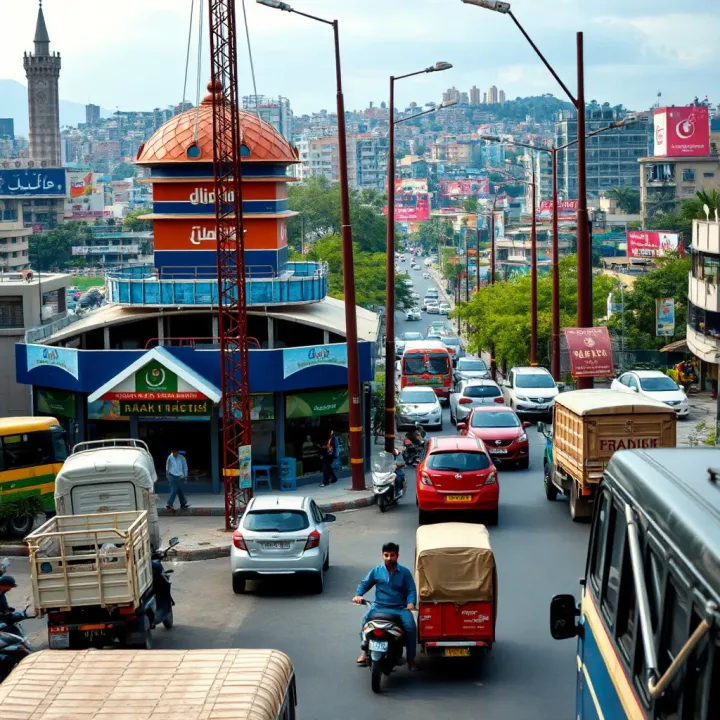
A nuanced understanding of these challenges helps stakeholders develop realistic expectations and strategies that fit Pakistan's unique environment, avoiding cookie-cutter solutions that usually fall flat.
We'll look at:
Key social issues like poverty, education, and health setbacks
Economic challenges including inflation, trade deficits, and energy shortages
Environmental concerns that increasingly affect agriculture and urban living
Governance troubles tied to policy implementation and corruption
By providing a grounded perspective with concrete examples, the goal is to help readers navigate Pakistan's market and societal conditions from a place of insight, not guesswork. This is essential for anyone who has a stake in the country’s future growth and stability.
Understanding the major challenges Pakistan faces provides essential context for anyone looking to engage with the country’s economic and social landscape. These challenges impact everything from investment decisions to policy making, making it critical for traders, investors, and analysts to grasp the root causes and ripple effects on society.
At the heart of Pakistan’s difficulties lie socioeconomic disparities and political issues that ripple through the economy and public life. By breaking these down, one gains practical insight into barriers hindering growth, stability, and development. For example, uneven income distribution affects consumer spending power, and governance inefficiencies can delay infrastructure projects vital for economic expansion.
Grasping these core problems equips decision makers with a clearer view of risks and opportunities within Pakistan’s markets. This overview also highlights where effective intervention could foster progress, thereby informing strategies that suit local realities rather than broad, ineffective approaches.
Income inequality in Pakistan is significant and impacts both urban and rural populations. The richest 10% hold a disproportionate share of wealth, while large segments remain in poverty. This gap restricts economic mobility and reduces overall consumer demand, creating a bottleneck for businesses reliant on domestic markets. For investors, understanding these disparities helps gauge the viability of ventures targeted at lower-income groups who represent the bulk of the population but have limited purchasing power.
Unequal access to basic education and healthcare is a persistent challenge. Rural areas often have fewer schools and clinics, which contributes to lower literacy rates and poor health outcomes compared to urban centers. This gap undermines workforce quality, a factor that directly affects productivity and long-term economic prospects. Addressing these disparities can boost human capital, making the labor market more attractive for investors and employers.
Pakistan’s unemployment figures, especially among youth, hover around 6-8%, with underemployment even higher. Limited job opportunities in formal sectors push many into informal work, which lacks security and benefits. High unemployment not only fuels poverty but also social dissatisfaction, which can destabilize markets. A clear understanding of this issue is vital for implementing job-creation policies and for companies considering local expansion or partnerships.
Corruption remains a widespread concern that affects multiple levels of government and industry. Bribery, nepotism, and opaque procurement processes distort fair competition and discourage foreign investment. For businesses and financial actors navigating Pakistani markets, anticipating these hurdles and having mitigation strategies is a practical necessity.
Despite numerous policies aimed at economic reform, Pakistan often struggles with enforcement and follow-through. Bureaucratic delays, shifting political priorities, and legal ambiguities contribute to inconsistent policy application. This unpredictability raises risks for investors and complicates planning for long-term projects.
Strong institutions are essential for transparent governance and market confidence. However, weak judicial systems, limited regulatory oversight, and fragmented public agencies hinder Pakistan’s institutional effectiveness. Strengthening these bodies can improve contract enforcement, reduce corruption, and heighten investor protection. Recognizing these institutional gaps helps stakeholders push for reforms and better engagement strategies.
Understanding these core challenges gives a realistic picture of Pakistan’s environment, crucial for making informed decisions whether in finance, trade, or governance. Addressing these issues isn’t simple, but pinpointing them clearly is the first step toward meaningful progress.
Economic pressures shape the daily realities of millions in Pakistan, influencing everything from household budgets to national policies. Understanding these pressures is key for investors, traders, and analysts who need to gauge the country’s financial health and predict future trends. Inflation, fluctuating costs, and mounting debts don’t just live in reports; they ripple through markets, consumer behavior, and investor confidence.
Impact on daily life
Inflation is more than a number on a news ticker; it stings wallets directly. For many Pakistani families, rising prices for essentials like wheat, cooking oil, and gas leave less room for savings or education expenses. When inflation climbs—like the reported 13% rate in 2023—it affects consumer spending patterns. People prioritize basic needs, cutting back on non-essential purchases. Retail sectors notice a dip in demand, and small businesses struggle to keep up with rising costs. This domino effect can slow economic growth and heighten social tensions.
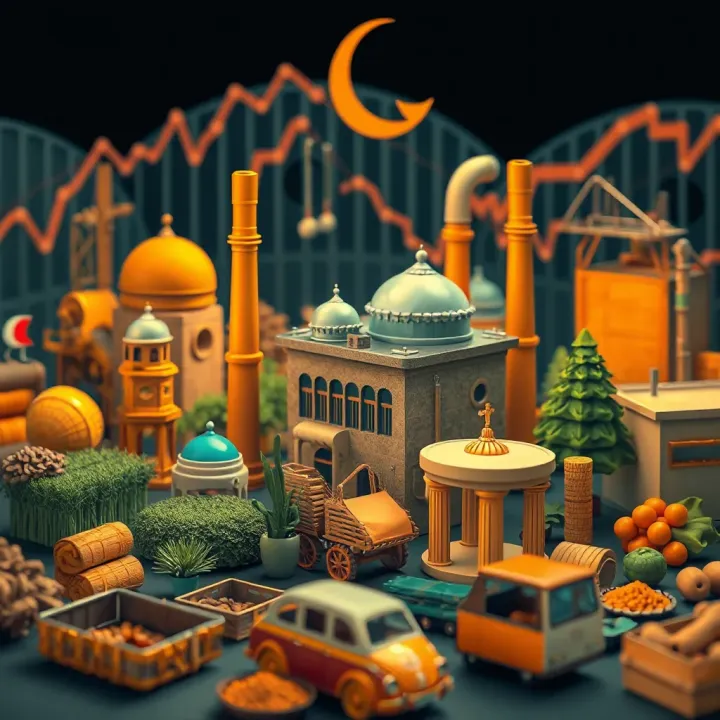
Inflation is basically a silent tax on the average person, making everything from daily groceries to energy costs more painful.
Government measures
To curb inflation, the Pakistani government often resorts to monetary policies, such as adjusting the State Bank of Pakistan's interest rates. For example, raising rates in 2023 aimed to make borrowing more expensive, reducing spending and easing price rises. Subsidies on essential goods like sugar and flour also help shield lower-income groups. However, these are stopgap measures; long-term results depend on improving supply chains and increasing agricultural productivity. Analysts recommend that policymakers focus on reducing import dependencies and investing in local industries to provide stable pricing.
External debts
Pakistan’s external debt footprint tells a challenging story. As of early 2024, the country’s foreign debt hovers above $130 billion, including loans from the IMF, China’s Belt and Road Initiative projects, and commercial loans. Servicing this debt drains valuable foreign exchange reserves, limiting the government’s ability to import goods or invest in infrastructure. For traders and investors, large external debts can signal higher risks but also opportunities if reforms address sustainability. Policymakers must negotiate better terms, diversify borrowing sources, and focus on revenue generation to ease the burden.
Budget deficits
A persistent budget deficit pushes Pakistan's financial vulnerabilities. When expenses consistently outpace revenues, the government must borrow more or cut vital services, both of which can negatively impact economic stability. In 2023, the budget deficit was reported at around 7% of GDP, driven by subsidies, defense spending, and debt service costs. Solutions involve broadening the tax base, improving collection efficiency, and prioritizing expenditures. Fiscal discipline backed by transparency helps restore investor confidence, which is vital for stimulating economic growth.
By breaking down these economic pressures with precision, traders, investors, and policymakers can better navigate Pakistan’s complex landscape. Understanding the nuances of inflation and debt is essential to making informed decisions that foster stability and growth.
Environmental issues in Pakistan are more than just background noise—they affect every part of daily life and economic stability. For traders and investors, ignoring these concerns could mean overlooking risks tied to natural resources and policy shifts. For educators and analysts, this topic offers a chance to inform future generations about sustainability challenges critical for long-term growth.
Water scarcity and pollution, combined with improper waste management, put pressure on health systems, agriculture, and industry, directly influencing economic outcomes and social wellbeing. Pakistan’s environment is a key factor in shaping both its current challenges and future prospects.
Water scarcity in Pakistan stems mainly from a mix of natural and human factors. The country relies heavily on the Indus River system, but erratic rainfall patterns and prolonged drought periods have diminished water availability. Over-extraction of groundwater for agriculture and urban use worsens the problem. For example, parts of Sindh and Balochistan already experience severe shortages during dry seasons.
Practical impact here is direct. Lower water availability disrupts crop yields and industrial processes. For investors in agriculture or manufacturing, understanding these water limits is essential to manage risk.
To tackle water scarcity, Pakistan has introduced several projects, such as the National Water Policy, emphasizing efficient irrigation and water recycling. Community programs encourage rainwater harvesting, especially in rural regions where modern infrastructure lags behind.
Farmers adopting drip irrigation or crop rotation methods report notable water savings while sustaining output. These steps best serve not just rural communities but also urban centers facing supply shortages. Stakeholders interested in sustainable development should closely observe these conservation efforts to align investments and policies with emerging water realities.
Air pollution in major cities like Karachi and Lahore often reaches hazardous levels due to vehicle emissions, industrial smoke, and burning of crop residue. This affects public health and productivity, leading to higher medical costs and lost workdays. Water pollution, mainly from untreated sewage and industrial effluents dumped into rivers, contaminates drinking sources and farmland.
For business and economic analysts, these problems translate into hidden costs and regulatory risks. Companies increasingly face stricter environmental standards, and ignoring pollution issues can result in fines or loss of social license to operate.
Pakistan’s urban centers struggle with inefficient waste collection and disposal. Landfills overflow, and unregulated dumping causes soil and water contamination. This scenario affects not only public health but also limits urban expansion and real estate development.
Programs initiated by NGOs and local authorities, focusing on waste segregation and recycling, offer a glimpse of progress. For instance, Karachi's pilot waste-to-energy plants represent practical steps to manage refuse while producing electricity. Such innovations could attract investments aligned with circular economy principles.
Environmental challenges in Pakistan are intertwined with economic and social factors. Addressing water scarcity, pollution, and waste management is not just an environmental imperative but a business and social necessity.
In summary, tackling these environmental concerns requires coordinated efforts across government, communities, and private sectors. Understanding these dynamics helps traders, investors, and analysts anticipate risks and opportunities shaped by Pakistan’s environmental realities.
Social challenges and cultural aspects play a significant role in shaping Pakistan's overall development. These issues often dictate the quality of life and opportunities available to its citizens, influencing everything from economic growth to political stability. Understanding these challenges helps identify barriers to progress and highlights areas where focused efforts can lead to lasting change. For investors and educators alike, grasping these social dynamics is crucial because they directly affect workforce potential, market behavior, and community resilience.
Education access in Pakistan varies significantly between urban centers and rural areas. Cities like Karachi or Lahore boast more schools with better resources, while rural districts often struggle with underfunded schools, lacking basic amenities like electricity or proper classrooms. This divide slows overall human capital development since many rural children miss out on quality education, limiting their future earning potential and productivity.
For example, a child in Islamabad might have access to private tuition and modern libraries, while a child in Baluchistan faces long travel distances to reach a basic school. Bridging this gap requires targeted government policies, investment in rural infrastructure, and community-driven programs to encourage school attendance. For brokers and investors, recognizing this divide can help tailor training programs or CSR initiatives that uplift underserved communities, which in turn expands the talent pool.
Literacy initiatives in Pakistan aim to raise the basic reading and writing skills of the population, especially among adults and girls. Programs by organizations like the Idara-e-Taleem-o-Aagahi (ITA) have helped increase literacy rates by focusing on non-formal education and night schools. The practical benefit is clear: higher literacy levels lead to a more informed citizenry capable of better decision-making and economic participation.
To encourage literacy, initiatives use community volunteers and mobile teaching units in remote locations. Emphasizing functional literacy—skills useful in daily life—helps people from farming families or informal sector workers enhance their livelihoods. For finance professionals, this translates to a broader and more financially literate market, which is crucial for effective product targeting and expanding financial inclusion.
Gender equality remains a stubborn challenge in Pakistan, often rooted in cultural norms and socioeconomic conditions. Barriers include limited access to education for girls, restrictions on women’s mobility, and underrepresentation in formal employment sectors. Such obstacles reduce the country’s economic potential since half the population is effectively sidelined from contributing fully.
For example, many women in rural areas face pressures to prioritize household duties over schooling or work, and some industries remain male-dominated due to ingrained biases. Addressing these barriers requires legal reforms, public awareness campaigns, and safe access to education and jobs. Investors should note that companies promoting gender diversity often see better innovation and market responsiveness.
Recent years have witnessed a rise in activism pushing for women’s rights in Pakistan. Movements like the Aurat March have brought attention to issues such as harassment, workplace inequality, and gender-based violence. Progress is visible through increased enrollment of girls in schools, and more women entering professional fields like law, medicine, and entrepreneurship.
NGOs and international partnerships have supported microfinance programs targeting women, enabling greater economic independence. For traders and analysts, supporting gender-inclusive policies can unlock new market segments and improve community welfare. It also sets a positive precedent that can reduce social friction and promote a stable business environment.
When social progress aligns with economic strategies, the benefits ripple through society, creating a more dynamic and resilient Pakistan.
By tackling these social challenges head-on—improving education quality, narrowing rural-urban disparities, and championing gender equality—Pakistan can build a foundation for sustained growth and prosperity. This requires cooperation between government bodies, civil society, and the private sector to create inclusive policies and programs that resonate with local needs and realities.
Finding solutions for Pakistan’s challenges isn't just about fixing what's broken; it’s about building systems that last. This section looks at practical steps that can ease economic, social, and governance issues by strengthening institutions, reforming the economy, and engaging communities. These pathways are relevant because without clear solutions, problems tend to deepen, making even small improvements difficult to achieve.
Transparency forms the backbone for trust in any institution. In Pakistan, where corruption perceptions run high, transparency measures like public audits, digital disclosures, and open data portals can reduce graft and build credibility. For example, digitizing procurement processes limits human interference, cutting down bribery chances. Transparency also helps investors and businesses see the true climate, encouraging foreign and local investment.
A fair, prompt, and independent judiciary is vital for upholding law and protecting rights. Pakistan’s court delays and case backlogs hurt investor confidence and slow down justice delivery. Simplifying procedures, increasing judges’ numbers, and introducing technology for case management can speed things up. When courts work efficiently, contracts get enforced promptly, boosting business confidence and social fairness alike.
Entrepreneurs fuel economic growth and job creation. Pakistan’s youth are increasingly interested in startups, but many face hurdles: limited access to credit, complicated regulations, and lack of mentorship. Policies that provide easy loans, simplified registration, and incubator programs—like those at Plan9 Karachi—can nurture small businesses. This creates a thriving ecosystem where new ideas grow, offering jobs and fresh economic momentum.
Focusing on industries with competitive advantage, like textiles, agriculture, and information technology, creates sustainable job growth. For instance, modernizing textile plants with energy-efficient machines can lower costs and increase exports. Similarly, incentivizing investment in tech parks encourages innovation hubs, attracting talent and capital. Targeted investment boosts output and broadens the tax base, aiding fiscal stability.
Civil society groups, NGOs, and local organizations play a critical role in holding governments accountable and pushing for change. They often act as bridges between policymakers and people, ensuring voices from marginalized communities get heard. For example, organizations working on education advocate for school access in remote areas, affecting change from grassroots levels. Supporting these groups through grants and partnerships multiplies positive social impact.
Raising awareness on critical issues like women’s rights, environmental conservation, and health can mobilize communities. Awareness campaigns using local languages and popular media channels tend to resonate best. For instance, radio programs detailing water-saving techniques reach farmers in rural Sindh better than printed pamphlets. Education campaigns empower people to adopt better practices, making policy effects more tangible.
Fixing Pakistan's challenges hinges on real, workable solutions. Strengthening transparency, investing where it matters, and involving communities create a foundation for long-term progress. Incremental changes, when connected, can lead to a more stable, fair, and prosperous society.
📈 Explore the causes and effects of inflation in Pakistan, and discover practical ways policymakers and individuals can manage rising prices effectively.

Explore how to trade CFDs in Pakistan 📈, understand risks ⚠️, key strategies 📊, regulations 📜, and manage your trades wisely for informed decisions.

Find the best trading app in Pakistan 📱 with tips on features, security 🔒, fees 💰, and user experience for stocks, forex, and crypto trading.

📈 Learn how to trade cryptocurrency in Pakistan with practical tips, platform guides, risk management, legal insights, and strategies for beginners.
Based on 6 reviews