

Understanding Trading: A Guide for Pakistan Traders
📈Explore essential trading insights for individuals & businesses in Pakistan. Learn strategies, types & risk management to trade smarter locally & globally.
Edited By
Benjamin Foster
QR brokers play an increasingly important role in Pakistan's digital economy by acting as intermediaries that facilitate QR code-based payments. These brokers help connect merchants, customers, and payment service providers like JazzCash, Easypaisa, and various bank apps, making transactions smoother and more secure.
Unlike direct merchant-to-provider relationships, QR brokers offer a platform or service that manages processing multiple QR codes from various payment providers, simplifying reconciliation for businesses. For instance, a shopkeeper in Lahore can display a single QR code that works with several digital wallets, thanks to a QR broker’s system.
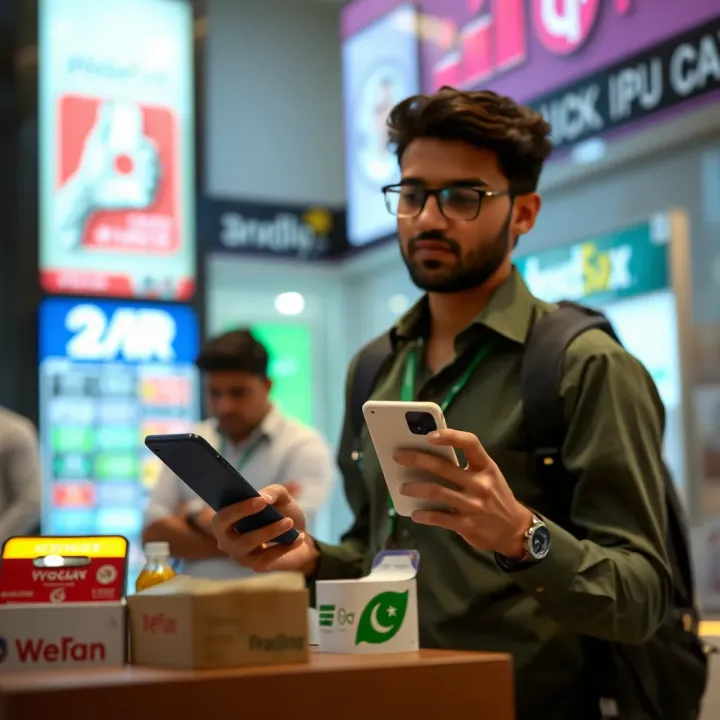
Their services reduce technical hurdles for merchants, particularly small and medium enterprises (SMEs), that might otherwise struggle to integrate multiple payment platforms. This helps boost digital adoption, especially in markets where cash was dominant before.
In fact, QR brokers effectively lower entry barriers for merchants aiming to accept digital payments, contributing to financial inclusion and the growth of Pakistan’s cashless economy.
Moreover, QR brokers ensure compliance with Pakistan Telecommunication Authority (PTA) and State Bank of Pakistan (SBP) regulations. They handle security protocols like encryption, fraud detection, and customer verification, which gives confidence to both buyers and sellers.
Aggregation of multiple payment providers’ QR codes into one unified code
Managing settlement and reconciliation for merchants
Ensuring regulatory compliance and security standards
Providing analytics to help merchants track sales and customer behaviour
With Pakistan witnessing a rapid rise in smartphone usage and internet access, especially after the Covid-19 pandemic, QR brokers are stepping in as crucial enablers. They support a variety of sectors such as retail, food delivery, transport services like Careem and Bykea, and even charitable donations.
The government's push for digital payments through SBP's Payment Systems Review 2022 has further created a favourable environment for QR brokers. Looking ahead, these brokers are likely to evolve, offering more integrated financial services beyond just payments, including credit scoring and loyalty programmes.
In short, QR brokers form a vital link that smooths the connection between customers and digital payment platforms, promoting ease, security, and wider acceptance in Pakistan’s fast-growing digital economy.
A QR broker acts as the bridge between merchants and payment service providers, facilitating smooth QR code-based transactions. They handle critical tasks like issuing QR codes and ensuring those codes work seamlessly with different digital wallets or banking apps widely used in Pakistan, such as JazzCash and Easypaisa. This role becomes vital for businesses, especially small traders, who want to accept digital payments without having to deal with complex technical setups.
QR brokers mainly serve as intermediaries who connect merchants with payment gateways and mobile wallet providers. For example, a shopkeeper in Karachi wanting to accept payments via Easypaisa might not directly contact the payment provider. Instead, the QR broker manages this relationship, making it easier for the merchant to get set up and start accepting payments promptly.
Besides managing relationships, QR brokers also take care of issuing QR codes to merchants. This involves generating codes that are compatible with numerous payment systems in Pakistan. This compatibility is crucial since a single QR code needs to work correctly whether the customer is paying through JazzCash, Easypaisa, or a bank app. Without this management, businesses might struggle with technical glitches or face payment failures.
There are two main types of QR codes in use: static and dynamic. Static QR codes have fixed information embedded in them — a merchant's account details, for example. They are simple and easy to use but less flexible. On the other hand, dynamic QR codes change with every transaction, often updating payment amounts or transaction details. Dynamic codes provide better security and more accurate tracking, making them favoured for many businesses.
Pakistan has moved towards standardising QR codes across payment platforms to create a unified digital payment ecosystem. The State Bank of Pakistan (SBP) has encouraged adoption of standard QR codes that work with various banks and digital wallets. This reduces confusion and technical barriers, allowing merchants to display one QR code accepted by multiple payment providers. For instance, a small retailer in Lahore can use a standard QR code that works for JazzCash, Easypaisa, and other local apps, ensuring customers have smooth payment experiences regardless of the wallet they prefer.
Standardised QR codes help avoid multiple QR posters cluttering shops and reduce customer confusion, encouraging wider acceptance of digital payments across Pakistan.
This framework also supports small businesses in remote areas where digital infrastructure is still growing, helping Pakistan’s digital economy to expand beyond major cities.
In sum, QR brokers play a foundational role by issuing compatible QR codes and connecting merchants with diverse payment platforms through a streamlined process aligned with Pakistan’s growing digital payment standards.
QR brokers hold a key position in Pakistan's digital payment ecosystem by making it easier for small merchants to join and thrive in the cashless economy. Many vendors in bazaars and mohallas lack the technical know-how or resources to create their own digital payment setups. QR brokers step in by providing ready-made solutions that connect these merchants with popular mobile wallets like JazzCash and Easypaisa. This enables even small shops and stalls to receive payments via QR codes, helping them tap into the growing number of consumers preferring digital transactions.
By handling technical integration and offering user-friendly interfaces, QR brokers significantly lower barriers for merchants who otherwise might stick to cash due to complexity or cost. For example, food vendors in Karachi's Saddar area can display a single QR code that works with multiple payment platforms thanks to QR brokers' compatibility management. This convenience encourages wider adoption of QR payments across urban and rural Pakistan, promoting financial inclusion.
Enabling small businesses to accept digital payments: Small businesses often face challenges due to limited access to banking services and payment infrastructure. QR brokers address this by issuing unified QR codes that integrate with various payment providers, creating a bridge to digital wallets. This allows a roadside dhaba or a kiryana store to receive payments instantly without needing sophisticated hardware or merchant accounts.
Besides convenience, this also speeds up transactions and minimises handling cash risks. Digital payment acceptance reduces dependency on physical currency which is critical during public health concerns and economic uncertainty.
Lowering barriers for merchants using QR technology: QR brokers simplify compliance, technical setup, and maintenance related to digital payments. Especially for micro businesses, the cost and effort to maintain multiple QR codes or negotiate with providers separately can be overwhelming. Brokers bundle these services, providing one QR code that covers several wallets, lowering set-up time and cost.
Additionally, they usually offer customer support and training to merchants unfamiliar with QR scanning processes. This backing builds merchant confidence and encourages businesses to switch from cash-only to digital transactions smoothly.

Fraud prevention mechanisms: Security is a major concern in digital payments, especially for merchants just starting out. QR brokers implement built-in fraud detection systems that monitor unusual transaction patterns like repeated failed scans or payments from suspicious sources. They also enforce strict verification processes for merchants before issuing QR codes to reduce identity fraud risks.
In Pakistan’s financial environment, where scams can easily undermine trust, such mechanisms protect both merchants and customers. For instance, QR brokers often flag transactions that deviate from typical merchant behaviour, allowing swift action before losses accrue.
Transaction monitoring and data protection: QR brokers continuously monitor transactions to ensure compliance with regulations set by the State Bank of Pakistan and anti-money laundering laws. They maintain secure databases to protect sensitive customer and merchant information from breaches or misuse.
This monitoring helps resolve disputes quickly and provides transparent transaction histories for accounting and audits. Given the rising digital footprint in Pakistan’s economy, the proper handling and protection of data bolster consumer confidence and promote wider digital payment adoption.
QR brokers not only connect merchants with payment platforms but also add a crucial layer of security and support, making digital payments safer and more accessible for businesses across Pakistan.
QR brokers play a vital role in Pakistan’s digital economy by facilitating QR code transactions while ensuring financial safety. Understanding how they earn and manage risks sheds light on their sustainability and trustworthiness.
QR brokers typically earn through commissions charged on each transaction they process. This commission usually comes as a small percentage of the payment amount, often negotiated between brokers and merchants. For example, a QR broker may charge a 1% commission on a Rs 1,000 payment, earning Rs 10. This model aligns incentives since brokers succeed when merchants transact more, encouraging them to offer smoother services.
This arrangement is practical, especially for small and medium businesses. It allows merchants to avoid upfront costs, paying only when a sale happens. However, brokers must balance commission rates to remain competitive and profitable.
Some brokers adopt a subscription model, charging merchants a fixed monthly or quarterly fee for offering their QR payment services. This could include additional features like customised reporting, dedicated technical support, or integration with multiple wallets such as JazzCash and Easypaisa.
For businesses with consistent transaction volumes, subscription fees may prove cost-effective compared to per-transaction commissions. This model also gives brokers predictable revenue streams, enabling better service improvements. Businesses, however, must evaluate their transaction patterns before opting for subscriptions, ensuring it offers value for money.
Fraud is a real threat in digital payments. QR brokers employ several strategies to detect and minimise fraudulent activities. These include real-time transaction monitoring to flag unusual patterns, such as sudden spikes in payment volumes or repeated failed attempts.
In Pakistan’s context, brokers also work closely with mobile wallet providers and banks to verify merchant and customer identities using CNIC data, reducing impersonation risks. For instance, a merchant attempting to use a fake or stolen CNIC would face rejection. These safeguards protect both merchants and consumers, maintaining trust in QR payments.
QR brokers must follow regulations set by the State Bank of Pakistan (SBP) and other authorities. Compliance includes adhering to anti-money laundering (AML) rules, customer due diligence (CDD), and timely reporting of suspicious transactions.
By meeting these requirements, brokers help guard Pakistan’s financial system from misuse. Non-compliance risks fines, licence suspension, or reputational damage. Many brokers invest in compliance teams and automated tools to meet these obligations, reflecting their commitment to operating within legal boundaries.
Robust revenue models combined with strong risk management allow QR brokers to maintain trust and foster growth in Pakistan’s digital payment ecosystem. Without these, adoption by merchants and consumers would slow down significantly.
Understanding the regulatory environment is essential for QR brokers operating in Pakistan. Government bodies and financial institutions set rules to maintain transaction integrity, protect user data, and prevent illegal activities. These regulations help build confidence among merchants and consumers, which is key for the growth of digital payments through QR codes.
The State Bank of Pakistan (SBP) plays a central role in overseeing QR code payments. It sets the standards for interoperability, meaning that QR codes issued by one payment provider must work across other platforms, including popular mobile wallets like JazzCash and Easypaisa. This ensures a smooth experience for merchants and customers across Pakistan's diverse digital payment ecosystem.
SBP also monitors transaction ceilings and guides security protocols to keep payments secure and efficient. For example, SBP's regulations mandate clear disclosure of transaction fees by QR brokers, which protects merchants from unexpected charges and supports transparency.
QR brokers must comply with SBP regulations related to licensing, operational guidelines, and periodic reporting. All brokers require an operational licence from SBP, which demands proof of security measures and financial stability. This ensures only credible businesses operate as intermediaries.
Additionally, QR brokers need to follow guidelines for transaction settlement times, dispute resolution mechanisms, and customer grievance handling. This structured compliance reduces risks for merchants and builds trust in QR-based payments across local markets.
Protecting customer and merchant information is vital for QR brokers. Pakistani data protection rules require brokers to implement strong encryption, access controls, and regular audits to prevent data breaches. Since QR payments handle sensitive financial data, these measures help avoid identity theft and fraud.
For instance, brokers must safely store CNIC numbers and transaction logs, ensuring only authorised personnel can access this data. Compliance with these guidelines reassures users their private and payment information remains confidential.
Money laundering and fraud prevention has become a priority for regulators. The SBP mandates that QR brokers adopt customer verification processes aligned with Anti-Money Laundering (AML) laws, including Know Your Customer (KYC) checks.
Transaction monitoring tools help detect unusual patterns, such as large repetitive payments that could indicate suspicious activity. Such alerts enable brokers to freeze transactions and report cases to relevant authorities promptly, limiting risks for the entire payment system.
Robust regulatory frameworks not only protect merchants and customers but also foster wider adoption of digital payments by making QR transactions safer and more reliable.
By following these regulatory and security requirements, QR brokers can contribute meaningfully to Pakistan's digital economy, supporting small businesses and fostering financial inclusion with confidence.
Selecting the right QR broker is a key decision that can shape how seamlessly your business accepts digital payments. For Pakistani merchants, this choice affects operational efficiency, customer convenience, and cost management. A QR broker acts as the middleman between merchants, payment providers, and customers, so aligning with a provider that meets your specific business needs can boost sales and reduce hassles.
Integration with major mobile wallets like JazzCash and Easypaisa
One of the first things to check is whether the QR broker supports integration with Pakistan's leading mobile wallets, primarily JazzCash and Easypaisa. These wallets dominate Pakistan’s digital payments, so partnering with a broker that ensures smooth compatibility promotes quick and easy transactions for your customers. For instance, a local grocery store using a QR broker linked to both JazzCash and Easypaisa will likely see more customers opting for digital payments due to familiarity and ease.
Besides providing access to popular wallets, look for brokers that offer multi-wallet integration for added flexibility. This means your customers can pay through whichever digital wallet they prefer, reducing chances of payment failure and improving customer satisfaction.
Pricing and transaction fees
Pricing structures vary from broker to broker, so understanding fee schedules is vital. Some brokers charge a flat commission per transaction, while others offer subscription models or a mix of both. Choose a broker whose fees align with your business volume and margins.
For example, a small business with low sales volume might benefit from a pay-per-transaction model to avoid fixed monthly costs. In contrast, larger retailers with high transaction counts may save by opting for a subscription plan with lower per-transaction fees. Always calculate effective costs by considering both transaction fees and any hidden charges like setup or monthly gateway fees.
Availability of technical assistance
Technical support can make or break your experience with a QR broker, especially during busy business hours. Opt for brokers who provide accessible, responsive assistance through multiple channels like phone, chat, or email. Quick problem resolution ensures your payment system remains operational without delays, preventing revenue loss.
Consider local brokers who understand Pakistan’s digital infrastructure and can support you in Urdu or English. For example, a café faced with payment gateway downtime would lose customers rapidly without prompt technical help.
Reputation in the local market
A broker’s standing in Pakistan plays a significant role in reliability and trustworthiness. Research user reviews, testimonials, and case studies to gauge their track record for uptime, fraud prevention, and customer satisfaction.
Reputable brokers are more likely to adhere to State Bank of Pakistan (SBP) regulations, ensuring compliance and security. Working with such brokers also boosts confidence among your customers, encouraging digital payments and repeat business.
Choosing a QR broker is not just about technology; it’s about finding a partner who supports your business growth with reliable service, fair pricing, and seamless integration with Pakistan’s dominant digital wallets.
By focusing on these factors, businesses can pick a QR broker that enhances their digital payment acceptance while keeping customers happy and operations smooth.
QR brokers have played a significant role in connecting merchants and customers, but their impact is set to grow as Pakistan's digital payments landscape expands beyond traditional retail. This evolution involves new sectors adopting QR code technology and the integration of advanced features to enhance usability and security. Understanding these developments is key for traders, investors, and all stakeholders following Pakistan’s digital economy.
QR payments are no longer limited to shops and eateries. They are increasingly used in public transport, utilities, and government services. For example, consumers can pay bus fares or metro tickets through QR codes scanned via their mobile wallets like JazzCash or Easypaisa, speeding up transactions and reducing cash handling. Similarly, utility companies are testing QR payments to simplify bills for electricity and water, a welcome change for customers who previously queued at offices or convenience stores.
Government departments are also exploring QR codes as part of digital transformation initiatives. Citizens can pay property taxes, licence fees, or fines using QR codes provided on official receipts or notices. This reduces corruption opportunities and enhances transparency. Given Pakistan’s push for a cashless society, such expansions create practical benefits for consumers and merchants alike.
Cross-border QR payments have a growing relevance too. Pakistan’s sizable overseas workforce regularly sends remittances home, often facing high fees and slow transfers. Introducing QR-based remittance services could allow recipients to receive funds directly into their mobile wallets by scanning a QR code shared by the sender abroad, cutting intermediaries and costs. This innovation would also encourage more formal channels for remittance inflows, benefiting the national economy.
Biometric verification is gaining traction as a security layer integrated within QR payments. In Pakistan, linking QR transactions to fingerprint or facial recognition can add a strong authentication step, reducing fraud risks—especially in digital wallets used for large transactions. Banks and payment providers are exploring this to comply with regulatory demands while offering users peace of mind.
Additionally, QR brokers are beginning to offer enhanced analytics tools for merchants. These tools analyse transaction patterns, peak business hours, and popular products, allowing vendors to make data-driven decisions. For instance, a small retailer in Lahore can use such insights to adjust stock or pricing strategies seasonally, improving profitability. This shift turns QR payments from mere transaction channels into smarter business solutions.
As Pakistani businesses adopt these advances, QR brokers will transform from simple intermediaries into essential enablers of secure, efficient, and insightful digital commerce.
The future of QR brokers and digital payments in Pakistan looks promising, driven by practical use expansions and tech enhancements addressing security and business intelligence needs.
📈Explore essential trading insights for individuals & businesses in Pakistan. Learn strategies, types & risk management to trade smarter locally & globally.

Learn how CFD trading works in Pakistan 🇵🇰, explore strategies, risks, broker tips, and regulations to trade smartly and confidently.

📊 Explore BGB price trends, key factors affecting it, and strategies for tracking changes. Get practical insights for investors and traders in Pakistan 🇵🇰.
Explore how inflation shapes Pakistan's economy 📉 and daily life, and learn about steps taken to stabilize growth and protect livelihoods 🇵🇰.
Based on 15 reviews