
Understanding Trading: A Guide for Pakistan Traders
📈Explore essential trading insights for individuals & businesses in Pakistan. Learn strategies, types & risk management to trade smarter locally & globally.
Edited By
Ethan Wright
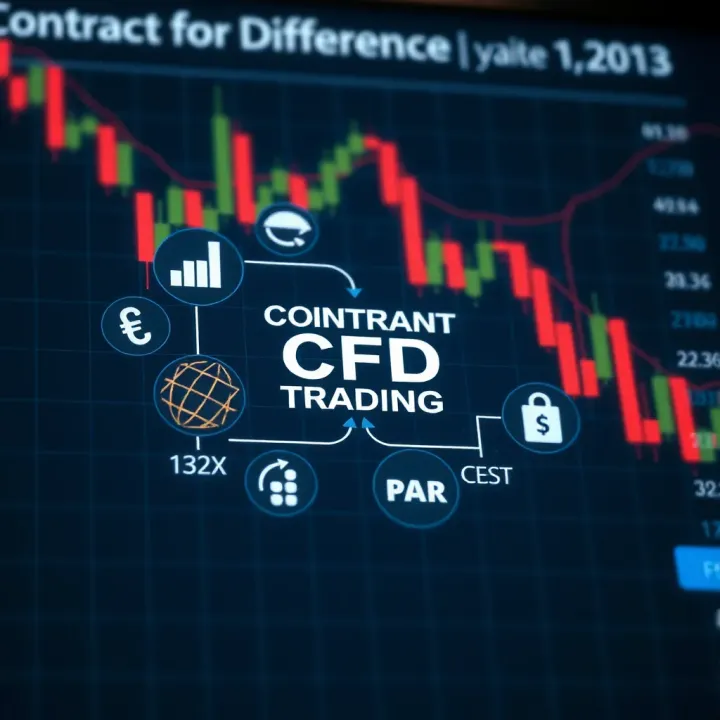
CFD trading, or Contract for Difference trading, has become a popular way for traders worldwide to speculate on asset prices without owning the underlying asset. In Pakistan, interest in CFD trading is rising steadily, driven by growing internet access and a hunger for new investment opportunities.
This guide aims to give you the nuts and bolts of CFD trading specifically tuned to the Pakistani market. We'll break down what CFDs actually are, how trades are made, and the key advantages and downsides you should be aware of. Whether you're a seasoned trader or just starting out, understanding the basics—and the local regulatory environment—is vital to navigating this space confidently.
Along the way, we'll talk about strategies that work in real trading, common pitfalls you should watch out for, and what to look for when choosing a broker. Compliance with Pakistan's regulations concerning online trading platforms will also be covered, letting you trade smart without stepping on any legal toes.
By the end, you will have a solid grasp of how CFD trading operates in Pakistan and be better prepared to make informed decisions. Let's get started and unpack the essentials step by step.
Trading CFDs isn’t just about guessing prices but understanding risks and managing your trades wisely—especially in Pakistan’s unique market conditions.
Understanding the basics of CFD trading is essential, especially for those in Pakistan looking to diversify their investment portfolios beyond traditional stocks and bonds. CFDs, or Contracts for Difference, provide a way to speculate on price movements without owning the asset itself. This method offers both flexibility and ease, fitting well with the fast-paced nature of modern markets.
CFD trading appeals because it lets traders potentially profit from both rising and falling markets. For instance, if you believe the price of a certain share listed on the Pakistan Stock Exchange will rise, you can open a CFD position to gain from that upward movement. Conversely, if you expect it to fall, you can also take a position to profit from a decline – all without needing to buy the actual stock.
This section will break down how CFDs work in practical terms, looking closely at how profits and losses come about and what sets CFD trading apart from traditional ownership of assets. Along the way, we'll touch on critical considerations to keep in mind to make smarter trading choices.
A Contract for Difference is an agreement between two parties, typically the trader and the broker, to exchange the difference in value of an asset between the time the contract opens and closes. You don't own the asset itself — whether it's a commodity, stock, forex pair, or index — but you benefit from the price changes.
Think of it like betting on a horse race, but instead of horses, you're betting on price movements. You don't own the horse (or asset), but you stand to win or lose based on the finish line — the price movement.
This approach reduces barriers like needing a large sum of money to buy shares outright or the logistical challenges of holding physical commodities. For Pakistani traders, this means access to global markets without excessive upfront capital.
Calculating profits or losses in CFD trading is pretty straightforward. You multiply the difference between the opening and closing prices by the number of units you're trading.
For example, if you enter a CFD position to buy 100 units of a stock at 200 PKR per share and later close the position at 210 PKR, your profit is:
(210 - 200) x 100 = 1,000 PKR
On the flip side, if the price drops to 190 PKR and you close your position, you face a loss:
(190 - 200) x 100 = -1,000 PKR
What makes this calculation practical is the ability to use leverage (more on that later), so you might only need a fraction of the total trade value upfront as margin. But remember, leverage amplifies both gains and losses, so it’s a double-edged sword.
A key difference to understand is that when you trade CFDs, you never actually own the underlying asset. This contrasts with traditional trading, where buying stock means you own shares of a company.
Not owning the asset means you avoid some responsibilities and costs, such as stamp duties or physical storage for commodities. However, it also implies you don't get shareholder rights, like voting in company meetings or receiving dividends (though some brokers adjust your account to reflect dividend changes).
For example, if you buy Pakistan Telecommunication Company Limited (PTCL) shares traditionally, you'd hold actual shares with voting rights. But in CFD trading on PTCL stock, you're only speculating on price movements without ownership rights.
Trading CFDs lets you essentially 'ride along' with the market changes without the full burden of asset ownership. This flexibility is handy in markets where buying the actual asset is costly or impractical.
Moreover, CFDs allow short-selling easily, meaning you can sell first and buy later if you expect the market to fall. For instance, if you expect the price of crude oil to go down due to global supply shifts, you can open a CFD short position to potentially profit from the decline.
This ability to easily trade both sides of the market, combined with access to a range of assets from one platform, streamlines the trading experience for Pakistani investors who might not otherwise access these markets.
Keep in mind, though, CFD trading still carries risks, especially due to leverage and market volatility. Understanding the mechanics is just the first step towards trading smartly.
Understanding the popular markets for CFD trading in Pakistan is a must for traders wanting to make smart moves. Different markets offer varied opportunities and risks, and knowing where to focus can really up your game. Whether you’re eyeing stocks, commodities, or currencies, each has its own quirks that affect how you trade and profit.
When trading CFDs on stocks, Pakistani traders often wonder whether to stick with local companies like Pakistan Telecommunication Company Limited (PTCL) or jump into international names such as Apple or Tesla. Local stocks are easier to keep tabs on because domestic news and regulations directly impact them. For example, changes in Pakistan’s economic policies might quickly sway the KSE 100 index.
On the flip side, international stocks open doors to sectors not available locally—think tech giants or renewable energy firms. This diversification can smooth out risks but requires paying attention to foreign market hours and geopolitical happenings. So, if you’re trading CFDs on Apple stocks, knowing about US earnings reports or tech trends really matters.
Liquidity affects how easily you can enter or exit trades without huge price swings. Pakistani stocks may have lower liquidity compared to international markets, causing bigger gaps between buying and selling prices. This can eat into profits or increase losses.
For example, CFDs on widely traded stocks like Engro Corporation tend to have better liquidity, meaning spread costs are tighter. Volatility, or how much prices jump around, also influences trading strategy. A volatile stock might offer quick profits but comes with greater risk—something every trader should weigh carefully. Understanding these factors helps in choosing stocks that fit your risk tolerance and trading style.
Commodities remain a favorite for many Pakistani CFD traders. Gold, for example, holds cultural significance and is often seen as a safe haven during times of uncertainty. Using CFDs, you can speculate on gold prices rising or falling without actually owning bullion. This flexibility is handy when global events, such as geopolitical tensions or inflation data, shift commodity prices quickly.
Oil, another major commodity, tends to be influenced by OPEC decisions and global demand. If you notice rising oil prices due to supply constraints, you might consider opening a long CFD position. The key benefit here is that commodity CFDs let Pakistani traders tap into global markets without needing huge capital.
Index CFDs let you trade the overall health of a market rather than individual stocks. For instance, trading the KSE 100 index CFD exposes you to Pakistan’s wider economic climate. If economic news hints at growth, the index might climb.
Indices also provide a handy way to spot trends. Say you see bullish momentum in the US S&P 500 index on your platform; this might suggest a good moment for some global market exposure. These CFDs are valuable for hedging or diversifying your trading portfolio.
Forex CFDs allow Pakistani traders to speculate on currency pairs like USD/PKR or EUR/USD. Given the importance of the US dollar in Pakistan’s economy, trading the USD/PKR pair is popular, especially when the rupee fluctuates due to political or economic developments.
Understanding the factors behind currency moves, like interest rates or trade balances, is crucial here. Forex trading tends to be very liquid and operates 24/5, providing flexible times for trading.
Cryptocurrency CFDs like Bitcoin or Ethereum attract attention for their profit potential but come with big risks. The crypto market is notorious for wild swings, sometimes moving 10-20% in a single day. For Pakistani traders, this means potential big wins but also substantial losses.
Beyond volatility, regulatory uncertainty in Pakistan adds to the risk. The State Bank of Pakistan has cautioned public about digital currencies, making market access and legal clarity tricky. Always approach crypto CFDs cautiously, use stop-loss orders, and avoid putting in more than you can lose.
Popular CFD markets each come with their own challenges and perks. By recognizing how local conditions and global trends affect these assets, Pakistani traders can craft strategies that fit their goals and risk appetite.
Understanding the benefits and risks associated with CFD trading is essential for anyone stepping into this arena, especially traders in Pakistan. This section outlines what makes CFDs attractive as well as the potential pitfalls that can catch new traders off guard. Balancing these factors can help you trade smarter and protect your investment.
Leverage lets you open a position much larger than your initial deposit. For instance, if a Pakistani trader has $1,000, using leverage of 10:1 allows them to control $10,000 worth of assets. This amplifies potential profits but also magnifies losses. In practical terms, this means you can make significant gains with a relatively small amount of capital, though it requires careful management. Many brokers in Pakistan offer varying leverage levels depending on the asset, so it’s wise to check the specific terms and start with lower leverage until you get the hang of it.
CFDs provide Pakistani traders with the opportunity to trade on international markets without physically owning the assets. You can access popular global stocks like Tesla or Amazon, commodity prices such as gold or crude oil, and even foreign exchange pairs. This broad access means you’re not restricted to local markets and can diversify your portfolio across different regions and asset types. For example, during local market slowdowns, you might find better opportunities in European indices or Asian stock CFDs.
CFD prices can move quickly due to global happenings, economic reports, or sudden news breaking out. This market volatility can swing your position price sharply in either direction within moments. Say you hold a CFD on a commodity like oil, and unexpected geopolitical tensions push prices spiking or plunging; if you’re not prepared, this can lead to unexpected losses. Always keep an eye on market news and consider volatility when placing your trades.
Using leverage without understanding its impact is like walking a tightrope without a net. While it can boost profits, the same leverage can wipe out your capital in a blink if the market moves unfavorably. For example, with 5:1 leverage, a 20% drop in your CFD position could mean a 100% loss of your initial margin. Therefore, it's crucial to set stop-loss orders and never risk more than you can afford to lose.
Since CFDs are agreements with brokers or trading platforms, the risk arises if the broker fails to fulfill their obligations—say they go bankrupt or delay order executions. Pakistani traders should choose brokers regulated by reputable authorities such as the Financial Conduct Authority (FCA) or ASIC. Regulatory oversight helps reduce counterparty risk and ensures safer trade execution and fund protection.
Remember, the key to CFD trading success lies in understanding both the opportunities and the pitfalls. Equipped with this knowledge, Pakistani traders can make informed decisions and tailor strategies to their risk appetite.
When trading CFDs, having a solid strategy helps you steer clear of common pitfalls. It’s not just about jumping on a trend or chasing quick profits; thoughtful planning and consistent techniques back your moves. For traders in Pakistan, these strategies are especially helpful as markets can be volatile and sensitive to global shifts.
Chart patterns and indicators play a major role in reading the market’s heartbeat. By spotting shapes like head-and-shoulders or double bottoms, you can guess where prices might head next. Indicators such as the Relative Strength Index (RSI) or Moving Averages give insights about momentum and trend strength. For example, RSI signals overbought or oversold conditions – useful for deciding when a reversal might be due.
Technical tools help you avoid flying blind. If a Pakistani trader spots a bullish engulfing candle on their graph along with a moving average crossover, it’s a concrete clue to consider buying. Applying these tools in sync provides a clearer picture, cutting through the noise of market chatter.
Using trend lines effectively means drawing straight lines connecting highs or lows to see the direction price prefers. Upward trend lines hint at ongoing general strength, while downward ones warn of weakness. This lets you set more informed entry or exit points. Like placing a fence along a path, you watch if prices bounce off these lines or break them.
For instance, if a stock listed on the Pakistan Stock Exchange consistently bounces up from its trend line, the trader can use that support level as a buy signal. But if the price breaks through, it might warn of a downturn. This simple method helps keep trades aligned with broader momentum.
Setting stop-loss and take-profit levels protects your capital. A stop-loss is your safety net — it automatically ends a trade to stop losses from growing. Take-profit locks in gains before the market swings back unexpectedly. Imagine you buy a gold CFD at $1,800 per ounce; placing a stop-loss at $1,770 caps your loss, while a take-profit at $1,850 secures your win.
This approach removes guesswork and emotional decisions during fast changes. For Pakistani traders, where unpredictable events sometimes cause sudden price jumps, having these fixed points is crucial.
Position sizing and diversification prevent putting all eggs in one basket. Position sizing means trading an amount that aligns with your risk tolerance. So if you’re comfortable risking 2% of your trading account per trade, don’t wager more than that.
Diversifying spreads risk across different sectors or markets — like mixing CFDs on the Karachi Stock Exchange, gold, and forex pairs. If one market falters, others might be stable or profitable, evening out overall results. Without this, a bad move in just one area can hit your account hard.
Controlling emotions isn’t just a buzzword; it’s essential. Fear or greed can make you hold losing trades too long or jump into reckless buys. For example, after a bad loss, a trader might chase losses trying to make back money quickly — often digging a deeper hole.
Staying calm means sticking to your plan and treating each trade as just one of many. Accepting that losses happen and focusing on consistency builds steady progress over time.
Maintaining discipline goes hand in hand with emotional control. That means following your rules every time, whether it’s entering only on certain signals or taking profits when set levels hit. Avoiding impulsive moves keeps you out of trouble.
A trader in Pakistan might feel tempted to trade around big news events, but discipline might advise waiting and watching the outcome first. This patience can result in avoiding nasty surprise moves.
Smart CFD trading isn’t about luck; it’s about sticking to proven strategies, managing your risks, and keeping your emotions in check. This blend builds a foundation for long-term success in unpredictable markets.
By mastering these key strategies, Pakistani traders can move from guessing to knowing, improving both confidence and results in CFD trading.
Jumping into CFD trading without knowing what pitfalls to watch out for is like setting sail without a compass—you're bound to hit rough waters. For traders in Pakistan, understanding common missteps can save both time and money. These mistakes often stem from overconfidence, lack of research, or simply following the crowd too blindly. Let's unpack a few of these mistakes with some practical examples.
Leverage is a double-edged sword in CFD trading. It can magnify your profits, sure, but it can just as easily amplify losses—sometimes beyond what you initially invested. Imagine you use 20x leverage on a position, betting on a local bank stock. A small 5% drop in price doesn’t just mean a 5% loss; it turns into a 100% wipeout of your margin. It's not uncommon for impatient traders to over-leverage, thinking it speeds up their path to big wins.
Keeping your leverage in check is a lifesaver. Professionals often recommend starting with the lowest leverage available and increasing it only after gaining experience. Don't put all your eggs in one basket, and always know exactly how much you're risking against your total capital.
Trading blindly without digging into the market conditions is akin to gambling, not investing. Let’s say you decide to trade CFDs on Pakistan’s oil sector without checking global oil supply trends or local economic news. You might catch a favorable price drop or rise by chance, but consistently, this approach backfires.
Market research involves monitoring news, reviewing economic calendars like those from Bloomberg or Reuters, and understanding macroeconomic indicators that impact your chosen market. For example, heavy rainfall affecting crops can impact commodity prices like wheat, which influences trading decisions. Skipping this research can leave you vulnerable to unexpected market swings.
Getting a hot tip from a friend or social media “guru” about the next big CFD stock is tempting but risky. These tips often come without proper background or analysis. Remember the hype around certain cryptocurrencies in the past? Many who jumped in on mere enthusiasm lost heavily when the market cooled down.
Always verify information through trusted sources and your own research before acting. Successful traders rely on their analysis or verified data, not hearsay or rumors.
Remember: In CFD trading, due diligence beats excitement every time. Avoid shortcuts; they rarely pay off.
By steering clear of these common traps, Pakistani traders can position themselves for steadier, smarter trading experiences. Always approach CFD trading with a clear plan, informed by research and controlled risk exposure.
Picking the right CFD broker can make or break your trading experience. In Pakistan, where CFD trading is growing but still faces regulatory and trust challenges, being careful about your broker choice is extra important. A reliable broker ensures your funds are safe, offers fair trading conditions, and provides the tools you need to trade smarter. Skipping this step often leads to unnecessary losses or headaches.
One of the first things Pakistani traders should do is check if the broker is overseen by a respected regulatory body. For example, brokers licensed by the Financial Conduct Authority (FCA) in the UK, Australian Securities and Investments Commission (ASIC), or Cyprus Securities and Exchange Commission (CySEC) generally follow strict rules to protect traders. Without regulation, there’s no guarantee your money is safe or that the broker operates fairly.
In Pakistan, the Securities and Exchange Commission of Pakistan (SECP) is the main regulator, but it hasn’t fully regulated CFD trading yet. So, many traders look for internationally regulated brokers with a solid reputation instead. This step helps weed out shady operators who might disappear with your deposits.
Trustworthy brokers are upfront about their fees, policies, and the risks involved. They offer clear terms of service and have easily accessible customer support. Avoid brokers who hide important info in fine print or don’t respond to simple inquiries.
Transparency also means openly sharing their trade execution methods — like whether they use Straight Through Processing (STP) or Market Maker models — and how they handle slippage or requotes. For instance, IG Markets clearly tells traders about spreads and potential costs, helping you make informed choices.
Always ask yourself: Can I find all the info about this broker without digging through ten pages? If not, think twice.
The platform is where you spend most of your time trading. A clean, intuitive interface helps spot opportunities fast and avoid mistakes. Look for features like real-time charts, customizable indicators, and easy order execution.
For example, MetaTrader 4 or 5 platforms are popular since they offer ample analysis tools and are familiar to many traders worldwide. Plus, some brokers add their own apps with handy extras like economic calendars and news feeds.
Imagine trying to enter a trade quickly with a cluttered or laggy platform – you might miss your chance or confirm the wrong order size. So, test demo accounts first to see if you’re comfortable with the platform's look and functionality.
Trading doesn’t always happen at your desk, especially in Pakistan where people are often on the move. A mobile-friendly platform means you can check prices, manage trades, and respond to market changes right from your phone.
Good brokers ensure their platform works smoothly on both desktop and mobile devices without losing important features. For example, platforms like ThinkMarkets offer seamless syncing between devices, so your watchlists and settings stay consistent.
Also, check for apps available on Android and iOS since many traders in Pakistan prefer smartphones for their flexibility.
Some brokers charge commissions per trade, while others make money through spreads (the difference between buy and sell prices). Knowing what you’re paying in advance is key to avoiding surprises.
For instance, Plus500 offers zero commission CFD trades but includes slightly higher spreads. On the other hand, Interactive Brokers has low spreads but charges a small commission per trade. Depending on your trading frequency and style, one might be cheaper than the other.
Always do the math: If you trade a lot, even small fees add up fast.
Apart from obvious fees, some brokers hit you with unexpected costs like overnight financing (swap) fees if you hold positions for several days. Also, inactivity fees can eat into your account balance if you stop trading for a while.
Watch out for deposit and withdrawal fees, too. Some brokers charge hefty fees for certain payment methods, which can be a pain especially if you plan to move money frequently.
A good broker openly lists all possible charges. For example, Saxo Bank provides a detailed fee table online, so traders can plan their costs without guessing.
Remember, the cheapest broker upfront isn’t always the best if hidden fees add up down the line.
Navigating the regulatory landscape is a big part of trading CFDs safely and smartly in Pakistan. Without a clear grip on what's legal and what’s not, traders risk running into trouble that could derail their investment plans or worse, lead to legal penalties. This section breaks down the key legal points for CFD trading in Pakistan, explaining what rules are in place, who sets them, and how traders can stay on the right side of the law.
In Pakistan, the Securities and Exchange Commission of Pakistan (SECP) and the State Bank of Pakistan (SBP) play crucial roles in the financial ecosystem. The SECP oversees the securities market and ensures that firms offering financial services, including some forms of online trading, comply with local laws. It is the primary regulator for investment-related activities, aiming to make markets fair and transparent.
The State Bank of Pakistan, on the other hand, regulates the banking system and foreign exchange policies, which indirectly affect CFD trading involving currencies and cross-border transactions. Together, they work to create a framework that protects investors from fraud while promoting a stable financial environment.
For example, SECP often issues guidelines on who can offer trading services, requiring brokers to have proper licenses and clear operational policies. If you are considering a broker, checking their registration status with SECP can save you from falling prey to unregulated operators.
CFD trading in Pakistan falls into a grey area. While there is no outright ban, there’s also no comprehensive local regulation that fully governs this activity. This means CFDs are sometimes offered by overseas brokers who may not be regulated by Pakistani authorities.
This lack of regulation means traders need to be especially cautious. Local law doesn’t explicitly forbid CFDs, but it doesn’t guarantee protection either. Thus, opting for brokers regulated by internationally respected bodies like the FCA (UK) or ASIC (Australia) can provide an extra layer of security.
Additionally, traders should be aware that trading CFDs might expose them to legal and financial risks if regulatory changes occur. Monitoring announcements from SECP and staying updated with Pakistan’s financial authorities is wise for anyone dealing with CFDs.
Understanding tax responsibilities is just as important as knowing the rules about trading itself. In Pakistan, income from CFD trading is subject to income tax, just like any other form of profit or capital gain. The Federal Board of Revenue (FBR) requires taxpayers to declare earnings from trading activities, including CFDs.
One practical consideration is the categorization of profits. If you're trading frequently and professionally, your gains may be treated as business income, which can affect the applicable tax rates. On the other hand, occasional traders might find their CFD profits falling under capital gains or a similar category.
Pakistan’s tax system expects individuals to report all sources of income accurately. When it comes to CFDs, this means maintaining detailed records of your trades: entry and exit points, profits and losses, and related expenses such as broker fees.
Filing this information during your annual tax returns helps you avoid any compliance issues. Failing to declare trading income can lead to fines or audits, especially if the amounts are significant.
Tip: Consider consulting a tax professional to ensure your CFD earnings are correctly reported and you’re not overpaying or missing deductions.
By understanding the regulatory bodies involved, the current legal status of CFDs in Pakistan, and your taxation responsibilities, you create a more secure and compliant trading foundation. This knowledge not only shields you from potential pitfalls but also makes your trading journey smoother and more transparent.
Diving into CFD trading can feel overwhelming at first, but starting off on the right foot makes a huge difference. This part of the article is all about navigating the practical steps to open your account, pour in your funds, and practice your strategies before risking real money. For traders in Pakistan, understanding these initial steps ensures you avoid common pitfalls and can trade smarter from day one.
Setting up a trading account is your gateway to the CFD markets. It may not be the most thrilling step, but it’s definitely crucial. To get started, you'll need a few documents handy:
Valid CNIC (Computerized National Identity Card): Every broker will require this to verify your identity.
Proof of Address: Utility bills or bank statements from the last three months usually do the trick.
Bank account details: Needed for deposits and withdrawals.
Having these documents lined up expedites the process and avoids back-and-forth delays.
Once you submit your documents, the broker initiates a verification process. This step confirms your identity and ensures compliance with Pakistan's financial regulations and international anti-money laundering (AML) standards. Verification can take from a few hours up to a couple of days depending on the broker. Look out for brokers who provide quick verification—this way, you won’t be sitting idle, itching to start trading.
Double-check your documents for expiry and clarity
Provide accurate details matching your official documents
After you've got your account sorted, the next step is getting the funds in. Most brokers operating in Pakistan support a variety of payment methods, including:
Bank Transfers: Direct deposits are reliable but may take 1-3 business days.
Credit/Debit Cards: Instant deposits but check if your card is approved for international transactions.
E-wallets like Skrill or Neteller: Fast and flexible, popular among active traders.
Knowing these options helps you choose what fits best with your banking habits and trading style. For instance, if you're planning to trade frequently, e-wallets might be a better pick to avoid delays.
One thing to keep an eye on is currency considerations. Since Pakistan’s official currency is the Pakistani Rupee (PKR), but many brokers operate in USD or EUR, you might face currency conversion fees. For example, a deposit of 100,000 PKR might convert to approximately 565 USD at a broker whose account is in USD, but fluctuations in conversion rates can eat into your capital. It's worth checking if your broker allows PKR accounts or seamless currency exchange options to minimize this.
Before risking your money, it's wise to test your trading approach using demo accounts. These simulate real market conditions without any actual money on the line, making them a great playground for rookies and even experienced traders trying new ideas.
The benefits of paper trading include:
Learning the mechanics of the trading platform
Understanding how CFDs respond to market moves
Practicing setting stop-loss and take-profit points
For example, if you want to try shorting gold CFDs during volatile periods without risking a dime, demo accounts let you do just that.
When you feel comfortable, transitioning to live accounts is the next step. This shift is often where psychology kicks in—handling real risk can feel very different. Start small, with amounts you can afford to lose, and gradually increase your exposure as you gain confidence and refine your strategies.
Remember, even the best demo trading performance doesn't guarantee live success. Real money triggers emotions like fear and greed, which can cloud decision-making. Approach this transition cautiously and always keep risk management front and center.
By understanding these initial steps, Pakistani traders can move through the setup phase deliberately and confidently, setting a solid foundation for their CFD trading adventures.
Having the right tools and resources can make a world of difference when trading CFDs, especially in a dynamic environment like Pakistan’s financial markets. For traders, access to reliable platforms, up-to-date market news, and solid educational materials helps in making informed decisions and managing risks effectively.
In Pakistan, platforms like MetaTrader 4 (MT4) and MetaTrader 5 (MT5) are widely popular among CFD traders. These platforms offer a user-friendly interface and a range of tools well-suited for both beginners and experienced traders. Additionally, brokers like IG and Plus500 provide proprietary platforms accessible both on desktop and mobile, which help traders to execute orders smoothly.
The availability of platforms with multi-language support and efficient customer service tailored for Pakistani users can ease the trading experience. For example, traders appreciate how MT4 allows them to customize charts and use automated trading robots, which can save time and improve consistency.
When choosing trading software, look out for:
Real-time price feeds: Fast updates keep you ahead of price swings.
Customization options: The ability to tailor charts, indicators, and alerts to your style.
Risk management tools: Features like stop-loss and take-profit orders help control downside.
Mobile compatibility: Since many traders in Pakistan rely on smartphones, a robust mobile app is crucial.
Customer support: Quick access to support in your timezone helps solve issues swiftly.
These features help build confidence, so you don’t have to wrestle with clunky interfaces or miss critical movements.
Keeping your ear to the ground is a no-brainer for CFD trading. Reputable sources like Bloomberg, Reuters, and CNBC provide timely updates on global markets that influence commodity prices, currencies, and indices. For localized insights, Pakistan’s Business Recorder and Dawn’s business section are valuable for economic news and policy changes.
Regularly checking these sources helps traders stay alert to events that could cause sudden market moves, such as regulatory changes, interest rate decisions, or geopolitical tensions.
An economic calendar is a must-have tool, displaying scheduled events such as central bank meetings, inflation data releases, or employment reports. Websites like Investing.com or Forex Factory offer detailed economic calendars with event impact ratings.
For instance, when the State Bank of Pakistan announces a rate change, forex and commodity CFDs are likely to react sharply. Marking these dates on your trading calendar allows you to prepare — perhaps by tightening stops or reducing position sizes.
Even seasoned traders keep learning. Books like "Trading for a Living" by Alexander Elder or "Technical Analysis of the Financial Markets" by John Murphy come highly recommended. For those preferring bite-sized lessons, Pakistani traders often turn to online courses on platforms like Udemy or Coursera which offer tailored content on CFD trading and market analysis.
These resources help build a strong foundation, explaining concepts through examples rather than jargon-filled lectures. This approach reduces the chance of costly mistakes.
Interacting with other traders can speed up your learning curve. Webinars hosted by brokers like IG or Saxo Bank often present market updates, strategy tips, and Q&A sessions. Meanwhile, community forums such as Trade2Win or local Facebook trading groups let Pakistani traders discuss ideas and share experiences.
Active participation in such forums encourages you to view the market from different angles, challenge your assumptions, and stay disciplined.
Having the right mix of tools, real-time news, and ongoing education is like having a solid support crew. It keeps you steady when markets get bumpy and helps avoid costly missteps.
In short, equipping yourself with good trading platforms, reliable news resources, and continuous learning opportunities is key to trading CFDs successfully in Pakistan.
Keeping an eye on your trades isn’t just a good habit—it’s essential for CFD trading success. The market moves fast, and positions that looked promising a few moments ago can turn sour quickly. Regular monitoring lets you manage risks better and spot chances to maximize gains. Adjusting your approach based on real-time data and personal performance helps you stay on track and avoid costly mistakes.
When you open a CFD trade, it's like leaving your car running in a busy parking lot—you need to keep tabs to avoid getting into trouble. Using alerts and stops is one way to stay in control without being glued to the screen 24/7. Alerts can notify you when prices hit certain levels, while stop-loss orders automatically close your position if the market moves against you. For example, if you buy gold CFD at $1,800 and want to limit your losses at $1,750, setting a stop-loss order protects your capital if the price drops suddenly.
But knowing when to close a trade is equally important. Sometimes, markets don’t behave as planned, and holding on can mean bigger losses or missed profits. If your target profit is reached or the trade is no longer aligned with your market analysis, closing it promptly helps lock in gains or cut losses. For instance, if you enter a position based on a trend and see a clear reversal signal, it’s smart to exit early rather than risk a sharp downturn.
Tracking your trades over time through maintaining a trading journal offers invaluable insights. Writing down details like entry price, exit price, reasons for the trade, and outcomes helps spot patterns in what works and what doesn’t. For Pakistani traders who might rely on personal memory or gut feeling alone, journaling adds structure and clarity. Over time, this practice can highlight strengths and weaknesses, helping you refine your strategy.
Equally crucial is learning from mistakes. Every trader slips up, whether by misreading the chart or letting emotions drive decisions. Reviewing past errors honestly can prevent repeating them. For example, if overleveraging caused a big loss, recognizing that mistake early encourages more disciplined risk management next time. Understanding your missteps turns failures into stepping stones toward better trading.
Consistent monitoring and adjustment of your CFD trades isn’t just about avoiding losses—it’s about building a smart, adaptive approach that grows with you as a trader.
Regular check-ins, combined with solid record-keeping and self-reflection, form the backbone of prudent CFD trading in Pakistan’s lively market environment.
Wrapping up, knowing how to balance risk and opportunity in CFD trading is a big deal for anyone in Pakistan eyeing this market. The ups and downs can be dizzying, and it’s easy to get swept away chasing quick wins. But understanding the risks and having a solid plan helps keep losses in check and makes the whole process less stressful.
CFD trading offers lots of chances, like leveraging small capital to control bigger positions. But this advantage cuts both ways. For example, if you use too much leverage on an oil CFD and the price tanks, losses pile up fast. It's like driving a speedboat—thrilling, but you better know how to handle it or you’ll crash. Pakistani traders benefit from setting clear limits on how much they risk per trade and using tools like stop-loss orders to exit before things spiral.
Risk without control is just gambling—smart traders know where to draw the line.
Keeping a cool head means not letting greed or fear dictate moves. If, say, a top stock in Karachi suddenly spikes, jumping in without homework can lead to regret if the rally is short-lived. Patiently reviewing market fundamentals and technical signals pays off in the long run.
The market isn’t static, especially with global economic shifts and evolving regulations in Pakistan. Good traders update their strategies – what worked in 2022 might flop in 2024. For instance, after the State Bank of Pakistan tightens forex controls, CFD trading on currency pairs might require tweaking how you manage exposure.
Using demo accounts to test new ideas can save real money, while following financial news from sources like Reuters or Bloomberg keeps you in the loop. Plus, joining local trader communities or online forums often reveals insights you won’t find in textbooks. Remember, trading isn’t a set-it-and-forget-it game. It demands continuous effort to adapt and learn from both wins and losses.
By staying informed and cautious, Pakistani traders can make CFD trading more than just a gamble—it becomes a calculated effort with real potential. With the right mindset, strategy, and ongoing education, the odds tilt in your favor.
📈Explore essential trading insights for individuals & businesses in Pakistan. Learn strategies, types & risk management to trade smarter locally & globally.

📊 Understand trading graphs to boost your market analysis skills. Learn to read charts, spot trends, and make smarter trades in Pakistan's markets accurately.
🌐 Learn binary trading basics, risks, and strategies with tips tailored for Pakistani traders. Understand regulations and trade smartly! 📈💡
Explore how to trade CFDs in Pakistan 📈, understand risks ⚠️, key strategies 📊, regulations 📜, and manage your trades wisely for informed decisions.
Based on 15 reviews