
Gold Price Prediction in Pakistan: Trends and Insights
Stay ahead with our detailed analysis of gold price trends in Pakistan 🏆 Understand economic impacts, government policies, and market shifts before investing wisely.
Edited By
Liam Price
Solana (SOL) has become one of the prominent cryptocurrencies attracting attention in Pakistan. Its fast transaction speed and low fees have made it popular among traders and investors looking for alternatives to Bitcoin and Ethereum. Understanding Solana's price behaviour in the Pakistani market requires looking beyond just international crypto trends.
The Solana price in Pakistan is influenced by various global and local factors. Internationally, developments like network upgrades, partnerships, and overall crypto market sentiment shape the token's value. Locally, factors such as Pakistan's regulatory stance, currency fluctuations against the US dollar, and the ability to convert PKR to cryptocurrencies impact accessibility and demand.
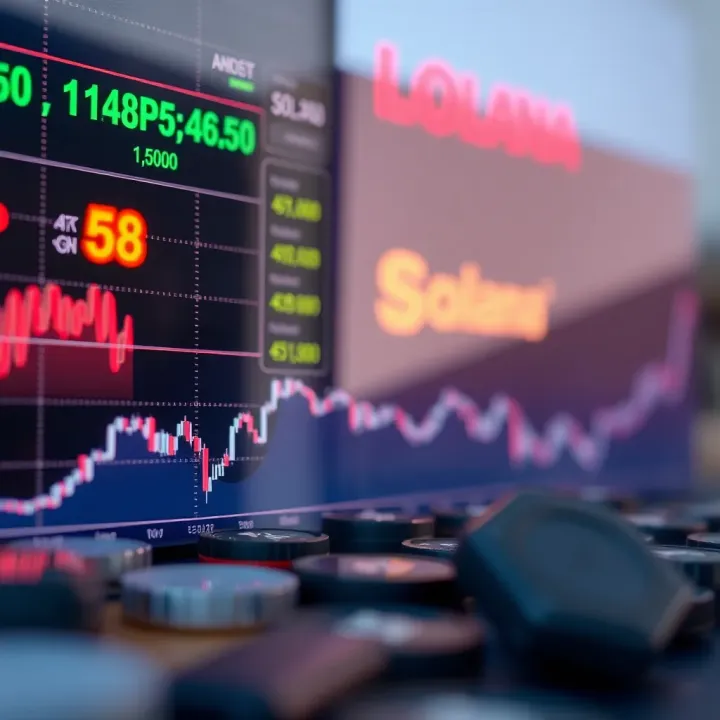
Tracking Solana's price here means monitoring both its rate on major global exchanges and the premium or discount it may carry on Pakistani trading platforms. Due to market volatility and liquidity differences, prices on local exchanges like Binance Pakistan, Okx, or local peer-to-peer networks can show variance from international rates.
Pakistani investors should be aware that currency depreciation and exchange rate spreads can raise the effective cost of buying Solana compared to international peers.
For those interested in investing, understanding how to buy Solana safely within Pakistan is essential. Options typically include using platforms that accept PKR deposits through bank transfers or digital wallets like JazzCash and Easypaisa. Peer-to-peer platforms provide another avenue but come with increased counterparty risk.
Investors must also consider market risks, including the inherent volatility of cryptocurrencies, regulatory uncertainties from the State Bank of Pakistan (SBP), and broader economic challenges such as inflation and political instability. Despite those risks, Solana offers potential rewards through its growing ecosystem of decentralized applications (dApps) and non-fungible tokens (NFTs).
In summary, following Solana's price trends in Pakistan demands a combination of watching global market movements and keeping an eye on local economic and regulatory shifts. Knowing where and how to trade securely can help investors make informed choices in this fast-moving market.
Global crypto market trends affecting Solana
PKR-US Dollar exchange rate changes
Local regulations and their impact on crypto trading
Availability and reliability of Pakistani exchanges and wallet services
Risk management when investing in volatile cryptocurrencies
This article will expand on these themes to guide you through navigating the Solana market within Pakistan's unique financial environment.
Understanding Solana’s fundamentals is essential before analysing its price trends in Pakistan. This section lays out why Solana holds an important spot in the crypto market globally and locally, helping investors grasp the technology behind it and its practical impact. Knowing the blockchain’s features and market position sheds light on price movements and investment potential within Pakistan.
Solana is built for speed and low costs, using a unique consensus mechanism called Proof of History (PoH) combined with Proof of Stake (PoS). This design enables Solana to process around 65,000 transactions per second, which is significantly higher compared to Bitcoin or Ethereum. For Pakistani investors, this means Solana could handle large-scale applications like DeFi platforms or gaming without massive transaction fees, which are common pain points on older blockchains.
This blockchain supports smart contracts and dApps (decentralised applications), opening up opportunities for developers and businesses worldwide. Pakistani startups exploring blockchain solutions can benefit from Solana’s scalability and speed, making it a practical choice for real-world adoption.
While Bitcoin is often called digital gold and Ethereum is known for pioneering smart contracts, Solana offers a balance between speed and utility. Unlike Bitcoin's PoW system, which is energy-heavy and slower, Solana’s PoH reduces network confirmation times, translating to quicker transactions. Compared to Ethereum, Solana’s fees are way lower, which can attract users in Pakistan who are price sensitive due to currency fluctuations.
That said, Solana still faces challenges, such as occasional network outages, but its ability to scale efficiently keeps it competitive. For investors, this positions Solana as a distinct alternative to consider alongside more established coins.
Solana has consistently ranked in the top 10 cryptocurrencies by market capitalisation during peak times, reflecting strong investor interest. Its market cap soared as institutional investors took note of its technological advances and strong developer ecosystem. However, it has shown volatility typical for emerging blockchain projects.
Pakistan's crypto market often mirrors global trends, so shifts in Solana’s global valuation directly affect local prices. For example, a big move in the US or Europe markets tends to ripple into Pakistan’s peer-to-peer and exchange prices within hours due to synchronized trading across platforms.
Globally, Solana supports various applications including NFT marketplaces, DeFi protocols, and Web3 projects. These use cases have expanded its adoption beyond simple token trading, giving its coin intrinsic utility value. Pakistani developers and entrepreneurs watching this space can spot opportunities to participate early in sectors like NFTs or decentralized finance.
On top of that, Solana's partnerships with well-known players build trust and credibility, encouraging more users and investors worldwide. This global adoption informs how confident Pakistani investors should feel about Solana’s long-term prospects.
Understanding both the technological strengths and market footprint of Solana helps Pakistani traders and investors make informed decisions about including it in their portfolios, aware of its unique characteristics and position in the global crypto arena.
Tracking Solana's current price trends in Pakistan helps investors make better decisions by understanding both local and global movements. Since crypto markets react differently here due to factors like currency fluctuations and exchange availability, keeping an eye on Solana prices in Pakistan itself is more practical than relying solely on global charts.
Solana’s price in Pakistan often mirrors global trends but can show notable differences due to local currency exchange rates and demand-supply dynamics on Pakistani platforms. For instance, during global rallies, Pakistani prices sometimes rise slightly higher than international rates because of increased buying interest and limited local liquidity. On the flip side, when the global market dips, local prices may fall more sharply due to Pakistan’s sensitive rupee exchange rate against the US dollar.
Pakistani exchanges play a vital role in shaping Solana’s local price movement. Platforms like Binance (accessible via VPN), LocalBitcoins, and peer-to-peer services often set the local market tone by determining liquidity and transaction speed. Since direct regulation remains unclear in Pakistan, these exchanges typically face challenges with fiat deposits and withdrawals, occasionally causing price gaps compared to global spots. Still, they provide an essential bridge for Pakistani traders wanting direct access to Solana.
Bitcoin and Ethereum dominate Pakistan’s crypto market, often setting benchmarks for other coins like Solana. While Bitcoin leads as a store of value, Ethereum’s smart contract ecosystem complements Solana's faster and cheaper transactions. This makes Solana attractive to investors looking for alternatives to Ethereum’s higher fees. For example, Pakistani crypto communities actively discuss Solana's ability to process transactions within seconds at much less cost, which sometimes pushes demand beyond Bitcoin and Ethereum during active market phases.
Besides the giants, other coins like Cardano and Polkadot also compete for investor attention. However, Solana's newer technology and real-world adoption in DeFi and NFTs keep it distinct. Investors tracking Solana price trends in Pakistan often compare it with Bitcoin and Ethereum to gauge market sentiment and potential shifts toward emerging blockchains.
Watching Solana’s price movements alongside Bitcoin and Ethereum helps Pakistani investors spot opportunities and risks unique to their local market conditions.
This understanding equips traders and analysts with practical insights, allowing them to adjust strategies effectively within Pakistan’s crypto landscape.
Understanding the factors shaping Solana's price in Pakistan helps investors make informed decisions. Since Solana operates in both global and local markets, its value reflects a mix of worldwide trends and Pakistan-specific conditions. Focusing on these factors clarifies why Solana’s price may move differently here than elsewhere.
International demand and supply significantly affect Solana’s price worldwide, and Pakistan is no exception. For example, when global interest in Solana-based decentralized applications (dApps) grows, demand for SOL tokens rises, pushing prices up. Conversely, increased token supply through staking rewards or protocol incentives can put downward pressure on prices. Traders in Pakistan often track these global supply-demand patterns through international exchanges as local crypto trading volumes might be limited.
Regulatory developments worldwide play a crucial role in shaping market sentiment toward Solana. News about bans or tighter regulations on cryptocurrencies in major economies like the US or China can cause sudden price drops globally, impacting buyers and sellers in Pakistan too. On the flip side, regulatory clarity—such as crypto-friendly policies in Europe or the Middle East—can boost investor confidence and raise Solana’s value. Pakistani investors should stay updated on such international rulings as these often trigger swift global market reactions.
Currency exchange rates impact Solana price in Pakistan directly through the Pakistani Rupee (PKR) to US Dollar (USD) conversion. Since SOL is traded internationally in USD, a depreciation of PKR increases the local currency price for the same token amount. For instance, if the PKR weakens against the dollar, you might see a rise in Solana price quoted in PKR even if global USD prices stay flat. This exchange rate sensitivity adds an extra layer of risk and opportunity for Pakistani traders.
Regulatory environment and government stance affect Solana’s adoption and price in Pakistan. The absence of clear crypto regulations often deters institutional participation and discourages local exchange listings, limiting liquidity. Recent cautious government announcements mean investors face uncertainties, which generally keep prices volatile. Still, positive discussions about crypto regulation or tax frameworks could encourage wider adoption and stabilize market activity.
Influence of remittances and foreign investment also plays an indirect role in Solana’s price in Pakistan. Pakistan receives billions in remittances annually, some of which enter the crypto space via platforms like JazzCash or Easypaisa. These foreign inflows can increase demand for digital assets including Solana, especially among tech-savvy younger investors. Moreover, as Pakistan sees growing foreign venture capital interest in crypto startups, it helps improve overall market sentiment, which can positively influence token prices locally.
Investors need to watch both global movements and local developments closely since each can swing Solana’s price sharply within Pakistan’s unique economic landscape.
International crypto news affect buying patterns here.
PKR-USD exchange fluctuations impact local price offers.
Government policy signals influence investor confidence.
Remittances and foreign investment add liquidity and demand.
Keeping an eye on these factors will help Pakistani investors navigate Solana’s price volatility more effectively.
For Pakistani investors, knowing how to buy and track Solana is essential due to the volatile nature of the crypto market and the unique local conditions affecting it. Understanding reliable platforms and price monitoring tools helps minimise risks and make timely investment decisions.
Even though Pakistan's regulatory stance remains cautious on cryptocurrencies, several international exchanges still serve Pakistani users. Platforms like Binance and KuCoin allow Pakistanis to create accounts, trade Solana (SOL), and withdraw funds through various payment methods. These exchanges offer relatively high liquidity and competitive fees, which suit active traders.
However, directly depositing Pakistani Rupees (PKR) is often impossible as local banks do not officially support crypto transactions. Thus, many users first convert PKR to stablecoins like USDT via peer-to-peer methods before investing. This indirect approach adds complexities but remains popular among local investors.
Given banking restrictions, peer-to-peer (P2P) trading has gained traction in Pakistan. Platforms like Binance P2P and local Facebook groups enable buyers and sellers to exchange Solana with PKR through direct bank transfers, Easypaisa, or JazzCash. This method bypasses conventional exchanges and facilitates smoother PKR to crypto conversions.
P2P trading requires extra caution; verifying counterparty credibility and transaction security is key. Still, it offers flexibility and access to Solana for Pakistanis who face limitations with formal exchanges.
Monitoring Solana's price in real time is crucial, especially because Pakistani market hours and currency fluctuations can differ from global trends. Popular apps like CoinMarketCap, CoinGecko, and Binance's mobile app provide live SOL prices in PKR and other currencies, alongside historical price charts.
These tools alert you to sudden price changes and market news, helping investors react quickly. Checking prices through apps also reduces reliance on less reliable sources or volatile social media updates.
Pakistani crypto communities on platforms like Telegram, Twitter, and WhatsApp play a vital role in sharing market insights, alerts, and discussions specific to the local context. Groups often discuss exchange issues, P2P trading tips, and government policies impacting Solana and other cryptocurrencies.
Engaging with these communities lets investors stay updated on rapidly evolving regulatory news and avoid scams or frauds that are unfortunately common. Still, users should verify information carefully to avoid misinformation.
Keeping close tabs on where and how you buy Solana, plus realtime price tracking, helps Pakistani investors navigate the tricky crypto environment with more confidence.
By choosing the right buying platform and active price monitoring methods, Pakistani investors can better manage their Solana investments amid regulatory uncertainties and market volatility.
Investing in Solana presents several risks and considerations that Pakistani investors should carefully evaluate. Understanding these factors helps manage expectations and avoid potential pitfalls. Pakistani investors face unique challenges arising from both the global cryptocurrency market volatility and local regulatory uncertainties.
Price stability challenges: The price of Solana, like other cryptocurrencies, can change rapidly within short periods. This volatility stems from global market sentiment, technological developments, and speculative trading. For example, a positive update on Solana’s network could send prices soaring but equally quick negative news or market sell-offs might cause sharp drops. Such fluctuations present a challenge for investors seeking stable returns.
In Pakistan, this instability becomes more complex due to currency exchange rate fluctuations between the Pakistani Rupee (PKR) and US Dollar (USD). Since Solana is mostly traded against USD, local investors might see additional gains or losses when converting their holdings back to PKR, adding another layer of risk.
Impact on investment portfolios: Due to its unpredictable nature, Solana's price swings can heavily affect overall investment portfolios. If someone allocates a large portion of their capital to Solana without adequate diversification, a sudden downturn could drastically reduce their portfolio value.
Smart investors in Pakistan usually limit cryptocurrency exposure to a modest percentage of total investments. Including other assets like stocks, fixed income, or real estate — which move independently of crypto markets — helps balance the risk. Notably, during the last few months, many Pakistani investors experienced losses when Solana prices plunged alongside Bitcoin and Ethereum, showing how interconnected crypto assets are in terms of volatility.
Regulations affecting crypto trading: Pakistan’s regulatory environment around cryptocurrencies remains unclear and somewhat restrictive. Although the State Bank of Pakistan (SBP) does not officially recognise cryptocurrencies as legal tender, crypto trading continues informally with many investors using peer-to-peer platforms or foreign exchanges.
This lack of official regulation raises issues such as difficulty in accessing banking services for crypto transactions, potential legal risks in case of government crackdowns, and no formal consumer protection in disputes. For instance, some Pakistani traders have faced problems transferring funds due to banks blocking crypto-related payments unexpectedly.
Risks of fraud and scams specific to Pakistan: The relative novelty of crypto and lack of clear guidelines have opened doors for scams tailored to Pakistani investors. Common issues include fake investment schemes promising guaranteed returns, phishing attacks targeting crypto wallets, and impersonation scams on social media.
A frequent fraud method involves fraudulent crypto investment groups on WhatsApp or Facebook, where scammers lure victims to send Solana tokens or PKR with promises of doubling their money, only to vanish. This issue highlights the importance of thorough due diligence, using trustworthy platforms, and avoiding deals that sound too good to be true.
Investors should always verify platform credibility and stay updated on local regulations before engaging in Solana trading to protect their investments.
In short, while Solana offers interesting investment opportunities, Pakistani investors must be mindful of price risks, legal uncertainties, and security threats to make informed decisions and safeguard their funds.
Stay ahead with our detailed analysis of gold price trends in Pakistan 🏆 Understand economic impacts, government policies, and market shifts before investing wisely.
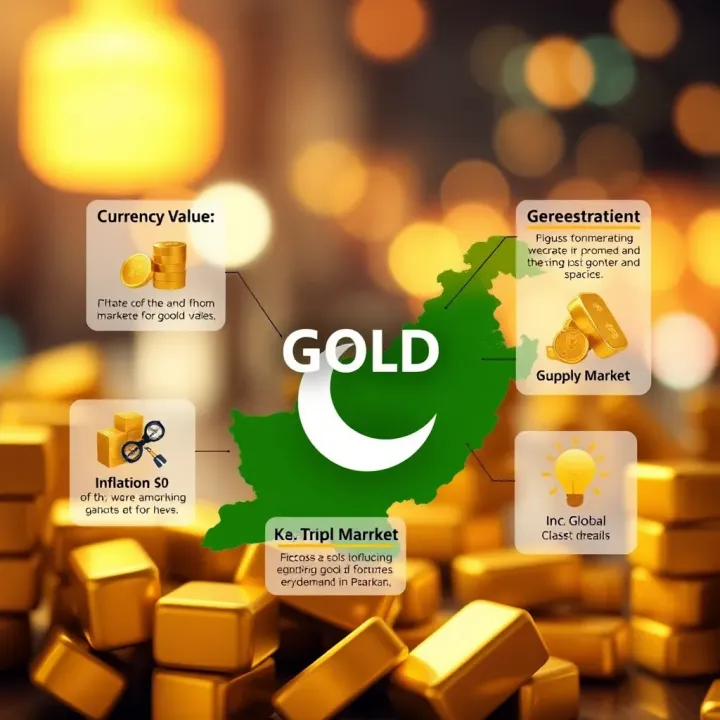
📈 Explore Pakistan's gold price trends and key drivers like rupee value, inflation, and global factors. Get insights and tips for smart gold investment today.
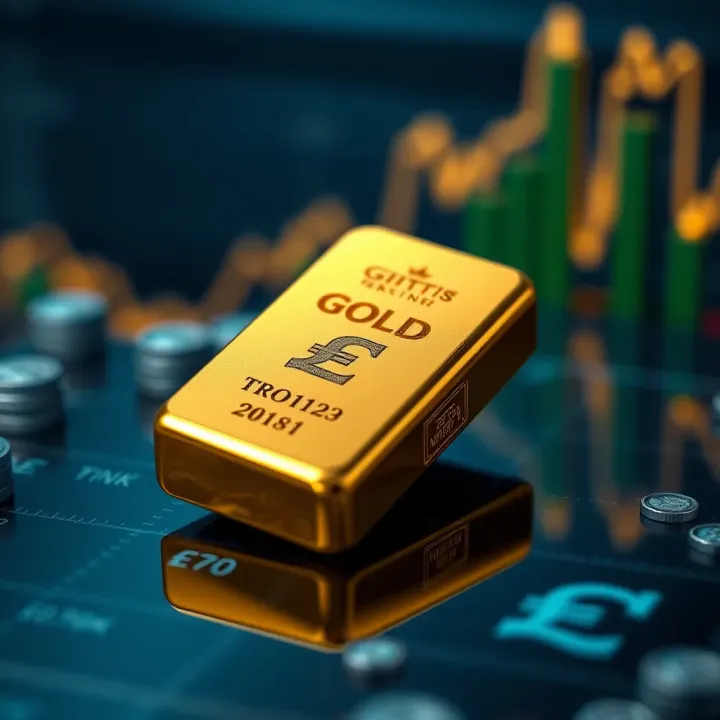
📈 Discover how economic trends, market demand, and geopolitical events shape gold prices in Pakistan. Get insights on what investors and consumers should expect soon.
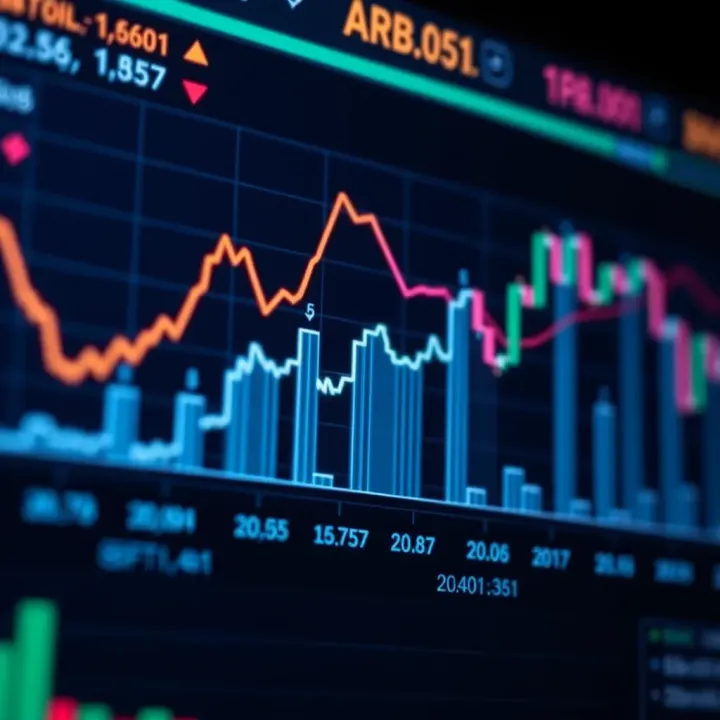
📊 Explore ARB Coin price trends, tech breakthroughs, and economic factors affecting its value. Stay informed for smarter investments in Pakistan! 💰
Based on 10 reviews