
Gold Price Forecast in Pakistan: Trends and Insights
📈 Discover how economic trends, market demand, and geopolitical events shape gold prices in Pakistan. Get insights on what investors and consumers should expect soon.
Edited By
Edward Hughes
Gold has been a reliable store of value in Pakistan, especially during times of economic uncertainty. Traders, investors, and finance analysts often keep a close eye on gold prices because they reflect wider economic dynamics—from currency swings to inflation trends.
In Pakistan, the gold market is influenced by unique local factors in addition to global trends. The Pakistani rupee’s volatility against the US dollar, domestic inflation rates, and political developments all sway gold prices here. For example, when the rupee weakens, gold prices in local currency usually rise since gold is priced internationally in dollars.
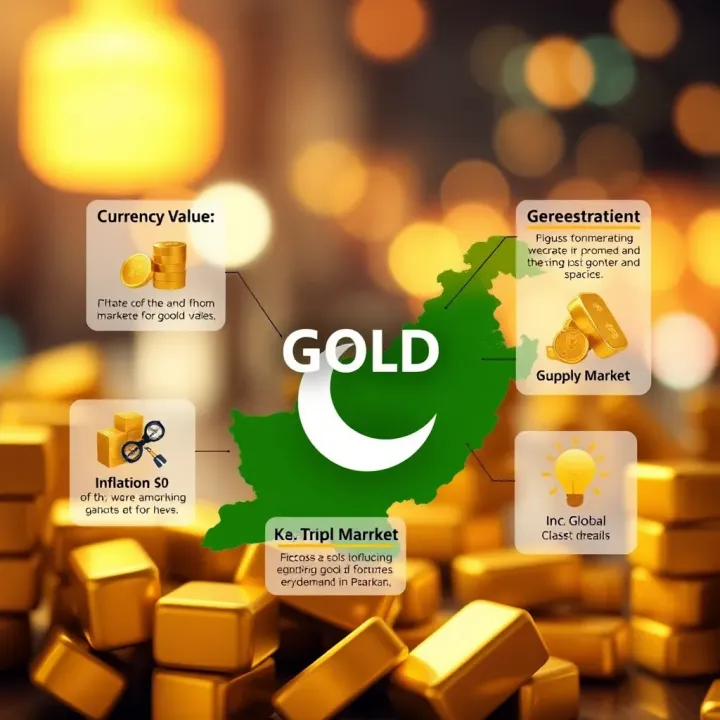
Gold often acts as a hedge against inflation and currency depreciation, making it a favoured asset in Pakistan's fluctuating economy.
Understanding historical price movements helps investors spot patterns that point to future changes. The rising global demand from countries like India and China also affect Pakistan’s gold market since it shares similar consumption habits.
This article will break down the key drivers behind gold price fluctuations in Pakistan and predict trends based on economic indicators. We’ll also touch on how government policies, such as import duties and taxes, impact gold's accessibility and price in the local market.
Finally, practical advice for investors on the best ways to buy and hold gold in Pakistan will be discussed. Whether you trade gold on the Pakistan Mercantile Exchange or prefer physical gold jewellery, knowing when and how to invest is vital.
By the end, you’ll have a clearer grasp on how global and local forces shape gold prices in Pakistan and what that means for your investment decisions.
Tracking recent trends in gold prices is vital for anyone invested in Pakistan’s market, from traders to financial analysts. Understanding where gold has been over the past months helps predict where it might head, especially in a country like Pakistan where currency and economic volatility influence the precious metal’s value deeply.
Gold prices in Pakistan have experienced significant fluctuations over recent years, reflecting both domestic challenges and global market shifts. For instance, during the monetary crisis of 2022, prices surged past Rs 200,000 per tola as the Pakistani rupee weakened sharply against the US dollar. This volatility is not unusual given Pakistan’s exposure to inflation and political uncertainty. However, short-term spikes often pull back quickly when government policies or monetary interventions stabilise the currency.
This pattern is unlike typical stock market moves — gold tends to react strongly to economic uncertainty, making it a safe haven during shaky times. Traders should note that volatility in gold prices also correlates with international bullion rates, but local factors often amplify price swings.
Gold prices in Pakistan often shadow global trends but also diverge due to local currency changes and demand patterns. For example, while global bullion prices remained relatively steady in early 2024, Pakistan saw sharper price moves owing to rupee depreciation and festival demand during Ramazan and Eid.
Comparing Pakistan with its neighbours reveals interesting contrasts: India, with its vast gold import market, often experiences tighter spreads influenced by import duties and rupee fluctuations. Pakistan’s gold market is smaller but highly responsive to the same global cues. Meanwhile, Middle Eastern gold markets reflect different dynamics such as oil price fluctuations impacting purchasing power.
Keeping a close eye on regional and global prices alongside domestic trends can provide investors a clearer picture for timing their gold purchases or sales.
Pakistan’s gold price volatility is intertwined with the rupee’s strength and inflation trends.
Local demand peaks during cultural events can push prices beyond international trends.
Regional variations stem from differing import duties, currency policies, and consumption habits.
By understanding these recent trends, investors, brokers, and analysts can better navigate Pakistan’s gold market amid its unique economic twists and turns.
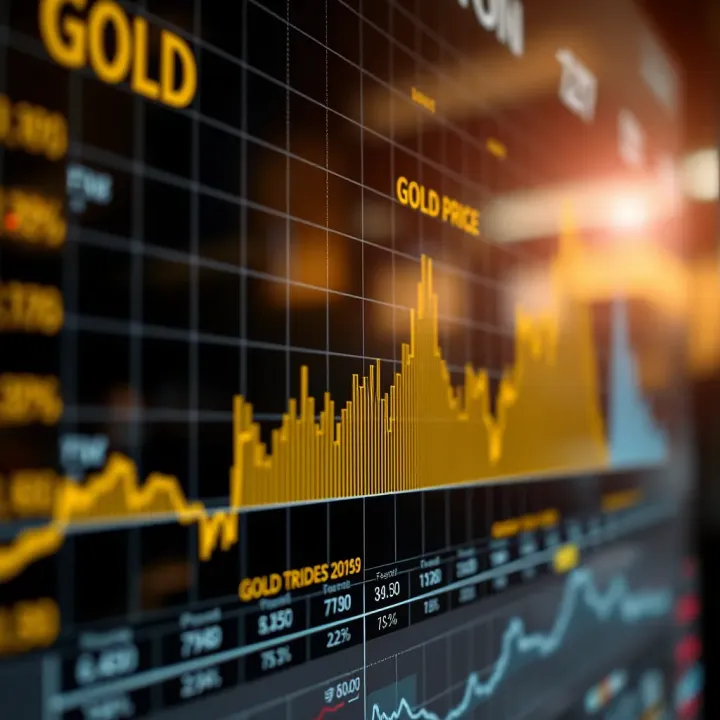
Gold prices in Pakistan do not move in isolation; a handful of key factors shape their direction daily. Understanding these elements helps investors and traders make informed decisions, especially given the country's unique economic landscape. Three major drivers stand out: fluctuations in the Pakistani rupee exchange rate, inflation combined with monetary policy, and global market trends alongside geopolitical events.
The Pakistani rupee’s value against the US dollar plays a direct role in domestic gold prices. Since gold is priced internationally in dollars, a weaker rupee means higher local prices to buy the same amount of gold. For example, when the rupee slipped from 150 to 160 against the dollar, the price of gold in Karachi’s markets surged noticeably. Traders often watch exchange rate trends closely; a sudden depreciation usually signals gold price hikes soon after.
This link is especially strong in Pakistan due to heavy gold imports and remittance inflows influencing dollar demand. Moreover, local jewellers keep a close eye on currency moves to adjust retail prices promptly, often within days or even hours. Those investing or trading gold should keep tabs on the rupee’s performance, as exchange rate volatility can quickly eat into profits or raise buying costs.
Inflation reduces the purchasing power of money, driving people to seek assets perceived as safe stores of value—gold fits this role well. Pakistan has experienced rising retail inflation rates, which often coincide with increased domestic demand for gold bars and jewellery. When inflation hits double digits, gold buying tends to rise as people try to shield savings.
The State Bank of Pakistan’s (SBP) monetary policy also affects gold prices. For instance, when SBP raises interest rates to control inflation, it usually strengthens the rupee and cools gold demand a bit because fixed-income returns become more attractive. Conversely, lower rates reduce bond yields and encourage investors to move funds into gold. Investors should track SBP announcements and inflation reports as these provide clues to gold price momentum.
Gold is a global commodity influenced heavily by international developments. Conflicts, trade wars, or economic uncertainty boost gold’s appeal as a safe haven. For example, the Ukraine-Russia conflict caused gold prices worldwide to spike, which Pakistan also felt despite local economic pressures.
Similarly, decisions by the US Federal Reserve over interest rates ripple through global markets. If the Fed signals rate hikes, gold usually dips as dollar assets become more lucrative. However, unexpected geopolitical tensions often reverse this trend swiftly.
For Pakistani investors, keeping an eye on global headlines alongside regional developments—such as tensions in the Middle East or shifts in China’s economy—helps anticipate gold’s moves better. Besides politics, global supply disruptions from major mines or changes in demand from countries like India also influence prices.
Understanding these three main factors aids investors and analysts in navigating Pakistan’s gold market wisely, balancing local economic signals with worldwide forces.
Predicting gold prices in Pakistan is essential for investors and traders to make informed decisions amid economic uncertainties. Gold acts not only as a hedge against inflation but also as a safe asset when the Pakistani rupee fluctuates sharply. Accurate forecasts help manage risks and maximise returns, especially given Pakistan’s exposure to global economic shifts and local monetary policies.
In the short term, gold prices in Pakistan are expected to experience moderate volatility. The rupee's recent depreciation against the US dollar, hovering near Rs 285, has pushed gold prices upward. For example, during the past quarter, a Rs 3 drop in the rupee value translated to about a Rs 500 increase in gold price per tola. Additionally, current inflation rates around 13% heighten demand for gold as a store of value. However, there are pressures on prices from cautious global central banks tightening monetary policy to curb inflation, which may limit sharp rises. For traders, this means watching daily currency movements and inflation reports is crucial to time short-term trades effectively.
Looking beyond the immediate horizon, gold's appeal will likely strengthen if Pakistan’s economic challenges persist. Persistent inflation, fiscal deficits, and external debt pressures could keep the rupee under stress, maintaining gold’s role as a hedge. Moreover, geopolitical tensions affecting global markets often boost gold demand worldwide, indirectly impacting Pakistan’s prices. For instance, past spikes during regional conflicts show gold prices climbing noticeably in local markets. Conversely, improvements in Pakistan’s economic stability, such as reforms boosting exports and foreign investment, could temper gold price growth. Therefore, investors seeking long-term holdings should monitor macroeconomic policies and geopolitical risks closely, while considering the typical 5-10% annual price increase gold has demonstrated historically in Pakistan.
Understanding both short-term fluctuations and the long-term economic backdrop is key for gold investors in Pakistan to manage timing and risk, ensuring they navigate the market with realistic expectations.
By focusing on practical data like rupee rates and inflation trends, plus keeping an eye on global events, investors can prepare for price movements and adjust their strategies accordingly.
Investing in gold has always attracted Pakistanis as a safeguard against economic uncertainty. Yet, before diving in, it’s key to understand practical aspects that affect returns and security. From choosing the right investment form to timing your purchase, these considerations shape your overall outcome.
Physical gold remains the preferred choice among Pakistani investors, especially in the form of jewellery and bars. Jewellery offers both aesthetic and investment value but typically comes with making charges, which can reduce overall profitability on resale. For example, a 10-gram gold necklace bought for Rs 120,000 may include Rs 10,000 in making charges that aren’t recoverable.
Alternatively, gold bars and coins provide purer investment exposure with lower additional costs. Banks and authorised dealers in major cities like Karachi, Lahore, and Islamabad offer certified bars, which investors can store at home or in bank lockers.
Digital gold platforms, such as those offered by local fintech companies, give investors a convenient option without physical handling risks. These allow buying gold in small quantities with instant liquidity through app-based trading, though they may carry management fees and rely on third-party custodians.
Gold acts as a hedge against currency depreciation in Pakistan, particularly when the rupee weakens sharply against the dollar. Historically, during periods of high inflation or political instability, gold prices rise as demand increases.
However, the risks include price volatility influenced not only by global metal markets but also by local policy changes like import duties or sales taxes (SROs). Sudden changes in government regulations can affect gold availability and pricing.
Another risk is the danger of counterfeit jewellery or uncertified bars, especially in smaller bazaars or unregulated dealers. Investors should always seek reputable sellers and verify certification to avoid losses.
Timing gold purchases around local and religious events can influence price benefit. For instance, prices typically surge ahead of Eid and wedding seasons due to increased demand. Buying during off-peak months such as June or July may provide cost advantages.
Monitoring the Pakistani rupee’s exchange rate against the US dollar is practical. A weaker rupee usually pushes gold prices higher, so purchasing gold when the rupee strengthens offers a better entry point.
Investors should also avoid panic buying during sharp price spikes. Instead, spreading purchases over a few months helps average costs and reduces exposure to sudden drops.
For investors in Pakistan, understanding both the local economic context and global gold dynamics is essential for making smart choices and protecting capital effectively.
This section addresses common concerns and doubts many investors, traders, and analysts have about gold prices in Pakistan. Gold is a popular investment and means of preserving wealth here, but understanding its price movements can be tricky. By discussing these frequently asked questions (FAQs), the article provides practical insights to help you make smarter decisions about buying or selling gold.
Gold price forecasts depend on a mix of global economic indicators, currency fluctuations, and geopolitical events. While no forecast can predict the future with complete accuracy, they do offer useful guidance based on patterns and current data. For example, if the Pakistani rupee weakens against the US dollar, forecasts tend to anticipate a gold price rise. However, sudden political unrest or unexpected monetary policy shifts can quickly change the picture. So, forecasts should be considered as one tool among others, not a guaranteed prediction.
Gold often serves as a hedge against currency depreciation, especially in countries like Pakistan where the rupee can be volatile. When the rupee loses value, gold prices in local currency typically rise, helping investors protect their purchasing power. For instance, during periods of rupee depreciation last year, gold prices moved up significantly, providing a safe haven for many. That said, gold prices also respond to global demand, inflation trends, and interest rates. So, while gold can shield you from currency risks partly, it’s not a perfect shield on its own.
Staying updated with the latest gold rates is vital if you trade or invest actively. Reliable sources in Pakistan include financial newspapers like "Business Recorder" and websites of major banks such as HBL and MCB, which show daily gold rates based on international prices and local market demand. Jewellery marts in cities like Karachi and Lahore also publish real-time rates reflecting local premiums. Mobile apps like JazzCash and Easypaisa now provide daily gold price updates, making it easy to monitor prices on the go. Checking multiple sources helps ensure you get accurate and current rates before making transactions.
Keeping these FAQs in mind will help you navigate the gold market in Pakistan more confidently, combining forecasts with real-time data and practical understanding of the local economic context.
📈 Discover how economic trends, market demand, and geopolitical events shape gold prices in Pakistan. Get insights on what investors and consumers should expect soon.
📈 Stay ahead with today's gold price forecasts in Pakistan! Discover key economic updates, global influences, and local demand insights to guide your trades.
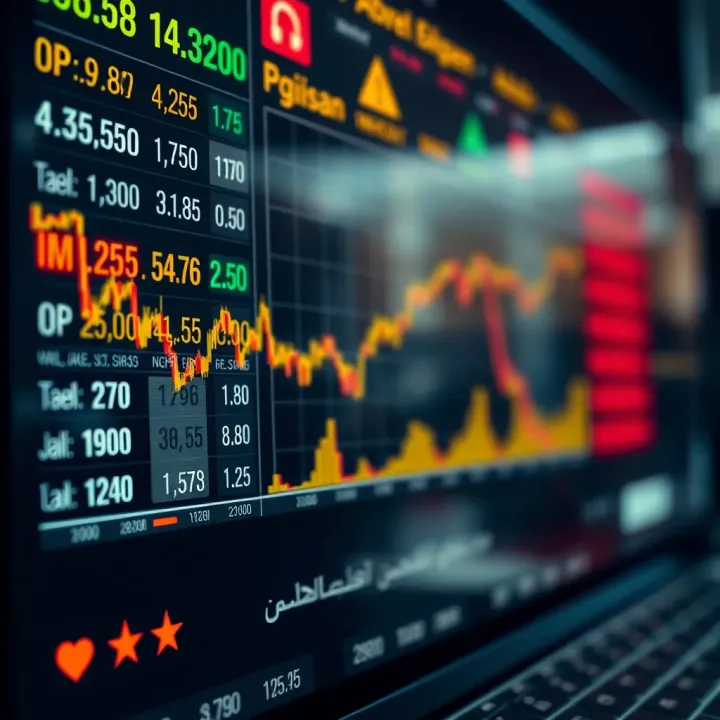
📈 Get a detailed forecast of gold prices in Pakistan with insights on economic trends, rupee impact, govt policies, and expert tips for smart investing in 2024.
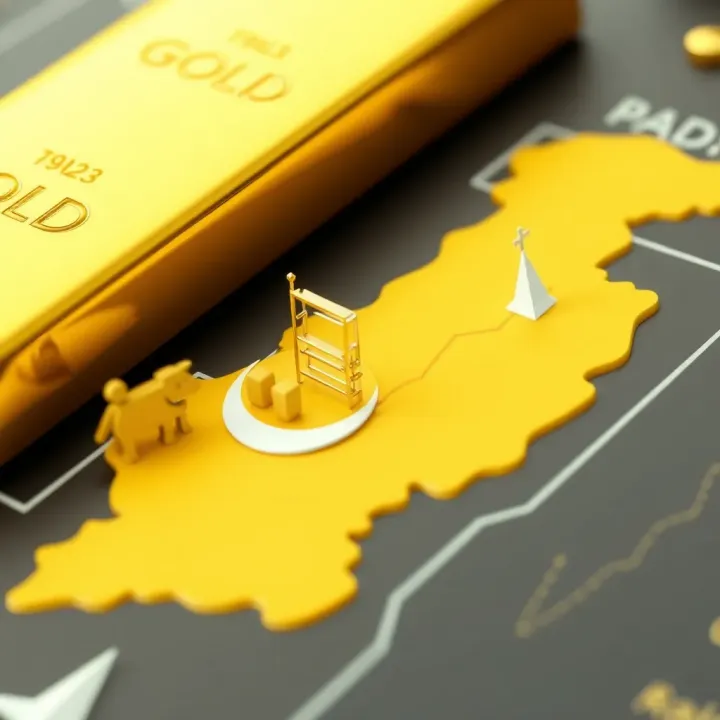
📈 Expect detailed gold price trends for next month in Pakistan with insights on economic indicators, geopolitical shifts, currency moves, and local demand factors.
Based on 11 reviews