
Gold Price Forecast in Pakistan: Trends and Insights
📈 Discover how economic trends, market demand, and geopolitical events shape gold prices in Pakistan. Get insights on what investors and consumers should expect soon.
Edited By
Daniel Price
Gold has always held a special place in Pakistan's economy and culture, serving not only as a traditional store of value but also as an investment hedge amid financial uncertainties. In recent years, fluctuations in the Rupee-dollar exchange rate, changes in government policies, and global economic shifts have made monitoring gold prices more essential for investors and traders.
Understanding the factors that drive gold prices in Pakistan provides valuable insights into market movements. The Rupee's depreciation against the US dollar tends to push local gold prices higher since gold is imported and priced in dollars. For example, when the Rupee weakened by over 10% last year, gold prices in Karachi and Lahore reacted accordingly, climbing by nearly Rs 5,000 per tola.
Government regulations, including import duties and taxes set by the Federal Board of Revenue (FBR), also impact gold affordability and demand. In recent policy adjustments, an increase in customs duties has slowed down gold imports temporarily but cushioned the local market against volatile price drops. Traders and investors must stay updated on such policy changes as they directly affect supply and pricing.
Globally, gold responds to factors such as geopolitical tensions, inflation rates, and interest rate decisions by major central banks, notably the US Federal Reserve. Rising global inflation generally leads to higher gold prices as investors seek safe assets. Pakistan investors keen on gold should watch these international influences closely, alongside local economic indicators like State Bank of Pakistan (SBP) monetary policies and inflation data.
For investors in Pakistan, gold remains a strategic asset. By tracking currency trends, policy shifts, and global economic signals, you can make smarter decisions about when to buy or sell.
In this article, we will break down recent price trends, analyse economic factors affecting the gold market in Pakistan, and provide practical advice tailored to traders, brokers, and finance professionals. Our focus is to equip you with clear, actionable information that respects Pakistani market dynamics and helps you navigate this complex yet rewarding sector.
Understanding the current state of gold prices in Pakistan is vital for anyone involved in trading, investment, or financial analysis. This section provides a snapshot of recent price behaviour, helping you gauge market sentiment and plan your actions wisely. Knowing where prices stand now helps contextualise forecasts and reveals how local and global factors intertwine.
Fluctuations in the past year have been quite noticeable, mainly driven by changes in the Pakistani rupee’s value and global economic shifts. For example, when the rupee weakened against the US dollar in the latter half of 2023, gold prices saw a sharp uptick. Conversely, brief periods of rupee stability brought short-lived gold price plateaus. Tracking these swings helps traders time their moves better.
Comparison with previous years shows a broader pattern of gradual price increase, reflecting inflation and growing demand from investors wary of currency risks. Unlike 2021 or 2022, when prices remained relatively stable, 2023 faced more volatility due to political uncertainties and fluctuating import duties. This historical context indicates that gold is increasingly used as a hedge in Pakistan’s current economic climate.
Impact of local factors on prices can’t be overlooked. Loadshedding and seasonal demand spikes during festivals like Eid often push prices up. Also, supply chain delays through Karachi port and changes in customs policies have affected availability, occasionally causing retail price surges even when international spot prices remain steady. Such dynamics underline the complexity of Pakistan’s gold market.
Gold rates in major cities like Karachi, Lahore, and Islamabad differ slightly due to varying supply chain efficiencies and local demand levels. Karachi, being the main import hub, often sees rates closest to the international spot price with minimal markup. Lahore and Islamabad may have higher premiums due to transport and security costs. Knowing these differences helps investors pick sources and platforms offering better rates.
Role of jewellers and importers is central to setting retail prices. Importers gauge international prices and the rupee exchange before bringing gold in, while jewellers add margins covering craftsmanship and operational costs. In recent months, some large chains have started adopting digital pricing boards that update rates several times daily, reflecting real-time market conditions for buyers.
Spot price versus retail price distinction is crucial. Spot price represents international gold rates, quoted per gram or ounce, largely influenced by global markets. Retail price in Pakistan includes taxes, import tariffs, and dealer margins, often making it Rs 500–Rs 1,000 per gram higher than the spot price. For investors, understanding this gap prevents overpaying and aids in choosing the time and place for buying.
Keeping an eye on both spot and retail prices across cities allows informed decisions, ensuring you don’t pay extra due to locality premiums or timing.
This overview sets the stage for assessing gold prices in Pakistan, highlighting how global moves and local conditions create a unique market environment. Traders and investors should use these insights to navigate price fluctuations strategically.
Understanding the factors influencing gold prices is essential for anyone involved in trading or investing in Pakistan. These elements not only impact the market directly but also shape investor behaviour and pricing strategies. From global economic shifts to local policies, staying informed helps traders anticipate market movements and protect their investments.
International gold price movements play a critical role in shaping Pakistan's gold market. Since gold is traded globally in US dollars, any change in international prices reflects quickly on local rates. For instance, if gold prices rise in London or New York due to increased demand, Pakistan typically sees a corresponding price rise. Traders keep a close eye on international markets like COMEX because even minor global disturbances can lead to significant price swings locally.
The influence of the US dollar and inflation rates on gold prices is quite straightforward. Since gold is priced in dollars, a weaker US dollar usually pushes prices up. This happens because investors look to gold as a hedge when the dollar loses strength. In Pakistan, where the rupee's value is closely linked to the dollar, fluctuations in the greenback can lead to immediate changes in gold rates. Additionally, rising inflation globally often drives investors towards gold, hoping to protect their money from devaluation.
OPEC decisions and global commodity markets indirectly affect gold prices by influencing economic stability and investor sentiment worldwide. When OPEC cuts oil supply, oil prices tend to rise, increasing inflation fears. Higher inflation pushes investors to gold as a safer asset. Though Pakistan is an oil importer, any shocks in the oil market can weaken the rupee, further pushing gold prices up locally. Therefore, OPEC’s moves, while not directly linked to gold, ripple through commodity and currency markets, thus impacting gold demand and pricing.
Currency exchange rates and rupee depreciation are perhaps the most immediate local factors affecting gold prices. Since Pakistan imports nearly all its gold, the cost in rupees rises when the currency weakens against the US dollar. For example, in recent months when the rupee slipped against the dollar, gold prices surged, making jewellery and investment gold more expensive for ordinary Pakistanis. Traders and investors should monitor exchange rates closely alongside global gold prices.
Political stability and policy decisions also influence market confidence and gold prices. Political uncertainty tends to drive investors towards gold as a safe haven, pushing demand and prices higher. Pakistan’s political climate, especially during election periods or times of policy shifts, often causes spikes in gold prices. Furthermore, government announcements related to trade or taxation keep traders alert as these can alter gold import dynamics significantly.
Import duties and tax regulations impact the affordability and availability of gold in Pakistan. Changes in customs duties or withholding taxes directly affect import costs, which retailers pass on to consumers. For example, an increase in customs duty by even a few percent can add thousands of rupees per tola, influencing buying decisions. Traders should stay updated with Federal Board of Revenue (FBR) and Securities and Exchange Commission of Pakistan (SECP) notifications to navigate the regulatory environment effectively.
Keeping tabs on these key factors helps everyone from brokers to investors make smarter choices, reducing risks and spotting opportunities in Pakistan’s gold market.
Forecasting gold prices in Pakistan is essential for investors and traders aiming to make informed decisions. Given the volatile nature of local currency and fluctuating global markets, having a clear forecast helps stakeholders anticipate price movements and plan purchases or sales more strategically. For instance, jewellers in Lahore often adjust their stock and pricing based on short-term predictions, while investment funds consider long-term outlooks to rebalance portfolios.
Expected movements over the next few months focus on how economic signals and market sentiment will likely influence gold rates. Typically, gold prices in Pakistan tend to rise when the Pakistani Rupee weakens against the US Dollar. Right now, experts expect a moderate uptick due to ongoing currency pressures and geopolitical tensions impacting commodity markets. Traders physically holding gold or digital gold units should watch these fluctuations closely, especially if planning to liquidate within the next quarter.
Seasonal factors and demand before festivals play a significant role in short-term price changes. Around Eid and the wedding season, demand for gold jewellery spikes sharply, usually pushing up retail prices by a noticeable margin. For example, during the last Ramazan and upcoming Eid ul-Fitr, jewellery markets in Karachi and Islamabad typically see increased buying activity as families invest in gold gifts. This seasonal surge temporarily tightens supply, impacting both spot and retail prices.
Effect of upcoming monetary policy announcements cannot be overlooked. The State Bank of Pakistan’s monetary policy can influence interest rates and liquidity in the market. If the SBP decides to increase policy rates, holding assets like gold—which does not yield interest—might seem less attractive, causing short-term price dips. Conversely, easing monetary conditions could increase gold’s appeal as a safe harbour, especially amid inflation concerns common in Pakistan’s economy.
Influence of economic recovery and growth prospects shapes the outlook over years rather than months. As Pakistan’s economy recovers post-pandemic and stabilises, consumer confidence usually grows, encouraging investments in assets like gold. However, if growth falters or inflation remains high, gold may continue to act as an inflation hedge, keeping demand and prices elevated over the long term.
Trends in global gold demand and supply also affect Pakistan’s prices. International shifts, such as increased gold buying by central banks or potential mining disruptions, can tighten supply globally, which tends to lift gold’s value everywhere, including Pakistan. For example, recent global moves by the US and China in their gold reserves directly reflect in Pakistan’s import costs and ultimately retail rates.
Potential impact of new market policies related to gold imports, taxation, or jewellery trade could either constrain or boost local prices. Should the government revise import duties or introduce stricter regulations, availability might drop and costs rise. On the other hand, easing tariffs or formalising gold market operations could make gold trading more efficient and competitive, potentially stabilising prices. Investors should monitor such policy announcements closely, as they directly influence market liquidity and risk.
Staying updated with both short and long-term price forecasts allows investors and traders in Pakistan to manage risks effectively and capitalise on market opportunities while navigating local economic challenges.
Understanding how investors and consumers can prepare helps to navigate Pakistan's fluctuating gold market intelligently. Proper preparation not only safeguards investments but also maximises returns amid uncertain economic winds. This section outlines practical strategies for both small-scale buyers and seasoned traders.
Buying physical gold versus digital gold: Pakistan’s gold market offers traditional physical gold and more recent digital options. Physical gold—such as jewellery, coins, or bars—provides a tangible asset but often involves higher premiums, storage challenges, and risks like theft. For instance, buying a 10-gram gold coin from a reputable jeweller often comes with additional making charges that inflate the cost.
On the other hand, digital gold platforms allow investors to buy and sell gold online in smaller quantities without handling the metal physically. This appeals especially to younger, tech-savvy investors who want convenience and liquidity. However, digital gold depends on trusted providers and involves counterparty risks. Therefore, deciding between physical and digital gold depends on your comfort with handling assets, liquidity needs, and trust in service providers.
Timing purchases to maximise value: Gold prices tend to fluctuate with both global factors and local demand, particularly around festivals like Eid or weddings when demand spikes. Buying before such peak seasons often leads to better prices. For example, investors who purchased gold in early Ramadan last year could avoid the premium surge seen closer to Eid-ul-Fitr.
Monitoring currency trends also helps; a weakening Pakistani Rupee against the US Dollar usually pushes gold prices higher locally. Keeping an eye on upcoming monetary policy decisions by the State Bank of Pakistan (SBP) can provide hints about price direction. Wise timing involves patience and market awareness rather than rushed buying.
Risks associated with gold investment in Pakistan: Gold investing isn’t risk-free. Price volatility can affect short-term gains. Additionally, local market factors like sudden changes in import duties, currency devaluation, and fluctuating demand influence prices heavily. Fraud remains an issue; counterfeit or substandard gold can lead to significant losses. Investors must consider these risks while balancing their portfolios and avoid putting all their savings into gold alone.
Recognising genuine gold and avoiding fraud: Given the prevalence of fake gold jewellery in some markets, checking authenticity is vital. Buyers should look for hallmark stamps, use acid testing kits, or ask for proper invoices and certificates. Practical experience helps too: real gold is heavier and has a distinct colour that doesn't fade easily. If a deal sounds too good to be true, it probably is.
Checking purity standards and certifications: Gold purity is measured in karats, with 24K being pure gold. Pakistan’s standard often follows 22K for jewellery. Always confirm the purity on certification documents or invoices. The Pakistan Standards and Quality Control Authority (PSQCA) marks or hallmarking provide official confirmation. Avoid making purchases without these certifications as they protect you from adulterated or low-quality gold.
Using trusted jewellers and official channels: Buying from well-known jewellers with verifiable reputations reduces risk substantially. Established stores in big cities like Karachi, Lahore, or Islamabad usually maintain better standards and offer after-sales services. Official channels or licensed digital gold platforms vetted by the Securities and Exchange Commission of Pakistan (SECP) ensure greater security. Always insist on receipts and detailed purchase documents to keep your investments protected.
Preparing effectively means balancing informed buying with cautious risk management. Whether you are purchasing a few grams as savings or investing crores, understanding these practical lessons goes a long way in Pakistan’s gold market.
Government policies and regulations directly shape the gold market in Pakistan, influencing prices, availability, and investment dynamics. For traders and investors, understanding customs duties, taxation, and regulatory frameworks is crucial as these factors often add implicit costs or affect market confidence.
Currently, Pakistan levies customs duties on imported gold, affecting its landed cost. As of 2024, importers pay around 5% customs duty along with additional sales tax and regulatory charges. These levies raise the base price of gold before it reaches jewellers or investors, thereby pushing retail prices higher than international spot prices.
Recently, government changes to import policies have aimed to balance revenue generation and gold market stability. For instance, tightening import quotas or increasing tariffs in response to rising trade deficits has occasionally restricted gold supply. This affects price volatility, particularly when domestic demand spikes around festivals like Eid or weddings.
These regulatory adjustments impact availability by sometimes limiting gold imports temporarily. Traders may experience supply bottlenecks, which then translate into higher premiums in local markets. Consequently, the cost to consumers rises, as jewellers factor in import constraints and duty burdens.
Gold businesses in Pakistan face specific taxation rules under Federal Board of Revenue (FBR) guidelines. Traders are subject to withholding tax on gold sales and purchases, alongside standard income tax obligations. Compliance with these rules is necessary to avoid penalties, but the tax burden also marginally reduces profit margins for wholesalers and retailers.
FBR has also tightened reporting requirements to curb unregistered or informal gold trade. Traders must maintain proper documentation of transactions and submit periodic tax filings using the FBR’s online systems. This transparency aims to formalise the gold market, which historically involved cash transactions and occasional tax evasion.
Besides tax authorities, the Securities and Exchange Commission of Pakistan (SECP) plays a role in regulating larger gold business entities and ensuring anti-money laundering standards are met. Companies dealing in gold must register as per SECP rules to operate formally, adding a layer of credibility and consumer protection.
Awareness of regulatory changes helps investors and traders plan ahead, manage costs, and avoid legal risks in Pakistan’s gold market.
Understanding how customs duties, import regulations, and taxation shape gold prices and market behaviour is vital. By navigating these factors carefully, market participants can better adapt to price fluctuations and regulatory shifts affecting gold investments in Pakistan.
📈 Discover how economic trends, market demand, and geopolitical events shape gold prices in Pakistan. Get insights on what investors and consumers should expect soon.
📈 Stay ahead with today's gold price forecasts in Pakistan! Discover key economic updates, global influences, and local demand insights to guide your trades.
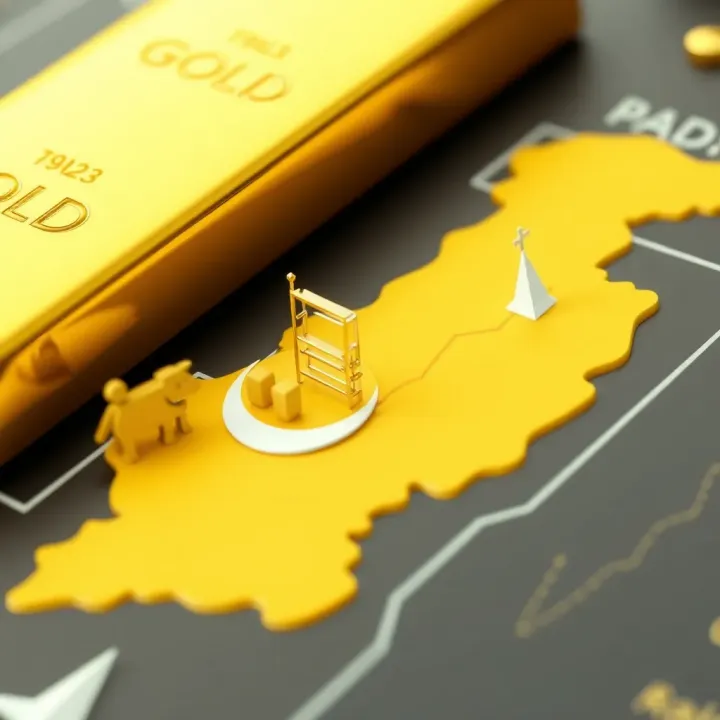
📈 Expect detailed gold price trends for next month in Pakistan with insights on economic indicators, geopolitical shifts, currency moves, and local demand factors.
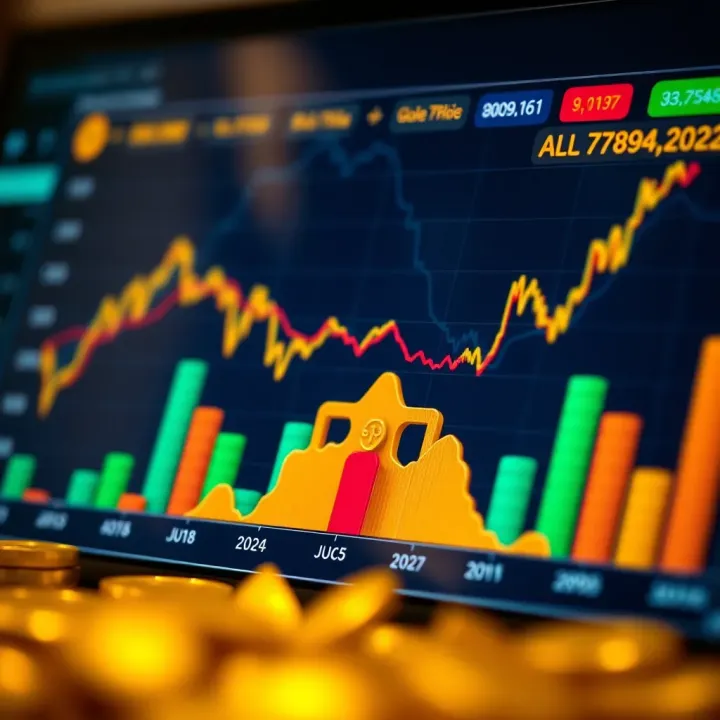
📈 Anticipate gold price trends in Pakistan for next 5 years with insights on inflation, rupee fluctuations, policies, and investment outlook for savvy buyers.
Based on 8 reviews