
Gold Price Forecast Today in Pakistan Market
📈 Stay ahead with today's gold price forecasts in Pakistan! Discover key economic updates, global influences, and local demand insights to guide your trades.
Edited By
Emily Carter
Gold prices in Pakistan are set for another interesting month ahead. Factors both from the local economic scene and international market shifts are coming together to shape what investors and traders may see at the bullion market. Understanding these drivers is key to making smarter decisions about buying or selling gold.
The State Bank of Pakistan’s recent monetary policy signals cautious optimism, with the policy rate expected to hold steady or see only a modest rise. This directly influences gold’s appeal as an investment because higher interest rates often push gold prices downward since returns on bonds and deposits become more attractive. However, ongoing inflationary pressures in Pakistan, especially following recent fuel price adjustments and electricity tariff hikes, maintain demand for gold as a hedge.
On the international front, the US dollar’s strength against the PKR plays a major role. If dollar gains persist due to upcoming US Federal Reserve announcements on interest rates, it could push gold prices higher globally but might add more pressure on the rupee, affecting local gold rates.
Tensions in the Middle East and the fallout from recent diplomatic developments could increase safe-haven demand for gold. Pakistan’s own political situation, ahead of upcoming elections, often prompts investors to shift to tangible assets like gold to safeguard value.
Then there’s the seasonal demand factor. Around Eid and wedding seasons, gold buying typically ramps up in Pakistan, which could push prices up locally even if global markets remain stable. Jewellery shops and local traders usually prepare inventory accordingly, influencing price trends in the domestic market.
Gold's price trajectory in Pakistan next month will largely hinge on a tight interplay between economic policies, currency moves, geopolitical tensions, and local demand spikes.
SBP policy rate expected to stay steady or increase slightly
Inflation and energy costs keep investment interest in gold alive
US dollar movements impact gold price both globally and locally
Geopolitical risks boost safe-haven demand
Eid and wedding season demand likely to drive up local prices
Knowing these influences will help traders, investors, and analysts anticipate market shifts and plan their gold-related strategies effectively for the month ahead.
Understanding the current gold market in Pakistan is key to making smart investment decisions next month. It offers a snapshot of where prices stand, what recent trends look like, and how local demand shapes supply. With gold popular not just as an investment but also for jewellery in Pakistan, tracking these elements closely can save investors from costly surprises.
Recent weeks have shown moderate fluctuations in gold prices within Pakistan, largely linked to changes in the PKR-USD exchange rate. For example, in late February 2024, the Pakistan Rupee weakened against the dollar, pushing gold prices up by Rs 600 per tola in local markets. Traders noticed more buying activity ahead of spring weddings, a traditional period for elevated demand. Meanwhile, gold prices had small dips during earlier months due to global economic uncertainty easing, reflecting cautious but steady local interest.
Domestic price changes often react sharply to foreign exchange dynamics because Pakistan imports nearly all its gold. So, even a slight PKR depreciation can add Rs 400 to Rs 700 to a tola's price within a week, as import costs pass on to customers.
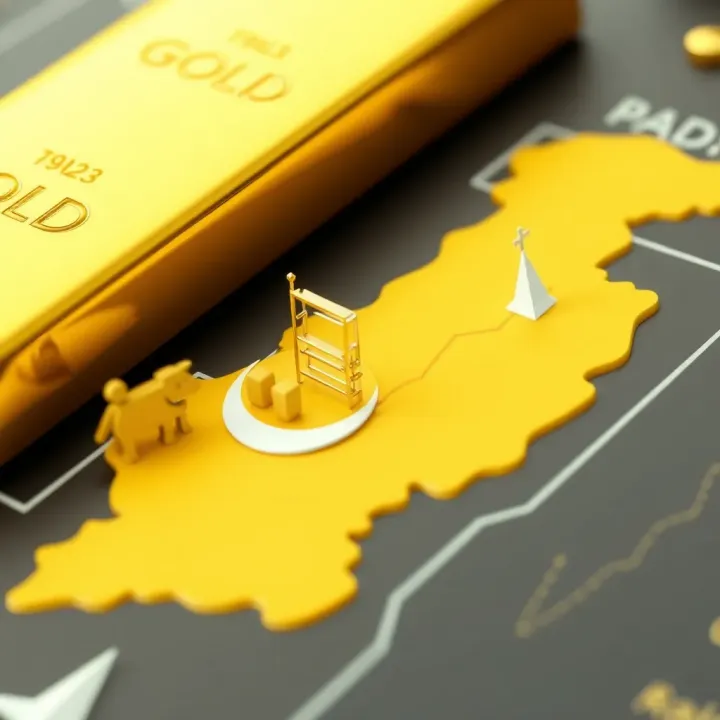
Internationally, gold prices are influenced by factors like US inflation rates, Federal Reserve interest rate decisions, and geopolitical tensions in key regions. For instance, if inflation is rising in major economies, gold often sees increased demand as a hedge.
Currently, the global gold price hovers around $2,000 per ounce, showing slight volatility as markets weigh signals from the US Federal Reserve and ongoing Europe-Russia tensions. Pakistan's gold prices typically follow this international trend but with an added layer of local currency pressure and import duties.
While international prices set a baseline, local factors like exchange rates and government taxes can widen the gap between global and domestic gold rates.
This means domestic traders should watch global cues but prepare for sharper moves tied to the rupee and import policies. For investors, understanding this dual influence helps in timing entries or exits better.
In summary, the current gold market in Pakistan reflects a combination of steady local demand, currency fluctuations, and global price movements. Keeping an eye on these components provides a clearer picture for anyone looking to trade or invest in gold next month.
Several key factors will shape the movement of gold prices in Pakistan over the next month. These elements offer critical insights for traders, investors, and finance analysts to anticipate price fluctuations and adjust their strategies accordingly.
The Pakistani rupee's exchange rate against the US dollar plays a major role in gold pricing. Since gold is imported and priced internationally in dollars, any depreciation in the rupee tends to push local gold prices up. Recently, the rupee has seen volatility due to external debt repayments and balance of payments pressures. For example, a 2-3% drop in the rupee against the dollar can translate into a similar percentage rise in gold prices locally. Investors should watch SBP announcements and forex market trends closely since sudden currency swings often lead to quick gold price adjustments.
Gold traditionally acts as a hedge against inflation and uncertainty. Rising inflation rates worldwide—especially in major economies such as the US, China, and the Eurozone—can increase demand for gold. The latest Consumer Price Index (CPI) figures in the US and inflation data from China will heavily influence international gold prices. If inflation fears persist, gold prices will likely strengthen, impacting Pakistan's market. Plus, central bank policies like interest rate changes by the US Federal Reserve or the European Central Bank affect global liquidity and, subsequently, gold demand.
Political stability in Pakistan is crucial for gold prices. Upcoming elections, government policy changes, or political unrest can cause uncertainty, nudging investors towards safe havens like gold. Geopolitical tensions in regions important for gold supply or global trade can also impact prices. For instance, conflicts or sanctions affecting major gold-producing countries, or trade restrictions impacting Pakistan’s imports, are causes for price volatility. Regularly monitoring political scenarios in Pakistan and neighbouring countries will give better cues about potential price movements.
Awareness of these factors helps investors make informed decisions. Ignoring currency trends, global inflation data, or political developments can lead to unexpected losses or missed opportunities in the gold market.
By staying alert to forex rates, global economic conditions, and political stability, investors can better navigate Pakistan’s gold market next month and adjust their portfolios to meet market realities.
Demand and supply dynamics play a key role in shaping gold prices in Pakistan. Unlike markets driven mainly by speculative trading, Pakistan's gold market heavily depends on real physical demand, especially from consumers during cultural events and the jewellery industry. Understanding these factors helps investors anticipate price movements beyond just international trends or currency fluctuations.
Festive occasions such as Eid, Diwali, and national holidays typically boost gold purchases in Pakistan. For example, ahead of Eid-ul-Fitr and Eid-ul-Azha, many families buy gold jewellery, coins, and bars both as an investment and for gifting. Similarly, wedding seasons in spring and autumn create strong, sustained demand as gold is a traditional gift and a symbol of status in dowries.
This seasonal spike impacts local demand significantly, often pushing prices up ahead of these periods. For instance, in cities like Lahore and Karachi, the jewellery sales can increase up to 30% during these months. Investors should watch the calendar closely; anticipating this demand surge can provide clues about short-term price hikes in the Pakistani market.
Pakistan's jewellery industry is a major buyer of gold, accounting for a large share of total consumption. Local jewellers rely on imported gold, so any change in import duties or government regulations affects supply chains and costs. Recently, the government has adjusted Import duties and imposed limits to curb the current account deficit, which can tighten gold supply and push local prices upward.
Moreover, delays in imports due to foreign exchange shortages or customs procedures can create supply bottlenecks. This pressure on availability tends to raise premiums in the local market. For example, when the rupee weakens sharply against the dollar, importers pass higher costs to consumers, impacting gold prices in Pakistan.
Monitoring import policies and the health of the jewellery sector provides a concrete edge for investors eyeing Pakistan's gold market, especially during periods of economic uncertainty.
In short, Pakistan's gold price depends not only on global cues but also on how domestic demand from consumers and jewellers meets supply conditions shaped by import regulations. For investors and traders, keeping an eye on upcoming festive seasons, weddings, and policy announcements gives practical insights for timing their entry and exit points.
Accurately forecasting gold prices helps traders and investors position themselves effectively in a volatile market like Pakistan's. Given gold's traditional role as a safety asset, anticipations about its price range next month assist in planning purchases, sales, and risk management. Clear price projections also guide jewellery businesses and importers in stock and cost control.
Current indicators suggest gold prices in Pakistan might oscillate between Rs 160,000 to Rs 165,000 per tola next month. This forecast reflects ongoing rupee depreciation pressures against the US dollar alongside global inflation trends. Market sentiment is cautiously bullish, with many expecting prices to edge upward due to uncertainties in both local political developments and international economic policies.
Traders frequently watch the SBP's stance on interest rates and inflation figures, since rising inflation tends to boost gold demand as a hedge. Political developments, including any major announcements or instability, could further nudge prices upward. Meanwhile, festive demand and wedding season preparations typically add modest support to local gold prices.
Investors should remember these forecasts are sensitive to sudden changes in forex rates and international gold price swings. Being vigilant about daily price movements and news updates can provide an edge.
Monitor Currency Movements Closely: Since the Pakistani rupee's value directly impacts local gold prices, keep an eye on exchange rates. Even a small rupee dip against the dollar can increase gold prices.
Time Your Transactions Wisely: If you plan to buy, doing so during price dips, especially after any sharp rupee recoveries or positive political developments, can reduce costs.
Diversify to Manage Risk: Avoid putting all your funds into gold alone. Mix other assets or sectors to cushion against any unexpected market shocks.
Use Reliable Market Sources: Stay updated through trusted platforms and financial reports for real-time price updates and market analysis.
Consider Long-Term Trends: While short-term price swings offer trading chances, investors may want to look at gold as a hedge over a longer horizon, especially with continuing regional economic worries.
By combining these practical steps with close attention to market signals, investors and traders in Pakistan can make smarter choices about gold investments next month.
📈 Stay ahead with today's gold price forecasts in Pakistan! Discover key economic updates, global influences, and local demand insights to guide your trades.
Explore XAU/USD trends 📈 and key factors like economy, geopolitics, & market vibes shaping gold prices against USD for Pakistani traders. 🪙💹
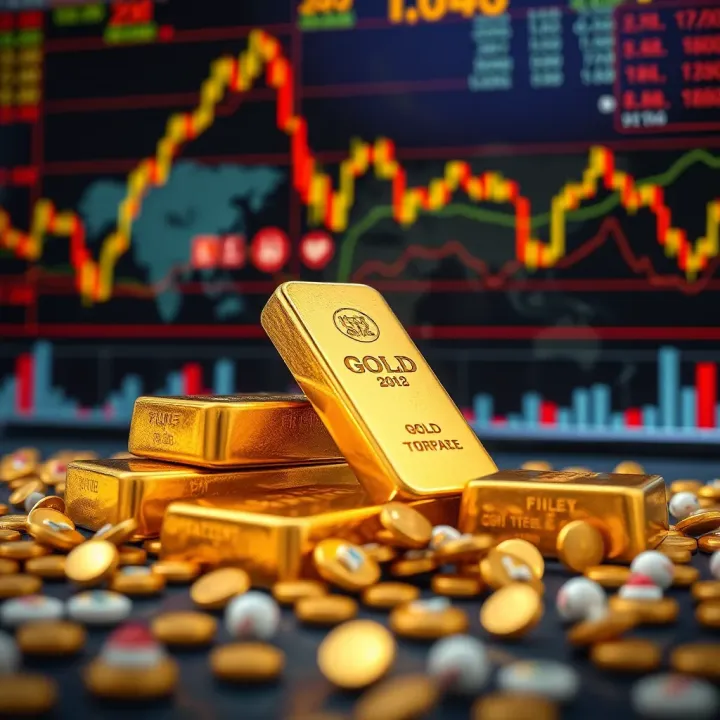
📈 Discover what drives today’s gold prices in Pakistan—covering economic cues, global events, and market shifts. Smart tips for investors and forecasts included.
📈 Stay informed with ARB price predictions in Pakistan! Explore market trends, tech insights, expert views, and key investment factors for smart decisions.
Based on 9 reviews