
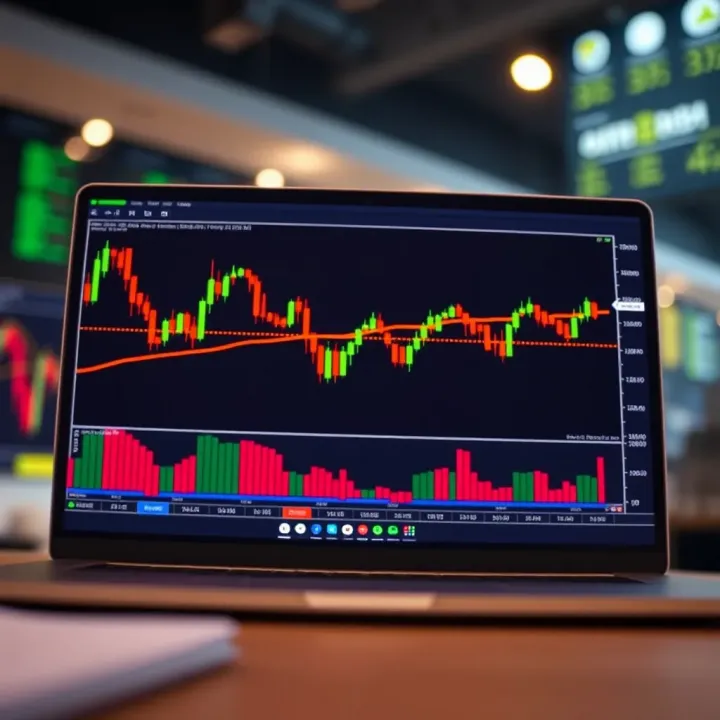
How to Use TradingView.com for Market Analysis
📊 Learn how to use TradingView.com for smart market analysis with charts, indicators, and insights—essential for traders and investors in Pakistan.
Edited By
Isabella Martin
The recent crash in the cryptocurrency market sent ripples across the financial world, shaking the confidence of many investors, especially in Pakistan where crypto trading interest has grown rapidly. Understanding why this downturn occurred is essential not just to survive but to make smarter decisions going forward.
The crypto market crash was triggered by a combination of factors rather than a single cause. These included shrinking liquidity, rising regulatory scrutiny globally, and significant failures within major crypto platforms and projects. For instance, the collapse of some well-known crypto exchanges and token projects created panic selling that quickly snowballed into a broader market decline.
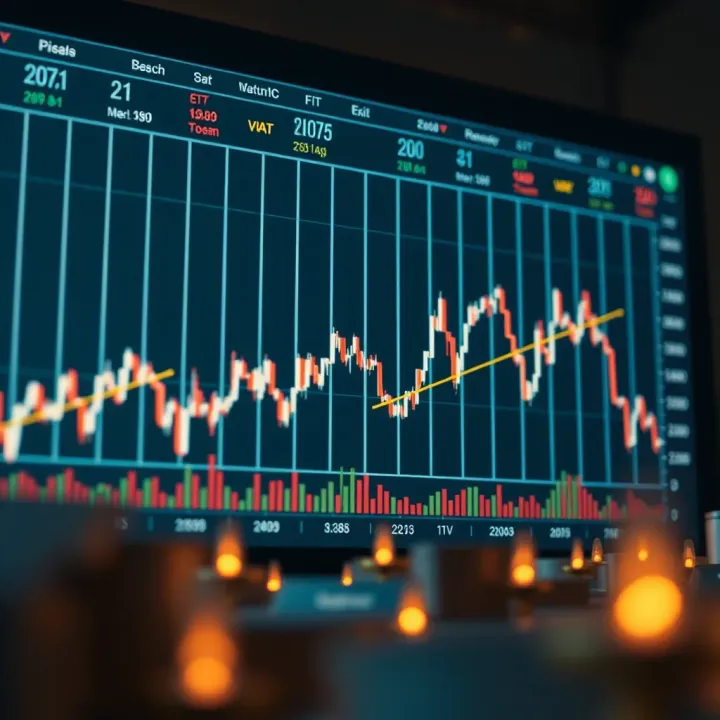
Pakistani investors felt the effects directly as many had entered the market attracted by high returns and easy access through platforms like Binance and local peer-to-peer exchanges. However, sudden steep price drops wiped out millions of rupees in value, exposing the risks of investing heavily in volatile assets without proper risk management.
Learning from this crash is critical for anyone involved in crypto trading or investment. It highlights the need to diversify holdings and stay updated on regulatory changes, both in Pakistan and internationally.
The broader economic impact is also worth noting. As people rushed to liquidate crypto assets, some liquidity drained from Pakistan’s banking system, influencing small investors and traders dependent on credit facilities or margin trading. Additionally, the crash affected the perception of digital assets as viable investment options, leading to increased scepticism among traditional financial circles.
In this backdrop, Pakistani regulators have been actively discussing tighter controls, including mandatory Know Your Customer (KYC) and Anti-Money Laundering (AML) measures for crypto exchanges. This regulatory push aims to protect investors while helping legitimate businesses operate under clearer rules.
This article will cover the main causes behind the crypto crash, explore its effects on Pakistani investors and the economy, and share lessons to navigate future market turbulence more confidently. By breaking down the market dynamics and real-world impacts, traders and analysts can prepare better for the wild rides that crypto investments tend to offer.
Understanding the main reasons behind the recent crash in the cryptocurrency market helps investors, traders, and analysts prepare better for future fluctuations. This section breaks down the critical drivers that triggered the downturn, offering clear insight into how each factor played a part.
One major cause of the crash was stricter regulations introduced by key economies across the globe. For example, announcements of tighter rules by the US Securities and Exchange Commission (SEC), banning certain crypto products, led to panic selling. Similarly, China's renewed crackdown on crypto mining and trading hammered global sentiment. These regulatory actions often create uncertainty among investors, pushing prices down rapidly. In Pakistan, the lack of clear crypto laws also adds to investor caution, impacting trading volume and market confidence domestically.
Speculation drives much of the crypto hype, but it also fuels volatility. Many investors, both retail and institutional, jumped in during the bullish phase without fully assessing risks. When prices began falling, fear spread quickly, causing mass sell-offs. Herd behaviour intensified the crash, as people rushed to cut losses. Additionally, leveraged trading magnified the impact, with forced liquidations triggering further price drops. This underlines the need for Pakistani investors to avoid chasing quick gains and to stay disciplined, especially in a market prone to emotional swings.
Security flaws and technical disruptions played their part in shaking investor trust. In recent months, high-profile hacks on platforms and DeFi (Decentralised Finance) projects led to millions lost in digital assets. For instance, vulnerabilities exposed in smart contracts or delays in network upgrades caused operational halts, discouraging investment. Such issues highlight the importance of vetting technology before investing. Pakistani traders should pay close attention to platform security and transparency to reduce exposure to scams or technical failures.
Regulatory uncertainty, speculative frenzy, and technological risks combined to create a perfect storm that sent cryptocurrency values tumbling.
By focusing on these core factors, investors can better recognise warning signs and make informed decisions rather than reacting to market noise. This understanding is especially vital in Pakistan’s emerging crypto ecosystem, where regulation and infrastructure are still evolving.
The crypto crash’s fallout went beyond just falling prices; it deeply affected investors and markets globally. Understanding this impact helps traders, financial analysts, and brokers gauge how vulnerabilities in crypto can ripple through various layers of the financial system.
Retail investors, especially in Pakistan where crypto adoption surged recently, faced heavy losses as prices plummeted rapidly. Many invested their savings during bull runs, only to see portfolios shrink overnight. Institutional investors, including hedge funds and venture capitalists focused on crypto, were not spared either. Some institutions saw losses in the hundreds of millions of dollars, prompting a slowdown in fresh funding to crypto projects. For example, firms like Three Arrows Capital faced insolvency due to over-leveraged positions, which sent shockwaves throughout the ecosystem.

Exchanges and associated businesses felt a dual impact—shrinking trading volumes and rising defaults on loans and margin calls. This led some local and international exchanges to scale back operations or even freeze withdrawals temporarily, stirring panic among users. Pakistani crypto platforms, working under regulatory uncertainty, faced additional struggles as market confidence dipped. Ancillary businesses, like crypto mining outfits and wallets, suffered revenue drops because of lower transaction activities and price volatility, leading to layoffs and closures.
The crypto crash posed broader risks to traditional financial markets by exposing systemic weaknesses. Banks and fintech firms linked to crypto experienced losses or had to tighten credit lines. Although the crypto market is smaller compared to conventional equity or bond markets, declining confidence affected investor sentiments, triggering cautiousness in risk-taking across sectors. It underlined the need for better regulatory frameworks to prevent contagion effects. For Pakistan, where fintech and digital payments are growing fast, this crash emphasized the dangers of unchecked speculative investments.
The crypto market crash highlighted vulnerabilities not only for direct investors but also for financial institutions and technology service providers linked to digital assets, signalling a call for enhanced caution and regulation.
In summary, the crypto crash’s impact was multifaceted—strongly affecting individual and institutional investors, shaking crypto exchanges and related businesses, and carrying wider consequences for financial markets. For readers involved in trading or advising, appreciating these dynamics is key for informed decision-making.
Regulation plays a significant part in stabilising volatile markets like cryptocurrency. When authorities set clear rules, they help curb erratic price swings caused by misinformation, fraud, or speculative bubbles. For investors, transparent regulation means better protection against scams, while exchanges gain trust to operate more responsibly. Without it, wild price fluctuations can trigger sudden crashes, harming the broader economy.
Around the world, governments are tightening oversight on crypto markets, aiming to bring order without stifling innovation. In the United States, the Securities and Exchange Commission (SEC) has increased scrutiny on initial coin offerings (ICOs) to prevent fraud. Meanwhile, the European Union moves forward with the Markets in Crypto-Assets (MiCA) framework, which standardises rules across member states, focusing on consumer protection and anti-money laundering.
Asian markets show mixed responses. China’s outright ban on crypto trading contrasts with Japan's licensed exchange model, which demands strict compliance with security and capital requirements. These global efforts highlight a trend: regulators want to foster growth but with guardrails to protect investors and the financial system.
Pakistan is still finding its footing on crypto regulation. The State Bank of Pakistan (SBP) has repeatedly warned against cryptocurrencies’ speculative risks, disallowing banks from facilitating crypto transactions. However, recent discussions acknowledge the sector's potential if properly governed. Policymakers are considering frameworks that could legalise and regulate digital assets under strict rules covering AML (Anti-Money Laundering) and investor safeguards.
This cautious but evolving stance reflects Pakistan's priority: protecting a largely retail investor base that might be vulnerable to sudden losses. The FBR (Federal Board of Revenue) is also contemplating clear tax guidelines on crypto gains, which would add further transparency to the market.
Regulators face a tough task in supporting technological advancements without exposing investors to undue risk. Innovation like blockchain and decentralised finance (DeFi) offers exciting possibilities, but unregulated growth can endanger public confidence.
A balanced approach involves:
Setting clear disclosure requirements for crypto projects
Enforcing robust Know Your Customer (KYC) and AML checks
Encouraging licensed exchanges to comply with cybersecurity standards
For example, Pakistan could learn from Singapore’s regulatory sandbox system, which allows new fintech ideas to be tested under supervision. Such measures help protect investors while letting innovation breathe, creating an environment where cryptocurrency can mature sustainably.
Clear regulation is not just about control; it builds trust among investors and businesses, which is essential for market stability and long-term growth.
Cryptocurrency markets are famously unpredictable, and Pakistani investors must adopt effective strategies to navigate their volatility safely. Understanding risk and choosing reliable projects become even more vital as the crypto market experiences swings like recent crashes. This section offers practical approaches tailored to local investors, helping them reduce losses and identify genuine opportunities.
Proper risk management starts with not putting all your eggs in one basket. Diversification across different cryptocurrencies and asset classes can cushion the impact if one investment takes a hit. For example, rather than investing solely in popular coins like Bitcoin or Ethereum, consider smaller-cap projects with solid fundamentals but smaller exposure. Also, it helps to limit the percentage of your portfolio dedicated to crypto—many financial advisers suggest no more than 10-15% of total investments.
Stop-loss orders can prevent steep losses by automatically selling coins when prices drop beyond a set level. However, keep in mind that crypto prices can be volatile within short timeframes, so placing stop-losses too close to purchase price sometimes leads to premature selling. Similarly, avoid chasing rapid gains and focus on long-term goals, which fits better with Pakistan's cautious investment culture.
Pakistani investors should be extra vigilant given the rise of fraudulent schemes targeting the market. Before investing, research the project’s whitepaper, development team, and community feedback thoroughly. Look for clear use cases, transparent governance, and active developer engagement. For instance, many successful Pakistani investors favour projects like Cardano or Polkadot, which maintain open development and reputable advisory teams.
Beware of unrealistic promises, such as guaranteed returns or rapid price surges, which usually signal scams or pump-and-dump setups. Participating in projects vetted through trusted Pakistani crypto communities and forums can help avoid falling victim to such traps. Always confirm if the project is registered or acknowledged by regulatory bodies within Pakistan or abroad.
Using recognised local exchanges and payment gateways reduces risks that foreign platforms might not address, such as withdrawal delays or currency conversion charges. Platforms like Binance Pakistan (subject to PTA regulations) offer better integration with local bank accounts and support payment methods like JazzCash and Easypaisa.
Avoid cash deals or unregulated peer-to-peer transactions unless you trust the counterparty completely. Confirm platform licensing and security measures before transferring funds. Also, keep transactions recorded with proper invoices or transaction IDs to resolve any disputes effectively. With increased scrutiny by Pakistani authorities, working through official channels ensures legal safety and smoother crypto dealings.
The key for Pakistani investors is combining cautious research, risk controls, and choosing reliable local tools. This approach helps weather market ups and downs while protecting capital and making informed moves.
The future outlook for the cryptocurrency market is a vital topic for investors and analysts alike, especially after a significant crash. Understanding where the market might head helps traders and stakeholders make informed decisions, manage risks better, and identify new opportunities. This section covers three key aspects: recovery and innovation potentials, regulatory and adoption challenges, and long-term trends shaping crypto's future.
Despite recent setbacks, cryptocurrencies still show strong signs of recovery potential. Technologies like blockchain continue evolving, providing new use cases beyond simple currency exchanges. For example, decentralised finance (DeFi) platforms are creating alternatives to traditional banking services, which could attract more users in Pakistan and worldwide. Moreover, the rise of non-fungible tokens (NFTs) has opened fresh avenues for digital ownership and creativity.
Recovery might also come from institutional interest returning cautiously. Large banks and investment funds have started exploring crypto assets again, but with thorough risk assessment. This shift can stabilise the market as fresh capital flows in and mature financial instruments are developed. However, this depends heavily on clearer regulations and investor confidence restoring.
Adoption remains a hurdle, especially in countries like Pakistan where cryptocurrency is not officially regulated. Many potential users hesitate due to legal concerns and lack of consumer protections. This uncertainty stifles growth despite evident demand in segments like remittances and digital payments.
On the regulation front, global trends show governments tightening control to prevent fraud, laundering, and market manipulation. Pakistan’s authorities face the challenge of creating a framework that balances innovation encouragement with investor protection. Without clear guidelines, crypto businesses operate in a grey area, limiting partnerships with banks and financial institutions.
Regulatory clarity will be crucial. Investors should watch policy developments closely, as favourable rules can boost adoption and market confidence.
Several broader trends are shaping crypto’s long-term path. First, digital currencies backed by central banks—Central Bank Digital Currencies (CBDCs)—are gaining traction worldwide, potentially changing how crypto coexists with traditional money systems. Pakistan might explore CBDC adoption, which would influence public perception and usage of digital assets.
Second, environmental concerns over crypto mining are pushing networks to adopt greener technologies. Projects focusing on proof-of-stake protocols instead of energy-intensive proof-of-work are gaining favour, which could affect market leadership.
Finally, integration with everyday financial services is growing. As payment providers like JazzCash or Easypaisa explore blockchain solutions, cryptocurrency's role could shift from speculative asset to practical financial tool.
These trends suggest a complex, evolving future for cryptocurrencies in Pakistan and globally. Investors should stay updated on technological, regulatory, and market shifts to navigate this landscape effectively.
📊 Learn how to use TradingView.com for smart market analysis with charts, indicators, and insights—essential for traders and investors in Pakistan.

📈 Explore detailed BTT price prediction covering market trends, expert forecasts, and key factors shaping BitTorrent Token's future for Pakistani investors 📊

📊 Detailed AXS price prediction and market analysis for Pakistan investors. Explore trends, expert forecasts, and risks in the Axie Infinity Shards crypto market.
🔍 Discover detailed ATOM price predictions with insights on Cosmos network trends, market factors, and expert views to guide your investment decisions in 2024.
Based on 11 reviews