

Is Trading Halal or Haram? An Islamic Perspective
Is trading halal or haram? 🤔 Explore Islamic views on trading, key principles, scholar opinions, and practical tips for ethical trading in Pakistan.
Edited By
Amelia Ross
Crypto spot trading has grabbed a lot of attention worldwide, including in Pakistan, as more people seek to trade digital assets like Bitcoin and Ethereum directly. But the question on many Muslim investors’ minds is whether this practice aligns with Islamic law — is crypto spot trading halal or haram?
Understanding this requires looking at the fundamentals of spot trading and Islamic finance principles. In spot trading, one buys or sells a cryptocurrency for immediate delivery and payment, unlike futures or derivatives. This straightforward exchange often raises fewer concerns about speculation compared to margin trading or options.
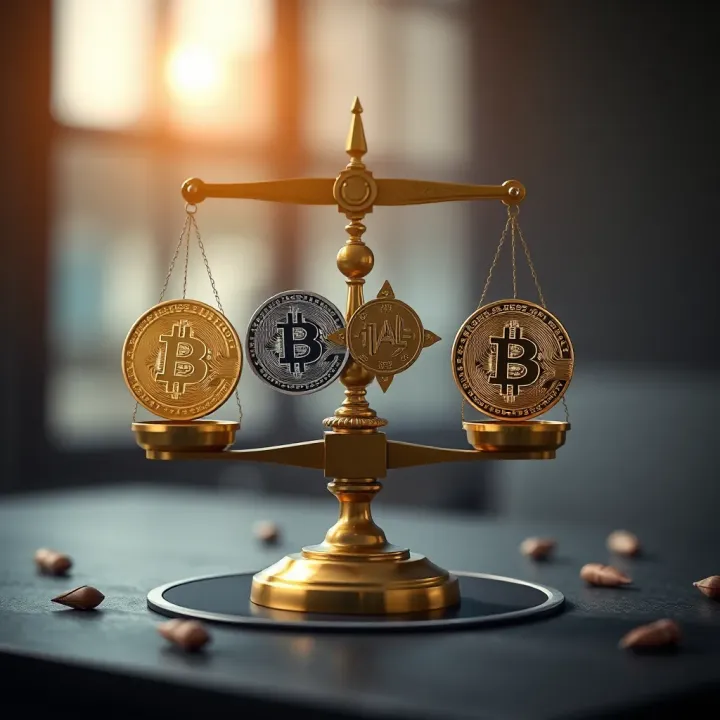
Islamic finance emphasises fairness, transparency, and the avoidance of interest (riba) and excessive uncertainty (gharar). So the core issue is whether cryptocurrencies themselves meet these conditions:
Are crypto assets considered lawful (halal) commodities under Shariah?
Does the spot trading of these assets involve forbidden elements like gambling or fraud?
Are transactions conducted with full ownership transfer and clear pricing?
Scholars offer varied views. Some argue that since cryptocurrencies function as digital currencies or assets with intrinsic value, spot trading can be halal if done ethically. They stress that owning the actual coin and settling trades immediately complies with Islamic trade rules. Others caution that crypto's high volatility and uncertain regulatory status introduce gharar or speculation, which must be avoided.
Clear evidence of ownership and immediate delivery is key to distinguishing halal spot trading from haram speculative practices.
For Pakistani investors, this means careful due diligence is necessary. Using reputable cryptocurrency exchanges that ensure real coin ownership, avoiding leveraged or margin trading, and steering clear of projects that promote illicit activities helps maintain compliance.
Spot trading involves direct purchase and sale of crypto with instant settlement.
Islamic principles require asset existence, transparency, and avoidance of interest or gambling.
Cryptocurrencies may be seen as halal assets if traded properly without excessive risk.
Investors should avoid uncertain or leveraged arrangements that resemble speculation.
This introduction sets the stage for exploring how Islamic scholars interpret these points and what practical advice Pakistani traders can follow to align their crypto investments with Shariah mandates.
Getting a solid grip on crypto spot trading is vital before jumping into debates about its permissibility under Islamic law. Since spot trading involves buying or selling cryptocurrencies for immediate delivery, understanding its operational details helps clarify whether it aligns with Shariah guidelines. For Pakistani investors and traders, knowing these mechanics also means making smarter, more informed decisions and avoiding unintended risks.
Crypto spot trading is the straightforward purchase or sale of cryptocurrencies like Bitcoin, Ethereum, or USDT where the transaction settles ‘on the spot’, usually within minutes or hours. This means once you buy, you own the crypto asset right away and can transfer it or hold it as you wish. For example, if you buy 0.5 Bitcoin on a Karachi-based exchange today itself, that Bitcoin becomes yours immediately and isn’t a promise for future delivery. This contrasts with contracts or futures where actual ownership delays.
Spot trading is popular because it’s simple and transparent: you exchange fiat currency (like PKR or USD) for crypto or swap one crypto for another at the current market price. The entire deal happens instantly without extra derivatives or complex bets.
Spot trading mainly differs from two popular alternatives: crypto futures and margin trading. First, futures contracts are agreements to buy or sell an asset at a predetermined price on a future date. Unlike spot trades, futures don't transfer ownership immediately—they’re basically bets on price changes. This ambiguity can raise ethical issues from an Islamic perspective.
Second, margin trading allows traders to borrow funds to increase buying power. While this can magnify gains, it also involves paying interest or fees on the borrowed amount, which may clash with the Islamic prohibition against riba (interest).
In contrast, spot trading involves direct exchange, with no borrowed money or delayed delivery. For example, trading Bitcoin for Pakistani rupees on a local exchange is a spot trade because ownership changes hands without delay or leverage.
Understanding these key differences helps Muslim investors evaluate if their trading activities follow Islamic rules rather than just chasing profits blindly.
In summary, crypto spot trading offers a direct, immediate method to acquire or sell cryptocurrencies, distinguishing it clearly from futures and margin options that carry extra layers of complexity and risk. Knowing these basics is essential when considering if spot trading fits within Islamic finance principles, especially for those living in Pakistan’s evolving digital economy.
Islamic finance operates under strict guidelines derived from Shariah law, which aims to promote fairness, transparency, and ethical conduct in financial transactions. Understanding these principles is essential when evaluating whether crypto spot trading fits within Islamic law. These guidelines help protect investors from exploitation and unlawful gains.
Riba, or interest, is strictly forbidden in Islam because it leads to unjust enrichment without real economic activity. This means that earning money simply through lending funds and charging interest is not permissible. For traders, this principle ensures that profits come from productive effort and genuine risk rather than from guaranteed returns.
In crypto trading, the question arises whether gains resemble interest. Since spot trading involves buying and selling digital assets rather than lending money for interest, it generally avoids direct issues of riba. However, traders must ensure they do not engage in margin trading with interest-bearing loans, which is common on some exchanges.
Gharar stands for excessive uncertainty or ambiguity in contracts, which can lead to disputes or unfair advantage. Islamic law discourages trades where the terms or the subject are unclear, or where the risk becomes similar to gambling.
Crypto markets are often volatile, but volatility alone does not mean gharar. The key is whether the trade involves uncertainty about ownership transfer or the asset itself. Spot trading, where the asset is bought outright and exchanged immediately, tends to reduce gharar. However, highly speculative or leveraged positions increase uncertainty and risk, which Islamic law frowns upon.
A fundamental rule in Islamic commercial law is that ownership must be transferred at the time of contract for a sale to be halal. This prevents trading in assets one does not own or cannot deliver.
Spot trading meets this condition because the asset (cryptocurrency) is exchanged instantly between buyer and seller, with ownership passing immediately. This contrasts with futures or options where the trade involves a promise to transact in the future, often raising Shariah concerns.
To keep crypto spot trading halal, traders should ensure the coins they buy are immediately owned and transferred without delay or conditions, avoiding deferred delivery or hidden charges.
By sticking to these principles—avoiding riba, minimising gharar, and ensuring immediate ownership transfer—Muslim investors can better navigate the complexities of crypto trading under Islamic law. Practical examples include using exchanges that support immediate settlement and avoiding products with unclear terms or embedded interest charges.
This foundational knowledge paves the way to assess crypto trading's compliance with Shariah and choose ethical ways to engage in this emerging market.
Understanding whether cryptocurrencies qualify as legitimate assets is vital for determining the permissibility of crypto spot trading under Islamic law. This examination addresses if these digital tokens satisfy Shariah criteria, impacting their acceptability for Muslim investors.
Islamic law traditionally recognises assets with intrinsic or tangible value, such as gold, land, or livestock. Cryptocurrencies, however, exist purely in digital form without physical backing, which raises questions about their status as valid assets. Some scholars argue that cryptocurrencies like Bitcoin or Ethereum hold value because of network utility and scarcity, much like digital commodities, and thus may be treated as assets. For example, Bitcoin's fixed supply limits inflationary risk, resembling gold's rarity, which Islam historically permits as a medium of exchange.
On the other hand, critics point out the absence of intrinsic value and government backing makes crypto assets speculative, akin to gambling, which Islam forbids. This division reveals no consensus, highlighting the importance of examining each cryptocurrency's nature, purpose, and acceptance in commerce before labelling it halal or haram.
High price volatility is a defining feature of cryptocurrencies. For instance, Bitcoin's price swung between Rs 4 million and Rs 8 million within months in recent years. Such rapid fluctuations lead many investors to engage in speculation rather than genuine trading based on asset value. Islamic finance strongly forbids maysir (gambling) and gharar (excessive uncertainty), which these speculative practices often resemble.
Legitimate trade under Shariah involves clear ownership transfer and a real economic transaction. When crypto trading resembles a gamble — hoping to profit from quick price swings without underlying economic activity — it risks being labelled haram. Therefore, investors must carefully assess if their trading approach involves undue speculation rather than prudent investment.
Muslims should weigh both the asset's legitimacy and the nature of their trading method before deciding to invest in crypto spot markets.
Scholarly opinions on crypto spot trading vary significantly, reflecting the complexities of applying Islamic principles to a novel financial phenomenon. Understanding these views helps Muslim investors make informed choices in line with their faith. These opinions carry weight because Islamic jurisprudence guides everyday financial transactions, including emerging assets like cryptocurrencies.
Some scholars argue that crypto spot trading is permissible as halal because it resembles buying and selling tangible assets. In spot trading, ownership of the cryptocurrency transfers instantly, meeting the Shariah requirement of immediate exchange to avoid gharar (uncertainty). For example, when a trader in Karachi buys Bitcoin and receives it in their wallet right after payment, the transaction mirrors halal trading of a physical commodity.
Proponents also highlight that cryptocurrencies serve as legitimate assets with recognised market value, much like gold or silver, historically accepted in Islamic trade. Supporters stress that absence of interest (riba) in the transaction further aligns crypto spot trading with Islamic finance norms. Hence, when properly executed on regulated exchanges, such trading can comply with Shariah principles.
On the other hand, many scholars caution against crypto spot trading, arguing it is haram due to excessive price volatility and speculative behaviour, which invite gambling (maysir). Since prices can swing wildly within minutes, trading may resemble betting rather than genuine commerce. For instance, the value of a particular altcoin may rise or fall sharply in hours without fundamental backing, creating an atmosphere of uncertainty forbidden in Islam.
Critics also point to the lack of central authority overseeing cryptocurrencies, which raises concerns about legitimacy and asset backing. This can lead to issues related to deception and manipulation, violating the transparency and honesty demanded by Islamic law. Without clear intrinsic value, critics argue cryptos resemble fiat currency substitutes without state guarantee, making their trading doubtful.
Some scholars adopt a balanced position, allowing crypto spot trading under strict conditions. They recommend avoiding excessive speculation and trading only on cryptocurrencies verified as genuine assets. Conditions include:
Immediate transfer of ownership upon payment.
Trading on platforms complying with local regulations (such as SECP guidelines in Pakistan).
Avoiding leverage or margin trading, which involves riba.
Ensuring the investor understands risks and refrains from speculative gambling.
This middle ground reflects realistic financial environments, recognising crypto trading’s potential while safeguarding against Islamic prohibitions. It encourages due diligence and ethical trading, which resonates well with Muslim traders in Pakistan navigating modern markets.
Diverse scholarly opinions demonstrate that while crypto spot trading is not inherently haram, its permissibility depends on following Shariah principles carefully. This calls for continuous dialogue between scholars, investors, and regulators to ensure Islamic compliance in this evolving market.
Muslim investors interested in crypto spot trading should approach this market with care, considering both financial risks and Shariah compliance. Practical advice helps bridge the gap between theory and everyday decision-making, ensuring investments align with Islamic values while managing volatility and legal uncertainties.
Choosing the right exchange is critical for both security and legitimacy. In Pakistan, it is wise to pick platforms recognised by the Securities and Exchange Commission of Pakistan (SECP) or those that maintain transparent operations under local regulations. For example, exchanges like Binance and local alternatives that adhere to Anti-Money Laundering (AML) and Know Your Customer (KYC) policies can reduce the risk of fraud. Lack of regulation increases vulnerability to scams and black-market dealings, which complicate halal compliance.
Crypto markets are highly volatile, so risk management is non-negotiable. Setting clear limits on investment size and avoiding excessive leverage keeps portfolios protected. From an ethical standpoint, investors should avoid speculative behaviour akin to gambling. For instance, trading with a mindset focused on long-term asset ownership rather than quick speculative gains aligns better with Islamic principles. Moreover, refraining from investing in coins tied to unethical practices or projects is essential to uphold Islamic ethics.
Since scholarly views on crypto can vary, consulting trustworthy Islamic finance scholars familiar with modern financial instruments is necessary. Engaging with recognised bodies that issue fatwas on digital assets helps investors confirm permissibility based on current circumstances and personal investment strategies. Many Pakistani scholars now publish opinions on crypto trading, so staying updated through these sources prevents uninformed decisions.
Practical steps, including choosing reputable exchanges, managing financial risks carefully, and seeking expert Islamic guidance, empower Muslim investors to engage responsibly in crypto spot trading. These considerations safeguard both wealth and religious compliance, making the venture more sustainable and trustworthy.
Together, these practical measures create a balanced approach that respects Shariah while recognising the realities of Pakistan's financial environment.
Is trading halal or haram? 🤔 Explore Islamic views on trading, key principles, scholar opinions, and practical tips for ethical trading in Pakistan.
Explore how to pick the best trading website in Pakistan! Compare fees, security, tools & support to trade smartly. 📈💻 Stay secure & informed!
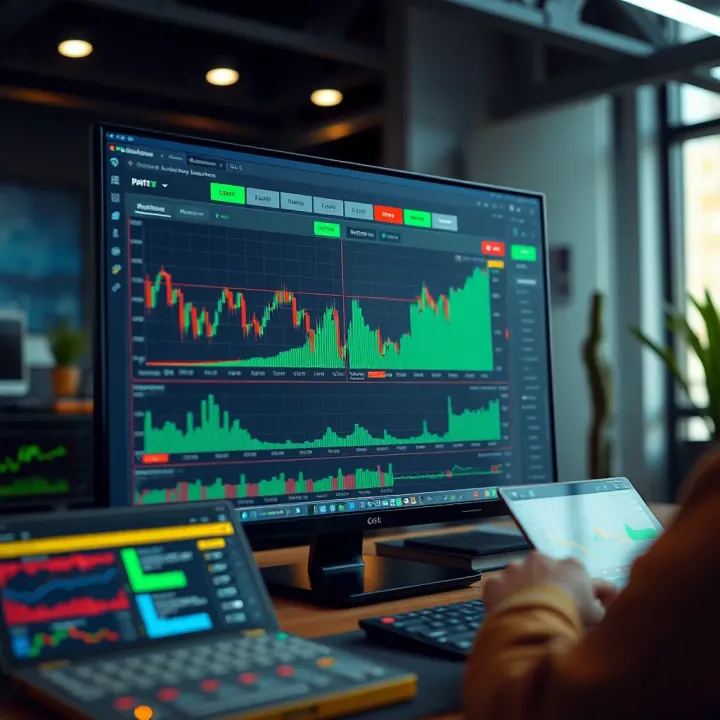
Explore the best trading websites for Pakistani traders 📈. Learn about platform security, fees, features, and regional support to trade stocks, forex, & crypto safely.
🔍 Find the best trading platform in Pakistan! Compare features, fees, and regulations to trade smartly and securely in local markets. 📈
Based on 13 reviews