
Understanding Forex Trading in Pakistan
Explore 4x trading in Pakistan: basics, risks ⚠️, strategies 📈, top platforms, regulations 📜, and smart tips for beginners starting Forex confidently.
Edited By
Sophie Gallagher
Forex trading has become increasingly accessible in Pakistan, thanks in large part to the rise of dedicated trading apps. These platforms allow traders to engage in foreign exchange markets right from their mobiles, bypassing the need for traditional brokers or desktop setups. For traders, investors, and finance professionals, understanding the strengths and limitations of these apps is essential to navigate the market efficiently.
In Pakistan, forex trading apps must comply with regulations set by the Securities and Exchange Commission of Pakistan (SECP) and Pakistan’s State Bank guidelines. While many apps promote ease of use, it’s vital to ensure the platform is legitimate and offers features tailored to Pakistani users, such as multi-currency support, local payment options, and access to regional market data.
Choosing the right forex trading app allows you to execute trades quickly, monitor currency price movements, and manage risks effectively, especially amid Pakistan’s volatile economic environment.
Key advantages of forex trading apps include real-time price updates, technical analysis tools, and instant notifications for market news or trade executions. For example, some apps integrate charting features like moving averages and RSI indicators that traders rely on for decision-making. Others provide demo accounts, letting beginners practise without risking real money.
It’s important to be cautious too. Trading forex carries risks, including market volatility, leverage effects, and potential scams from unregulated apps. Reliable apps generally display clear user reviews, transparent fee structures, and robust security measures such as two-factor authentication.
Traders in Pakistan also find value in apps offering convenient funding through JazzCash, Easypaisa, or bank transfers — features that simplify depositing and withdrawing funds. Equally, apps that support local languages and customer support improve user experience.
The following sections will explore the top forex trading apps available in the Pakistani market, their standout features, and the legal and financial aspects every trader should consider before jumping in. This guide aims to equip you with practical knowledge to trade confidently and securely.
Forex trading apps are essential tools that enable Pakistani traders to access the foreign exchange market using their mobile devices. With the convenience of smartphones, these apps allow users to buy and sell currencies anytime and anywhere, without relying on desktop platforms or brokers' offices. This accessibility is especially significant in Pakistan, where internet penetration and smartphone usage continue to grow rapidly.
At their core, forex trading apps offer a platform where traders can view currency pairs, place buy or sell orders, track market prices, and manage their accounts. These apps provide real-time data and access to trading history, making it simple for users to execute trades directly from their mobiles. For example, through apps like MetaTrader 4 or 5, Pakistani traders can monitor pairs such as USD/PKR or EUR/USD and enter trades without delay.
Trading apps connect users to global forex markets via brokerage firms that act as intermediaries. When a trade is placed through the app, the order is transmitted to the broker’s platform, which then executes the transaction on international currency exchanges. This creates a direct link between the trader and the real-time currency markets. The apps rely on stable internet connections to ensure seamless data flow and execution speed, which is vital during volatile market conditions.
Forex apps remove geographic and time barriers by allowing traders in Pakistan to trade currencies 24/7 from their mobile devices. For instance, a trader commuting to work or waiting at a tea stall can check rates or close positions quickly without being tied to a computer. This freedom suits Pakistan’s often unpredictable lifestyle and helps traders stay active in fast-moving markets.
These apps provide up-to-the-minute price quotes and live charts, enabling users to react to market changes instantly. For example, during times of economic announcements or geopolitical tensions, traders can monitor the impact on PKR exchange rates in real time. This capability helps in implementing strategies like scalping or day trading where timing is critical.
Using forex trading apps generally lowers the costs associated with traditional brokerage methods. Apps often offer reduced spreads and no commission on trades, benefiting small traders in Pakistan who cannot afford high fees. Additionally, deposits and withdrawals through local methods like JazzCash or Easypaisa reduce transaction costs and simplify fund management.
For Pakistani traders, understanding what forex trading apps do and how they link to currency markets is key to making informed decisions and managing risks effectively. These apps not only open doors to global markets but also level the playing field through convenience and cost savings.
This understanding lays the foundation for choosing the right trading platform tailored to personal needs and market conditions in Pakistan.
Selecting the right forex trading app is about more than just convenience; it significantly impacts your trading efficiency and security. Traders in Pakistan should weigh features such as security standards, user interface, trading tools, payment options, and support quality to ensure a smooth experience.
Data protection is a key priority for any trader using forex apps. Your personal and financial information must stay safe from cyber threats. Good apps encrypt user data and transactions to prevent hacking or leaks. For example, apps employing SSL (Secure Socket Layer) encryption reassure users that their details won't fall into the wrong hands. Without solid data protection, you risk identity theft or fraudulent transactions, which can be devastating.
FCA, CySEC, or equivalent licensing relevance shows whether a forex broker behind an app follows regulatory requirements. Though Pakistani authorities do not yet offer clear licensed forex trading frameworks, many reputable international brokers possess licences from organisations like the UK's Financial Conduct Authority (FCA) or Cyprus Securities and Exchange Commission (CySEC). These licenses indicate the broker adheres to strict rules on transparency, fund segregation, and client protection, reducing chances of fraud or malpractice. Pakistani traders should prioritise apps linked with such regulated brokers wherever possible.
Ease of navigation within the app makes a big difference, especially for new traders. A clutter-free layout and intuitive menus help you find currency pairs, charts, and order options quickly. MetaTrader 4, for instance, is known for its straightforward interface, which even beginners can grasp without frustration. If an app feels confusing or sluggish, it can lead to missed trading opportunities.
Charting and technical analysis features allow traders to make informed decisions by visualising market trends. Essential tools include candlestick charts, moving averages, RSI, and MACD indicators. Pakistan’s active traders often rely on these features to plan entries and exits. Apps lacking robust charting tools limit your ability to analyse forex pairs technically, which may harm your strategy.
Order types and execution speed are crucial for effective trading. Multiple order types—such as market, limit, stop-loss, and take-profit—offer flexibility in managing risks and profits. Fast execution reduces slippage, where trades fill at prices different from those expected. Pakistani traders should seek apps that ensure smooth order processing, particularly during volatile market hours.
Local payment methods like JazzCash or Easypaisa simplify funding your trading account and withdrawing profits. Many global brokers don’t support these options, causing hassles when converting PKR to USD or other accepted currencies. Apps or brokers integrating JazzCash and Easypaisa ease transactions, save on conversion fees, and speed up transfers, a must-have for traders preferring local channels.
Support availability and responsiveness can be a deal breaker during urgent situations. Pakistani traders value brokers offering 24/7 chat or call support in English and Urdu. Quick responses help resolve account issues, platform glitches, or withdrawal delays efficiently. Before choosing an app, test their support by asking simple questions; slow or automatic replies can indicate weak service, which might cost you in time and money.
Prioritising these features can help Pakistani traders avoid common pitfalls and make forex trading a more reliable endeavour. Always check user reviews and broker reputations alongside feature lists before downloading.
Understanding which forex trading apps are popular in Pakistan helps traders make informed decisions tailored to their needs and local conditions. Choosing the right app affects trading efficiency, security, and convenience, especially given the unique challenges of payment methods and regulatory requirements in Pakistan.
MetaTrader 4 and MetaTrader 5 are widely considered the backbone of forex trading worldwide, and Pakistani traders rely heavily on these platforms. MetaTrader 4 (MT4) offers a straightforward interface suitable for beginners, supporting automated trading through Expert Advisors (EAs). MetaTrader 5 (MT5) builds on this with additional tools, more timeframes, and support for stocks alongside currencies. Both apps provide real-time market data, robust charting, and multiple order types, critical for quick decision-making in volatile forex markets. Pakistani traders appreciate their compatibility with various brokers and seamless integration with desktop and mobile devices.
cTrader caters to professional traders needing advanced order execution and enhanced customisability. It offers features like Level II pricing and algorithmic trading, making it attractive for those who want to dive deeper into market behaviour. For Pakistani users, cTrader's transparent pricing and easy-to-use interface help in managing risks effectively. This platform supports multiple devices and allows direct linking with brokers that accept Pakistani clients, facilitating smoother operations.
XM Trader enjoys popularity owing to its low minimum deposit requirements and Pakistan-friendly customer support. The app is known for its user-friendly design and multiple asset classes including forex, commodities, and indices. For local traders, XM Trader provides support for payment options commonly used in Pakistan, which makes depositing and withdrawing funds hassle-free. The platform also conducts regular educational webinars, helping traders stay updated with evolving market trends.
Apps supporting local payment gateways are a strong advantage for Pakistani traders. Platforms integrated with JazzCash, Easypaisa, or bank transfers reduce friction during deposits and withdrawals, which can be a hurdle on international broker apps. This localised payment support means faster transaction times and lower fees, enhancing the overall trading experience. For example, some brokers partner with Pakistani payment services directly to offer simplified fund management.
Brokers offering Pakistan-specific account types tailor their conditions to local needs, including account currencies in PKR, lower spread options, or tailored leverage settings that comply with Pakistan’s financial regulations. These brokers also tend to provide dedicated customer support in Urdu or regional languages and understanding of local compliance like tax reporting. Traders benefit from these accounts by avoiding unnecessary currency conversions and receiving timely assistance suited to Pakistan's market environment.
The choice between international and localised apps depends largely on your trading style and ease of transactions. While international platforms offer advanced features, apps adapted to Pakistan's payment and regulatory landscape often deliver more convenience.
By focusing on apps and brokers that suit Pakistani traders, you can improve your trading efficiency and reduce unnecessary complications around payments and support.
The legal framework surrounding forex trading apps in Pakistan plays a significant role in protecting traders and ensuring market fairness. Understanding this landscape helps traders avoid pitfalls, stay compliant, and operate within the law. Pakistani authorities impose specific guidelines that influence how forex trading is conducted, especially with the rise of mobile trading platforms.
The State Bank of Pakistan (SBP) regulates currency-related activities, including forex trading. One key restriction is that trading foreign currencies in the local market without SBP approval is prohibited. This means that speculative forex trading involving PKR pairs on unregulated platforms can be risky and legally questionable.
This restriction intends to safeguard Pakistan’s financial stability and currency value. For example, many brokers operating outside SBP oversight are considered illegal or fraudulent. Pakistani traders should therefore engage only with brokers recognised or allowed under SBP rules to avoid legal troubles.
Regarding compliance, Pakistani brokers and foreign forex brokers offering services locally must meet strict criteria. This includes registration with relevant financial authorities, maintaining adequate capital reserves, and adhering to anti-money laundering (AML) and know your customer (KYC) policies. Brokers following these rules provide greater security to traders and reduce the risk of fraud or fund misappropriation.
These compliance measures also mean that traders should carefully verify the broker’s credentials and licensing status before depositing funds or trading through any app.
The Federal Board of Revenue (FBR) requires individuals earning profits from forex trading to declare these gains as part of their taxable income. Many traders overlook this obligation, but ignoring it can lead to penalties or legal action.
Traders must keep clear records of profits and losses and report them accurately on their annual tax returns. Since forex gains can be volatile, it’s advisable to consult a tax advisor familiar with trading income to correctly calculate tax liability.
For payment procedures, forex profits are usually taxed under the head of capital gains or income from other sources, depending on the FBR’s classification at the time. Payment of due taxes must be timely to avoid fines. The FBR may require submission of supporting documents such as broker statements or bank transaction records.
Declaring forex trading profits not only keeps you on the right side of the law but also protects you from future financial issues.
In summary, following the SBP’s guidelines and fulfilling tax obligations are practical steps that Pakistani forex traders should never skip. Doing so contributes to safer trading, financial transparency, and legal compliance.
Trading forex through mobile apps offers unmatched convenience but also comes with significant risks that traders must manage carefully. In Pakistan’s growing forex community, understanding these risks is key to protecting your investment and trading successfully.
Leverage lets you control a large position with a small amount of capital, magnifying potential profits or losses. For example, with a 100:1 leverage, a Rs 10,000 investment controls Rs 1,000,000 worth of currency. While this can multiply gains, it can also wipe out your account quickly if the market moves against you even slightly. Many new traders misuse leverage without realising the market’s volatility can swing rapidly due to economic news or geopolitical events, causing sharp price fluctuations.
To manage these risks, use leverage cautiously. Begin with lower leverage ratios and increase only as you gain experience. Limit your exposure by risking only a small percentage of your total capital per trade—many professionals recommend 1-2%. Stop-loss orders are essential; they automatically close your positions when losses hit a predetermined level, preventing huge drawdowns. Regularly monitoring the market, especially during high-impact news releases like SBP policy announcements or US Federal Reserve decisions, helps you adjust your strategy and avoid unnecessary losses.
With forex trading apps booming in Pakistan, scammers have also stepped in. Be alert for common red flags such as brokers promising guaranteed returns, pressuring you to invest large sums quickly, or lacking transparent contact information. If an app offers bonuses that seem too good to be true or limits your ability to withdraw funds, steer clear. These are often signs of fraudulent operations designed to trap traders.
Always verify your broker’s registration with recognised authorities such as the Securities and Exchange Commission of Pakistan (SECP) or respected international regulators like the Financial Conduct Authority (FCA). Registered brokers must comply with financial rules, keep client funds segregated, and offer dispute resolution mechanisms. Choosing such brokers reduces risks significantly. For instance, popular platforms like MetaTrader provided by well-established brokers come with strict compliance, protecting Pakistani traders from scams.
Trustworthy brokers not only secure your funds but also provide reliable trading infrastructure and responsive customer support, crucial during volatile market phases.
In short, managing forex trading risks on apps means understanding how leverage affects your trades and staying vigilant against fraud. By applying careful strategies and selecting verified brokers, you safeguard your capital and increase your chances for consistent profits in Pakistan's forex market.
Explore 4x trading in Pakistan: basics, risks ⚠️, strategies 📈, top platforms, regulations 📜, and smart tips for beginners starting Forex confidently.
Explore the best forex trading apps in Pakistan 🇵🇰! Compare features, security, and tools to find the perfect fit for your trading style and needs 📱💹.
📉 Explore forex trading in Pakistan with practical tips on market basics, proven strategies, risk safeguards, and staying compliant for smart trades.
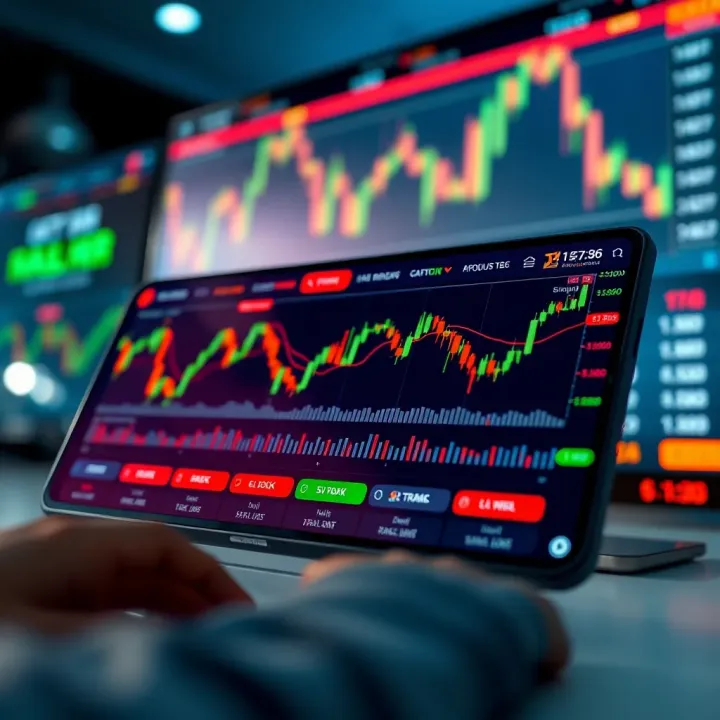
Explore top trading apps in Pakistan 📱 Secure, user-friendly platforms for stocks, forex & crypto. Compare fees, features & regulations before investing 💹
Based on 14 reviews