
Finding the Right Trading Website for You
Explore how to pick the best trading website in Pakistan! Compare fees, security, tools & support to trade smartly. 📈💻 Stay secure & informed!
Edited By
Sophie Morgan
Future trading involves contracts where parties agree to buy or sell an asset at a predetermined price on a specified future date. While this practice is common in global financial markets, its acceptance within Islamic finance raises key questions. Islamic investors and scholars examine future trading mainly through the lens of Shariah principles, particularly concerns around gharar (excessive uncertainty) and riba (interest).
In Pakistan and other Muslim-majority countries, many traders face uncertainty about whether futures contracts comply with Islamic law. Generally, conventional futures trading allows speculation and deferred transactions that can involve ambiguous terms, which may not align with Islamic ethics. Moreover, these trades might depend on interest-based mechanisms or lead to unjust enrichment, both of which Shariah forbids.
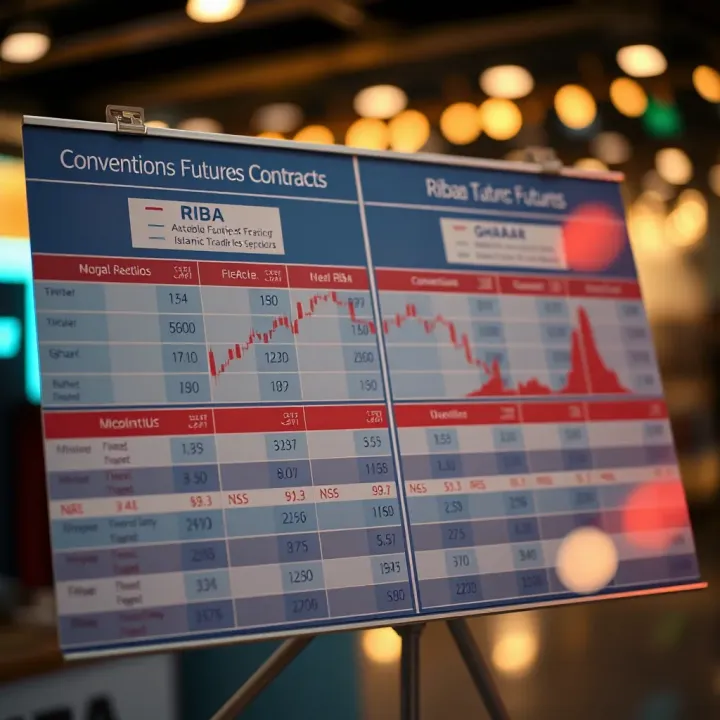
"Islamic finance mandates transparency and fairness; transactions must avoid elements of undue risk and exploitation, which can happen in unchecked future trading."
Nature of the contract: Whether the contract involves actual delivery of the underlying asset or just financial settlement
Permissibility of deferred payment: Islam allows deferred payments with certainty but forbids uncertainty around price or delivery
Speculative elements: High speculation or gambling (maysir) is prohibited, so contracts must avoid excessive risk or ambiguity
Use of interest: Futures tied to interest rates or involving interest-bearing obligations contradict Islamic prescriptions
Islamic scholars offer varied viewpoints. Some consider all futures trading impermissible due to gharar and riba concerns. Others suggest that appropriately structured Shariah-compliant contracts—like Salam (advance purchase) or Istisna (commissioned manufacturing)—can serve as alternatives for managing future risks.
Understanding these distinctions helps Muslim investors navigate modern markets while adhering to their faith. As Pakistan's capital markets evolve, awareness of Shariah-compliant investment tools grows, encouraging demand for Islamic alternatives to conventional futures. This article will explore these issues, highlight practical implications, and clarify how future trading sits within Islamic legal frameworks.
Understanding the fundamentals of future trading is vital for evaluating its fit within Islamic finance. This section offers a clear picture of futures contracts, their trading mechanics, and their core purposes. Such knowledge lays the groundwork for later examining how these elements align or conflict with Shariah principles.
A futures contract is a legal agreement to buy or sell an asset at a specific price on a future date. These contracts standardise details like quantity and delivery time. The key feature is that the transaction is agreed upon today, but payment and delivery occur later. This helps parties lock in prices and manage risks but also introduces questions about ownership and certainty.
Futures contracts are typically traded on organised exchanges like Pakistan Mercantile Exchange (PMEX) or international platforms such as the Chicago Mercantile Exchange. These exchanges provide transparency and reduce counterparty risk by acting as intermediaries. Standardisation and clearance mechanisms ensure contracts are managed efficiently and fairly.
Common assets involved include agricultural commodities (wheat, sugar), energy products (oil, gas), precious metals (gold, silver), and financial instruments such as stock indices or foreign currencies. For example, a wheat farmer might sell futures to guarantee a fixed price before harvest, protecting against market price drops.
Futures primarily function as risk management tools. Producers and consumers use them to hedge against price fluctuations. Take a Pakistani textile exporter worried about currency devaluation; by locking in a foreign exchange rate via futures, they can stabilise expected revenue. This reduces uncertainty and helps planning.
Speculators also participate in futures markets aiming to profit from price movements. Unlike hedgers, speculators accept higher risks for potential gains, often using leverage to magnify returns. While speculators provide liquidity and help absorb shocks, excessive speculation can lead to volatility and market distortions.
Futures markets play a key role in price discovery. Through trading activity, futures prices reflect collective market expectations about future supply and demand. This information guides producers, investors, and policymakers. For instance, rising crude oil futures prices might signal expected shortages or growing demand, prompting decisions on production or consumption.
Futures trading combines benefits of risk management, speculative opportunities, and market transparency, but also raises important questions for Islam regarding ownership, uncertainty, and ethical conduct.
This foundational overview sets up detailed discussions on how Shariah principles respond to futures trading's features and challenges.
Understanding Shariah principles is vital when examining future trading, especially for Muslim investors who want to stay within Islamic legal boundaries. These principles shape what is permissible and what is not in financial dealings, ensuring fairness and ethical conduct. This section highlights three core Islamic financial laws and then applies them directly to futures contracts.
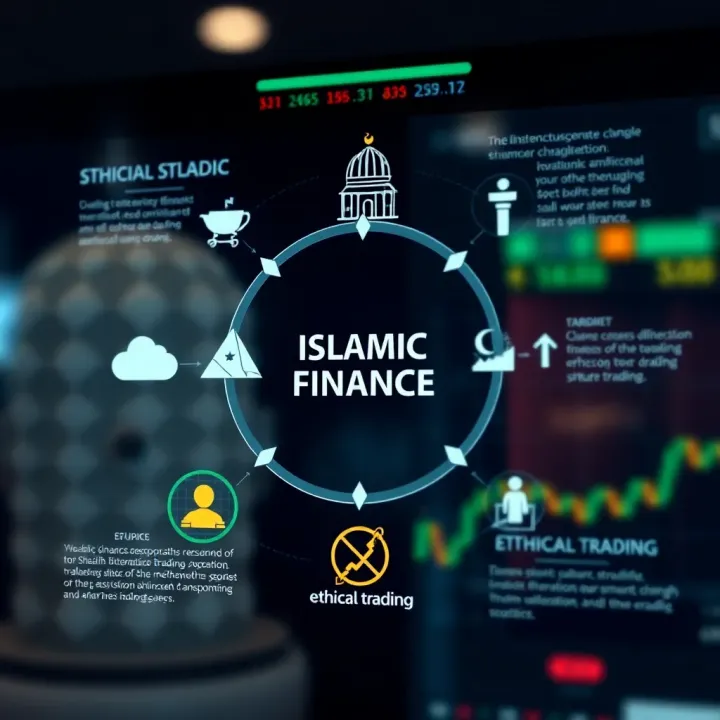
Islam forbids riba, which means any guaranteed interest on loans or investments. This rule aims to prevent exploitation and unjust enrichment. In finance, riba often appears as fixed interest payments, which are seen as unfair gains without real risk or effort. For example, in a traditional savings account offering guaranteed interest, riba would be present.
Gharar refers to excessive uncertainty or ambiguity in contracts. Islam requires clarity in trade terms to avoid disputes and unfairness. If the subject, price, or delivery time is vague or unknown, that contract might involve gharar. For instance, selling a fish in the sea which one hasn’t yet caught involves gharar because the seller doesn’t possess the fish at the time of sale.
Maysir means gambling or games of chance. Islamic finance restricts transactions that rely on luck or chance rather than genuine economic activity. Speculative trading purely aiming for profit without underlying asset ownership is often seen as maysir. A classic example is betting on price movements without any intention of buying the actual asset.
Many futures contracts involve deferred payments and may embed interest elements, particularly if the settlement involves borrowing or lending money. For example, if a trader enters a contract requiring payment months later with a predetermined price, it can resemble an interest-bearing loan. This raises concerns about hidden riba, especially when contracts are rolled over or financed.
In conventional futures trading, contracts often allow selling assets that the seller does not own yet. Islamic law requires possession or clear ownership before sale. For instance, selling wheat in June when the harvest is still months away may involve gharar because the seller risks selling something uncertain in quantity or quality. This uncertainty violates Islamic trade ethics.
Islam distinguishes between speculation for gambling and genuine risk mitigation. Hedging to protect against price fluctuations aligns more with Shariah since it reduces uncertainty for businesses. But excessive speculation seeking fast profits, without underlying trade or production, resembles maysir. A fruit trader locking in future prices via a contract to secure supply is practising legitimate risk management, unlike a speculator betting solely on market changes.
Understanding these principles helps Muslim investors navigate futures trading more cautiously, ensuring their activities comply with Islamic teachings while recognising legitimate financial needs.
By focusing on these core laws, Muslim traders can assess futures contracts critically, identifying potential Shariah violations and alternatives that respect Islamic financial ethics.
Future trading poses several challenges when viewed through the lens of Islamic law. Understanding these issues is crucial for Muslim investors and traders who seek to comply with Shariah. The key concerns revolve around fulfilling Islamic requirements on ownership, managing risk without excessive uncertainty, and avoiding market behaviours like speculation and manipulation that conflict with Islamic ethics.
Delivery and ownership requirements are fundamental in Islamic finance. Shariah mandates that ownership of an asset must transfer immediately at the time of sale, and trading in goods not physically owned is generally prohibited. Conventional futures contracts allow trading based on future delivery dates without actual possession upfront, which raises a conflict. For example, a trader in Karachi may enter a futures contract for wheat delivery in three months without owning the wheat at the time of the deal. This lack of immediate ownership violates the Islamic principle that one cannot sell what one does not possess.
The role of uncertainty and ambiguity, known as gharar, is another critical issue. Islamic teachings forbid transactions that involve excessive uncertainty or ambiguity about key contract elements like price, delivery, or subject matter. Futures contracts often contain elements of gharar, as the final deliverable, price, or timing can be uncertain or dependent on market fluctuations. This makes these contracts less acceptable to strict scholars concerned about protecting parties from unfair dealings based on unclear terms.
Speculation and market manipulation also create ethical challenges. Shariah disallows maysir, or gambling, and excessive speculation that does not contribute to genuine economic activity. Many futures markets are heavily driven by speculative trading, where participants seek profit purely from price movements rather than underlying asset value. Instances of market manipulation, which distort prices or create artificial volatility, further degrade market fairness and trust. This behaviour is especially concerning for Pakistan’s emerging Islamic finance market, where preserving ethical standards is vital.
There is no unanimous view among Islamic scholars regarding futures trading. Differences between traditional and contemporary scholars are notable. Traditional scholars often rely on classical fiqh that strictly forbids any forward contracts without immediate delivery, making futures outright impermissible. Contemporary scholars, however, sometimes adopt pragmatic approaches, considering the financial realities and seeking ways to reconcile futures with Islamic principles.
Views endorsing strict prohibition argue that futures contracts embody both riba (interest) and gharar, and facilitate maysir. These scholars highlight the importance of safeguarding contract purity and protecting investors from uncertainty and potential injustice. They caution against adopting modern financial tools without robust Shariah-compliant frameworks.
On the other hand, arguments favouring conditional permissibility acknowledge the practical benefits of futures for risk management and price discovery. Some scholars allow futures in specific circumstances if structured to avoid delayed delivery, ensure actual ownership, and reduce uncertainty. For instance, the use of Salam contracts or Istisna financing might serve as Islamic alternatives to conventional futures. This perspective is gaining traction among Islamic finance practitioners aiming to introduce productive risk management practices without compromising Shariah.
In short, recognising these challenges and navigating scholarly viewpoints helps Muslim investors assess whether futures trading suits their ethical and financial goals under Islamic law.
Islamic finance offers alternatives to conventional future trading that align with Shariah principles, particularly avoiding riba (interest), gharar (excessive uncertainty), and maysir (speculation). These tools focus on real economic transactions and risk-sharing, providing Muslim investors with risk management solutions without contravening Islamic law. Understanding these alternatives helps investors manage price and production risks ethically.
Salam contracts for forward sales enable a buyer to pay in advance for goods delivered at a later date. This contract is significant in agricultural and commodity sectors where producers need upfront funds to carry out production. For example, a farmer in Punjab might receive payment today for wheat to be harvested and delivered in three months. This arrangement reduces price uncertainty and liquidity problems while staying compliant since the goods and delivery are clearly defined.
Istisna contracts for manufacturing orders serve as a form of conditional sales contract where a manufacturer agrees to produce goods as per buyer specifications for payment agreed upon either in advance or after delivery. This is quite practical in industries like construction or manufacturing of machinery where project financing is needed. For instance, a textile factory in Faisalabad might arrange financing to produce specific machinery under an Istisna contract, ensuring both parties' obligations are clear and Shariah compliance maintained.
Waad (promise) structures offer non-binding promises used to facilitate certain transactions like options or guarantees in Islamic finance without creating prohibited uncertainty. For example, a buyer may issue a waad promising to purchase goods at a predetermined price without binding obligation. This tool supports risk management by allowing flexible arrangements that carefully avoid gharar, making it useful in Islamic derivatives and hedging products.
Sukuk function as investment certificates representing ownership in tangible assets or projects, promoting risk-sharing rather than interest-based returns. Sukuk have become popular in Pakistan for infrastructure and energy projects, allowing investors to participate in profits generated from assets like toll roads or power plants. This approach provides a viable alternative to conventional bonds and can be tailored to include risk mitigation features compatible with Shariah.
Shariah-compliant derivatives have been evolving to help manage price risks without violating Islamic principles. These instruments typically avoid speculation and contain clear asset backing, focus on actual economic activity, and exclude interest elements. Examples include profit-rate swaps or commodity-based contracts structured within Islamic legal frameworks, which are gaining traction in global Islamic finance hubs like Malaysia and the Gulf.
Case studies from Pakistani and global markets demonstrate practical implementation and investor acceptance of these alternatives. In Pakistan, certain Islamic banks and financial institutions offer Salam and Istisna products to agricultural and industrial clients. Globally, sukuk issuances by governments and corporations have raised billions while adhering to Shariah. These real examples show the feasibility and growing importance of Islamic financial tools as substitutes for conventional future trading.
Islamic alternatives provide Muslim investors practical, compliant means to manage risks and invest in economic activities without compromising faith principles. These options deserve more attention as the Islamic finance industry expands locally and globally.
For Muslim investors exploring future trading, understanding practical aspects is vital. Beyond theoretical discussion, real-world factors like platform compliance and legal regulations affect whether an investment aligns with Shariah law. Being clear about these considerations helps investors avoid doubtful transactions and protect their financial interests.
Assessing whether a trading platform complies with Shariah principles matters deeply. Some platforms explicitly promote Shariah-compliant products, offering futures based on Islamic contracts like salam or istisna. In contrast, conventional exchanges might not ensure avoidance of riba (interest) or gharar (excessive uncertainty), creating risks for observant investors. For example, a platform offering futures on commodities with actual delivery guaranteed under Islamic contract rules shows a practical difference from mere speculation.
Consulting qualified Shariah scholars helps investors navigate complex products. Given differing scholarly opinions on futures trading, relying on expert advice confirms if an instrument meets Islamic standards. This prevents misuse of religious guidelines and ensures decisions rest on credible interpretation, not hearsay. Community-oriented institutions in Pakistan often provide access to such scholars, guiding investors on contemporary financial products.
Risk awareness and financial literacy play a crucial role. Futures involve inherent risks, from market volatility to liquidity issues. Educating oneself about these risks ensures informed choices and guards against speculative behaviour that Islam prohibits as maysir (gambling). For instance, an investor familiar with how price discovery works in commodity futures can better balance profit goals with Shariah limits.
The Securities and Exchange Commission of Pakistan (SECP) oversees equities and derivatives trading, including emerging Islamic finance instruments. SECP's role ensures market transparency and investor protection, aligning with Islamic ethics against fraud and injustice. They enforce rules that reduce market manipulation, making trading safer for Muslims aiming for Shariah compliance.
Islamic finance regulations and standards in Pakistan have evolved with SECP’s support. Guidelines on Islamic contracts, disclosure requirements, and sukuk issuance create a framework that aids compliance. This legal backing encourages financial institutions to design products fitting Islamic principles, providing Muslim investors more trustworthy options.
Protections against unethical trading practices are crucial for Muslim investors. SECP actively monitors for insider trading, price rigging, and misleading information—all practices Islam forbids. These protections help maintain fairness, preventing exploitation and contributing to a healthy financial ecosystem where Shariah-compliant investments can flourish.
Knowing how legal and ethical safeguards work alongside religious guidelines strengthens your position as a Muslim investor, enabling confident decisions in complex markets.
Explore how to pick the best trading website in Pakistan! Compare fees, security, tools & support to trade smartly. 📈💻 Stay secure & informed!
Explore the best trading websites for Pakistani traders 📈. Learn about platform security, fees, features, and regional support to trade stocks, forex, & crypto safely.
🔍 Find the best trading platform in Pakistan! Compare features, fees, and regulations to trade smartly and securely in local markets. 📈

📈 Learn how to trade cryptocurrency in Pakistan with practical tips, platform guides, risk management, legal insights, and strategies for beginners.
Based on 6 reviews