
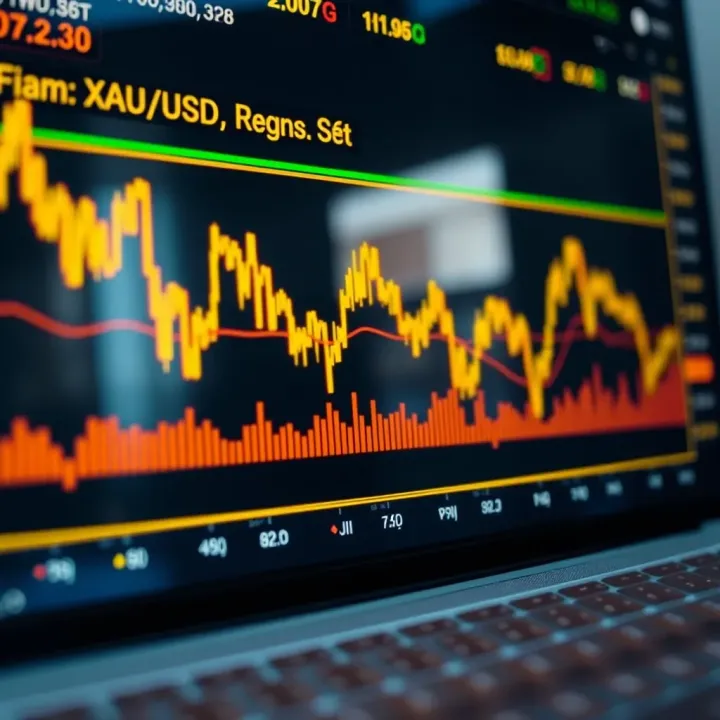
Today's XAU/USD Forecast Explained
Explore today's XAU/USD forecast 📈 with insights on economic trends, geopolitical factors, and gold price analysis against the US dollar for smarter decisions.
Edited By
Isabella Martin
The GBP/USD currency pair remains one of the most actively traded forex pairs worldwide, reflecting economic conditions in the United Kingdom and the United States. Traders keenly watch this pair due to its sensitivity to political developments, economic indicators, and central bank decisions from both sides of the Atlantic.
Recent movements in GBP/USD have been shaped by factors such as UK inflation data, Bank of England (BoE) policy signals, US Federal Reserve interest rate decisions, and geopolitical events. For example, unexpected changes in the BoE's interest rate can lead to swift fluctuations, while US economic releases like Non-Farm Payrolls often prompt immediate market reaction.

Understanding these core drivers helps traders anticipate potential price directions.
UK Economic Performance: Inflation, unemployment, and retail sales figures impact GBP’s strength. A rise in inflation may push the BoE towards tightening, boosting the pound.
US Economic Indicators: The US dollar responds strongly to Federal Reserve interest rate changes, employment reports, and GDP growth, all of which influence USD value.
Political Climate: Trade negotiations, Brexit developments, and US fiscal policies often add volatility.
Traders should monitor these data releases closely, using economic calendars to time entries and exits. Technical analysis tools like moving averages and RSI indicators also aid in confirming trends amid economic noise. Managing risk is essential, especially during major announcements, as GBP/USD can jump sharply in either direction.
Staying updated daily on UK and US market data can be the difference between gains and losses when trading GBP/USD.
By combining economic understanding with technical strategies, traders can better navigate GBP/USD’s ups and downs, making more informed decisions in 2024’s uncertain environment.
Tracking current trends in the GBP/USD exchange rate is vital for traders and investors. This currency pair reflects the economic health and political climate of both the United Kingdom and the United States. Understanding these trends helps traders make informed decisions about entry and exit points, manage risks, and anticipate potential price movements.
Over the last six months, the GBP/USD experienced noticeable fluctuations. For example, the pound hovered between 1.20 and 1.30 USD, reflecting changing market sentiments. This volatility often coincided with UK economic data releases such as GDP growth or inflation reports, which caused swift moves in the pair. Traders who kept a close eye on these movements could capitalise on short-term momentum swings.
Market reactions to key economic events have directly impacted the GBP/USD’s price swings. Notably, announcements from the Bank of England about interest rate adjustments or changes in monetary policy spurred sharp rally or sell-offs. Similarly, US Federal Reserve statements on rates and employment data triggered volatility. Understanding how these events affect the pair allows traders to better anticipate volatility spikes and position themselves accordingly.
When comparing GBP/USD with EUR/USD, it's clear they sometimes move in tandem but can diverge due to different economic drivers. For instance, while both pairs were affected by US Federal Reserve policies, the UK-specific factors such as Brexit developments exclusively influenced GBP/USD. Traders benefit from recognising such patterns to diversify their strategies across currency pairs.
Assessing the relative strength between the British pound and the US dollar is key to forecasting GBP/USD. At times, the pound may strengthen due to positive UK economic reports, despite dollar weakness usually pushing the pair lower. This push-pull dynamic reflects the interplay between the two economies and helps traders decide whether the current move is sustainable or likely to reverse.
Monitoring current trends isn’t just about watching numbers but grasping how each economic update or political event moves the pound-dollar relationship in real time. This awareness enhances your ability to trade the GBP/USD with greater confidence and precision.
Economic factors play a significant role in shaping the GBP/USD exchange rate. Both British and American economic data provide essential clues for traders aiming to predict price moves. Understanding these factors helps traders spot entry or exit points based on fundamental shifts, rather than relying solely on technical charts.
GDP growth and inflation trends influence the British pound’s value considerably. For instance, a strong GDP report indicating robust economic expansion often boosts confidence in the pound, encouraging traders to buy GBP. Conversely, rising inflation without proportionate wage growth tends to reduce purchasing power, which may force the Bank of England (BoE) to intervene with tighter policies, affecting GBP/USD negatively. In 2023, when the UK’s inflation hovered around 10%, the pound faced downward pressure amid concerns over cost-of-living impacts.
Bank of England monetary policy updates directly affect the pound’s strength. Interest rate decisions, especially rate hikes to combat inflation, typically support GBP by attracting yield-seeking investors. The BoE’s communication style and forward guidance also matter; cautious or dovish tones can prompt selling pressure on the pound. For example, when the BoE hinted at pausing rate hikes in late 2023, GBP/USD saw a temporary dip as traders adjusted expectations.

Federal Reserve interest rate decisions hold immense sway over the US dollar’s performance against GBP. When the Federal Reserve raises rates, it usually strengthens the dollar by offering higher returns to investors. This can make GBP/USD decline as the pound weakens relative to the dollar. In contrast, pauses or cuts in rates tend to weaken the dollar, uplifting GBP/USD. Traders watch Fed meetings closely for hints on economic outlook and inflation control measures.
Employment data and consumer confidence reflect the health of the US economy and influence dollar demand. Strong job growth or low unemployment rates often boost confidence in the dollar, putting downward pressure on GBP/USD. Similarly, consumer confidence indices suggest future spending trends; higher confidence can signal a robust economy, supporting the dollar. For example, the US nonfarm payroll report released every month impacts GBP/USD sharply, sometimes triggering volatile movements in the short-term.
Tracking these economic indicators equips traders with concrete tools for evaluating GBP/USD trends beyond price charts, enabling more informed trading decisions.
UK GDP growth rate
UK inflation figures
Bank of England interest rate policy
US Federal Reserve rate decisions
US employment statistics
US consumer confidence data
By combining insights from both economies, traders can better anticipate shifts in the GBP/USD pair and manage risks effectively.
Technical analysis is a key tool for traders evaluating the GBP/USD pair. It uses historical price data and chart patterns to predict future movements, helping traders identify when to enter or exit trades. Unlike fundamental analysis, which looks at economic indicators, technical analysis focuses on price action itself, often giving more immediate signals useful for both short-term and long-term trading.
Critical support and resistance levels act as price floors and ceilings where the GBP/USD tends to halt its movement or reverse. For example, during recent trading ranges, levels like 1.25 and 1.30 have repeatedly slowed down price advances or declines. Identifying these spots allows traders to set stop-loss orders more effectively and gauge potential breakout or pullback points.
For short-term traders, these levels offer quick decision points to capture smaller price moves within a session or a few days. Long-term traders can use support and resistance to confirm major trend changes or sustain positions until the pair approaches these crucial zones. For instance, if the pound strengthens towards a strong resistance at 1.35, a long-term trader might hold showing readiness to sell if the level holds firm.
Moving averages and the Relative Strength Index (RSI) are among the most popular tools for analysing GBP/USD trends. A simple 50-day moving average crossing above the 200-day signals bullish momentum, often indicating a good entry point. RSI helps traders gauge whether the pair is overbought or oversold; readings above 70 suggest overbought conditions, warning of a possible correction, while below 30 indicate oversold levels.
Fibonacci retracement levels and trend lines further refine entry and exit strategies. These tools highlight potential reversal points within an ongoing trend. For example, during a recent GBP/USD pullback, traders monitoring the 38.2% or 61.8% Fibonacci retracement levels found sharp price reactions at those zones. Meanwhile, trend lines offer a visual guide to the pair’s prevailing direction, helping traders avoid fading strong moves prematurely.
Accurately applying technical analysis allows GBP/USD traders to better manage risk and improve timing, turning historical price behaviours into actionable trading advantages.
By mastering these technical tools, traders can navigate volatility and market noise in the GBP/USD more confidently and efficiently.
Global events can sway the GBP/USD exchange rate significantly. Traders need to watch political shifts, trade negotiations, and geopolitical tensions carefully as these can prompt rapid fluctuations and affect market sentiment. Understanding how external factors influence this currency pair helps in making better decisions and managing risks effectively.
Political uncertainty, especially within the UK, directly impacts the pound's strength. When doubts arise about government stability or unclear policy directions, investors often hesitate, causing the pound to weaken against the dollar. For example, during periods of political deadlock or resignations among key ministers, the GBP/USD has seen sharp dips. Traders recognise these times as high-risk, often demanding a premium to hold sterling positions.
Daily headlines related to UK politics can cause short-term swings, but extended uncertainty leads to sustained pressure on the pound. The key takeaway for traders is to stay updated on political developments like cabinet reshuffles and parliamentary votes, as these frequently shift market expectations.
Even years after the formal Brexit departure, negotiations on trade continue to affect GBP/USD trends. Delays or negative developments in UK-EU trade talks often drag the pound down because such issues raise concerns over export markets and regulatory costs. Conversely, progress or agreements tend to provide some relief and bolster the currency.
For instance, talks around Northern Ireland protocols have stirred market nerves recently, keeping traders cautious. The impact extends beyond Europe; trade uncertainty may affect the UK's ability to forge deals with emerging markets, influencing long-term economic outlook and GBP valuations.
Tensions between the US and China ripple through global markets and indirectly shape GBP/USD movements. Heightened tariffs or diplomatic disputes can spark risk aversion, benefiting safe-haven currencies like the dollar while dampening demand for the pound.
Because the UK has significant trade ties with both countries, disruptions can hurt its exports and investor confidence. Traders need to track news on Sino-American relations, as escalation often prompts abrupt capital shifts impacting GBP/USD.
Oil price volatility also affects GBP/USD but more indirectly. While the UK imports most of its oil, oil price spikes can raise inflationary pressures, complicating the Bank of England’s policy decisions and subsequently influencing the pound.
On the other hand, higher commodity prices typically strengthen the dollar, since the US is a major oil producer. For traders, monitoring oil price trends helps anticipate central bank responses and broader market sentiment, which together shape GBP/USD.
Global events are often catalysts for sudden GBP/USD moves. Traders who integrate political news, international relations, and commodity market shifts into their analysis gain an edge in timing and strategy.
Political uncertainty in the UK usually weakens GBP
Brexit trade talks remain a major factor for sterling’s performance
US-China tensions affect market risk appetite, benefiting USD
Oil price swings influence inflation expectations and currency strength
Understanding and reacting to these global elements is vital for anyone trading this currency pair effectively.
Trading strategies and sound risk management are vital for anyone dealing with the GBP/USD pair. This currency pair often shows sharp moves due to frequent economic updates from the UK and US, plus geopolitical events affecting both countries. Without a clear plan and control over risk, traders may face steep losses in such a volatile environment.
Choosing the right moment to enter or exit positions is crucial. For example, entering a trade just before a Bank of England monetary policy announcement can expose you to sudden swings. Instead, it's better to wait for the market reaction and confirmation from technical signals before committing. Exiting too late after a price peak often erodes profits, so using tools like stop-loss orders or trailing stops helps lock in gains systematically.
Leverage amplifies both profits and losses. In the GBP/USD context, where 1% moves happen regularly, excessive leverage can wipe out your account swiftly. A good rule is not to risk more than 2% of your trading capital on a single trade. For instance, if you have Rs 200,000, avoid opening positions that could lose more than Rs 4,000. Position sizing should reflect not only available capital but also the volatility of the pair and your personal risk tolerance.
Fundamental news like UK inflation figures or US employment data triggers price moves. When these releases coincide with technical levels—say, a major support or resistance zone on the GBP/USD chart—it creates high-probability trade setups. For example, if GBP/USD holds a support line at 1.30 and bullish economic data arrives, the chance of a rebound grows. This blend of analysis provides both context and timing.
Imagine spotting a double bottom pattern near 1.28 coupled with signs of easing US monetary policy. Aligning these technical and fundamental signals allows a trader to enter long positions with more confidence. On the flip side, if technical analysis shows overbought conditions but negative UK news emerges, a cautious or short stance could be justified. Such coordination reduces emotional trading and keeps decisions objectively based.
Combining precise entries and disciplined risk controls with both fundamental and technical insights enhances chances of consistent success in trading GBP/USD.
This practical approach suits retail traders looking to navigate market swings wisely and protect capital over the long run.
Explore today's XAU/USD forecast 📈 with insights on economic trends, geopolitical factors, and gold price analysis against the US dollar for smarter decisions.
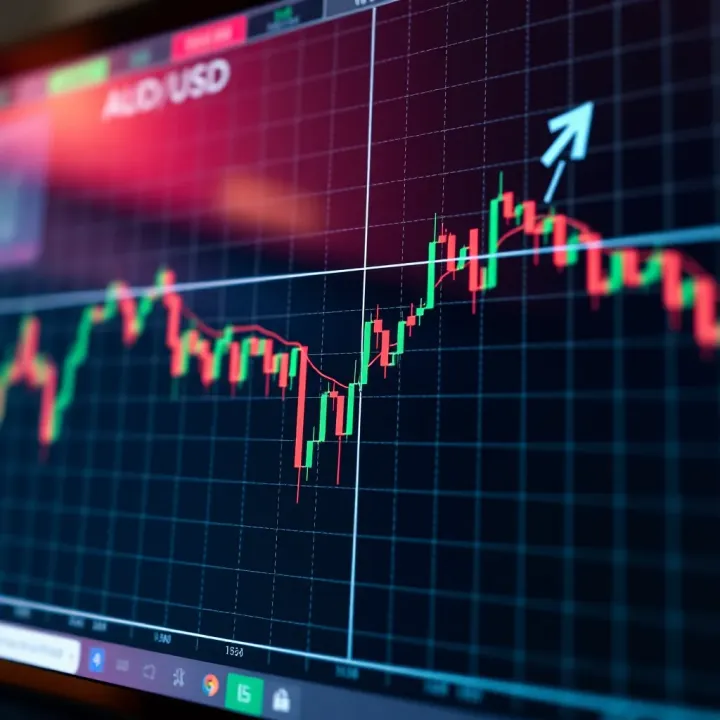
📈 Get the latest AUD/USD forecast with trends, economic indicators, geopolitical impacts, and technical analysis. Stay ahead in trading this key currency pair!
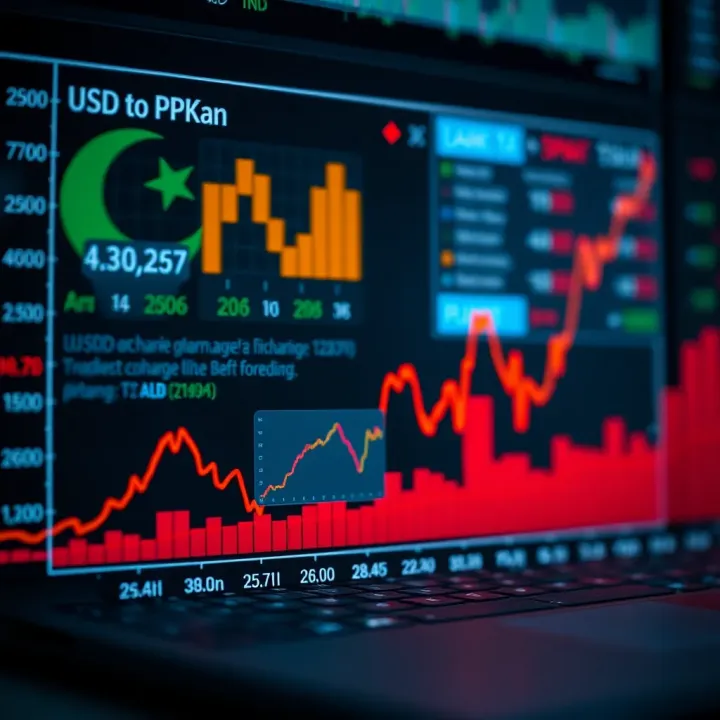
Explore the latest USD to PKR exchange rate trends 📉 and key factors like economic data, political shifts, and market moves affecting your currency decisions 💱.

📉 Explore USD to PKR open market trends, key factors, and expert insights. Get practical tips for handling currency shifts affecting Pakistan’s economy.
Based on 13 reviews