
Gold Price Forecast Today in Pakistan Market
📈 Stay ahead with today's gold price forecasts in Pakistan! Discover key economic updates, global influences, and local demand insights to guide your trades.
Edited By
Liam Foster
Gold has always held a special place in Pakistan's economy and culture, acting as both an investment and a safeguard against inflation. Predicting gold prices today is a complex task influenced by a range of interconnected factors affecting the global and local markets.
Several core elements shape the price of gold daily:
Currency Fluctuations: The Pakistani Rupee (PKR) against the US Dollar heavily impacts local gold prices. A depreciating Rupee often pushes gold rates higher, as Pakistan imports a significant share of its gold and prices are benchmarked internationally in dollars.
Global Economic Events: International trends, such as US Federal Reserve interest rate decisions, inflation figures, and geopolitical tensions, play a substantial role. For instance, when the Fed raises rates, gold tends to weaken as investors prefer yield-bearing assets, affecting prices even in Karachi or Lahore markets.
Demand and Supply Dynamics: In Pakistan, festivals like Eid and wedding seasons witness surges in gold demand, sometimes causing prices to spike. On the supply side, mining outputs and import restrictions can restrict availability, influencing rates.
Expert traders and analysts use various technical and fundamental indicators:
Chart Patterns and Trends: Using historical data from Pakistan Stock Exchange commodities or gold market charts, analysts spot trends, resistance, and support levels to predict price swings.
Economic Indicators Monitoring: Keeping track of inflation rates, government policy announcements, and foreign exchange reserves published by the State Bank of Pakistan helps forecast gold price movements.
Sentiment Analysis: News on political stability, regional conflicts, and trade agreements can quickly shift investor sentiment, affecting short-term prices.
"Understanding these factors in combination gives a clearer picture, reducing guesswork for investors looking to time their entry or exit from gold markets in Pakistan."
Stay updated on PKR-USD exchange rates daily.
Watch for SBP monetary policy changes.
Consider seasonal demand patterns linked to festivals.
Use reliable local market reports and price listings.
This introduction sets the stage for a detailed examination of today's gold price predictions, helping investors and market watchers make informed decisions based on real-time data and trends.
Understanding the current overview of gold prices in Pakistan is essential for anyone involved in trading, investment, or economic analysis. This section focuses on real-time price developments, recent trends, and local currency effects that influence gold rates. Having accurate, up-to-date information allows investors to time their buying or selling decisions better and manage risk effectively.
Live market updates provide immediate insights into the fluctuating gold prices throughout the day. These updates reflect ongoing changes due to international cues, currency shifts, and local demand. For example, traders monitoring prices on platforms like the Karachi Gold Exchange can react swiftly to sudden spikes caused by geopolitical tensions or rupee volatility.
Comparison with recent days helps identify short-term patterns such as rising or falling trends. If gold prices show consistent gains over the past few days, investors might view it as a signal to buy before prices climb further. Conversely, a downward price trend over several sessions could warn traders to hold off or sell to minimise losses.
Impact of PKR movement on gold price remains significant in Pakistan's context. Since gold is priced internationally in dollars, a depreciation of the Pakistani rupee usually pushes local gold prices up. For instance, if the rupee weakens from Rs 280 to Rs 285 against the dollar, gold priced in PKR rises even if the international dollar price stays steady. This currency effect often influences consumer demand and affects jewellery market activity, especially around festive seasons.
Global gold demand and supply continue to shape price movements. Central banks’ buying, jewellery demand in countries like India and China, and mining output affect the global gold pool. Reduced supply due to mining disruptions, such as strikes or natural disasters, tends to push prices up. Meanwhile, weaker demand, as seen during economic slowdowns, can soften prices.
Effect of international markets (London, New York) plays a vital role. London Bullion Market, being the global hub, sets a benchmark price through trading in various time zones. New York’s COMEX futures market influences daily sentiment through speculative activity. For Pakistani investors, shifts in these markets often precede local price adjustments, so keeping an eye on their movements adds trading advantage.
Local Pakistani economic indicators including inflation rates, monetary policy decisions by the State Bank of Pakistan (SBP), and political stability affect gold prices locally. When inflation in Pakistan ticks up or the SBP signals an interest rate cut, gold becomes more attractive as a hedge. Similarly, political unrest tends to raise demand for gold due to its safe-haven status among Pakistani consumers.
Monitoring these multiple elements together provides a realistic snapshot of gold pricing today in Pakistan, empowering investors and traders to make informed choices that align with real market conditions.
Economic and geopolitical factors significantly shape gold price movements, especially in volatile markets like Pakistan’s. Investors closely track these influences to anticipate price changes and safeguard their portfolios. Understanding the global and local conditions helps explain why gold often reacts ahead of other assets, making it a key tool for hedging against uncertainty.
US dollar performance and interest rates play a direct role in gold pricing. Since gold is priced in US dollars, a stronger dollar usually pushes gold prices down, as it becomes costlier for buyers using other currencies. For instance, when the US Federal Reserve increases interest rates, the dollar tends to strengthen, causing gold to lose some appeal as a non-yielding asset. Conversely, falling interest rates weaken the dollar, often lifting gold prices. Pakistani investors should monitor the Federal Reserve's decisions closely, as swings in the dollar affect the PKR-to-gold conversion rate and import costs.
Inflation trends worldwide also impact gold demand. Gold historically acts as a hedge against rising inflation because its value generally keeps pace with or exceeds the loss of purchasing power in fiat currencies. For example, during periods when inflation in the US or Europe spikes, global demand for gold rises, pushing prices upward. In Pakistan, where inflation rates fluctuate and affect everyday costs, rising global inflation adds pressure on gold prices and, therefore, on investors who look to gold as a safeguard.
Stock market volatility influences gold as well. When equity markets falter due to economic shocks or geopolitical concerns, investors often turn to gold as a safer asset. This 'flight to safety' boosts gold prices. In 2023, for example, sudden dips in major stock indices triggered increased gold purchases worldwide. Pakistani traders watch such market moves since local equity volatility and foreign investment trends also shape gold's local appeal.
Political uncertainty in Pakistan frequently causes gold prices to fluctuate. Political instability raises risk perceptions among investors and consumers, who then view gold as a stable store of value. Periods of turmoil, such as election times or policy deadlocks, often see surges in gold buying. This demand-driven price hike reflects concerns over currency stability and future economic conditions.
The rupee's devaluation directly affects gold affordability and pricing in Pakistan. As the rupee weakens against the US dollar, gold priced in dollars becomes more expensive locally. For example, a sharp drop in PKR value can push gold prices up by several thousand rupees per tola overnight. This connection makes rupee stability a key focus for anyone tracking or trading gold domestically.
Finally, the monetary policy by the State Bank of Pakistan (SBP), especially interest rate adjustments and money supply controls, influences gold prices indirectly. When the SBP raises policy rates to curb inflation, it can temporarily pressure gold prices down as borrowing costs rise and alternative investments become more attractive. However, persistent monetary tightening accompanied by economic strain may eventually revive gold demand as investors seek protection. Hence, SBP’s moves are closely monitored by traders to time gold transactions.
Understanding these economic and geopolitical factors gives Pakistani investors an edge. It allows them to anticipate price movements, reduce risks, and make better-informed decisions in gold trading or investment.
Predicting gold prices is essential for traders and investors who want to make informed decisions in a volatile market. Using reliable methods and tools helps anticipate price movements and manage risks effectively. This section covers how technical and fundamental analyses provide distinct yet complementary approaches to forecasting gold price trends.
Reading charts and trends involves studying historical price data plotted over time to identify patterns and potential future movements. For example, observing a consistent upward trend in gold prices over several weeks may suggest continued buying interest. Patterns like head and shoulders or double bottoms often signal reversals or continuation in price direction. Traders rely on these visual cues to time their entry or exit points, especially for short-term trading strategies.
Moving to common indicators used in gold forecasting, analysts frequently use tools like the Moving Average Convergence Divergence (MACD), Relative Strength Index (RSI), and Bollinger Bands to gauge price momentum and volatility. RSI, for instance, signals overbought or oversold conditions, indicating when gold might be due for a correction. MACD helps spot trend changes by comparing short-term and long-term moving averages. These indicators help traders identify potential buy or sell signals without depending solely on price charts.
However, there are limitations of technical analysis to keep in view. It mostly relies on past price movements and assumes that history repeats itself, which is not always true. Unexpected global events or major economic announcements can disrupt patterns immediately. Technical analysis can also generate false signals, especially in a choppy or sideways market, misleading investors. Thus, it works best when combined with other methods.
Evaluating economic reports is key to fundamental analysis. Data like inflation rates, interest rate decisions by the State Bank of Pakistan (SBP), or reports on industrial demand influence gold prices significantly. For example, a rise in inflation usually pushes investors toward gold as a hedge, increasing demand and price. Analysts monitor these economic indicators regularly to anticipate shifts in the market.
The role of geopolitical news cannot be overstated in gold pricing. Tensions in regions like the Middle East, trade disputes, or political instability in Pakistan often trigger safe-haven buying, pushing gold rates up. For instance, during heightened diplomatic tensions, investors typically move away from stocks and towards gold, impacting prices sharply. Staying updated with political developments helps forecast sudden gold price changes.
Finally, insights from bullion market experts provide valuable advice by interpreting complex market signals and integrating insider knowledge. Experts from major commodity firms or analysts at financial institutions often share forecasts based on a blend of economic data and market sentiment. Their commentary can offer investors a clearer perspective on probable price directions.
Combining technical analysis and fundamental insights equips investors with a more balanced understanding, enabling better timing and risk management in gold trading.
Using these methods helps Pakistani investors and traders navigate the gold market with greater confidence, adapting to daily changes influenced by economic trends and geopolitical events.
Understanding practical guidance is essential for anyone looking to invest in or buy gold in Pakistan. With fluctuating gold prices affected by multiple factors locally and globally, knowing how to navigate market signals can save significant money and protect investments. This section focuses on actionable advice, helping both seasoned investors and everyday consumers make sensible decisions.
Short-term strategies usually involve buying gold when prices dip slightly, aiming to sell when prices rise within a few days or weeks. This approach suits investors who actively watch market movements and can handle quick decisions. For example, during periods of currency volatility in Pakistan, traders might take advantage of sudden rupee fluctuations to buy gold in the hope of immediate gains. Meanwhile, long-term investment focuses on holding gold for years to hedge against inflation and economic uncertainty. Those investing for long term usually do not react to daily price changes but keep an eye on broader trends such as SBP monetary policy and global inflation rates.
Gold serves as a hedge against inflation and currency devaluation, common risks in Pakistan’s economic landscape. For instance, when the rupee weakens, gold’s value in PKR often rises, protecting purchasing power. Investors often allocate part of their portfolio to gold to balance risks from the stock market or foreign exchange fluctuations. This strategy ensures losses in other sectors do not overly hurt the investor’s net worth. Even consumers saving for major expenses like weddings or property down payments can benefit by purchasing gold as a safe asset.
Nowadays, mobile apps and websites provide up-to-the-minute gold prices, news, and analysis tailored for Pakistan’s market. Platforms like Daraz’s gold section, local jewellery dealers’ apps, and financial news sites help investors track price changes in real time. Access to immediate data supports timely decision-making, especially for short-term traders. It also increases transparency and helps consumers verify rates before buying from shops. This convenience reduces the chances of being overcharged due to delayed information.
Buying gold through well-known, reputable dealers mitigates risks related to fraud or low-quality products. In Pakistan, recognised jewellery markets in Karachi’s Saddar, Lahore’s Liberty Market, and Islamabad’s Blue Area have established dealers who provide certified gold items. Alternatively, authorised banks and government-backed gold schemes also offer safer purchase options. Verifying a dealer’s credentials and customer feedback can prevent costly mistakes.
Gold purity significantly impacts its value. In Pakistan, 24 karat gold is most sought after, but 22 karat is also common. Buyers must insist on proper certification, such as a Purity Test Certificate or hallmark, which assures gold’s authenticity and weight. This is especially important since adulteration is a known problem in some local markets. Certified jewellery also makes reselling easier, as buyers demand verified quality.
Gold prices in Pakistan often move with rupee value and global gold trends. Timing your purchase can shave off a few thousand rupees per tola. For example, many buyers wait for market dips after geopolitical tensions ease or before religious festivals when demand spikes push prices up. Investors should watch the market closely around budget announcements or inflation reports for sudden price swings. Buying at relatively low points and selling or holding when prices rise can improve returns.
Regularly updating your knowledge and acting on trusted data is key when dealing with gold investments or purchases in Pakistan’s dynamic market.
By following these practical tips on buying, selling, and using price predictions, you can better protect your money and make gold work for you amid local and global uncertainties.
📈 Stay ahead with today's gold price forecasts in Pakistan! Discover key economic updates, global influences, and local demand insights to guide your trades.
📈 Discover what drives today’s gold prices in Pakistan—covering economic cues, global events, and market shifts. Smart tips for investors and forecasts included.
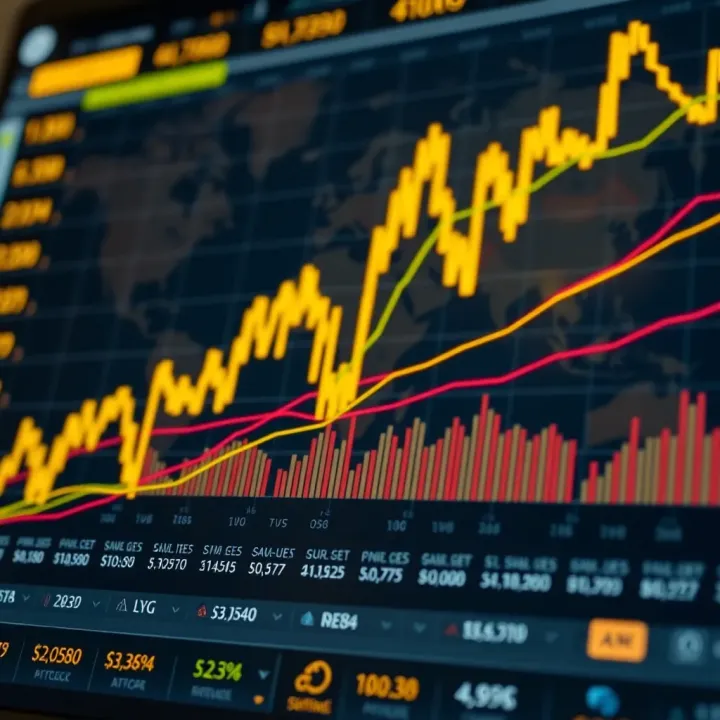
📈 Understand gold price trends with insights on economic signals, geopolitical risks, demand-supply patterns, and Pakistan-specific factors for smarter investment decisions.
📈 Understand Link Coin's price trends and forecasts tailored for Pakistani investors. Learn about market factors, risks, and smart trading tips in Pakistan’s crypto scene.
Based on 10 reviews