

Comprehensive Guide to Trading Books in PDF
📚 Explore a detailed guide on trading books in PDF format—types, key topics, selection tips, and practical advice for traders in Pakistan and beyond.
Edited By
Lucy Graham
Trading isn't just about luck or gut feeling; it involves understanding patterns, managing risks, and making informed decisions. For anyone diving into the world of trading—whether stocks, forex, or commodities—grasping the foundational knowledge can make a real difference. And that's where trading PDF books come in. These downloadable resources offer a flexible and often cost-effective way to learn at your own pace.
In this guide, we'll explore how trading PDF books can serve as valuable tools, laying out what topics you should expect to find, the benefits of using these materials, and how to pick the right ones for your level and goals. Whether you're just starting out or aiming to sharpen your strategies, trading books in PDF form can fit right into your learning routine, helping you turn theory into practice without feeling overwhelmed.
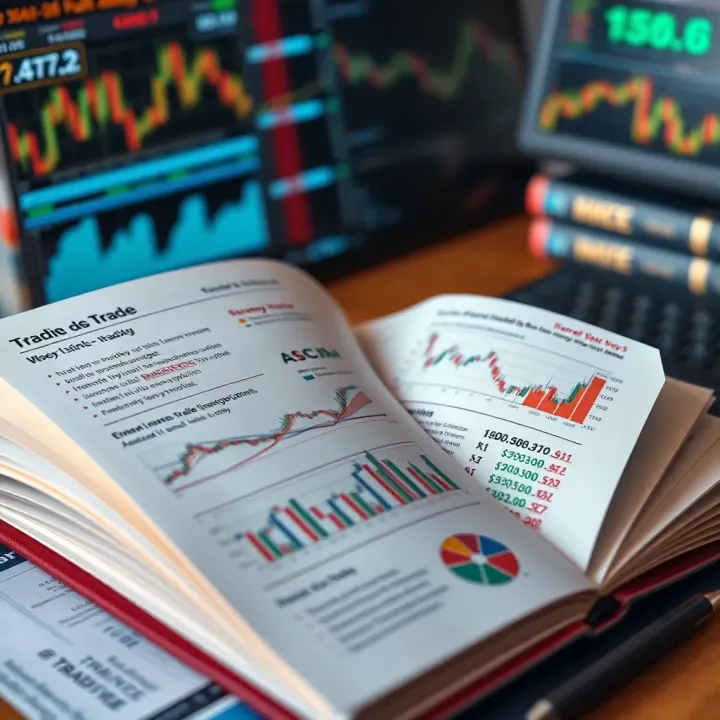
Learning to trade successfully is about applying solid knowledge in real situations. The right PDF book can be your companion along this path.
We’ll cover essential trading concepts like technical analysis, risk management, and popular strategies, plus practical advice on how to use these books effectively. This overview sets the stage for getting the most out of your trading education through downloadable materials, making complex ideas more approachable and actionable.
Trading PDF books have become an indispensable resource for traders of all levels looking to strengthen their understanding and skills in financial markets. They offer a practical way to access in-depth knowledge without the bulk of traditional textbooks or the distractions of online video lessons. Unlike web content which can sometimes be scattered or incomplete, these PDFs usually present a structured and focused curriculum covering everything from basics to advanced strategies.
At the heart of their appeal is the combination of convenience and depth. For instance, a trader can download a detailed guide on technical analysis or the intricacies of swing trading, then keep it handy for quick reference during market hours or study sessions. This blend of portability and comprehensive material makes trading PDFs a valuable tool in an investor’s toolkit.
One of the standout benefits of trading PDFs is their portability. You can download these books once and carry them across devices such as smartphones, tablets, or laptops without any hassle. This flexibility means a trader isn’t chained to a desktop or heavy book but can study wherever they choose—during a commute, at a cafe, or even while waiting in line. The format itself is lightweight and doesn’t demand heavy internet usage after download, which is especially useful in areas with spotty connectivity.
Unlike printed materials, PDFs come with built-in search functions that help pinpoint exact terms or topics quickly. This feature is a lifesaver when you want to revisit a concept like "moving averages" or "pivot points" without flipping through dozens of pages. Further, many PDF readers allow annotations such as highlights, notes, and bookmarks, enabling customized study sessions. Making marginalia this way helps traders keep track of insights or questions to revisit, effectively turning the PDF into a living document tailored for personal learning.
Once downloaded, trading PDFs are available offline at any time. This is beneficial for traders operating in regions with unreliable internet or those who prefer focused study sessions without digital distractions that come with online platforms. For example, an investor traveling to remote areas can still access crucial market strategies without worrying about losing connection.
Many trading PDFs come at little to no cost, or are offered at a fraction of the price compared to physical books or paid online courses. This affordability makes knowledge accessible to a broader audience, including new traders working within strict budgets. Consider how popular titles like "Forex Trading for Beginners" or "The Basics of Stock Market Investing" are often distributed as free downloadable PDFs by reputable brokers and trading educators.
Trading PDFs cover an impressive spectrum of subjects—from fundamental analysis and charting techniques to psychological aspects of trading and risk management. This diversity means traders can find specific resources aimed at their level and interests, whether it’s exploring options trading or understanding cryptocurrency markets. For instance, some PDFs specialize in day trading tactics tailored for the Karachi Stock Exchange, reflecting regional market peculiarities.
Choosing trading PDF books provides a practical, affordable, and flexible way to gain financial market knowledge applicable across various trading styles and geographic locations. Their user-friendly features empower traders to learn smartly and efficiently.
Grasping the core concepts is the bedrock of becoming a confident trader or investor. Trading books often distill these fundamentals in a way that’s easy to digest, helping readers build a strong foundation. Without this basic understanding, navigating the markets can feel like wandering in the dark. Let's break down these crucial elements so you can see how they tie into practical trading.
Financial markets come in different shapes and sizes, each with its own peculiarities. For instance, the stock market deals with buying and selling company shares, while the forex market revolves around currency exchange. Then you have commodities like gold and oil traded on separate platforms. Understanding these market types helps traders decide where to focus their efforts depending on their risk tolerance and interests.
Think of it like visiting different markets in a city—each specializes in certain goods and has its own vibe. A trader interested in fast moves might lean towards forex, where prices swing quickly, while someone preferring stability might pick stock indices. Trading books often outline these market segments to help you recognize which fits your style.
The market isn't just a place; it's a bustling crowd of participants with varying motives and strategies. You've got retail traders (people like you and me trading from home), institutional investors like mutual funds, and market makers who provide liquidity. Each player moves the market differently.
Knowing who’s driving the action gives you an edge. Say, if a big bank starts buying heavily, prices might surge. Identifying such moves isn't guesswork but a skill honed by learning about market participants’ behavior, which good trading books clarify clearly.
Technical analysis centers on reading charts to predict future price movements, much like reading tea leaves. Common charts include line, bar, and candlestick, the latter favored for the detail it shows about open, close, highs, and lows in each time frame.
Patterns like "head and shoulders" or "double tops" signal potential reversals or continuations in trends. Recognizing these can help you decide when to enter or exit trades. For example, spotting a "bull flag" pattern often hints at a brief pause before prices climb again, offering an entry point.
Trading PDF books usually provide numerous examples of these patterns with illustrations, making it easier to spot them during real trading.
These are mathematical tools applied to price data to give insights into momentum, trend strength, or potential reversals. Indicators like Moving Averages smooth out price swings and show prevailing trends while oscillators like RSI (Relative Strength Index) indicate overbought or oversold conditions.
Understanding when to trust these tools and when not to is key. For instance, relying solely on RSI during a strong uptrend might lead to premature exits. Comprehensive books don’t just list indicators but teach practical ways to combine them effectively.
Economic indicators are stats released by governments or agencies that show the health of an economy—think unemployment rates, GDP growth, inflation figures. These stats drive markets, sometimes causing sharp price moves.
For example, a lower unemployment rate usually signals economic strength, possibly pushing stock prices higher. Traders who keep an eye on these indicators can anticipate shifts and adjust their strategies accordingly.
Good trading PDFs explain where to find reliable data sources and how to interpret these figures in real-world contexts.
When trading stocks, digging into a company’s financial reports—like income statements and balance sheets—is non-negotiable. This helps assess the company’s profitability, debt levels, and growth potential.
Take earnings per share (EPS) or debt-to-equity ratio as examples; a rising EPS can indicate solid growth, while a high debt load may warn of potential trouble. Armed with this knowledge, traders can pick stocks with better prospects and manage risk smarter.
Trading books often walk through real company reports and highlight which numbers deserve attention, making this dry subject easier to grasp.
Getting a firm grip on these core trading concepts sets the stage for making informed decisions instead of blind guesses. Whether your interest lies in stocks, currencies, or commodities, understanding markets, technical cues, and fundamental data transforms the trading experience from risky to strategic.
By mastering these basics through well-structured PDF books, you step closer to trading with confidence rather than hope.
Understanding common trading strategies is a key step for anyone wanting to navigate the financial markets more confidently. These strategies are not just theoretical concepts but practical tools that help traders and investors make decisions based on market behavior, risk tolerance, and investment goals. In trading PDF books, you’ll often find detailed explanations of these strategies because they form the backbone of effective trading.
Scalping is like fishing in a fast-flowing river—traders aim to catch many small profits throughout the day. It involves making dozens or even hundreds of trades within a single session to take advantage of tiny price changes. Scalpers often rely on 1- to 5-minute charts and need quick decision-making skills, as trades can last just a few seconds or minutes.
For example, a scalper might buy shares of a stock trading at 100.50 and sell just seconds later for 100.60, repeating this multiple times. The small wins add up, but scalping demands a strict exit strategy to avoid losing more than the small gains.
Momentum trading is about riding the wave of a strong price move. Traders who spot stocks or assets gaining traction on high volume jump in to capture the upward or downward momentum before it fades. This technique often uses indicators like the Relative Strength Index (RSI) or moving averages to identify whether a stock is likely to keep moving in one direction.
An example would be buying a stock after it breaks above a key resistance level with heavy buying volume, aiming to ride the price higher for a few hours or days. Momentum traders benefit from trends that are strong and sustained but must be prepared for sudden reversals.
Trend following is a more patient strategy where traders attach themselves to an existing trend, hoping it continues. Whether the market is climbing or falling, a trend follower aims to profit by maintaining positions over days or weeks.
For instance, if a currency pair has been steadily gaining strength for several weeks, a swing trader might buy it and hold until signs show the trend weakening. This strategy often uses tools like moving averages or trendlines to confirm direction.
Reversal strategies look for signs that a current trend is about to flip. Traders using this approach watch for patterns like double tops, hammer candles, or divergence between price and momentum indicators to predict when a bullish trend turns bearish or vice versa.
A practical case is spotting a stock that has been dropping steadily but shows a strong bullish engulfing candle paired with oversold RSI levels — signaling a possible upward reversal. This approach carries more risk as timing the market shift is tricky, but can lead to high reward if done right.
The buy and hold method is straightforward: purchase quality assets and keep them over a long period, ignoring short-term market noise. This is popular among investors who believe markets tend to rise over time despite ups and downs.
For example, buying shares of a blue-chip company like Nestle Pakistan and holding for several years can yield solid returns through both capital appreciation and dividends. This strategy suits those who prefer less active management and lower transaction costs.
Value investing focuses on finding undervalued assets that are trading below their intrinsic worth. Investors using this strategy dig into company financials, earnings reports, and market conditions to identify bargains.
Warren Buffett's approach is a famous instance of value investing, where he looks for stocks with solid fundamentals but temporarily depressed prices. For traders using PDFs, learning to assess financial ratios like P/E (price-to-earnings) and book value is key to applying value investing effectively.
Every trader or investor benefits from understanding these diverse strategies. They provide a toolkit that can be tailored to individual goals and risk levels, making trading PDF books invaluable resources for mastering the art.
Choosing the right trading PDF books is a step that can either set you on the path to success or leave you tangled in confusion. With countless titles available, picking those that truly serve your learning goals is key. The right PDFs not only save time but also build confidence by offering clear, trustworthy, and relevant insights tailored to your trading level and interests.
When scanning through trading PDFs, one of the prime considerations is the author’s background. A writer with years of hands-on market experience and a track record of trading or investment success brings authenticity and practical wisdom to their book. For instance, someone like Alexander Elder, renowned for his multi-faceted expertise in trading psychology and technical analysis, ensures that readers get tried-and-true advice rather than just theoretical concepts. Checking the author's biography or previous publications can give you a quick gauge of their authority. A drilling down into whether the author works as a professional trader, financial analyst, or educator helps you differentiate experts from mere enthusiasts, which can be crucial if you want to avoid misleading information.
Reader feedback acts as a real-world checkpoint. Reviews often reveal whether a book truly lives up to its claims or if it misses the mark. Look for reviews that mention specific takeaways, ease of understanding, or practical examples—not just generic praise. For example, a trader might share how "Technical Analysis of the Financial Markets" by John Murphy helped them finally grasp chart patterns that led to better decision-making. Reviews also flag outdated or overly complex content, which is helpful when you want to avoid books that may create more confusion than clarity. Platforms like Amazon or trading forums include honest user opinions that you can rely on.
Not all trading PDFs speak every learner’s language. If you’re just starting, diving into dense, jargon-heavy texts meant for veterans can feel like trying to catch fish with a broomstick. Conversely, advanced readers looking to sharpen specific skills won’t benefit much from simplified, general guides. It’s critical to identify your current level and match it to the book’s complexity. Books like "Trading for Dummies" are excellent for beginners, breaking down concepts step-by-step, while something like "Market Wizards" features deep interviews and strategies better suited for seasoned traders. Before buying, skim the table of contents or intro to spot if the language and topics align with your comfort and knowledge.
Trading isn’t a one-size-fits-all game. Different markets come with unique rules, trends, and instruments—from stocks and forex to commodities and cryptocurrencies. Prioritizing PDFs that concentrate on the market you want to trade helps prevent learning irrelevant details. For example, a PDF focusing on forex strategies like those by Kathy Lien dives deep into currency trading specifics, which won't be as useful to someone more interested in equity markets. Aligning the book’s market focus with your trading goals ensures efficient learning and faster application.
Picking the right PDF isn't just about grabbing the most popular book—it's about selecting one that fits your level, market interest, and provides credible, practical teachings. This way, you avoid wasted time and move steadily toward trading your way.
Understanding these points helps traders and investors sift through the clutter to find resources that educate effectively and build confidence in their trading journey.
Using trading PDF books effectively can be the difference between skimming through information and genuinely absorbing it to improve your trading skills. Many traders download these resources but don't apply a methodical approach, which often leads to confusion or frustration. By focusing on structured study habits and practical applications, traders can extract much more value from the knowledge packed in these books.
Setting clear learning goals is like charting a map for your trading education. Without goals, it’s easy to get lost in the sea of information or jump from one topic to another without mastering any. For example, you might want to focus on mastering candlestick patterns first before moving on to more complex indicators. These goals should be specific and attainable, such as "Understand and practice three major candlestick patterns in two weeks." This helps keep your progress measurable and keeps motivation high.
Consistency beats intensity when it comes to learning. Carving out a specific time daily—or several times a week—to read and review trading PDFs can build momentum and make complex material more digestible. Perhaps you allocate 30 minutes every morning before market open to study a chapter. This regular engagement allows concepts to sink in slowly, preventing burnout and information overload. Unlike cramming, this paced approach leads to better retention and hands-on application.
Paper trading is practicing trades without risking real money and is invaluable when applying new strategies learned from PDFs. Suppose you read about momentum trading strategies; paper trading lets you simulate these moves in real market conditions without financial risk. Several platforms like Thinkorswim or TradingView offer paper trading accounts. It’s a sandbox where you test your understanding, manage emotions, and refine your approach before stepping into real markets.
Backtesting involves applying trading strategies to historical data to see how they would have performed in the past. This is crucial because it gives you a reality check before risking capital. For instance, after studying a particular swing trading approach in a PDF, you can use tools like MetaTrader or Amibroker to run that strategy on past price movements. This helps identify weaknesses, optimize parameters, and build confidence in your plan. It’s a practical way to connect theory with real market behavior.
The key to mastering trading through PDFs lies not just in reading but in structuring your study and testing your knowledge in conditions that mirror live markets.
In summary, combining a disciplined study routine with simulated trading and backtesting creates a strong framework for turning theoretical knowledge into practical skill. This approach helps traders of all levels move beyond just reading and start actively improving their trading game.
Trading PDF books can be a great resource, but they come with their own set of challenges. Knowing what to watch out for helps you avoid wasting time or getting confused by conflicting or overwhelming information. This section digs into the common mistakes traders often make when using PDFs for learning and how to steer clear of them.
When you open trading PDFs, especially comprehensive ones, it’s easy to get caught up trying to absorb every little detail. But not all information is equally important. Focus first on core concepts like risk management, chart patterns, and market psychology. For example, mastering support and resistance levels can give you a much stronger foundation than diving into complex indicators right away.
Try summarizing chapters after you read them and highlight the main points. This approach helps filter out noise, so you can build a clear, practical understanding step by step without getting lost in jargon or advanced strategies too soon.
Too much data and technical details can quickly bog down your learning. If you cram too much at once, information doesn’t stick, and frustration sets in. Break your study sessions into manageable chunks focusing on one topic at a time. Say you’re working on understanding candlestick patterns—spend a few days really practicing that alone before jumping to oscillators or trading psychology.
Using tools like annotation features in Adobe Acrobat or PDF-XChange Editor can help. You can mark important points to revisit later, preventing the urge to skim-see and miss key insights. Remember, quality beats quantity when building knowledge.
Trading strategies and market conditions evolve, so the age of a PDF book matters. A guide published ten years ago might still cover fundamentals, but it could lack insights into recent market behavior or new tools like algorithmic trading or latest regulatory changes. Always check when the PDF was published.
If you’re studying something like algorithmic trading, you wouldn’t want to rely solely on materials from the early 2000s. Pair older books with recent articles or videos from trustworthy sources, so you stay up-to-date on what's working now.
It’s wise not to treat one PDF book as gospel. Different authors might have varying views or even conflicting advice depending on their trading style or market experience. Cross-reference key ideas with other books, articles, and trusted trading forums like Elite Trader or Trade2Win.
For instance, if a PDF suggests a particular pattern guarantees profits, verify using case studies or market data. Testing these strategies on platforms with historical data, such as TradingView, can help confirm their effectiveness before risking real money.
Always treat trading PDFs as a starting point, not the final word. Diverse perspectives and up-to-date info make your learning accurate and practical.
By steering clear of these common pitfalls, you’ll make your time with trading PDFs more effective and less frustrating. This balanced approach keeps your skills sharp and your strategies grounded in real market realities.
Beyond just reading PDF books, traders often find that rounding out their learning with other resources can make a real difference. PDFs give you solid, structured knowledge, but sometimes you need a bit more interaction or practical insight to grab hold of the concepts fully. That’s where additional resources step in, serving as the glue that bonds theory with practice. For example, an online course might walk you through a fresh market strategy with live examples, or a trading forum can expose you to real-time market chatter and advice.
Jumping into an online course or webinar turns passive reading into active learning, helping you absorb material faster and better. Unlike PDFs, which rely mostly on your self-discipline, these formats often encourage participation through quizzes, live Q&A sessions, and case studies. For instance, platforms like Coursera and Udemy provide trading courses that let you interact with instructors and fellow learners, which can clarify tricky points or spark new ideas. Moreover, webinars hosted by financial experts can alert you to the latest market trends or strategies as they unfold, making your learning timely and relevant.
When looking for online trading classes or webinars, consider platforms that are well-known and trusted in the financial education space. Udemy is popular for its wide range of affordable, beginner-to-advanced courses on technical and fundamental analysis. Meanwhile, Investopedia Academy offers specialized trading courses taught by experienced professionals. For real-time engagement, platforms like TradingAcademy and even YouTube channels such as Rayner Teo’s offer live sessions and recorded lessons that many find helpful. Choosing a site or platform with good reviews and consistent updates ensures you’re learning from reliable sources.
Trading can be a lonely pursuit, especially when you're trying to figure things out with just books or tutorials. Forums and online communities provide peer support — a space where traders from all walks of life can share struggles and victories. Places like Elite Trader or Trade2Win foster interaction among novices and veterans alike, helping traders feel less isolated. This support doesn’t just boost morale; it can also prevent costly mistakes by giving you quick access to others’ real-world experiences.
Forums aren't just for sympathy — they are a goldmine for shared wisdom. Traders often exchange specific tactics, alert peers about market developments, or post recent trade setups and results. This shared knowledge complements the static content in PDF books by offering fresh perspectives and tips tailored to current market conditions. For example, someone might post a detailed breakdown of a breakout trade that worked well this week, giving others a practical snapshot not found in pre-published PDFs.
Tip: Engage actively in these communities but remain cautious; always verify advice against trusted sources and don't follow tips blindly.
Using these additional resources alongside trading PDFs creates a more rounded education. It’s like having a seasoned mentor, a study group, and an interactive classroom all rolled into one. The key is to stay curious and selective — blending the depth of trading books with the flexibility and immediacy of courses and community support.
When diving into the world of trading PDFs, it's easy to focus only on strategies and market info, but legal and ethical considerations form the backbone of a trustworthy trading education. Understanding these ensures that your learning path respects the rights of authors and keeps your trading practices clean and responsible. Besides avoiding trouble, it fosters a professional approach to trading, which is especially important in regulated markets.
Trading PDFs often come from a variety of sources, but it's essential to steer clear of pirated books. These copies might seem like a bargain, but they often contain outdated or incorrect info, which can mess up your learning. Beyond that, downloading or distributing pirated PDFs risks legal consequences, sometimes hefty fines or bans on certain platforms. Stick to authorized sellers and official releases, like books from Wiley Finance or McGraw-Hill’s trading series, to guarantee authenticity and up-to-date content.
Authors pour their time and expertise into creating content that benefits readers. Using PDFs without permission undercuts their effort and can discourage new works. Also, many authors offer special editions or updated versions that aren’t available in pirated copies. Respecting these rights means buying or accessing trading books via proper channels or libraries. When sharing info, always credit the source and never post full PDFs in forums or social media unless the author has allowed it.
Ethical trading starts with knowing your limits. Trading PDFs often touch on risk management — but it’s up to you to apply those lessons honestly. Using excessive leverage or ignoring stop-loss rules just to chase quick wins is reckless and harms your capital and the broader market. Employing sound risk management not only protects you but also contributes to a stable market environment.
Managing risk responsibly is less about big gains and more about consistent survival in trading.
Being ethical means playing fair—without trying to manipulate prices or insider trading. Some newer traders might be tempted to engage in shady tactics, but long-term success hinges on integrity. Trading PDFs that discuss market ethics help by promoting transparency and fair play. Remember, cheating the system might bring short bursts of profit but risks permanent bans or legal trouble. Stick to honest analysis, stick to published info, and contribute positively to market fairness.
In short, respecting legal boundaries and ethical norms isn’t just about following rules; it’s about building a sustainable trading career. This approach not only keeps you out of trouble but also builds credibility, which every trader needs in the long run.
📚 Explore a detailed guide on trading books in PDF format—types, key topics, selection tips, and practical advice for traders in Pakistan and beyond.

Discover essential trading books in PDF format 📚 tailored for Pakistani traders. Learn where to find them, choose based on your style, and use PDFs wisely.

📚 Discover where to find free PDF trading books in Pakistan and learn tips to use them effectively to boost your trading skills without spending a dime!
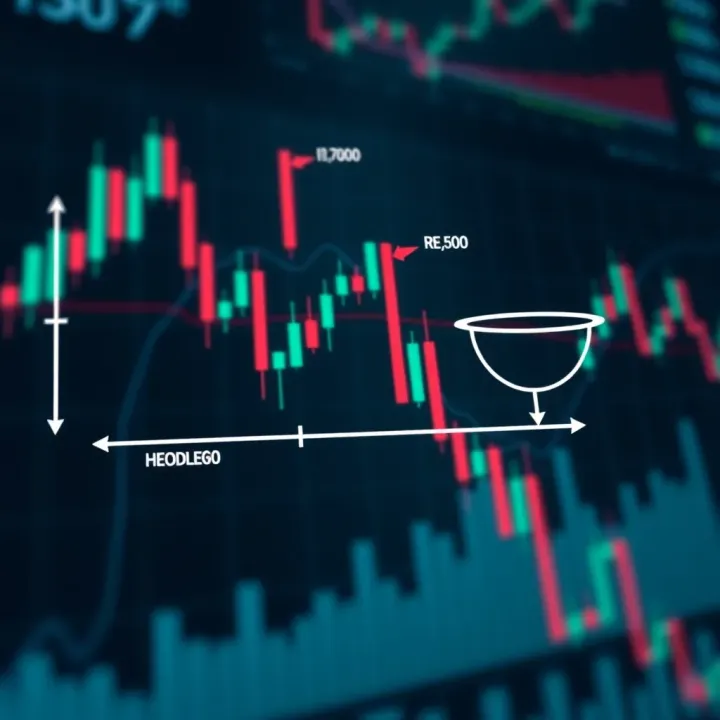
📈 Learn to master trading chart patterns with free PDF guides! Ideal for Pakistan traders looking to boost skills and make smarter trading choices. 📊
Based on 10 reviews