
Understanding Forex Trading in Pakistan
Explore 4x trading in Pakistan: basics, risks ⚠️, strategies 📈, top platforms, regulations 📜, and smart tips for beginners starting Forex confidently.
Edited By
Liam Foster
Forex trading has grown steadily among Pakistani investors, with many turning to international brokers like Exness. However, the question of whether Exness is legal in Pakistan raises important concerns, especially regarding regulations, trader safety, and payment methods.
Pakistan's regulatory environment for forex trading is quite strict. The State Bank of Pakistan (SBP) and the Securities and Exchange Commission of Pakistan (SECP) oversee financial activities but do not currently licence foreign forex brokers like Exness to operate officially within the country. This means Pakistani traders dealing with Exness do so without direct local regulatory protection.
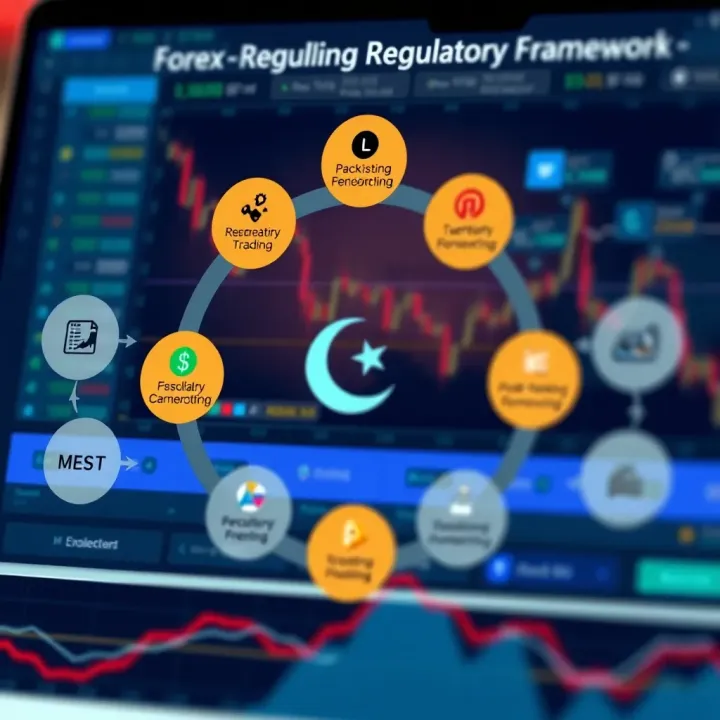
Despite the absence of a local licence, Exness remains popular due to its competitive trading conditions and user-friendly platform. Still, Pakistani traders should understand the risks involved. Transactions and funds with Exness are governed by international regulations where Exness holds licences, for example from the Financial Conduct Authority (FCA) in the UK or Cyprus Securities and Exchange Commission (CySEC). However, these do not guarantee protection under Pakistani law.
Pakistani traders must exercise caution when engaging with forex brokers outside the country’s regulatory framework to avoid potential issues like fraud or difficulty accessing funds.
Payment and withdrawal processes pose additional challenges. Some common payment channels like local bank transfers or JazzCash and Easypaisa are often unavailable or restricted for Exness transactions. Traders usually depend on international bank transfers or e-wallets to fund their accounts, which may involve higher fees or delayed processing.
For those looking for fully compliant options, local brokerage firms registered with SECP offer forex trading with clear legal standing. Alternatively, investors can explore CFD and stock trading through the Pakistan Stock Exchange (PSX), which falls under strong regulatory oversight.
Understanding Exness's regulatory status in Pakistan is crucial to making informed trading decisions. Traders should weigh benefits against drawbacks like limited local legal support and potential payment hurdles to navigate the market safely and effectively.
Understanding forex trading rules in Pakistan is essential for anyone interested in the market, especially when dealing with brokers like Exness. The regulations not only protect traders but also define the boundaries for brokers operating in the country. For example, they determine which brokers can legally offer services, how funds should be handled, and how taxation applies to profits.
Knowing these rules helps traders avoid legal pitfalls and choose platforms that match Pakistan’s legal framework. It also clarifies the responsibilities of traders regarding income reporting and risk management.
The SECP regulates financial markets including securities, mutual funds, and some aspects of forex trading in Pakistan. While it does not allow unlicensed forex brokers to operate locally, SECP plays a vital role in licensing and supervising brokers who offer forex-related services inside Pakistan. This helps protect investors against fraud and malpractice.
For instance, only brokers registered with SECP can legally advertise forex services in Pakistan. SECP’s oversight ensures brokers adhere to proper standards, including transparent pricing and fair trade practices.
SBP mainly oversees the foreign exchange market and controls currency flows in and out of Pakistan. It regulates payments, remittances, and foreign currency accounts to ensure compliance with Pakistan’s monetary policies.
SBP has set rules on who can deal with foreign exchange and how cross-border transactions should be conducted. This affects forex trading by restricting how funds are deposited or withdrawn from overseas brokerages.
For example, Pakistani residents generally cannot use local banks to send money directly to foreign forex brokers unless authorised by SBP.
PTA monitors internet-based services, including online forex trading platforms, to prevent illegal activities and safeguard data security. While the technical regulation focus is more general, PTA may block websites or online services that are unlicensed or linked to scams.
This ensures that online forex trading platforms comply with Pakistan’s telecommunication rules and do not violate cybersecurity or digital transaction laws.
Foreign brokers like Exness can offer services globally but must comply with Pakistani laws when targeting Pakistani traders. Currently, most international brokers are not registered with SECP and thus operate in a legal grey area.
Pakistani regulators require foreign brokers to obtain proper licences before actively marketing or operating inside Pakistan. Without SECP registration, such brokers cannot offer legal protection to local traders.
For example, Exness does not have a licence from SECP or SBP, meaning Pakistani traders are responsible for their own due diligence when using their services.
The Federal Board of Revenue (FBR) requires all resident taxpayers to declare income earned through forex trading, including profits from platforms like Exness. This income is subject to applicable taxes based on local income tax slabs.
Traders should maintain clear records of their transactions and profits for accurate tax filing. Failure to report forex earnings correctly can lead to penalties or legal issues.
In practice, many traders face challenges tracking foreign transactions, making compliance with FBR's reporting rules more difficult but important for legal trading.
Understanding these regulations is vital before starting forex trading in Pakistan, as they govern legal permissions, fund safety, and tax compliance for traders using domestic or international brokers.
Understanding the legal status of Exness plays a key role for Pakistani traders who consider forex trading through this platform. The broker's registration, regulatory oversight, and compliance affect how safely and legally you can trade, what protections you have, and how to navigate potential issues.
Exness holds licences from several reputable international regulators, such as the Cyprus Securities and Exchange Commission (CySEC) and the Financial Services Authority (FSA) of Seychelles. These licences demonstrate that Exness adheres to certain global standards around capital requirements and client fund protection, which can offer some reassurance about its operational legitimacy abroad. For example, CySEC-regulated brokers must keep client funds in segregated accounts, reducing risks during financial troubles.
However, Exness is not registered with Pakistani authorities like the Securities and Exchange Commission of Pakistan (SECP) or the State Bank of Pakistan (SBP). That means it does not have local approval to operate within Pakistan’s regulated framework. Without SECP or SBP licensing, Exness does not have a legal mandate in Pakistan, which leaves Pakistani regulators with limited control over its activities.
Trading on Exness without local regulation comes with specific risks and responsibilities. Since the broker is unregulated in Pakistan, traders cannot rely on local oversight or consumer protection schemes. For instance, if a dispute arises, Pakistani courts or consumer bodies may find it hard to intervene effectively, pushing traders to resolve issues through foreign jurisdictions or arbitration clauses.
Additionally, using Exness means Pakistani traders must stay vigilant about their funds, ensuring they practice good risk management. Unlike brokers licensed by SECP, Exness does not have to comply with local reporting or conduct standards, which could expose traders to risks like unexpected changes in leverage or trading conditions.
On the legal front, Pakistani traders face potential consequences when trading with unregistered brokers. Local laws generally require forex intermediaries to be licensed by SECP; failing that, using such platforms may conflict with regulatory guidelines. While individual traders are not often prosecuted, this grey area means they technically operate at their own risk without explicit legal protections. For example, the SBP’s restrictions on foreign currency dealings could be relevant if transactions lack proper documentation or tax reporting.
Pakistani traders using Exness should double-check compliance with tax laws, including declaring forex profits and maintaining transaction records, to avoid issues with the Federal Board of Revenue (FBR).
In short, while Exness offers an internationally recognised trading platform, its lack of local registration means Pakistani traders must weigh the legality and risks carefully before getting involved. Understanding these factors can help traders make informed decisions and safeguard their investments properly.
Safety and security are key when choosing any forex broker, especially when the broker is not regulated locally. Traders in Pakistan should understand how their funds are protected and what risks they face if problems arise. Knowing what safeguards Exness offers helps traders make informed decisions and avoid unnecessary losses.
Exness operates segregated client accounts, which means traders' deposits are kept separate from the broker's own money. This segregation is crucial because it ensures client funds are not used for the company’s operational expenses or other investments. For example, if Exness faces financial difficulties, traders’ money stored in these segregated accounts remains protected and can be returned to them. This setup adds a practical layer of security, reassuring traders their funds aren't mingled with business risks.
On the compliance front, Exness follows regulatory requirements set by international authorities such as the Cyprus Securities and Exchange Commission (CySEC) and the Financial Conduct Authority (FCA) in the UK. These regulators demand strict rules for client fund protection, transparency, and periodic audits. Although Exness lacks registration with Pakistani bodies like SECP or SBP, adherence to international rules provides some safety net. Traders should note, however, that these protections apply primarily under the jurisdictions where Exness is licensed, not in Pakistan.
One major concern for Pakistani traders using unregulated brokers like Exness is the absence of local dispute resolution mechanisms. If any disagreement or fraud claim arises, traders cannot approach SECP or other local authorities for help. Unlike registered brokers who must follow Pakistan’s financial laws, unregulated brokers operate without local oversight, leaving traders with limited recourse and no official protection.
Moreover, recovering funds in case of a problem becomes challenging with unregulated brokers. For instance, if Exness were to freeze accounts, face insolvency, or refuse withdrawal requests for any reason, Pakistani traders might struggle to retrieve their money. The lack of enforcement power by Pakistani regulators means legal action often involves lengthy, costly international procedures with uncertain outcomes. This risk is something every trader must weigh carefully before committing funds.
Use brokers with strong fund protection measures and clear regulatory backing whenever possible, especially in Pakistan’s unregulated forex environment.
Understanding these safety aspects helps Pakistani traders guard against pitfalls when trading forex through international, unregulated brokers like Exness.
When trading forex with platforms like Exness, understanding how to fund accounts and withdraw profits in Pakistan is essential. Payment methods directly affect the ease, cost, and speed of transactions. Pakistani traders need reliable options that are compatible with local financial systems and comply with regulatory requirements.
Mobile wallets such as JazzCash and Easypaisa have grown popular for their convenience and wide acceptance. Many Pakistani traders prefer these wallets to deposit funds into their forex trading accounts because they offer swift transactions without the need to visit a bank. For instance, a trader sitting in Lahore can top up their Exness account using JazzCash app in a matter of minutes, avoiding traditional banking delays. However, traders must check if the forex broker accepts mobile wallet payments directly or via approved intermediaries.
These wallets also ease currency conversion and reduce dependence on physical cash, which helps during floods or loadshedding periods that disrupt access to banks. On the downside, transaction limits and additional processing fees may apply, so traders should factor these into their planning.
Bank transfers remain a common choice, especially for larger deposits and withdrawals. Pakistani traders usually use local bank accounts from institutions like HBL, MCB, or Allied Bank for wiring funds to their forex broker. It is crucial to keep documentation of these transactions for tax and regulatory purposes.
While transfers are secure, they might take 1–3 business days due to interbank processing and compliance checks, particularly with foreign financial institutions. Traders should also be cautious about conversion rates and possible international banking charges. Communicating with your broker’s support team to confirm accepted banks and transfer instructions can avoid avoidable delays.
Profits from forex trading are taxable under Pakistan’s income tax laws. The Federal Board of Revenue (FBR) requires individuals to declare any earnings from forex trading on their income tax returns. Failure to do so might invite penalties or legal scrutiny.
Traders should maintain clear, up-to-date records of all deposits, profits, and withdrawals to substantiate their tax declarations. For example, if you earned Rs 2 lakh from forex trading in a year, this amount should appear on your tax return under capital gains or income from other sources as per FBR guidelines.
To comply fully, traders must have a National Tax Number (NTN) and file annual tax returns. The process involves submitting detailed statements including trading income and supporting bank statements. Without an NTN, filing returns is not possible, potentially leading to compliance issues.
Some traders work with tax professionals to understand allowable deductions and ensure accurate reporting. This not only helps avoid fines but also builds a transparent financial record, which is beneficial if the FBR introduces more scrutiny of forex trading activities in the future.
Staying informed about payment methods and tax regulations helps Pakistani forex traders avoid pitfalls and operate responsibly within the country's financial system.
In summary, choosing the right payment channels and understanding FBR obligations are key steps towards secure and compliant forex trading in Pakistan.
For Pakistani traders, owning a clear strategy for secure forex trading is more than just a safety net — it can save you from legal troubles and financial losses. The local regulatory framework insists on using registered brokers to ensure legal protections and ease when resolving disputes. Given the uncertainty around brokers like Exness, understanding alternative options and protective steps becomes essential.
Selecting a broker licensed by the Securities and Exchange Commission of Pakistan (SECP) offers traders a crucial layer of legal protection. These brokers must adhere to specific financial standards, maintain transparency, and use segregated client accounts. This reduces risks of fraud or fund mismanagement, which is particularly important in an industry prone to scams. For example, if a SECP-approved broker faces financial difficulties, investor compensation schemes or dispute resolution procedures come into play, providing added security.
Currently, the list of SECP-approved brokers includes a mix of local and regional firms catering to forex, stocks, and commodities trading. While this list isn’t exhaustive, opting for these brokers means you're dealing within Pakistan’s financial laws. Traders can also verify broker registration status on the SECP website, ensuring legitimacy before investing any funds.
Some Pakistani traders prefer internationally regulated brokers outside SECP jurisdiction, drawn by wider trading products or better platforms. However, due diligence is critical here. You should research the broker’s regulatory status with reputable authorities like the Financial Conduct Authority (FCA) in the UK or the Cyprus Securities and Exchange Commission (CySEC). Confirming these details can help avoid unregulated operators who might offer attractive conditions but pose significant risks.
Along with regulatory checks, managing risks includes carefully reviewing withdrawal processes and fees. Many international brokers impose delays or certain limits on withdrawals, which can affect liquidity. Confirm if the broker has clear policies on transaction times and client fund protection. For instance, verifying that deposits and withdrawals happen through transparent banking channels instead of risky third-party wallets can save hassle.
Forex regulations and enforcement evolve in Pakistan, so staying updated is necessary. Regularly following SECP notifications, State Bank of Pakistan (SBP) circulars, and financial news sources helps traders keep pace with new compliance requirements. This awareness prevents accidental breaches, such as trading with banned brokers or mishandling tax declarations.
Additionally, consulting with financial advisors or tax professionals knowledgeable about Pakistani forex laws is wise. Proper advice ensures traders report their income correctly to the Federal Board of Revenue (FBR) and maintain necessary documentation for audits. Advisors can also guide risk assessment tailored to your investment size and goals, helping you avoid overexposure.
In summary, opting for SECP-licensed brokers or thoroughly vetted international firms, combined with ongoing regulatory awareness and professional advice, forms the backbone of secure forex trading in Pakistan.
Explore 4x trading in Pakistan: basics, risks ⚠️, strategies 📈, top platforms, regulations 📜, and smart tips for beginners starting Forex confidently.
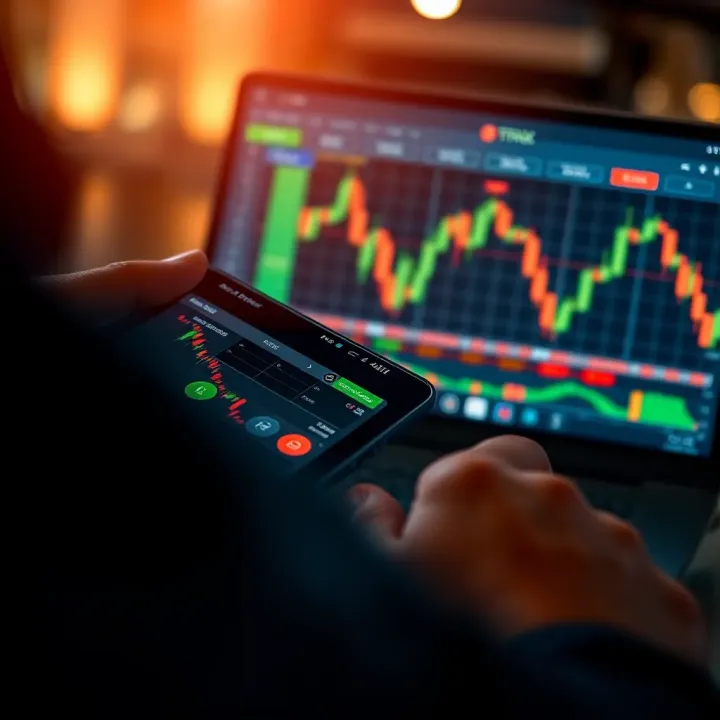
Explore the best forex trading apps in Pakistan 🇵🇰! Compare features, security, and tools to find the perfect fit for your trading style and needs 📱💹.
📉 Explore forex trading in Pakistan with practical tips on market basics, proven strategies, risk safeguards, and staying compliant for smart trades.
Learn the Asian Forex trading session timings in Pakistan 🇵🇰, how it affects currency pairs, and get practical tips to trade smarter during this key period 📈💹.
Based on 13 reviews