

Is Trading Halal or Haram? An Islamic Perspective
Is trading halal or haram? 🤔 Explore Islamic views on trading, key principles, scholar opinions, and practical tips for ethical trading in Pakistan.
Edited By
Thomas Walker
Quotex is an online trading platform offering digital options where traders predict price movements of various assets. In Pakistan, many wonder if trading on Quotex fits within Islamic law, given concerns over speculation and fairness. This analysis looks closely at Islamic finance principles and how they apply to Quotex trading.
Trading on platforms like Quotex involves buying and selling contracts with fixed expiry times. This often resembles betting, as profits depend on predicting market direction within short periods. Islamic finance forbids gharar (excessive uncertainty) and maysir (gambling), both of which many scholars see reflected in such short-term, speculative trading.
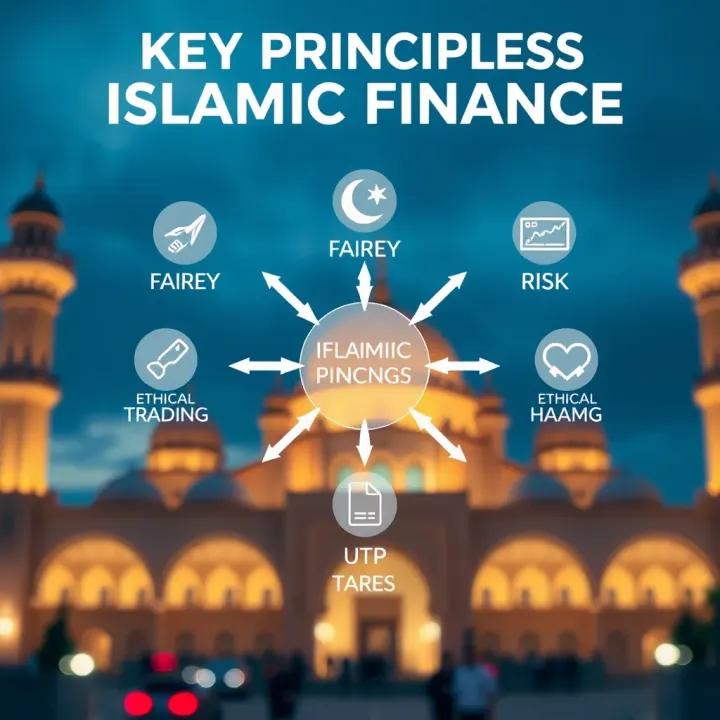
Key concerns include:
Speculation versus investment: Islamic finance encourages investment that contributes to the real economy. Speculative trading that mainly bets on price movements without underlying asset ownership is problematic.
Risk and fairness: Excessive and uncertain risk, especially when one party gains while the other loses without a fair exchange, raises doubts about the trade’s permissibility.
Riba (interest): Although Quotex itself doesn’t involve interest, leveraging and certain contract features may indirectly involve riba elements.
For example, a Pakistani trader predicting the rise of oil prices within 5 minutes on Quotex is, in essence, gambling on market fluctuations. Such activity is closer to maysir and typically not allowed under Shariah standards.
Islamic scholars often categorise digital options trading as haram due to its speculative nature and resemblance to gambling rather than genuine investment.
That said, different scholars may vary in views, especially regarding contract terms and how much risk is involved. Traders should seek advice from credible Islamic finance experts who understand both market mechanisms and Shariah principles.
Understanding the fundamental Islamic finance concepts—fairness, transparency, risk-sharing, and the avoidance of gambling—is vital before deciding to participate in Quotex trading. Pakistani traders must weigh potential profits against Shariah compliance to avoid conflicts with their faith.
By evaluating these factors carefully, you can make an informed decision about whether Quotex trading suits your financial goals and religious beliefs.
Before deciding whether Quotex trading is halal or haram, it’s essential to grasp what Quotex is and how its trading system operates. This understanding gives context to the risks, the level of speculation, and compliance with Islamic finance principles. For Pakistani traders, knowing the platform’s workings helps in making informed and responsible choices.
Quotex is an online trading platform that offers binary options trading. Unlike traditional investing where you buy shares or commodities, Quotex allows users to predict price movements of assets within a short timeframe. This platform has gained popularity for its easy interface and fast-paced trading but raises questions over its speculative nature.
On Quotex, traders primarily engage in binary options trades. Here, you choose whether an asset’s price will rise or fall within a set expiry time, which can be as short as 60 seconds or as long as several hours. This fixed-return model means you either gain a predetermined profit or lose your stake entirely. The assets include currencies, stocks, indices, and commodities, making it accessible for diverse user interests.
This format is attractive due to its simplicity, but it requires quick decision-making and involves high risk. For example, a trader might bet Rs 5,000 that the USD/PKR pair will rise in the next five minutes. If correct, they earn a fixed percentage, say 80%, else they lose the entire Rs 5,000.
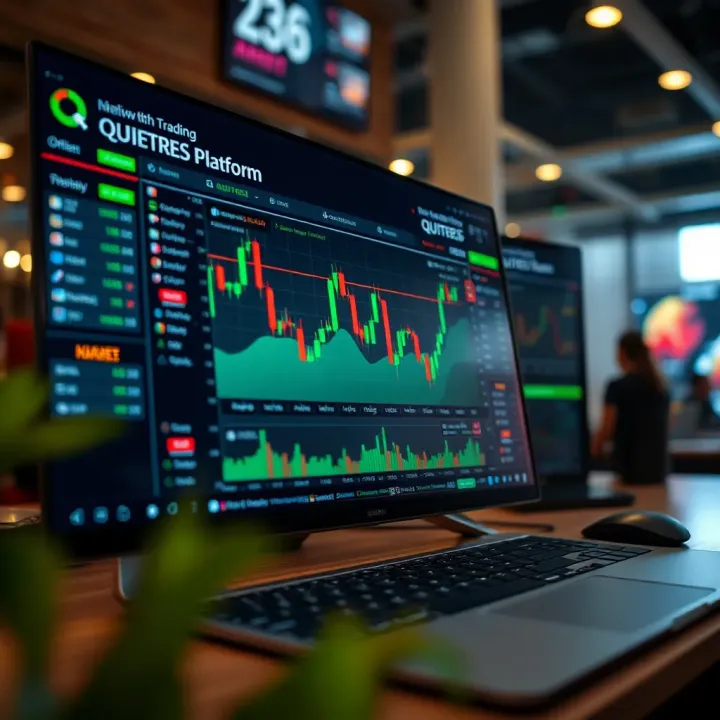
Quotex’s platform is web-based with a clean dashboard showing real-time price charts, trade buttons, and account status. It offers demo accounts for practice without risking real money, easing new users into the trading style. Mobile accessibility enables traders to operate anytime, which suits Pakistan's active mobile internet users.
User interaction mainly involves choosing assets, setting trade amount and expiry, and monitoring positions. The platform also provides trading signals and technical indicators, though these are tools rather than guarantees. Pakistani users should be aware that rapid trading can lead to impulsive decisions if not disciplined.
Quotex trading carries significant risk as trades often expire quickly and outcomes are binary: win or lose. The lack of gradual gain or loss means that a single wrong call can wipe out the invested amount. For Pakistani traders, high volatility in local and global markets adds extra unpredictability, especially for currency pairs like USD/PKR.
Understanding these risks is vital to avoid reckless trading that can lead to substantial financial loss. It’s not a stable investment but more of a short-term gamble.
The platform’s design inherently encourages speculation rather than investing. Traders bet on price movements without owning the underlying asset, which resembles betting or gambling more than typical trading. This makes Quotex different from buying shares on the Pakistan Stock Exchange where investment is backed by real ownership.
Speculation here means profits depend heavily on chance or market timing, not asset value growth. This aspect is often at odds with Islamic finance principles that caution against excessive uncertainty and gambling.
Unlike some platforms, Quotex does not explicitly offer traditional leverage or margin trading. Traders use their own funds per trade without borrowing. This limits the exposure compared to leveraged Forex trading but still means losses are fully realised on wrong bets.
For Pakistani users, this reduces the risk of debt-based trading, which Islamic law prohibits, but the quick, binary outcomes still pose ethical and financial concerns.
Understanding these elements of Quotex's trading model is foundational. It helps traders evaluate potential conflicts with Islamic principles like avoidance of gambling and uncertainty, as we will explore further in the article.
Understanding Islamic principles is essential to evaluate any trading practice for its adherence to Shariah law. Islamic finance revolves around ethical and fair dealings, avoiding unjust enrichment or harm, which directly impacts how trading platforms like Quotex should be assessed. These principles safeguard investors from exploitative tactics and ensure transactions align with Islamic values.
Riba refers to any guaranteed interest on loans or investments and is strictly prohibited in Islam. The prohibition arises because Riba leads to unjust gain without any risk or labour, making profit at the expense of others unfair. For example, earning fixed interest irrespective of the business outcome is considered Riba.
In trading, any element resembling Riba, such as interest earned on delayed payments or financing charges, can render a transaction unlawful. This principle urges traders to avoid contracts where profit is assured without real economic activity or risk-sharing.
Gharar points to significant ambiguity or uncertainty in contract terms or outcomes, making the trading risky and unfair. In Islamic finance, transactions should be clear and transparent to prevent disputes.
For instance, buying goods without knowing their exact specifications or where delivery terms are vague involves Gharar. In trading platforms with excessive market speculation or unclear asset ownership, the risk of Gharar increases, challenging the deal's permissibility.
Maysir means earning money through chance or luck instead of effort or legitimate risk-taking. Gambling is forbidden because it promotes gain without production, often leading to harm and social problems.
In trading, if the activity resembles a game of chance with no underlying asset or economic value, it can be classified as Maysir. Binary options or highly speculative contracts that rely on predicting market movements without ownership fall into this category.
Shariah mandates fairness and full disclosure in transactions. This means buyers and sellers must have complete information about the goods or services, enabling informed consent.
For trading platforms, transparency about risks, fees, and ownership is critical. Without this, a trader might unknowingly enter a harmful contract, violating Shariah's fairness principle.
Islamic law requires that trade involve tangible or clearly identifiable assets. Trading contracts based on real goods or services, rather than mere promises or speculation, are considered halal.
In practice, trading shares or commodities where ownership is clear fits this model. Conversely, pure speculation without asset backing raises red flags.
Lastly, Shariah emphasizes avoiding harm (Darar). Any business or trade causing harm to individuals or society is discouraged or prohibited.
Trading platforms that induce addiction, cause significant financial loss due to unfair practices, or promote deceit run counter to this principle. Ethical trading must prioritise not only personal gain but also social welfare.
In summary, Islamic principles require trading to avoid interest, excessive uncertainty, and gambling, while ensuring fairness, asset backing, and the avoidance of harm. These criteria form the foundation to assess whether a trading platform like Quotex aligns with Islamic law.
Evaluating Quotex against Islamic criteria is vital for traders who want to align their investments with Shariah principles. Islamic finance strictly prohibits elements like riba (interest), gharar (excessive uncertainty), and maysir (gambling). Since Quotex operates in a speculative trading environment, assessing it through these lenses helps Pakistani traders decide if their involvement is permissible.
Riba, often translated as usury or interest, is forbidden in Islam. It involves guaranteed returns without risk or effort, which are typically seen in interest-based loans or debts. In Quotex trades, there is no direct charging or paying of interest as the platform functions more like a contract on price movement rather than traditional borrowing or lending. However, some argue that swap or rollover fees on positions (if applicable) might resemble riba. Pakistani traders should check if such charges exist and avoid trades where these fees apply.
Gharar refers to ambiguity or excessive uncertainty in contracts, which can lead to unjust gains or losses. Quotex trading relies heavily on price predictions within short timespans, often seconds to minutes. This creates high uncertainty and sometimes makes the trader's contract speculative rather than based on actual asset ownership or delivery. The unpredictable nature and reliance on rapid price swings in Quotex increase gharar, which many Islamic scholars consider problematic.
Maysir is strictly prohibited as it relates to games of chance and gambling where one party gains unfairly at another’s expense. Quotex trading bears close resemblance to gambling since profits depend largely on predicting price movements correctly, sometimes akin to betting. The short expiry times and the ‘all or nothing’ payout model intensify the gambling aspect. This suggests that trading on Quotex might lean towards maysir, especially for those focusing purely on quick gains rather than genuine investment.
Islamic finance encourages trading based on tangible assets or commodities, where ownership transfers or actual delivery occurs. Quotex trades typically do not grant ownership of the underlying asset but rather a contract representing price movement. This speculative structure detaches the trade from asset backing, making it similar to derivatives without real asset transfer. Pakistani traders should consider that such non-asset-based contracts often do not align with Shariah rules.
For Muslim traders in Pakistan, understanding these criteria helps avoid unintended violations of Islamic law and encourages seeking alternative, more compliant investment paths.
In summary, Quotex trading has significant elements of gharar and maysir, with an absence of clear asset backing. While direct riba may not be prominent, associated fees deserve attention. Traders must weigh these factors carefully to ensure their investing aligns with Islamic principles.
Understanding the scholarly opinions and fatwas about online trading platforms is key when figuring out if trading on platforms like Quotex complies with Shariah law. These rulings guide investors and traders by clarifying what is permissible and what crosses Islamic boundaries, especially in areas with nuances like digital trading.
Pakistani scholars tend to approach online trading platforms with cautious scrutiny. Some, like Maulana Tariq Jameel and others within mainstream seminaries, warn against forms of trading that hinge primarily on speculation and short-term betting. They emphasize that trading must avoid excessive uncertainty (gharar) and gambling (maysir), conditions many digital platforms sometimes embody. However, others recognise the evolving nature of finance and advise detailed examination of contract terms and underlying assets before declaring it haram. The consensus among many Pakistani scholars is to be wary of platforms lacking transparency or involving high leverage that resembles gambling.
Globally, Islamic jurists from diverse traditions also debate the permissibility of online trading. In Gulf countries, formal fatwas often highlight the necessity of trading being asset-backed and free from interest (riba). Certain platforms offering spot trading without involving interest or deceit might receive conditional approval. For example, in Malaysia and the UAE, scholars encourage the use of Islamic financial products that comply strictly with Shariah standards. They generally disapprove of platforms where transactions become mere speculative contracts without real asset exchange, which is common criticism of binary options trading models like Quotex.
While many scholars agree that trading must avoid elements like riba, gharar, and maysir, differences arise concerning the degree of risk and speculation acceptable. Some hold strict views that all forms of high-risk trades through digital platforms are impermissible unless backed by tangible assets. Others allow a degree of risk akin to normal business activities, provided no deception or interest is involved. This split means traders must pay close attention to fatwas relevant to their region and the specific trading models they engage with.
The key takeaway for Pakistani traders is to consult both local and international scholarly guidance, align trading choices with clear Shariah principles, and avoid platforms where speculation outweighs real asset backing.
By keeping scholarly opinions and fatwas in mind, traders can better assess whether Quotex or similar platforms fit within Islamic ethical finance frameworks, avoiding potential moral and legal pitfalls in the process.
When deciding whether to trade on platforms like Quotex, Pakistani traders must consider practical factors that affect both legality and safety. These considerations aren't just about profit or loss; they touch on regulatory compliance, ethical concerns, and personal risk management. Understanding these will help traders make choices that protect their interests and align with their values.
SECP regulations play a key role in determining if a trading platform operates legally within Pakistan. The Securities and Exchange Commission of Pakistan (SECP) regulates securities markets and protects investors from fraud and malpractice. Currently, online platforms such as Quotex do not have formal approval from SECP, meaning Pakistani traders may face legal grey areas and lack official dispute resolution mechanisms when using these platforms.
Operating on unregulated platforms puts traders at risk since the SECP cannot guarantee transparency or fairness. Anyone considering trading on Quotex should monitor SECP announcements to remain updated on regulatory changes and avoid potential legal complications.
Consumer protection in Pakistan focuses on safeguarding traders against misleading practices, frauds, and unfair trading terms. The SECP alongside consumer courts provide some protection avenues but mostly for officially registered brokers and exchanges. Since Quotex is not regulated locally, traders may find it difficult to seek compensation if problems arise. This absence of local consumer protection heightens the importance of caution in investing funds on such platforms.
Due diligence is crucial before using any online trading platform. Pakistani traders should verify a platform’s registration, read user reviews, and understand all fee structures and terms of service. For instance, confirming whether the platform allows withdrawal in Pakistani Rupees or requires foreign currency is important to avoid hidden conversion costs. Due diligence also includes understanding the product you trade—binary options offered by Quotex carry high risk and need thorough comprehension.
Risk management strategies help reduce potential losses in volatile markets. Setting limits on how much capital to invest at any time, using stop-loss mechanisms, and avoiding over-leverage are practical steps. For example, a trader might decide to invest only 5% of their trading capital on high-risk options to avoid losing everything at once. These strategies support sustained trading without compromising financial stability.
Aligning with personal values means assessing trading activities not just from a monetary perspective but also through an ethical lens. For many Pakistani Muslims, trading on platforms that resemble gambling or are highly speculative conflicts with Shariah values. Making ethical choices involves reflecting on one’s comfort level with the risks and the nature of the trading itself.
Seeking Shariah-compliant alternatives offers a way to trade while adhering to Islamic principles. Platforms focusing on asset-backed trading, such as certain equity investments or commodities with real physical backing, tend to be more acceptable. For instance, investing through a registered Islamic investment fund in Pakistan can align better with religious guidelines and investor protection rules.
Traders should balance financial opportunity with legal safety and ethical considerations to make trading decisions that serve their long-term interests and principles.
Is trading halal or haram? 🤔 Explore Islamic views on trading, key principles, scholar opinions, and practical tips for ethical trading in Pakistan.
Explore Quotex trading in Pakistan 🇵🇰 with our detailed guide—learn platform features, setup, strategies, and smart risk management tips for success 📊💡
Explore how to pick the best trading website in Pakistan! Compare fees, security, tools & support to trade smartly. 📈💻 Stay secure & informed!
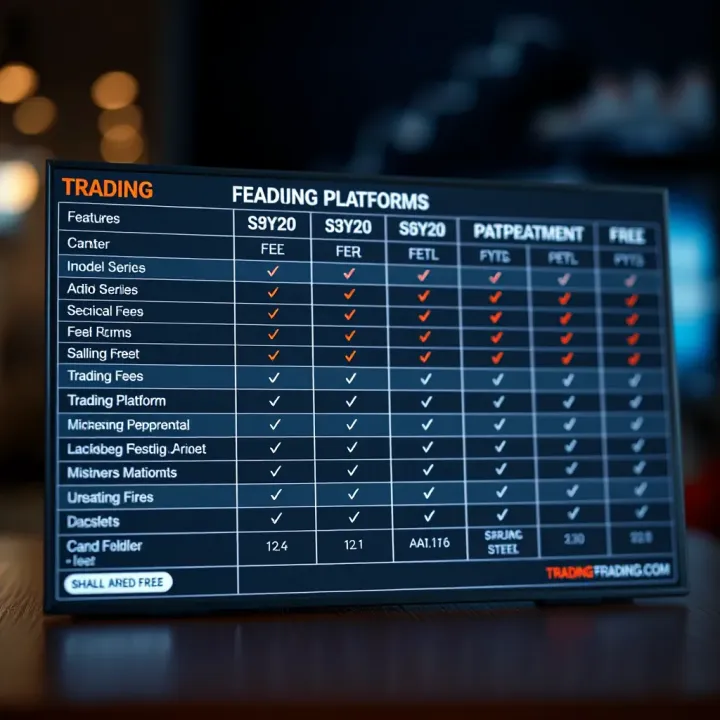
🔍 Find the best trading platform in Pakistan! Compare features, fees, and regulations to trade smartly and securely in local markets. 📈
Based on 15 reviews