
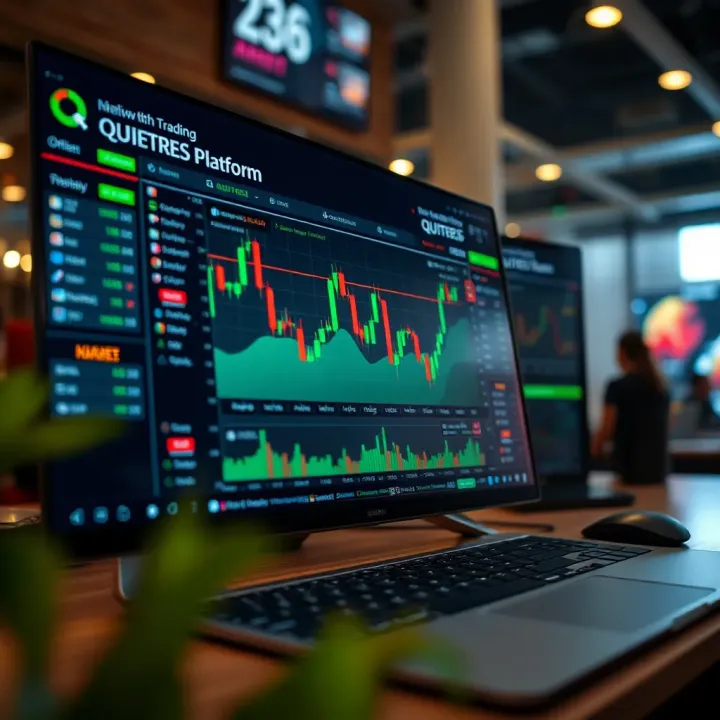
Trading with Quotex: Guide for Pakistani Traders
Explore Quotex trading in Pakistan 🇵🇰 with our detailed guide—learn platform features, setup, strategies, and smart risk management tips for success 📊💡
Edited By
Liam Scott
Quotex is gaining popularity as an online trading platform, especially among younger Pakistani traders looking to make quick profits through digital assets and options trading. However, many traders wonder whether trading on Quotex fits within Islamic financial principles. This question matters because Islamic finance strictly prohibits interest (riba), excessive uncertainty (gharar), gambling (maysir), and trading in haram (forbidden) assets.
Understanding the Halal status of Quotex trading requires looking at the platform’s structure and trading mechanics. Quotex offers options trading where traders predict price movements within a short time frame, often minutes or seconds. This setup commonly resembles binary options, where profit depends solely on whether the trader’s prediction turns out right or wrong, rather like a bet.
From an Islamic perspective, such short-term predictions with a winner-takes-all outcome carry high levels of uncertainty and resemble gambling more than traditional trade. This raises red flags for scholars concerned with maysir and gharar. Moreover, profits in Quotex trading come from price speculation rather than actual ownership of any underlying asset, which many Islamic finance experts argue makes the practice questionable.
Islamic finance centres around ethical investment, asset-backed transactions, and risk-sharing—not mere speculation or shortcuts to quick gains.
Pakistani traders should also consider the risks associated with using a foreign platform like Quotex, including regulatory uncertainties and the challenge of verifying Shariah compliance. For those wanting to stay within Islamic bounds, investing through Shariah-compliant avenues such as Islamic mutual funds, Sukuk (Islamic bonds), or stock trading with vetted Shariah screens is a safer approach.
In sum, while Quotex offers potentially attractive returns, its trading model clashes with key Islamic finance principles on speculation and risk. Traders keen on keeping their investments halal are generally advised to avoid platforms where the activity closely mimics gambling or involves excessive uncertainty without asset ownership. This article further examines these issues and explores viable, Shariah-compliant trading alternatives suited for Pakistani investors.
Understanding how Quotex operates is essential before deciding if it fits within the boundaries of Islamic finance. This platform offers unique trading tools that impact the risk, nature, and ethics of transactions. For Pakistani traders especially, a solid grasp of these mechanisms helps in making informed choices that align with financial goals and religious principles.
Quotex is an online trading platform that primarily offers access to digital options markets. Traders can speculate on the price movements of various assets like stocks, commodities, indices, and currencies without actually owning the underlying asset. The platform operates mostly on a fixed return model: a trader predicts whether the asset’s price will rise or fall within a set time frame to earn a predefined payout or lose their invested amount.
This model differs from traditional investing where ownership and dividends come into play. Quotex relies heavily on timing and direction forecasts rather than long-term asset accumulation. The platform’s interface provides real-time charts, indicators, and expiry times to assist traders in their decisions.
Digital options trading: This form lets traders place bets on price changes within a limited time, commonly 1 to 15 minutes. For instance, a trader might predict that the price of US oil will increase in the next 5 minutes. If correct, they get a fixed percentage return, often around 70-90%. The appeal lies in simplicity and quick results, but the gamble-like nature and fixed expiry make it a high-risk, high-reward activity.
Forex and commodities trading: Beyond digital options, Quotex also allows trading in currency pairs like USD/PKR or commodities such as gold and silver. This type offers more traditional market interaction where price fluctuations depend on global economic factors. However, traders here still deal with small contracts and typically use short-term expiry periods rather than long-term positions.
Each trade type comes with unique characteristics that affect risk and ethical considerations under Islamic finance, especially regarding uncertainty and speculation.
Effect of leverage and expiry times: Quotex provides leverage options that let traders control larger positions with smaller capital. For example, with 10x leverage, investing Rs 1,000 controls Rs 10,000 worth of assets. While this can multiply gains, it equally magnifies losses. Expiry times determine how long a trade remains active—shorter expiries increase uncertainty and limit thorough market analysis.
Leverage and tight expiry frames demand careful attention, as they intensify risk and complicate compliance with Islamic principles discouraging excessive uncertainty (gharar). Pakistani investors should weigh these factors carefully before engaging.
Knowing the exact mechanics of Quotex trading arms you with clarity to assess its suitability within Shariah norms, helping avoid uninformed risks and ethical pitfalls.
Understanding the basics of Islamic finance is key for anyone looking to assess trading platforms like Quotex through the lens of Shariah compliance. Islamic finance sets clear rules that aim to promote fairness, discourage exploitation, and ensure money flows through ethical means. Let's break down some core principles directly linked to trading activities.
Riba, which means earning money through interest, is strictly forbidden in Islamic finance. The prohibition targets unjust gains gained without actual effort or risk. In trading, this means any transaction involving guaranteed interest or predetermined profits without sharing risk goes against Shariah law. For example, earning a fixed return just for lending money—like a savings account with interest—is not allowed. Traders must avoid deals where gains hinge on interest. Instead, profits should come from genuine trade, investment risk, or asset ownership.
Gharar refers to transactions fraught with excessive uncertainty or ambiguity. Islamic finance discourages deals where the terms or outcomes are unclear or speculative. For trading, this means contracts must be transparent, and both parties should know exactly what they’re getting into. Huge unknowns or gambling-like elements fall under Gharar. For instance, placing a bet on price movements with unclear asset backing would raise suspicion. Clear documentation, fair terms, and avoiding excessive speculation help ensure avoidance of Gharar.
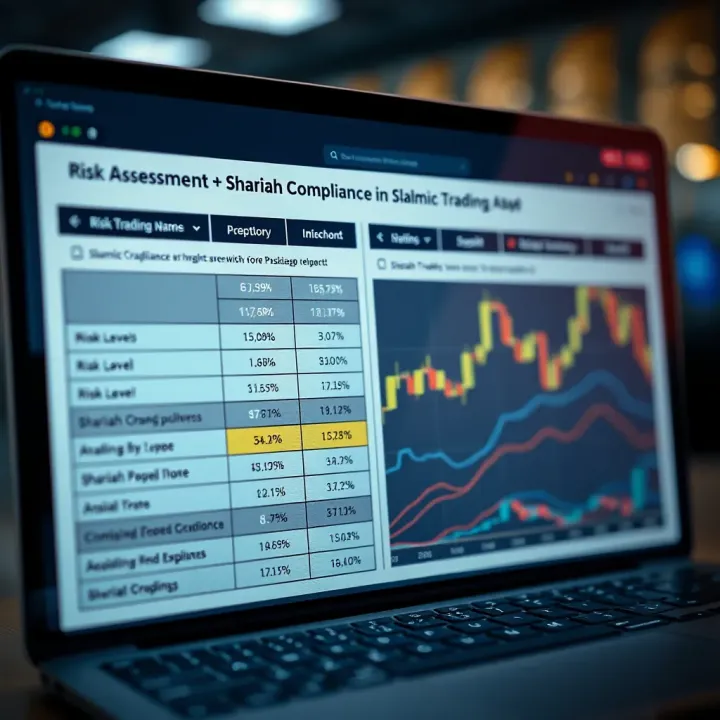
Earning halal income means money is made through permissible and ethical means. Islam places great importance on honesty, justice, and avoiding harm in financial dealings. Transactions should not involve prohibited industries (like alcohol or gambling), deceit, or unfair advantage. From a trading perspective, this involves ensuring that the trading instrument itself is lawful, ownership rights are clear, and trades don’t exploit others. Ethical trading also means managing risks responsibly rather than entering high-stakes gambles.
These principles directly influence whether a trading platform aligns with Islamic finance. By understanding Riba, Gharar, and what defines halal earnings, traders can critically examine platforms like Quotex and decide if their activities fit within Islamic guidelines.
In Pakistan, where many investors seek to balance modern investment opportunities with religious beliefs, these fundamentals act as essential filters before stepping into the world of online trading or investing.
When examining Quotex trading through the lens of Islamic finance, the goal is to determine if the platform's practices comply with Shariah principles, particularly regarding fairness, absence of exploitation, and ethical trading. This assessment helps Muslim traders in Pakistan and elsewhere decide whether engaging with Quotex aligns with their religious beliefs and financial responsibilities.
One core prohibition in Islamic finance is riba, which generally refers to any guaranteed interest on loans or investments. In Quotex trading, users often buy contracts predicting market directions without an underlying financial asset ownership, which may not directly involve interest-bearing transactions. However, certain aspects like overnight financing fees or charges on leveraged trades—if applicable—could be considered forms of riba. Since Quotex offers binary options that settle within short periods, the usual interest-based concerns are less evident than in forex spot or margin trading, but traders should verify if hidden fees effectively amount to interest.
Unlike traditional day trading, where traders buy and sell actual financial assets during market hours, Quotex’s binary options involve predicting asset price movements within limited time frames without owning the assets. In essence, conventional day trading has an underlying asset and usually, ownership rights, whereas Quotex trading resembles betting on price fluctuations. This difference is crucial because Islamic principles caution against contracts with excessive uncertainty and gambling-like elements, known as gharar and maysir respectively.
Quotex trading carries significant risk, primarily because of its all-or-nothing payout model in binary options. The trader either wins a fixed return or loses their entire stake, increasing uncertainty. Islamic finance discourages transactions filled with excessive gharar, where the outcome is so uncertain that it resembles gambling. Although all trading carries risk, Quotex’s structure amplifies it, making it important for Muslim investors to understand whether the type and level of risk align with Islamic ethics on permissible uncertainty.
Many Islamic scholars express concerns about binary options trading due to its resemblance to gambling and the lack of clear ownership of the underlying asset. Scholarly opinions often highlight that trading platforms offering binary options do not meet the criteria for halal investments because they involve speculative contracts without asset possession, coupled with a high degree of uncertainty and potential for addiction. These views urge caution or avoidance, encouraging Muslim investors to prefer trading methods that involve real asset ownership and minimize excessive risk.
Scholars typically recommend thorough due diligence and consultation with knowledgeable Islamic finance experts before participating in online trading platforms like Quotex.
Understanding these key issues helps Muslim traders navigate whether participation in Quotex trading fits within their faith-based financial framework.
When considering Quotex trading from an Islamic standpoint, recognising the inherent risks is vital. Many Muslim investors look beyond profit margins to ensure their earnings align with Shariah principles. Understanding potential pitfalls in Quotex helps protect both your financial health and religious integrity.
One major concern with Quotex trading is its resemblance to gambling. Binary options offered on the platform often have short expiry times and all-or-nothing outcomes, which can feel like betting rather than investing. This structure can encourage impulsive decisions, pushing traders toward a form of speculation that Islam forbids.
For instance, some users may risk larger amounts repeatedly in hopes of quick gains, similar to gamblers chasing losses at a casino. This behaviour not only threatens personal finances but also risks addiction, which can lead to neglect of family responsibility and social duties. Islamic teachings emphasise moderation and warn against practices that stem purely from chance or addictive compulsion.
Another critical issue is that Quotex trading typically does not grant actual ownership of an underlying asset. Instead, traders speculate on price movements without holding securities, commodities, or currencies directly. This model raises questions about the ethical legitimacy of profits, as earnings may come from mere price fluctuations rather than tangible asset exchange.
Moreover, the risk of market manipulation exists, where platform operators or third parties might influence prices to the detriment of traders. Unlike regulated stock markets overseen by authorities like the Securities and Exchange Commission of Pakistan (SECP), some online platforms operate with less transparency. This uncertainty contradicts Islamic finance’s emphasis on fairness, clear ownership, and avoidance of unjust enrichment.
Muslim investors should carefully consider these risks before engaging with platforms like Quotex, prioritising investments that provide clear ownership and ethical guarantees.
In summary, while Quotex offers accessible trading, the potential for gambling-like behaviour and lack of real asset ownership pose significant challenges for Muslim investors aiming to comply with Islamic law. It's advisable to seek alternatives that ensure ethical standards and protect you from undue financial and spiritual harm.
For Muslim traders in Pakistan, ensuring that investment choices comply with Shariah law is vital. Since platforms like Quotex may involve elements considered impermissible—such as gambling or excessive uncertainty—exploring alternatives that uphold Islamic finance principles becomes necessary. These options offer more ethical and religiously sound avenues to grow wealth without compromising faith.
Islamic stock trading involves buying shares in companies that meet Shariah compliance criteria. These companies avoid interest-based financing, alcohol, gambling, or other prohibited activities. Pakistani investors can look at Shariah-compliant indexes like the KMI-30 on the Pakistan Stock Exchange (PSX), representing firms vetted for these standards. Investing here helps avoid involvement in haram earnings.
Takaful, or Islamic insurance, presents another ethical investment route. Unlike conventional insurance, it operates on mutual cooperation and shared risk without involving interest or uncertainty. Takaful schemes in Pakistan offer savings and investment plans, providing steady, halal returns while protecting policyholders. This balance appeals to Muslim investors seeking security and compliance.
Forex and commodity trading is popular but fraught with concerns under Islamic law due to interest (riba) and speculation. However, some brokers provide Shariah-compliant accounts where overnight interest (swap) charges are eliminated, and trading adheres to Islamic principles.
Platforms like those offering Swap-Free or Islamic accounts enable Pakistani traders to participate without incurring riba. Additionally, commodities such as gold and silver can be traded in compliance with Shariah, given that ownership is clear and transactions occur without ambiguity.
Islamic banks and financial institutions in Pakistan have expanded their services beyond conventional banking. Institutions such as Meezan Bank, BankIslami, and Al Baraka Islamic Bank offer investment products aligned with Islamic law, including equity funds, sukuk (Islamic bonds), and savings accounts.
These organisations also educate investors about halal investment pathways, reducing reliance on risky or non-compliant platforms. By channeling funds through Islamic financial institutions, Pakistani investors benefit from expert advice and products designed to respect Shariah, promoting ethical growth.
Choosing alternatives that follow clear Islamic guidelines not only safeguards one’s faith but also encourages disciplined investing. For Pakistani traders, this means opportunities to earn halal income while avoiding the pitfalls associated with platforms like Quotex.
In summary, Islamic stock trading, takaful investments, and Shariah-compliant forex or commodity platforms offer practical, responsible alternatives. With the support of Islamic financial institutions in Pakistan, traders can find options that suit their religious and financial goals effectively.
When it comes to trading on Quotex or similar platforms, Pakistani Muslim investors must approach with care, given the need to comply with Islamic finance principles. Practical advice helps safeguard not only your finances but also your faith. This includes thorough research, managing risks wisely, and ensuring ethical behaviour in all transactions.
Before investing, always do your homework. Understand the instruments on Quotex and how they function, then check if they align with Shariah rules. Consulting an Islamic scholar or a trusted mufti familiar with financial matters can provide clear guidance. For example, if a trade involves elements like Riba (interest) or gambling, you can avoid those by following the scholar’s advice. Pakistani Muslims often rely on local Islamic financial experts, some of whom offer online consultations, making it easier for investors to get timely insight.
Trading is inherently risky, but a solid plan can prevent heavy losses. Pakistani investors should set clear limits on how much capital to invest and accept that some money might be lost. For instance, avoid putting in savings meant for household expenses or education. Use tools like stop-loss orders if supported by the platform, or simply decide in advance the maximum loss you can tolerate. Budgeting your trading funds separately from daily expenses is a practical step that keeps your finances stable. This approach aligns with the Islamic principle of avoiding harm and not indulging in reckless speculation.
It is essential to steer clear of trades that involve prohibited elements like short selling, margin trading with interest, or speculative trades that look more like gambling. Ethical trading means you are investing in assets with real value and avoiding deceit or unfair practices. For example, instead of trading binary options with unclear underlying assets, consider shares of companies listed on Pakistan Stock Exchange (PSX) that comply with Islamic standards. Observing honesty and fairness safeguards your investment and prevents religious concerns related to Haram earnings.
Practical steps such as consulting knowledgeable scholars, strict financial planning, and ethical vigilance provide a pathway for Pakistani Muslims to engage in online trading responsibly, reducing both financial and spiritual risk.
Taking these precautions not only helps protect your money but also ensures your trading ventures remain within ethical and religious boundaries.
Explore Quotex trading in Pakistan 🇵🇰 with our detailed guide—learn platform features, setup, strategies, and smart risk management tips for success 📊💡

Is trading halal or haram? 🤔 Explore Islamic views on trading, key principles, scholar opinions, and practical tips for ethical trading in Pakistan.

Explore how to pick the best trading website in Pakistan! Compare fees, security, tools & support to trade smartly. 📈💻 Stay secure & informed!
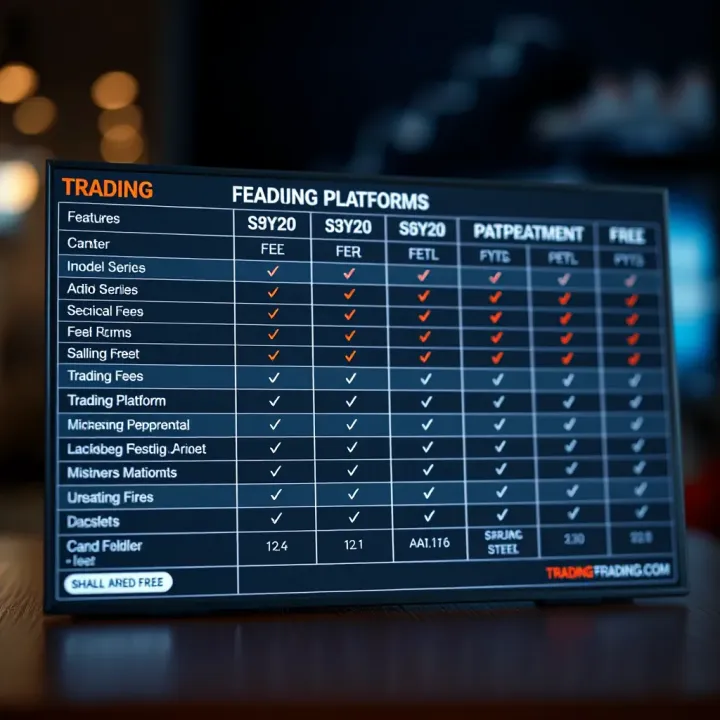
🔍 Find the best trading platform in Pakistan! Compare features, fees, and regulations to trade smartly and securely in local markets. 📈
Based on 12 reviews