
Understanding Trading Graphs in Pakistan's Markets
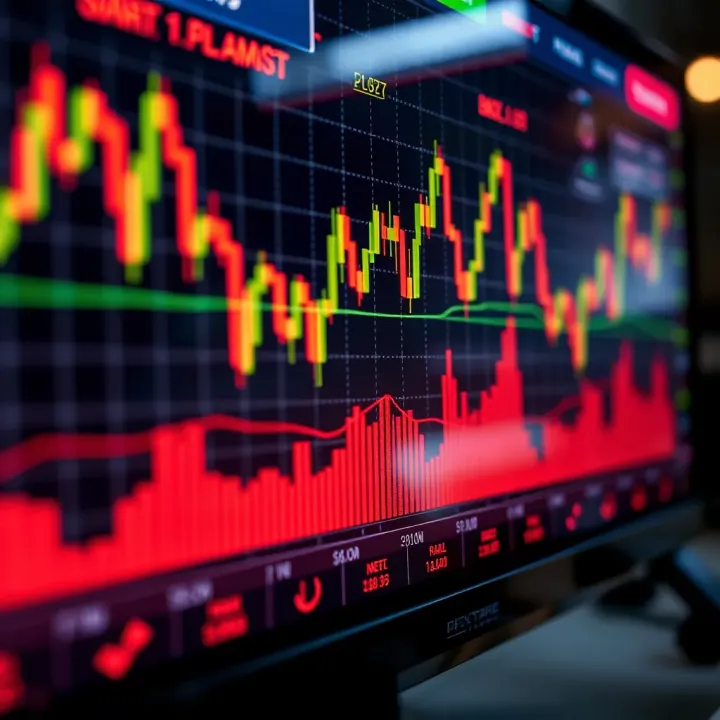
📊 Understand trading graphs to boost your market analysis skills. Learn to read charts, spot trends, and make smarter trades in Pakistan's markets accurately.
Edited By
Isabella Reed
Getting a grasp on what a trader does and what skills they need is essential—especially in a place like Pakistan, where financial markets are ever-changing and full of opportunities. Traders aren’t just buying and selling stocks or currencies randomly; they play a crucial role in shaping market trends and liquidity.
This article aims to unpack the core aspects of trading, from the types of trading active in Pakistan’s markets to the essential skills traders develop over time. We'll also talk about the tools traders depend on and the kind of risks people face daily.
Whether you're an investor looking to understand the market better, a finance analyst wanting to spot trading patterns, or an educator preparing students for the finance world, this guide will provide practical insights you can apply immediately.
In trading, knowledge isn't just power – it's profit. Understanding the basics is the first step to staying ahead.
By the end, you’ll have a clearer picture of what it takes to succeed as a trader, along with actionable advice tailored to the nuances of Pakistan’s financial scene.
Understanding who a trader is and what they do is fundamental to grasping how financial markets operate, especially for those interested in entering this world or interacting with traders in Pakistan’s bustling markets. A trader is more than just a buyer or seller; they act as the engine of financial markets, ensuring liquidity and price discovery. This section lays out a clear roadmap about the kind of work a trader undertakes daily, explaining their roles and how these impact the broader market ecosystem.
Traders deal with a variety of financial instruments—from stocks and bonds to commodities and currencies. Their responsibilities stretch beyond merely executing trades; they must analyze market trends, monitor economic news, and assess risks constantly. By knowing who traders are and what they handle, readers will better appreciate the skills and tools discussed later in the article, as well as the challenges these market participants face.
Simply put, a trader is someone who buys and sells financial assets with the purpose of making profits. This could be done in milliseconds by high-frequency traders or over weeks and months by long-term traders. Traders might operate independently, or work for banks, investment firms, or brokerage houses.
For example, consider Ahmed, a retail trader from Karachi. Every morning, he reviews the latest market information and determines which shares to buy or sell that day, based on price movements and news about the companies involved. Meanwhile, a trader at a major Pakistani bank may be handling millions in foreign currency trades to aid corporate clients. Despite differences in scale, their goal revolves around capitalizing on price fluctuations.
The daily routine of a trader is far from simple; it requires sharp focus and swift decision-making. In Pakistan’s financial markets, a trader typically:
Starts by reviewing overnight global market developments, such as changes in the US stock market or shifts in oil prices, which can influence local market sentiment.
Checks economic indicators released by Pakistani institutions, like inflation or interest rate announcements.
Utilizes trading platforms like PSX’s proprietary system or international software such as MetaTrader for forex trades.
Analyzes charts and market trends, often using technical indicators to decide entry and exit points.
Communicates with brokers, clients, or team members to confirm orders or discuss market outlooks.
Monitors open positions throughout the day, ready to act quickly if the market moves unfavorably.
A trader’s day can be a rollercoaster—one moment spotting a pattern suggesting a rise in a stock’s price, the next facing a sudden market drop due to unexpected news. The ability to juggle multiple tasks effectively, staying calm under pressure, defines a successful trader.
Understanding a trader’s daily grind sheds light on why the skillset and emotional sturdiness we’ll cover later are so vital. Without this knowledge, you wouldn’t grasp how traders navigate the complex dance of risks and rewards in financial markets.
Understanding the various types of traders is essential because each type approaches the market with different strategies, time frames, and risk levels. Knowing these differences can help investors or aspiring traders figure out where they fit best or how to tailor their approach. For instance, a trader who wants quick profits might lean towards day trading, while someone interested in longer-term moves might prefer swing trading. Let's explore these types in more detail.
Day traders focus on making profits within a single trading day. They open and close positions quickly, sometimes holding stocks, currencies, or commodities for just a few minutes or hours. This approach demands constant attention, quick decision-making, and often a high tolerance for stress. For example, a day trader operating in Karachi's stock market might buy shares in the morning and sell before the closing bell to avoid overnight risk.
Swing traders, on the other hand, hold positions longer — usually from a few days up to several weeks. This style relies on capturing smaller price swings within a broader trend. Swing trading suits those who can't sit in front of a screen all day but want to take advantage of short- to medium-term market movements. In practice, a swing trader might spot a stock uptrend over a few days and hold until signs show the trend is weakening.
Both methods require different skill sets and risk tolerance. Day trading often needs faster reflexes and sharper technical skills, while swing trading leans more on patience and a slightly bigger picture view.
Institutional traders manage massive funds on behalf of organizations like banks, pension funds, insurance companies, or mutual funds. Because of their size and influence, they often have access to exclusive research, advanced trading platforms, and can move markets. Their trades tend to be large, which can sometimes force the market to shift prices temporarily. An example is a Pakistani pension fund investing heavily in government bonds, influencing bond yields through its buying and selling.
Retail traders are individual investors operating with their personal capital. Thanks to online platforms like MetaTrader, Interactive Brokers, or local brokers such as PSX (Pakistan Stock Exchange) brokers, retail traders can actively participate in markets that were once mostly reserved for pros. Retail trading might be as simple as buying shares during a market dip hoping for a rebound.
Institutional traders usually have more resources and complex strategies, but retail traders benefit from greater flexibility and sometimes faster decision-making since they operate alone. Both groups face unique challenges, but the rise of technology has leveled the playing field to a certain extent.
Understanding whether you're more like a day or swing trader, an institutional or retail player, guides your approach, risk management, and expectations in the financial markets.
By appreciating these distinctions, traders and investors can better align their methods with their available time, risk appetite, and financial goals, especially within the dynamics of Pakistan's financial markets.
To do well in trading, having the right skills and qualities isn't just helpful — it's necessary. Trading isn't just about spotting trends or throwing darts at charts; it’s about sharp thinking, quick decisions, and handling emotions like a pro. In the chaotic world of financial markets, especially where Pakistan's trading scene is growing fast, these traits can make the real difference between winning and losing.
One of the top skills any trader needs is strong analytical thinking paired with solid decision-making abilities. Traders have to digest vast amounts of data, spot meaningful trends, and predict moves before everyone else jumps in. For example, they might analyze the price swings of companies listed on the Pakistan Stock Exchange, combining both technical charts and news about economic policies.
But spotting trends isn’t enough; decisions need to be swift and confident. Imagine a trader noticing a sudden dip due to political unrest—they have seconds to act. Those who pause too long or overthink may miss the boat, while those with sharp analytical skills can seize the moment. Practical training through simulation platforms or real-time trading apps like MetaTrader or TradingView helps build this skill.
No matter how good your analysis is, trading without emotional control is like steering a car blindfolded. Emotional highs and lows can cloud judgment, leading traders to gamble more than they should or panic-quit in bad times. Discipline is what keeps a trader grounded, especially during volatile times seen often in emerging markets like Pakistan.
Take Ahmed, a novice trader who once let a losing streak get the better of him. Instead of sticking to his plan, he doubled down, hoping to recover losses quickly—a classic trap many fall into. Experienced traders set clear rules beforehand: how much to risk per trade, when to exit, and when to stay put. Sticking to these rules requires discipline and a steady mindset.
Trading isn’t just about making money; it’s about controlling yourself when money's at stake.
In essence, these two qualities — analytical thinking and emotional discipline — form the backbone of successful trading. They help traders not only survive but thrive in financial markets that never sleep and often surprise. Building these skills is a continuous journey, combining learning with real-world practice and a good dose of patience.
Knowing popular trading strategies gives traders a framework to approach the fast-moving financial markets more confidently. These strategies help simplify decisions in the face of uncertainty and map out clear entry and exit points to manage profits and risks better. In Pakistan's growing stock and forex markets, employing the right trading strategy can make a noticeable difference in consistency and performance.
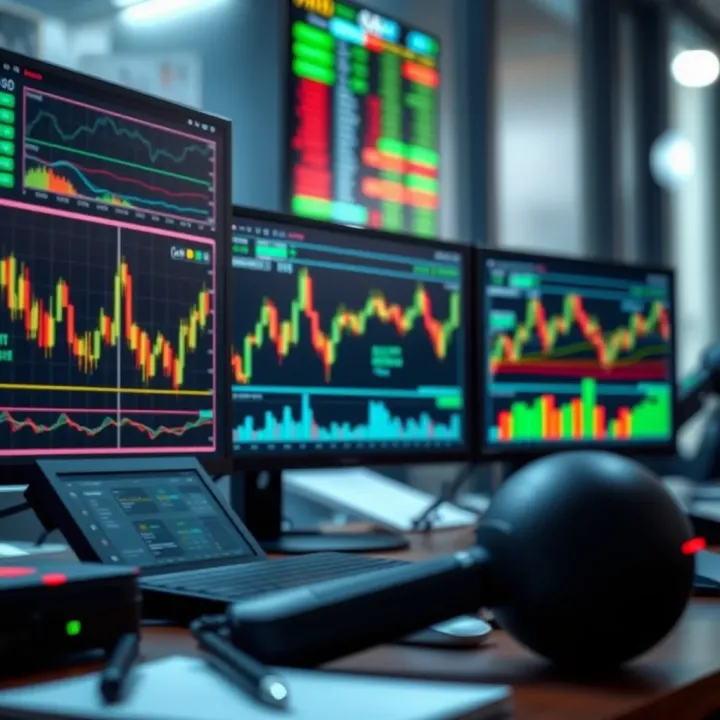
Technical analysis is all about reading charts and patterns to predict future price movements. Traders rely on historical price data to spot trends and use various indicators like moving averages or the Relative Strength Index (RSI) to understand market momentum.
For example, a trader might use a moving average crossover strategy where a short-term moving average crosses above a long-term moving average, signaling a potential buy. Conversely, a drop below might mean it’s time to sell. This type of strategy suits active traders, like day traders or swing traders, who want to capitalize on short to medium-term market shifts.
In Pakistan, many traders monitor benchmark indices like the KSE-100 using technical tools to catch short-term trends. These strategies work best in markets where price action shows patterns rather than random movements.
Unlike technical analysis, fundamental analysis digs into financial health, economic indicators, and company specifics to determine a stock's true value. Investors using this approach might look at earnings reports, dividend yields, or interest rates before buying or selling.
Take a company like Pakistan Petroleum Limited (PPL); a fundamental analyst would examine oil price trends, company profit margins, and political factors affecting energy policy to decide if the stock is undervalued or overvalued. This strategy typically appeals to longer-term traders or those who want to invest based on economic outlooks rather than just price patterns.
Fundamental analysis can be tricky in volatile markets but provides a good safety net by focusing on intrinsic value and macroeconomic factors.
No trading strategy is complete without a solid risk management plan. This means knowing how much capital to risk on each trade and using stop-loss orders to limit potential losses.
A practical rule many traders follow is risking no more than 1-2% of their trading capital on a single trade. For instance, if a trader has PKR 100,000, they shouldn’t risk more than PKR 1,000 or 2,000 on any one position. Using stop-loss orders helps automate this by triggering a sale when prices move unfavorably.
Diversification also plays a role in managing risk—spreading investments across different assets can help cushion against sudden dips in one market.
Poor risk management is often the silent culprit behind significant losses. It's better to protect your capital than chase uncertain gains.
To sum it up, combining trading strategies with risk management creates a balanced approach. Pakistani traders, whether beginners or seasoned, benefit from understanding these strategies well to stay ahead in the competitive markets.
Trading without the right tools is like trying to fly a plane blindfolded. For traders in Pakistan and across the globe, having access to reliable platforms and software isn't just a convenience—it's essential. These tools let traders analyze markets, spot opportunities, and make timely decisions, especially in fast-moving markets like the Karachi Stock Exchange.
Charting tools serve as a trader’s eyes on the market, providing detailed visual maps of price action, volume, and trends. Platforms like MetaTrader 4 and MetaTrader 5 remain wildly popular, not just because they offer solid charting capabilities but also for their user-friendly interface and automated trading features.
Beyond MetaTrader, Pakistan’s traders often use TradingView for its web-based charts that update in real-time and allow social sharing of ideas. This can be particularly handy for beginners wanting to learn from others. For more institutional traders, software like Bloomberg Terminal or Refinitiv Eikon offers deep analytical tools, though at a hefty price tagged for professional use.
Good charting software will come packed with various indicators—like moving averages, RSI, and Bollinger Bands—which traders rely on to determine entry and exit points. Without these, deciding when to buy or sell can fall mostly on guesswork.
"A trader without robust charting tools is like a captain without a compass."
Trading decisions are heavily swayed by latest news events and market data. For Pakistani traders, a timely and accurate news feed can mean the difference between profit and loss. The country’s traders often depend on Reuters and Bloomberg news services, which provide updates on global economics, political events, and specific corporate announcements.
Furthermore, Pakistan-specific platforms like the Business Recorder and Dawn Business offer tailored insights into the local economy and developments affecting stocks listed on the Pakistan Stock Exchange. This localized data allows traders to react quickly to policy changes or economic reports.
Beyond traditional news, real-time market data streams are crucial. They provide live prices, order book depth, and trade volumes. Brokerage firms such as PSX’s own trading platform, KATS, offer these data feeds to ensure traders aren’t left in the dark.
In short, combining robust trading software with real-time news and data services creates the backbone of day-to-day trading activity. It helps traders stay informed, analyze market conditions accurately, and operate with confidence in Pakistan’s dynamic financial markets.
Recognizing and managing risks is a cornerstone of successful trading, especially in volatile financial markets like those in Pakistan. Traders face numerous uncertainties daily—from sudden shifts in market prices to economic events and geopolitical tensions—that can quickly erode profits if left unchecked. Understanding these risks helps traders safeguard their capital, make informed decisions, and maintain long-term sustainability in the market.
Market volatility refers to the rate at which the price of an asset increases or decreases for a given set of returns. High volatility often signals greater uncertainty, and in markets like Pakistan’s KSE 100, sharp price swings can occur due to political developments, changes in monetary policy, or global commodity price shifts.
For example, during times of political unrest, the Karachi Stock Exchange can become extremely volatile, with daily price swings magnified far beyond the usual range. This creates opportunities but also significant risks for traders. Those unprepared for such moves might face large losses if they hold positions without proper risk safeguards. On the other hand, savvy traders use volatility to their advantage by adjusting their strategies—such as adopting shorter holding periods or setting tighter stop-loss orders—to protect themselves.
Proper capital management is essential for surviving the ups and downs of trading. It’s not enough to just predict market direction; a trader must also ensure that a single bad trade doesn’t wipe out their entire account.
One practical approach is the "1% rule": never risk more than 1% of your total trading capital on a single trade. For instance, if a trader has PKR 1,000,000, they should not risk more than PKR 10,000 on any single transaction. This helps limit losses, especially during losing streaks.
Another important aspect is positioning size. Traders should adjust their position sizes in relation to market volatility and trade setups. For a highly volatile stock like a Pakistani petrochemical company during a market sell-off, smaller positions reduce exposure to sudden price drops.
Remember, it’s about surviving the trading game, not just winning trades. Keeping losses small and managing risk expertly can mean the difference between lasting in the market or getting wiped out.
Implementing stop-loss orders, diversifying portfolios, and maintaining a cash reserve for market opportunities are other practical tips to manage capital effectively. Together, these tactics allow traders to avoid catastrophic losses and continue trading with confidence.
By mastering an understanding of market volatility and careful capital management, traders in Pakistan can navigate financial markets more prudently and boost their chances of sustained success.
Understanding how regulations impact traders in Pakistan is essential for anyone diving into the financial markets here. The country's trading environment is shaped by specific rules that aim to protect investors, maintain fair play, and ensure transparency. Without a solid grasp of these regulations, traders might find themselves unintentionally stepping on legal landmines or missing out on the advantages a well-regulated market offers.
For example, clear rules about insider trading, disclosure requirements, and order execution standards help keep the market honest and level the playing field between big institutional players and smaller retail traders. This benefits not only confidence in the market but also helps prevent sudden shocks caused by fraudulent activities or market manipulation.
Moreover, regulatory oversight ensures that trading platforms operate smoothly and that traders’ funds are protected against mismanagement. In Pakistan, where the financial ecosystem continues to evolve, these regulations are practical safeguards ensuring stability amid rapid market changes. Without them, the risk of sudden losses due to unfair practices or platform bankruptcy would be far higher.
The Securities and Exchange Commission of Pakistan (SECP) is the main regulatory body overseeing the country's capital markets. It sets the rules that brokers, traders, and financial service providers must follow. Think of the SECP as the traffic cop of Pakistan’s financial highways—it ensures everyone drives safely and fairly.
By regulating stock exchanges like the Pakistan Stock Exchange (PSX) and overseeing brokerage firms, the SECP enforces standards related to transparency, investor protection, and corporate governance. For instance, the SECP mandates disclosures from listed companies, which helps traders make informed decisions based on reliable data. Similarly, SECP's oversight includes monitoring insider trading and market manipulation to preserve market integrity.
The SECP also plays a key role in licensing and supervising brokerage firms, thus ensuring they meet minimum capital and operational requirements. Traders dealing with SECP-registered brokers can have greater confidence that their trades are handled professionally and their investments are safer.
Traders in Pakistan must keep compliance in mind to steer clear of legal troubles and fines. Compliance means following rules set by regulatory authorities like the SECP and understanding the legal landscape affecting trading activities.
For one, traders need to be cautious about insider trading, which involves using non-public information for personal gain—a serious offense with harsh penalties in Pakistan. Similarly, money laundering regulations require brokers and traders to maintain transparent records and report suspicious activities.
Besides, tax compliance is a vital piece. Pakistan’s tax laws require traders to declare profits from trading activities properly and pay taxes accordingly. Failure to do so can result in penalties that eat into profits or even legal actions.
To make matters easier, many brokerage firms in Pakistan assist traders by providing compliance support and timely information about regulatory updates. However, it’s still a good idea for traders to educate themselves or consult legal experts, especially when venturing into complex products like derivatives or foreign exchange trading.
Staying informed and compliant not only helps traders avoid penalties but also builds trust with brokers and the market. In Pakistan’s growing financial markets, this trust can often make the difference between a smooth trading experience and frustrating legal hurdles.
In summary, clear regulations and active enforcement by the SECP play a vital role in Pakistani markets. Understanding and following these rules helps traders operate with confidence, protect their investments, and contribute to a fairer market environment for everyone.
Beginning a trading journey can feel like stepping into a bustling market where everyone seems to know the ropes but you. For newcomers, having a set of practical tips is not just helpful; it's essential. These tips act as a compass, guiding beginners to avoid common pitfalls that can wipe out accounts quickly.
Starting with realistic goals helps beginners anchor their expectations and build steady progress. Alongside these goals, continuous learning and practice form the backbone of becoming a competent trader, especially in the ever-changing environment of Pakistan’s financial markets.
Setting realistic goals is the first stepping stone for any trader. Instead of dreaming about overnight riches, beginners should focus on achievable targets like preserving capital and making consistent, modest gains.
For example, aiming to grow your trading account by 5-10% per month is far more practical than expecting a 50% return. Unrealistic goals tend to push traders into risky behaviors, like overtrading or neglecting stop losses, which often lead to heavy losses.
Remember, the market doesn’t owe anyone a quick payday. Sustainable growth often looks slow and steady.
Beginners should also understand that losses are part of trading. Instead of expecting every trade to be a winner, aim to have more winning trades than losing ones and control losses on the losing trades effectively.
Trading skills don’t come from get-rich-quick schemes or a single course. They develop over time through constant study and real-world practice.
Learning the basics of technical analysis, understanding economic indicators relevant to Pakistan’s markets, and familiarizing yourself with charting software like MetaTrader or TradingView can make a huge difference.
Practice through demo accounts offered by many brokers allows you to experiment without risking real money. For instance, brokers like IG or Forex.com provide demo environments where newbies can hone their skills or test strategies safely.
Staying updated with market news, especially local economic developments reported by sources like the Pakistan Stock Exchange or business news channels, helps traders make informed decisions.
Additionally, reviewing completed trades and analyzing mistakes is a crucial learning step that many beginners overlook.
In short, trading is a craft that requires patience, discipline, and ongoing effort – the more you put in, the better your chances of success.
Avoiding common pitfalls can save a trader from costly errors. This section highlights frequent mistakes seen in financial markets and explains why recognizing these pitfalls is essential for long-term success. By learning what to steer clear of, traders cultivate better habits and improve their odds of profiting sustainably.
One of the most frequent traps traders fall into is overtrading—making excessive trades fueled by emotional highs or fear of missing out. For example, after suffering a loss, a trader might chase the market impulsively, hoping to quickly recoup losses. This emotional reaction often leads to rash decisions without proper analysis, increasing risks rather than limiting them.
Trading driven by emotions instead of a well-thought-out plan can cause a cascade of mistakes. To avoid this, it’s critical to stick to predefined entry and exit points and resist the urge to jump on every small market movement. For instance, Nasim, a retail trader from Karachi, realized she was spending hours chasing volatile market swings, leading to burnt capital. She improved by setting daily trade limits and stopping trading when emotional stress mounted.
Emotional control is as vital as technical knowledge in trading. Discipline helps keep impulsive actions in check, minimizing losses.
Failing to manage risk properly is like driving without brakes—eventually, it ends badly. Risk management protects the capital traders work hard to accumulate. Ignoring it often means trading too large a position relative to the account size or not using stop-loss orders.
Take the example of Ahmed, who invested a big chunk of his capital on a single commodity without hedging against market swings. When prices dropped unexpectedly due to geopolitical tensions, he faced significant losses that could have been limited with better risk controls.
Good risk management strategies include:
Setting stop-loss orders to cap potential losses
Diversifiying trades to avoid overexposure to one asset
Only risking a small percentage of capital on each trade (commonly around 1-2%)
By following these rules, traders preserve gains and guard against sudden market bounces. This approach builds confidence over time and reduces stress, which complements better decision-making.
In summary, steering clear of overtrading driven by emotion and neglecting risk management forms the foundation for sustainable trading practices in Pakistan's dynamic financial markets. Discipline and prudence matter more than chasing quick wins that rarely last.
📊 Understand trading graphs to boost your market analysis skills. Learn to read charts, spot trends, and make smarter trades in Pakistan's markets accurately.
🤖 Discover how trading robots work, their benefits and risks, plus tips tailored for traders in Pakistan and beyond to navigate financial markets smartly.
Explore how to trade CFDs in Pakistan 📈, understand risks ⚠️, key strategies 📊, regulations 📜, and manage your trades wisely for informed decisions.

Find the best trading app in Pakistan 📱 with tips on features, security 🔒, fees 💰, and user experience for stocks, forex, and crypto trading.
Based on 13 reviews