

Practical Online Trading Guide for Pakistani Traders
📈 Explore online trading in Pakistan with practical tips, key markets, tools, risk management, and strategies to boost your trading confidence and success.
Edited By
Charlotte Evans
Starting an online trading business in Pakistan is no small feat, but it's definitely within reach if you know what you're doing. With the rise of digital technology and increasing internet penetration across the country, more people are jumping into online markets to buy, sell, and invest. Yet, while the opportunity is huge, the challenges are real too—from choosing the right trading platforms to staying compliant with local regulations.
This guide is crafted especially for traders, investors, brokers, and finance pros who want a straightforward, no-nonsense approach to building a sustainable online trading business in Pakistan. We’ll walk you through essential steps like market research, platform selection, risk management, and understanding legal requirements.

"Success in online trading isn’t about luck; it’s about informed decisions and smart strategies tailored to your market."
By the end, you’ll have a clearer picture of what it takes to not just start but grow a thriving digital trading operation tailored to Pakistan’s unique financial ecosystem. Whether you’re fresh to the scene or looking to sharpen your current operations, these insights aim to save you time, money, and headaches.
Let’s get down to the nuts and bolts and see what it really means to launch an online trading business here.
Understanding the foundations of online trading businesses is the first step toward making informed decisions and building a successful venture. In Pakistan’s rapidly shifting economic scene, knowing what online trading really entails can give you the edge needed to navigate the complexities and avoid costly mistakes.
Online trading businesses are more than just buying and selling — they involve strategy, market awareness, and a clear grasp on digital tools. For instance, knowing the difference between investing your savings in stocks versus setting up an e-commerce platform to sell local handicrafts reflects how diverse and practical this knowledge is. This section sets the stage by breaking down these core concepts and explaining why they matter when you start an online trading business.
In today’s market, online trading has shifted the traditional boundaries of how people buy, sell, and invest. What used to be limited to physical marketplaces or brokers can now be done anytime, anywhere with an internet connection. For the Pakistani market, especially, this means greater inclusion—whether you're a small-town entrepreneur or a Karachi-based investor.
Online trading today isn’t just about quick profits or speculation. It’s part of everyday life, influencing how businesses operate and how consumers shop and invest. Understanding this broader perspective helps you align your business model not just with profits, but with relevance in a market where digital interactions dominate.
Stock and forex trading form the backbone of online financial trading. These markets allow individuals to trade shares of companies or currencies, respectively. In Pakistan, platforms like PSX (Pakistan Stock Exchange) and international forex brokers like ForexTime (FXTM) provide accessible entry points.
This type of trading requires an understanding of market trends, economic indicators, and some risk management—skills you can develop through practice and study. The crucial benefit here is liquidity; you can enter or exit positions quickly, enabling dynamic strategy adjustments.
E-commerce trading involves buying and selling goods or services online. In Pakistan, platforms like Daraz are popular for starting online stores without huge upfront investments.
This approach is practical if you’re looking to trade physical products, combining traditional sales knowledge with digital tools such as inventory management and online payments. It opens doors for selling local products globally, making it a realistic and lucrative option.
Cryptocurrency trading has gained noticeable traction in Pakistan; however, it remains a bit of a niche because of regulatory uncertainty. Platforms like Binance and local exchanges provide ways to buy, sell, or hold digital currencies.
The key here is volatility—prices can swing dramatically, which requires careful analysis and willingness to accept high risks. For traders who want to diversify or speculate on new asset classes, cryptocurrency trading offers a modern avenue but demands a steep learning curve.
Commodity trading online refers to buying and selling physical goods like gold, oil, or agricultural products through digital platforms. Markets such as GOLDTRACK or international commodity exchanges can be accessed from Pakistan.
This form connects you to global supply and demand cycles. For example, a farmer might use commodity trading insights to decide the best time to sell wheat futures, thereby managing risk and maximizing profits.
Getting to know these types of online trading businesses helps you choose what fits your skills, resources, and appetite for risk. Each has its own tools, challenges, and opportunities, making it essential to pick a path that aligns with your goals and the realities of Pakistan’s market.
Grasping the nuances of the Pakistani market is a must for anyone looking to get into online trading here. It’s not just about following global trends or picking popular stocks; you need to understand how local economic conditions, regulations, and cultural habits shape trading activities. For example, the unique sensitivities around certain sectors like textiles or energy can impact investor interest and price volatility differently than in other markets.
Pakistan's online trading scene has been picking up steam, especially with the younger generation showing more interest in stocks and cryptocurrencies. The rise of mobile internet usage, thanks to affordable smartphones and 4G coverage, has been a game-changer. More people can now access platforms like PSX (Pakistan Stock Exchange) Apps or Binance directly. Plus, government initiatives promoting digitization and financial inclusion have helped bring more traders into the fold.
Look at e-commerce trading—companies like Daraz and food delivery startups have opened up avenues where online trading isn’t limited to financial assets but also includes merchandise trading. Moreover, sectors such as agriculture tech and renewable energy stocks are catching investors’ eyes due to Pakistan's push for sustainable growth. There's solid potential in short-term forex trading too, as remittances from overseas Pakistanis influence currency flows.
Culture plays a subtle but significant role in trading behavior. Many Pakistani traders lean towards cautious investments, often favoring companies with a strong reputation and long-standing history. This risk-averse attitude affects the volume and type of trades, with many preferring stable returns over flashy, high-risk gains.
Economically, the market grapples with inflation, political uncertainty, and fluctuating foreign exchange rates. All these factors combine to create a somewhat volatile environment which can be advantageous if navigated strategically. For instance, understanding how government policy changes—like adjustments in import duties or subsidies—affect commodity prices can provide a trading edge.
In a nutshell, knowing the local market’s heartbeat helps traders make smart, timely decisions. Without this insight, relying solely on general global trends might lead you astray.
By taking into account Pakistan’s particular market dynamics, traders and investors can not only minimize risks but also spot opportunities others may overlook. This local perspective is what truly sets apart successful online trading ventures in the country.
Launching an online trading business in Pakistan without thorough research and a solid plan is like setting sail without a compass. This step isn’t just about knowing what you want to trade; it’s about understanding the market climate, recognizing who your competitors are, and pinpointing exactly where you can make a profitable impact. Research and planning form the backbone of your venture, helping you avoid costly missteps and stay ahead in the fast-moving trading environment.
Finding a profitable niche means narrowing down your focus to a specific area where demand outstrips supply or where you can offer something unique. For instance, many traders jump into forex without realizing there’s less competition in niche commodities like agricultural products or certain cryptocurrencies that are gaining traction in Pakistan’s market.
Use local insights – like the rising interest in electric vehicle parts or textile exports – as a springboard. This approach not only aligns with Pakistan’s strengths but also taps into sectors that might lack robust online trading options. Conduct surveys, monitor social media trends, and check out trading forums where Pakistani traders discuss gaps in available services. This intel helps you pick a niche with solid upward potential rather than chasing oversaturated markets.
After zeroing in on a niche, the next step is scoping out who else is playing in the sandbox and what the buyers really want. A glance at competitors’ websites, reviews, and social channels shows where they thrive and where they’re dropping the ball. For example, if several platforms offer forex trading but complain about slow customer support, that’s your chance to shine with better service.
Beyond competitors, understanding customer pain points is key. Pakistani traders might face challenges like limited mobile payment options or lack of educational resources for beginners. Solving these practical problems could be your unique selling point. Think of it as tailoring a suit; the better the fit to your audience’s needs, the more likely they’ll stick around.
Remember, a trading business that listens to its customers and adapts grows faster than one that assumes it knows what’s best.
In short, investing time and effort into detailed research and planning prevents you from flying blind. It crafts a roadmap that leads to sustained growth, helping you build a business that isn’t just another name in the crowd but a trusted player in Pakistan’s online trading scene.
Selecting the right trading platform is a key step when starting an online trading business, especially in Pakistan where market conditions and available tools can vary significantly. Your choice impacts everything from your trading experience to the potential the business has for growth. A platform that aligns well with your goals not only makes trading smoother but can also help manage risks effectively and provide access to markets that matter to your strategy.
Several trading platforms have made an impact in Pakistan’s online trading scene. For instance, PSX’s (Pakistan Stock Exchange) official platform offers access to local stock trading and is quite popular among investors focused on Pakistani equities. For Forex trading, platforms like MetaTrader 4 (MT4) and MetaTrader 5 (MT5) are widely used due to their robust analysis tools and automation capabilities.
Cryptocurrency trading has picked up too, with platforms like Binance and Coinbase being popular, even though they operate internationally, many Pakistani traders use them via VPNs or local brokers. For commodity trading, platforms such as Interactive Brokers offer a wide range including metals and agricultural products.
Besides the major marketplaces, tools like TradingView provide advanced charting and analysis that can be integrated with many platforms, helping traders refine their strategies in real-time.

Picking a platform boils down to knowing exactly what you want out of your trading business. Here are some practical points to consider:
Market Access: Does the platform support the markets where you want to trade? For example, if you plan to dive into Forex, MT4 or MT5 are excellent; but if your focus is local stocks, PSX's system is essential.
User Experience: Trading platforms vary a lot in complexity. A user-friendly interface helps beginners avoid mistakes, while advanced traders may want customizable dashboards and scripting capabilities.
Fees and Commissions: Every platform charges differently, whether it’s per trade, spread costs, or withdrawal fees. It’s important to crunch these numbers against your expected trade volume.
Security: Look for platforms with strong encryption, two-factor authentication, and transparent data policies. Security is especially vital in Pakistan due to increasing cyber threats.
Customer Support: Reliable support is a lifesaver during technical glitches or urgent inquiries. Platforms with 24/7 support through multiple channels should be preferred.
Regulatory Compliance: Ensure your platform complies with Pakistani regulations or is recognized by local financial authorities to avoid legal hassles.
Choosing the wrong platform can feel like putting square pegs in round holes. The smoother your platform’s integration with your trading plan, the less headaches you’ll have down the line.
Ultimately, the right platform is one that fits your trading style, budget, and market focus while offering the tools you need to make informed decisions. Spend time trying demo accounts, reading user reviews, and maybe even chatting with other traders in Pakistan before committing. This groundwork can save you from costly mistakes and set you on a steadier path toward building your online trading business.
Setting up a solid trading infrastructure is the backbone of any online trading business, especially in Pakistan's fast-evolving market. Without the right tools and setup, even the best strategies can hit a wall. From choosing the right hardware and software to ensuring a reliable and secure internet connection, infrastructure impacts everything from speed of execution to data security.
When you think about setting up your trading infrastructure, consider it like building a sturdy bridge. If the foundation is shaky, the whole operation can crumble under pressure. This section walks you through the core elements that support your online trading business, helping you avoid common pitfalls and build a system that works for your specific needs.
The hardware you use directly affects how well your trading platform runs. A sluggish or freezing computer can cost you big opportunities in fast-paced markets like Forex or stock trading. Most successful traders recommend a mid to high-end computer with at least 8GB RAM, a fast multi-core processor, and a solid-state drive (SSD) for quick boot and load times.
For example, a trader using old laptops with 4GB RAM might find trading charts lagging and orders delayed. Upgrading to something like a Dell Inspiron or HP Pavilion with an i5 or i7 processor can make a noticeable difference.
On the software front, beyond the trading platform itself (think MetaTrader 4, Thinkorswim, or interactive brokers’ software), you’ll want reliable charting and analysis tools like TradingView or NinjaTrader. These help you visualize market trends and make informed decisions. Don't overlook backup software and spreadsheets for tracking your trades and performance.
Tip: Set up dual monitors if possible; having multiple screens helps monitor different indices, trading charts, and news feeds all at once.
Nothing kills a trading opportunity faster than a slow or dropped internet connection. In Pakistan, where connectivity can sometimes be unreliable, this becomes even more critical. Aim for a broadband connection with at least 10 Mbps speed and low latency. Providers like PTCL, Nayatel, and StormFiber offer good coverage in major cities.
A wired Ethernet connection is usually more stable than Wi-Fi for trading. If Wi-Fi is your only option, invest in a solid router and minimize interference from other devices.
Security is next on the list – online trading exposes your accounts to various cyber threats. Use VPNs to add a layer of privacy, install updated antivirus programs like Norton or Bitdefender, and always enable two-factor authentication on your trading accounts.
Banks, brokers, and exchanges often recommend these security measures to comply with regulations and protect your funds. Remember, a single hacked account could wipe out days of hard work.
In summary, don't skimp on the setup. Strong hardware paired with the right software, backed by fast internet and smart security tools, gives you a foundation to trade confidently and efficiently. This infrastructure not only supports your day-to-day activities but also shields you from unnecessary risks and lost trades.
Navigating the legal and regulatory framework is one of the more demanding yet essential parts of running an online trading business in Pakistan. Without a solid grasp of these legalities, traders risk fines, penalties, or even forced shutdown of their ventures. This section unpacks the major legal steps, detailing what traders need to sign up their business officially, comply with, and prepare for in terms of taxation.
Starting an online trading business means first making yourself official in the eyes of the law. Registration isn’t just a formality; it establishes credibility with customers and partners, and it opens the door to necessary licenses. In Pakistan, this process begins with registering the business name and structure with the Securities and Exchange Commission of Pakistan (SECP) for limited companies or registering as a sole proprietorship with the local trade authorities.
One common example is the Karachi Stock Exchange traders who have to ensure registration with SECP to legally operate. Depending on your trading activities, you might also need specific licenses: for instance, forex trading businesses require authorization by the State Bank of Pakistan, while commodity traders might need permits from the Pakistan Mercantile Exchange (PMEX).
Keep in mind, skipping any licenses not only jeopardizes your business but could lead to hefty fines or legal trouble.
Pakistan’s trading world is governed by a series of laws aiming to maintain balance and protect investors. The Securities Act 2015 and the Companies Act 2017 provide a legal backbone regulating online trading, including proper disclosures, anti-fraud measures, and operational transparency. Businesses trading in stocks or commodities must follow these closely to stay compliant.
Furthermore, cross-border trading introduces complexity, with rules on foreign exchange controls dictated by the State Bank of Pakistan. For example, traders involved with importing or exporting digital goods or services over international platforms must understand these foreign exchange regulations to avoid inadvertent lawbreaking.
Being aware of anti-money laundering (AML) laws is critical too — financial transactions must be transparent, and suspicious behavior needs reporting. Regulators keep a close eye to prevent illicit activity that could taint Pakistan’s financial landscape.
Tax compliance is a major factor often overlooked by new online traders in Pakistan, but it’s something that can’t be dodged for long. The Federal Board of Revenue (FBR) has clear guidelines on how online trading income is taxed. Gains from stock trading, forex, commodities, and even cryptocurrency are subject to different tax treatments and reporting rules.
For instance, capital gains from stock trading have been taxed differently depending on the holding period, which can affect a trader’s net profit. As of recent regulations, short-term gains (less than 12 months) might be taxed higher than long-term gains. Traders should also be aware of the requirement to register under Pakistan’s tax laws, obtain a National Tax Number (NTN), and file regular returns.
Additionally, if your online trading business grows and involves employees or contractors, payroll taxes come into play. Filing correct tax documents not only saves you from legal headaches but also helps you build a trustworthy reputation in the market.
In short, taking time to thoroughly understand and follow legal and regulatory requirements will pay off by safeguarding your business and promoting lasting growth. It’s wise to consult legal experts familiar with Pakistan’s financial laws to steer clear of surprises down the line.
Starting an online trading business in Pakistan requires solid funding to cover setup costs, licenses, platform fees, and initial trading capital. Without adequate financing, even the best ideas can stall before getting off the ground. Understanding how to fund your venture sets the foundation for sustainable growth and allows you to take advantage of opportunities when they arise.
Using your own savings or income to kickstart your trading business is a common route in Pakistan, especially for beginners who want to stay in control without relying on outside investors. Bootstrapping keeps you lean and encourages smart spending. For example, instead of buying expensive software upfront, consider free trials or lower-cost alternatives like MetaTrader 4 or TradingView for charts and analysis.
To stretch your budget, keep your setup simple. Use existing hardware like your personal laptop, and work from home to avoid renting office space. Also, set a strict monthly budget for trading capital versus incidental costs such as internet bills or small licensing fees. Many traders start with as little as PKR 50,000 and grow their accounts gradually by reinvesting profits.
Locking down a clear plan for your self-funding can prevent you from dipping into essential funds for household expenses. Setting aside a dedicated account for your trading venture helps avoid mixing finances, which can get messy fast. Also, make sure you keep detailed records for tax purposes later — the Federal Board of Revenue (FBR) will want to see clear statements.
If self-funding falls short, exploring loans or outside investment becomes necessary. Banks in Pakistan, like Habib Bank or MCB, offer business loans, but they often require collateral and a solid business plan. Microfinance institutions such as Kashf Foundation can provide smaller amounts with more flexible terms, suitable if you’re still testing the waters.
Alternatively, approaching angel investors or venture capitalists can open doors if your trading business includes a unique tech platform or service. Presenting clear projected returns and risk management plans can convince investors that you’re worth backing. For instance, many fintech startups in Karachi have drawn seed funding by emphasizing transparency and leveraging Pakistan’s growing online trading scene.
Crowdfunding platforms are still emerging in Pakistan, but they might be options if you structure your venture as part of a community-driven financial education project. Be aware, though, that handling investor expectations and reporting regularly can become a full-time job by itself.
Properly funding your business isn’t just about getting cash—it’s about laying down a realistic, manageable financial roadmap that protects your venture from avoidable risks.
In essence, funding your online trading business blends careful personal budgeting with smart choices about external resources. Each step taken to secure financing should consider how it affects long-term flexibility and control over your trading ambition.
Building a solid trading strategy is the backbone of any successful online trading business, especially in Pakistan's dynamic market. Without a clear plan, traders often fall into the trap of impulsive decisions driven by emotions or market noise. A well-crafted strategy not only clarifies your approach but also helps in managing risks and setting realistic expectations.
Developing a strategy involves defining your trading goals, choosing the right analysis methods, and setting rules that suit your risk tolerance. This focus helps you stay consistent over time and adapt to market changes methodically. For instance, if someone prefers regular small profits, their strategy will contrast sharply with a trader aiming for infrequent but large gains. Both approaches require discipline but differ widely in execution.
Understanding technical and fundamental analysis is key to crafting your trading strategy. Technical analysis uses historical price data, charts, and indicators like moving averages, RSI, or MACD to identify patterns and predict future price movements. For example, a Pakistani forex trader monitoring USD/PKR might spot an uptrend early by analyzing moving averages crossing.
On the other hand, fundamental analysis focuses on underlying factors such as economic indicators, company earnings, or geopolitical events. Consider commodity trading where wheat prices in Pakistan might surge due to poor harvest reports. Traders who follow such news can anticipate market shifts ahead of time.
Many successful traders blend both approaches to get a fuller market perspective. Technical tools can help time entries and exits while fundamentals guide the overall market direction.
No trading strategy is complete without a risk management plan. Protecting your capital is just as important as making profits. Setting risk rules means deciding in advance how much of your portfolio you are willing to lose on a single trade. For example, many traders limit risk to 1-2% per trade. Losing 2% one day means you'll still have 98% left for future opportunities—an approach that keeps you in the game longer.
Stop-loss orders are a practical tool here. Suppose you buy shares in a local Pakistani startup but set a stop-loss 5% below your entry price; if the price drops, your loss is limited automatically. This avoids emotional hesitation that often leads to bigger losses.
Another important risk rule involves position sizing. Buying too large a stake in a volatile asset like cryptocurrencies could wipe out your capital fast. Proper sizing based on volatility and your risk tolerance reduces surprises.
Effective trading is not about winning every trade, but about managing risks to stay profitable over time.
By combining clear strategies based on analysis with strict risk rules, you make your online trading business in Pakistan much more resilient. This reduces guesswork and impulsive moves, providing a steady path for growth despite market ups and downs.
Marketing and building your online presence aren’t just buzzwords; they form the backbone of expanding your online trading business in Pakistan. When trading, having great strategies and knowledge alone isn’t enough. You need to get noticed by potential clients and investors who will trust your services. In a crowded market filled with various options, standing out is essential. Think of it this way: even the best trading signals or sharp analytics won't matter if no one knows about your platform. Building visibility is about showing your value consistently and in approachable ways.
Effective marketing bridges the gap between your trading expertise and your target audience’s needs. It helps you communicate your strengths, build credibility, and generate leads. The right marketing can position your business as a reliable player, drawing in clients eager for trustworthy guidance. Moreover, by cultivating a strong online presence, you can gather feedback, learn what your customers want, and adapt swiftly to market demands.
Digital marketing is the key to reaching a wide audience in today’s internet-driven world. For trading businesses, certain techniques are more effective due to the technical nature and trust required in this industry.
Search Engine Optimization (SEO): Optimizing your website with keywords like "online trading Pakistan," "best forex platform," or "cryptocurrency trading tips" can help your site climb search engine results. Targeting localized keywords can especially help you attract traders from Pakistani cities like Karachi, Lahore, and Islamabad.
Content Marketing: Publishing well-researched articles, tutorials, and market analysis builds your authority. Regular blogs on market trends or trading tips not only attract visitors but keep them engaged. For instance, sharing weekly forex charts or commodity price updates resonates well with traders looking for fresh insights.
Email Campaigns: Building an email list of interested traders means you can send personalized updates, offers, or alerts about market changes. This keeps your audience connected and encourages repeat visits.
Paid Advertising: Platforms like Google Ads or Facebook Ads allow targeting specific demographics. Running ads showing your trading platform's unique features or user testimonials can directly drive sign-ups.
Remember, digital marketing isn’t just throwing ads around. It’s creating meaningful connections and showcasing your expertise in ways that clients find valuable.
Social media platforms have transformed how businesses engage with their audiences, and trading businesses are no exception. In Pakistan, platforms like Facebook, Instagram, and LinkedIn play significant roles.
Facebook and Instagram: These platforms are excellent for visual content and quick updates. Sharing infographics about market conditions, quick video tutorials, or client success stories can build trust. Running live Q&A sessions about forex risks or cryptocurrency updates attracts curious traders directly.
LinkedIn: For a more professional crowd, LinkedIn provides a space to network with investors, brokers, and financial analysts. Posting in-depth articles or participating in finance-focused groups can position you as a serious player in online trading.
Using hashtags like #PakistanTrading, #ForexTips, or #CryptoUpdates helps your posts appear in relevant searches, increasing reach. Also, interacting with comments and messages builds a community feeling, making clients more likely to engage your services.
In a nutshell, social media bridges the gap between you and potential clients. It humanizes your business and creates ongoing dialogue, turning strangers into loyal customers.
Marketing and building your online presence require consistent effort but pay off by expanding your reach and strengthening client trust. With the right digital marketing tactics and smart social media use, your online trading business in Pakistan can grow steadily and sustainably.
Managing risks is a fundamental part of running any online trading business, especially in a market like Pakistan's where volatility can hit unexpectedly. Traders often jump headfirst into trading without fully understanding the pitfalls, which can sometimes lead to serious financial losses. So, taking proactive steps to protect your capital isn’t just smart; it's essential.
By focusing on risk management, you create a safety net that keeps your business afloat even when the market throws a curveball. Whether you're dealing with stocks, forex, or cryptocurrencies, knowing how to handle risks helps you stay in the game longer, reduce anxiety, and make clearer decisions.
Every trader faces unique risks, but some challenges come up time and again in the online trading scene. For instance, market volatility is a biggie. Imagine buying shares in a Pakistani textile company, and overnight, political unrest or a change in export policies causes prices to tumble. That kind of unpredictability is tough to handle without a solid risk plan.
Other risks include:
Liquidity Risk: Some assets, especially rare commodities or small-cap stocks, might be hard to sell quickly without dropping the price.
Technological Failures: Imagine your internet cutting out during a crucial trade, or your trading platform crashing. This could cost you dearly.
Fraud and Scams: Online trading attracts its share of fraudsters. Without proper verification, traders might lose trust or hard-earned money.
Emotional Risk: Overtrading or chasing losses because of impatience can drain your investment faster than any external factor.
Consider a forex trader in Karachi who didn’t set stop-loss orders; a sudden move in the USD/PKR rate wiped out their investment because they didn't manage their risk properly.
Luckily, several practical tools and strategies can help keep losses in check. For starters, stop-loss orders are a straightforward way to cap losses. Setting a stop-loss means your trade will automatically close when your asset hits a certain price, preventing further damage.
Here are some more:
Diversification: Don’t put all your eggs in one basket. Spread investments across different assets or sectors to avoid being burned if one fails.
Demo Trading: Practice without real money first. Platforms like MetaTrader and ThinkorSwim offer demo accounts to hone your skills and test your strategies.
Risk-Reward Ratio: Before placing a trade, calculate how much you’re willing to lose versus potential gain, ideally targeting at least a 1:2 ratio.
Regular Reviews: Keep track of your trades. Use tools like TradingView for technical analysis and journaling, so you learn from past mistakes.
Remember, no one can predict markets with 100% accuracy. The goal is to manage risks so losses don’t wipe you out, allowing you to trade another day.
By consistently applying these practices, Pakistani traders can protect their investments from wild swings and unforeseen setbacks. Over time, disciplined risk management builds not just a safer trading environment but also greater confidence and control.
In sum, managing risks and employing the right tools and techniques isn’t just an afterthought; it’s the backbone of a sturdy online trading setup. It’s what lets your business not only survive but thrive amid Pakistan's dynamic market conditions.
Keeping a close eye on your trading business's performance and planning its growth isn't just smart—it's essential. In Pakistan's dynamic trading environment, you can't afford to fly blind. Tracking how your business performs helps you spot trends early, tackle issues before they snowball, and make informed moves to grow steadily. Meanwhile, scaling your business means knowing when and how to expand your trading activities smartly without losing control or stretching your resources too thin.
Measuring success in online trading isn't just about counting profits. It’s also about understanding your business’s health through various indicators. These include your return on investment (ROI), win-loss ratio, and average trade duration. For instance, if you're trading commodities on platforms like PSX or investing in forex through brokers available in Pakistan, regularly reviewing your trading logs and financial statements helps pinpoint which strategies are winners and which drag you down.
Start with clear, measurable goals like a target monthly profit or maximum allowable loss. Use tools like Excel or trading journal apps to record each transaction’s details—entry price, exit price, volume, and outcome. This data is a goldmine for spotting patterns in your trades and tweaking your approach accordingly.
Additionally, watch your customer engagement if you offer services like trading signals or consulting. Metrics like website traffic, conversion rates, and feedback can hint at how well your business is resonating with clients. Without proper analysis, you might miss signs that your market needs have shifted or new competitors are cutting into your niche.
"What gets measured, gets managed." Keeping this in mind, diligent performance tracking lets you react faster and smarter.
Scaling your trading business requires strategic thought and patience. Jumping into new markets or products without groundwork can backfire. Instead, base your expansion decisions on solid performance data and market insights.
For example, if you started with stock trading and have built a steady income, consider branching into forex or cryptocurrency trading, which are gaining traction in Pakistan. Test small positions and study how your existing skills transfer. Alternatively, you might grow by increasing your trade volume or diversifying your client base through targeted social media advertising or partnerships with financial educators.
Remember, scaling isn't only about going bigger—it’s about going smarter. Invest in better tech, such as automated trading tools or VPS services to reduce lag, which can give you an edge in fast markets. Also, build a team gradually—maybe a risk analyst or client support agent—to handle growing workloads without burning out.
Keep an eye on regulatory compliance as your business grows. Expanding operations can mean crossing new legal thresholds for registration, taxation, or reporting. Staying ahead here prevents headaches and potential fines.
By balancing careful measurement with prudent expansion, your online trading business can avoid common growth pitfalls and set a sturdy foundation for long-term success.
📈 Explore online trading in Pakistan with practical tips, key markets, tools, risk management, and strategies to boost your trading confidence and success.
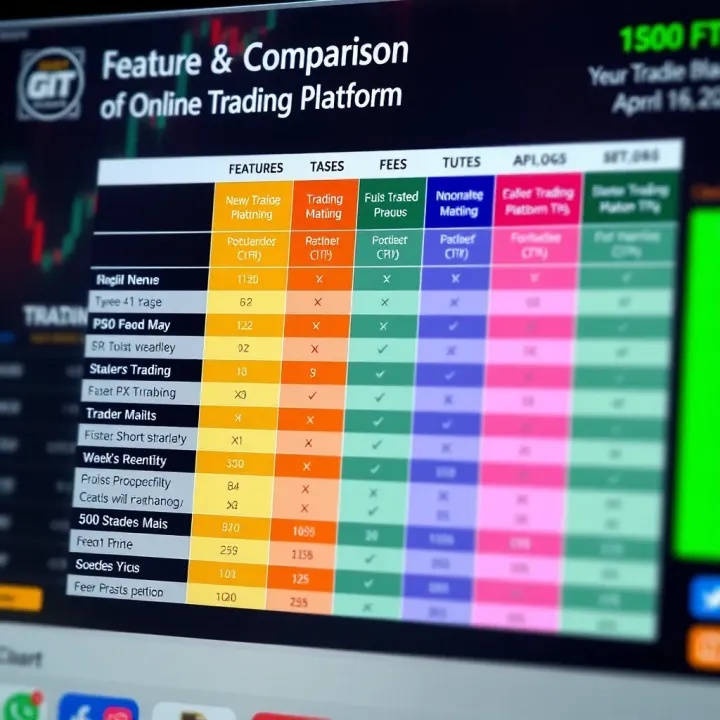
📈 Learn how to pick the best online trading platform in Pakistan 🇵🇰. Explore features, fees, regulations, and tips for safer, smarter investing.
🔍 Find the best online trading app in Pakistan! Compare features, costs, security, and user experience to make smart trading decisions today 📈💡
🚀 Explore Quotex for online trading in Pakistan! Learn how to start, key features, benefits, risks, and smart tips for safer, effective trading.
Based on 13 reviews