
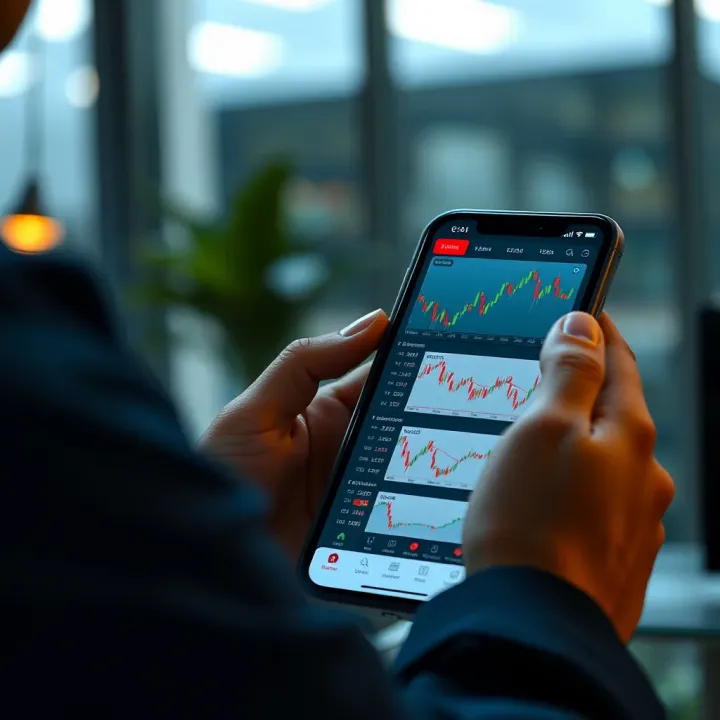
Trading Apps Without Upfront Investment Explained
Explore trading apps that let you practice without upfront investment 💸. Learn how they work, pros and cons, and tips for Pakistan users 👨💻📱.
Edited By
Charlotte Hughes
Trading without risking your hard-earned money might sound too good to be true, but there are actually apps designed exactly for this purpose. These apps allow users to get a feel of the trading world without putting real cash on the line. For traders, investors, and those curious about finance in Pakistan, understanding how these platforms work is a smart move before diving into real investments.
These trading apps that don't require upfront investment offer a playground for practice and learning. You can test strategies, study market behavior, and gain confidence—all without experiencing the sting of loss. They serve not only as educational tools but also as stepping stones for beginners looking to enter Pakistan’s growing financial markets.
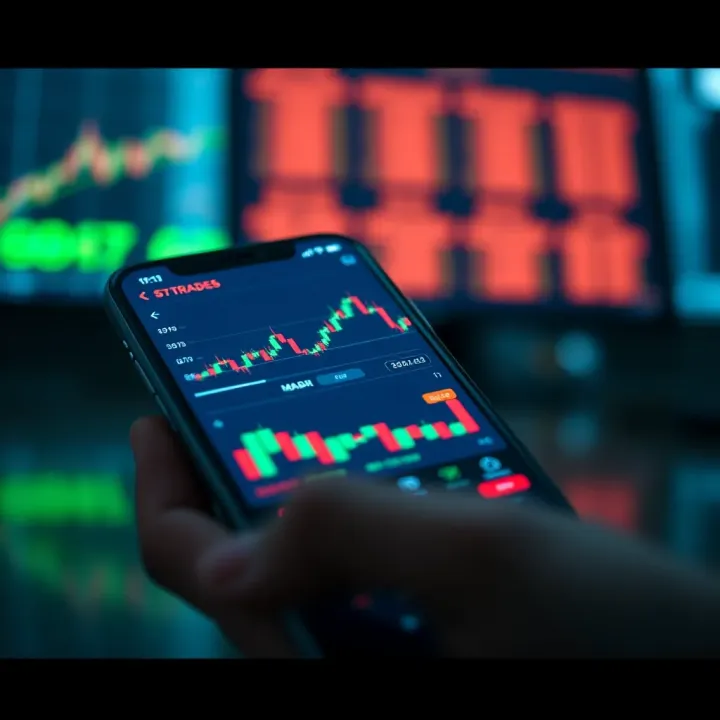
In this article, we'll cover how these apps operate, the perks they offer, the risks involved despite no real money use, and what features to look for if you want to try them out. We'll also look at examples relevant to Pakistan's market context, giving you a practical view of what’s available locally and what to expect.
Getting familiar with trading through mock platforms can save you from costly mistakes later. It's like using a flight simulator before taking the real plane up in the air.
Getting to grips with trading apps that don't require real money is kind of like learning to ride a bike with training wheels. These apps provide a risk-free way to explore the world of trading without the pressure of losing actual cash. For traders, investors, and finance professionals, especially beginners in Pakistan where market access can be tricky, understanding these platforms is a solid first step.
These apps simulate trading environments, allowing users to experiment with strategies, watch market dynamics unfold, and build confidence before taking the plunge in real investing. This isn't just about passing time; it's about education, experience, and preparing yourself for the real deal.
Trading apps without investment are platforms designed to mimic real trading activities but use virtual money instead of real funds. Think of it as a stock market sandbox or a flight simulator for pilots—offering practical experience without the risk. Users can buy and sell stocks, commodities, or cryptocurrencies with fake money, observing how their choices affect their virtual portfolios.
For example, an app might give you 100,000 virtual dollars to trade stocks listed on Pakistan Stock Exchange (PSX) or cryptocurrencies like Bitcoin and Ethereum. This setup helps novices understand market behavior and learn the ropes without worrying about losing savings.
Unlike traditional trading apps where real money is involved, these no-investment apps remove the financial risk entirely. Traditional platforms require you to deposit funds and may come with complex compliance and regulatory checks. No-investment apps bypass all that because no actual funds are at stake.
This distinction is crucial for beginners who want to get a feel for the market without financial pressure. The apps focus more on education and simulation rather than real profit or loss. So, while you can’t make real money on these apps, the knowledge and skills gained can be invaluable once you move to live trading.
At the heart of these apps is a simulated trading environment that closely mirrors real market conditions. Market data such as stock prices, cryptocurrency charts, and indices are updated regularly to reflect what’s happening in actual markets. This real-time data feed lets users practice decision-making as if they were in a live market.
What sets these environments apart is how they replicate order execution, price fluctuations, and even news events. For instance, some apps factor in earnings announcements or economic changes, giving users a more authentic experience. This hands-on approach sharpens users’ skills under conditions that are close to reality.
To fuel the simulated trading, apps assign users virtual currencies or points — a sort of in-app money that doesn’t equate to real cash. This currency is how users 'buy' and 'sell' assets within the platform. Typically, users start with a fixed amount, say 50,000 virtual dollars or coins.
What’s neat is some apps gamify this by awarding points for completing challenges or reaching milestones, encouraging users to hone their trading tactics. These virtual currencies let you see gains, losses, and portfolio changes without putting your actual money on the line, which makes the experience less daunting and more educational.
Using virtual currencies for practice trading is an excellent way to learn without fear — you get the feel, but not the pinch!
Understanding these mechanics helps you pick the right app to sharpen your skills before navigating Pakistan’s financial markets with real investment. This prep work can save you headaches down the road and set the stage for smarter trading choices.
Trading apps that let you trade without putting real money on the line are more than just a novelty — they offer genuine value, especially for folks new to the trading scene. Whether you're a complete beginner or someone wanting to sharpen skills without financial stress, these apps provide a safe ground to learn, experiment, and build confidence. In Pakistan, where market access and investment literacy can be challenging, these platforms can serve as a bridge to understanding how markets tick without risking a single rupee.
Practice trading strategies: One of the biggest hurdles for beginners is figuring out how to test different trading strategies without losing cash. Trading apps with no-investment options let users simulate buying and selling stocks or cryptocurrencies, try out techniques like day trading, swing trading, or even go long and short, all in a virtual environment. This hands-on practice helps traders see what works and what doesn’t without the fear of losing money. For instance, if you’re curious about using moving averages to time your trades, these apps give you the playground to explore and refine without spending real money.
Familiarisation with market dynamics: Markets have a rhythm and reacting to news, price shifts, and volume changes is part of the game. Using these apps regularly means you get to observe how real-world events — like corporate earnings announcements or political developments in Pakistan — affect prices in real time. This familiarity is priceless since it helps reduce the shock factor when you eventually move to live trading. You start to recognize patterns, volatility phases, and how liquidity impacts your trades, all without feeling the pinch of financial loss.
Experimenting without pressure: The no-money-needed trading apps lift a huge weight off your shoulders. Since you know you can't lose any real cash, you’re free to try out bold ideas or new tactics. Want to buy a tech stock just before earnings to see what happens? Go for it. Try shorting the PKR against the USD in a simulated forex market? No problem. This trial-and-error without the stress of financial consequences encourages learning and growth — something difficult when real rupees are at stake.
Building confidence before real investment: Confidence can be a dealbreaker in trading. Jumping straight into the real market without practice can shake even the steadiest nerves. Using demo or virtual trading apps equips you with experience, which gradually builds trust in your ability to trade smartly. For example, if you were hesitant about trading PSX stocks like Habib Bank Limited or Engro Corporation, regularly practicing on virtual platforms can make the decision-making process faster and less intimidating. Remember, confidence gained here is a key ingredient when you finally place real bets in Pakistan’s markets.
These apps act like a personal trainer for traders — giving the chance to train in a risk-free zone until you're ready to enter the big leagues.
In short, trading apps without investment open doors to learning, experimentation, and confidence-building, all essential before putting real money on the table, especially in Pakistan’s unique financial environment.
When choosing trading apps that don’t require actual investment, certain features stand out because they ensure a realistic and valuable learning experience. These features are not just bells and whistles; they’re the building blocks that make virtual trading feel close to the real deal. For anyone serious about picking up trading skills without risking their hard-earned money, understanding these features is essential.
One of the backbones of any good trading app that simulates the market without real money is fresh, timely data. Without real-time or near real-time market info, users might be practicing strategies that wouldn’t hold up in current conditions. Think of it like driving on a simulator that only shows outdated road maps — it wouldn't prepare you for actual traffic twists and turns.
These apps pull in live stock prices, currency rates, or crypto values, mirroring what's happening on real exchanges. This way, traders get a genuine feel for market volatility and momentum. In Pakistan's context, apps that reflect local market hours and conditions, like those simulating the Pakistan Stock Exchange (PSX), provide users with relevant practice that’s not just theoretical.
Beyond just showing prices, top-tier apps replicate the pressure and unpredictability traders face daily. This includes order execution delays, bid-ask spreads, and even the sudden market swings triggered by breaking news or economic reports. Simulation tools should allow for placing different types of orders—market, limit, stop-loss—mirroring real broker features.
Remember, the value here isn’t just the numbers but experiencing how your trading actions play out under dynamic conditions. The more the trading environment mimics reality, the better the preparation.
Even the most sophisticated features become useless if the app feels like a maze. Beginners especially need an interface that’s straightforward with clear tabs, understandable icons, and simple order placement mechanics. Apps like Interactive Brokers’ demo or Thinkorswim from TD Ameritrade offer dashboards where key info is grouped sensibly, reducing the overwhelm.
A clutter-free design helps new traders stay focused on learning rather than getting lost clicking through complicated menus.
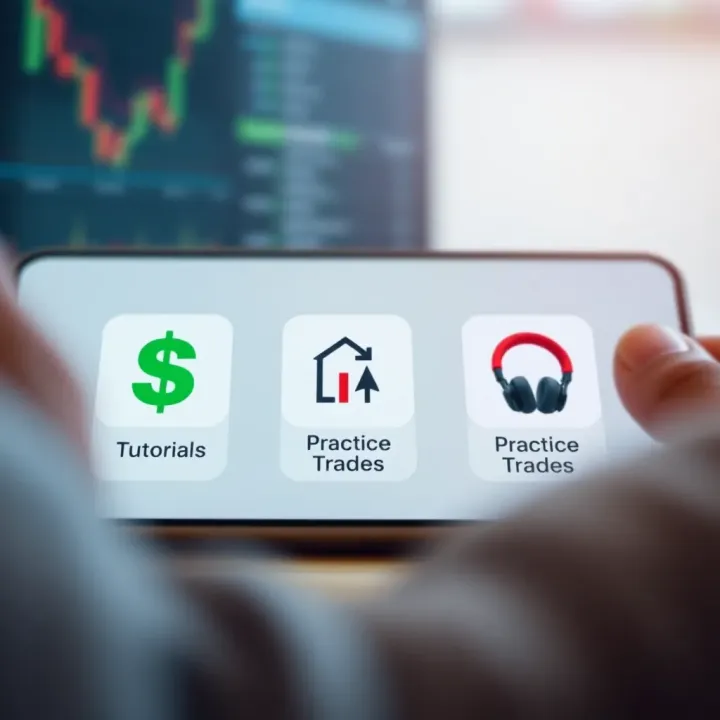
Practice alone can’t substitute for knowledge. The best trading apps embed learning materials—videos, written guides, interactive tutorials—to explain concepts like technical indicators, candlestick patterns, or risk management. These resources help solidify what users try in their simulation.
For example, apps like Investopedia Simulator and eToro’s demo account feature educational content that walks a trader through basic to intermediate lessons while allowing hands-on practice. This combo turbocharges understanding and skill development.
Trading can be a lonely game, so having a community where users share tips, ask questions, or discuss market happenings adds value. Apps integrated with forums or chat groups foster peer learning and encouragement, which often leads to deeper insights.
Pakistan has active social trading communities on platforms like TradingView or Reddit’s Pakistan-specific subreddits, which can complement app-based learning.
Even the best tech hiccups occasionally. When users face issues—be it technical bugs, unclear instructions, or account access troubles—responsive and helpful customer support is crucial. It’s especially important if the app is used by beginners, who might need quick walk-throughs or reassurance.
Look for apps offering multiple support channels like chat, email, or phone, ideally with localized support catering to users in Pakistan’s time zone.
Choosing the right trading app with these core features not only boosts your learning but also makes the process less frustrating and more engaging. In the end, the goal is to build real-world readiness without putting your money on the line prematurely.
When it comes to trading apps that don’t ask you to put in real money, popularity matters because it usually means they've been tested by many users and refined over time. These apps give you a sandbox to try your hand at trading stocks or cryptocurrencies without risking your hard-earned cash. For anyone serious about understanding the market or just scratching the surface, these platforms provide a low-stakes way to learn, mess up, and improve.
They’re especially useful for beginners who want to build muscle memory on buying, selling, and reading market signals before stepping into the real trading ring. But it's not only rookies who benefit—seasoned traders might also use these apps to test strategies quickly or stay sharp during market downtime.
Brief descriptions of leading apps: Apps like Investopedia Stock Simulator and MarketWatch’s virtual stock exchange stand out when it comes to stock market simulations. Investopedia’s simulator combines a wealth of educational resources with a trading floor-like experience, allowing users to trade stocks, ETFs, and even options using virtual money. MarketWatch's platform offers a competitive environment where users can join public or private games, making it more social and engaging.
Both apps pull real stock market data, which helps accomplish realistic trading scenarios that mimic daily market fluctuations. These platforms don't just display numbers; they provide an environment where users can observe how their decisions would actually play out without a dime on the line.
Unique features and benefits: One of the key draws of these simulators is the mix of realism and education. Investopedia’s app, for example, integrates tutorials and explanations right alongside the trading screen, smoothing the learning curve for new traders. On the other hand, MarketWatch’s emphasis on competition lets users compare their skills with peers, which can light a fire under your trading ambitions.
Another benefit is the ease of access—most of these apps work on both web and mobile, ensuring you can practice trading during your daily commute or between meetings. Plus, seeing how your virtual portfolio reacts to real-time events builds better market intuition, which is invaluable when you move to actual investing.
Overview of crypto-focused apps: For those eyeing the cryptocurrency market without diving in financially, apps like CoinMarketGame and Crypto Parrot offer simulated crypto trading experiences. These apps provide a range of coins from Bitcoin and Ethereum to lesser-known altcoins, allowing users to test different crypto trading strategies in a risk-free environment.
Unlike stock market simulators, crypto trading apps often incorporate the extremely volatile nature of cryptocurrencies, which is crucial since crypto prices can swing wildly each day. Beginners can see how sudden price jumps or drops affect portfolios without stressing about actual losses.
How they simulate the crypto market: These apps use historical and live market data to recreate the price movements of cryptocurrencies. They allow you to place orders, invest in different coins, and watch your portfolio evolve based on real-time or lagged market trends.
Some platforms, like Crypto Parrot, also simulate margin trading and stop-loss orders, which are advanced features not commonly found in stock market simulators. This helps users get a taste of day trading tactics and risk management without financial exposure.
Engaging with these no-investment crypto apps lets users experience the rollercoaster of crypto markets. It’s a hands-on classroom where mistakes are just lessons, not losses.
In all, choosing the right app depends on your goals—whether it’s mastering the stock market’s steady waves or riding the crypto market's wild tides. Both types give valuable practice that’s hard to find elsewhere without risking actual money.
Understanding the gap between virtual and real trading is crucial for anyone starting out. Virtual trading apps give a hands-on feel without the risks, but the experience doesn’t fully match up to the real deal. This comparison helps beginners spot where simulations shine and where they stumble, preparing them better before committing actual funds.
Risk feels very different when it’s not your own money on the line. In virtual trading, losing some points or virtual cash doesn't sting like watching your hard-earned money disappear. For example, a newbie might confidently repeat risky trades in a demo app, thinking it’s no big deal, only to hesitate massively when real rupees are on the table. Understanding this gap in risk perception is key—virtual success doesn’t guarantee comfort in real markets.
Real trading brings a whole new level of stress that virtual platforms can’t fully replicate. Pressure can cause quick emotional decisions—panic selling or overbuying—that usually don’t happen in a calm virtual setting. Practicing decision-making under simulated stress scenarios, like sudden market drops in the app, can help, but expect a steeper learning curve once you face real price swings and market volatility.
One major drawback of virtual trading is the lack of real financial consequences. This safety net helps learning but sometimes leads to unrealistic expectations about the ease of making profits. A trader who succeeds in a virtual stock app might underestimate the real-world challenges like sudden market news or liquidity issues.
Remember, while virtual apps let you explore strategies freely, they’re a cushion that softens the impact of mistakes. Real trading demands sharper caution.
Many virtual trading platforms don’t factor in the actual fees, commissions, taxes, or slippage faced in real markets. For instance, a Pakistani trader might ignore brokerage charges from firms like IGI or JS Global Securities when practicing virtually. Neglecting these costs can lead to an inflated sense of profitability and poor money management once real trading begins.
To truly prepare, users should manually account for typical fees or practice with apps that simulate transaction costs, ensuring a more grounded understanding of net returns.
By recognizing these emotional and practical differences, new traders can better navigate their transition from demo platforms to actual investment, making informed decisions rather than being caught off-guard by real market pressures.
Trading apps that don’t require real investment offer a unique gateway for new traders in Pakistan to familiarize themselves with market operations without the fear of losing money. These apps create a risk-free zone where beginners can sharpen their skills and adapt to the fast-moving dynamics of local and global markets. For many newcomers, this hands-on approach is much more effective than just reading about trading or watching videos.
These platforms also allow traders to test strategies in an environment that imitates market conditions found in Pakistan’s exchanges, including the Pakistan Stock Exchange (PSX). Given the sometimes volatile nature of emerging markets, starting virtually helps develop a calm, methodical decision-making process rather than impulsive reactions.
Overview of SECP regulations
Pakistan’s Securities and Exchange Commission (SECP) oversees all activities relating to trading and investments to maintain market integrity and protect investor interests. For new traders, understanding these regulations is crucial since they dictate what kinds of trading activities are permissible within the country. For instance, the SECP sets guidelines on trading hours, disclosure requirements, and licensing for brokers.
For beginners using trading apps, awareness of SECP regulations ensures they are prepared to enter the real market within the legal framework, avoiding any surprises or compliance issues. Many apps also highlight these rules and provide updates when new policies roll out.
Limitations on foreign brokerages
Foreign brokerages generally face restrictions in operating directly within Pakistan’s stock markets due to SECP’s regulatory framework. This means most Pakistani retail investors must use locally licensed brokers when trading real stocks or derivatives.
For new traders, this can limit access to international markets or advanced products through domestic accounts. However, simulated trading apps often bypass these restrictions since no actual money changes hands, letting users experiment with global stocks and cryptocurrencies through virtual platforms. This exposure can be invaluable for users who want to broaden their knowledge beyond local markets before dealing with real capital.
Practical ways to prepare
New traders can use no-investment trading apps to simulate real-life scenarios they will likely face on the PSX. For example, they can practice order types like limit orders, stop-losses, and market orders to understand how to protect profits or cut losses.
These apps also help in timing market entries and exits, an area where many beginners struggle. Repeated trial-and-error in virtual settings builds a sense of timing and judgment without any financial fallout.
Local market conditions and factors
Pakistan’s stock market is influenced by unique economic indicators such as political events, currency fluctuations (PKR volatility), and sector-specific news (textiles, oil, telecom). New traders using virtual trading apps can watch how simulated market prices react to these types of news updates and economic reports in real time.
Understanding how local factors move the market helps traders develop strategies grounded in Pakistan’s economic realities rather than relying solely on generic global trends.
Starting with simulated trading tailored for Pakistan equips new investors with critical experience, reduces costly mistakes, and ultimately leads to more confident participation in live markets.
Using trading apps that don’t require real money can be a great way to practice and learn, but it’s important to be aware of certain risks and pitfalls. These apps give a controlled environment, which might not always prepare you for what happens when actual money is on the line. Understanding these drawbacks helps traders avoid bad habits and prepares them better for real markets.
One common risk is developing a false sense of security. Since simulated trading involves no real stakes, it’s easy to feel overly confident about your skills after a few successful trades. For example, you might nail a bunch of trades in a stock simulation app like Investopedia Simulator but then struggle badly when facing real-life pressure and unpredictable market swings. This overconfidence can lead to careless decisions, bigger losses, or jumping into real trading too soon.
Remember, simulated success doesn’t account for the emotional rollercoaster that real money trading brings.
Ignoring real market complexities is another trap. Real markets are loaded with factors like spreads, commissions, slippage, and sudden news events, which simulated apps often simplify or leave out. A trading session in a no-investment app might feel like a smooth sail, but real trading involves fast decisions, unexpected twists, and sometimes confusing market behavior. For instance, Pakistani investors using apps without real money might not catch the impact of SECP regulations or local market liquidity issues until they actually start trading with cash.
Being mindful of these differences means you should treat simulated trading as practice, not a guarantee of real-world success.
Another crucial consideration is data privacy. When you sign up for any trading app—especially ones that don’t require payment—you provide personal information. This could include your name, contact details, and even location data. Unfortunately, not all apps handle this information with the same care. Some less reputable apps might share your data without clear consent or use it to target you with ads or spam.
Be sure to read the privacy policy of any app you use. Look for platforms that disclose how they handle your data and what security measures they have in place.
App security goes hand in hand with data privacy. Many no-investment trading apps are smaller companies or startups and may not invest heavily in cybersecurity. Weak security could lead to breaches, exposing your personal info or even login credentials. That’s a big deal, especially if you plan to move to real trading on the same platform later.
To stay safe:
Choose apps with two-factor authentication (2FA).
Avoid apps that ask for unnecessary permissions.
Update apps regularly to get security patches.
In Pakistan, where mobile banking and financial apps are becoming common, being cautious with your data is more important than ever.
In summary, while no-investment trading apps are fantastic learning tools, traders should watch out for overconfidence, unrealistic market views, and data privacy issues. Being aware of these pitfalls ensures that your practice leads to smarter and safer trading decisions in the real world.
Bridging the gap between virtual trading and actual investing is a critical step for any trader aiming to move from practice to real markets. Virtual trading apps provide a safe environment to understand market mechanics, but real investment introduces new challenges like emotional pressure, actual risk, and financial decision-making. Integrating experience gained from these apps with real trading involves careful preparation and realistic expectations to avoid costly mistakes.
Before diving into real investing, it's essential to evaluate if you're truly prepared. Readiness goes beyond just knowing how to buy or sell stocks; it includes understanding market volatility, recognizing your risk tolerance, and having a clear investment plan. For example, a trader who consistently profits in a simulated environment but panics during minor losses is probably not ready yet. Testing your emotional responses and maintaining discipline in virtual trading helps you identify areas needing improvement.
Key indicators of readiness include:
Consistent positive results over several weeks of virtual practice
Comfort with executing different trade types (market, limit, stop-loss)
Basic knowledge of market terminology and trading strategies
An understanding of how to manage risk, such as setting stop-loss orders
Taking a self-assessment or seeking guidance from experienced mentors can clarify whether the transition should happen now or later.
Selecting the right brokerage is vital, especially for Pakistani traders facing unique regulatory and market constraints. A good platform should offer:
Access to Pakistan Stock Exchange (PSX) alongside international markets
User-friendly interfaces with strong educational support
Reasonable fees and transparent charges, considering how commissions and taxes apply locally
Reliable customer service to help navigate the nuances of investing in Pakistan
For instance, brokers like TCS E-Trade or JS Global Capital cater directly to Pakistani investors with localized support. On the other hand, some global platforms may limit Pakistani residents due to regulatory precautions. Researching and comparing options like IG Markets or Interactive Brokers ensures you pick one that suits your trading goals and accessibility.
Volatility is part and parcel of markets, where price swings can be sharp and unpredictable. While virtual trading often mimics these movements, the psychological impact differs when real money is on the line. Real markets react to breaking news, geopolitical events, and sudden economic shifts, which may not be fully captured in simulations.
To manage expectations, accept that losses will happen and short-term fluctuations shouldn't derail your strategy. For example, during a political crisis in Pakistan, the stock market might swing wildly. Instead of panic selling, understanding volatility helps you stay calm and stick to your plan.
Sound money management is the backbone of successful trading. Even if you have a winning strategy, poor money management can wipe out gains rapidly. Key tips include:
Only invest capital you can afford to lose
Diversify investments to spread risk across sectors or assets
Use stop-loss orders to limit downside on trades
Avoid chasing losses by increasing trade sizes impulsively
Keeping a clear budget for trading and setting limits prevents emotional decisions driven by short-term gains or losses. For Pakistani investors, it's also important to consider currency risk and ensure funds are held in secure accounts compliant with SECP regulations.
Transitioning from virtual trading to real markets is a journey, not a sprint. Patience, careful choice of platforms, and managing your expectations around volatility and money can make all the difference between a rocky start and a steady investment path.
Using trading apps that don’t require real money is a great way to sharpen your skills and build confidence. But just playing around with these apps won't cut it if you want to see real progress. To really make the most of these platforms, you have to approach them like a serious training tool. Focusing on consistent practice, tracking your activity, and learning from your mistakes can turn these simulated environments into valuable learning sessions.
One of the best practices for improving in trading is keeping a detailed journal. This isn't just about writing down your trades — it’s about capturing the why and how behind each decision. When you track your decisions and outcomes, you get an honest view of what works and what doesn’t.
Tracking decisions and outcomes: Every time you make a trade in simulation, jot down the reasoning behind it. Did you buy because of a news event or a technical signal? Note the entry and exit prices, the position size, and the result — profit or loss. Over time, this helps spot recurring patterns in your own behavior. You might realize you’re jumping in too quickly, or holding onto losers too long.
Analyzing mistakes and successes: A journal is your best friend for critical self-review. Look back after a week or a month and identify both your winning moves and your slip-ups. Did a certain strategy fail during volatile times? Or did you nail timing when stocks showed clear trends? This analysis isn’t about self-blame; it’s about learning. Fix what didn’t work and refine what did.
Keeping a trading journal can transform your approach from guesswork into a methodical process.
Consistency is king when it comes to mastering trading. Just like you wouldn’t expect to become a good cricket batsman without regular practice, trading skills demand persistent effort.
Consistency in practice: Try to dedicate a fixed time daily or weekly for your simulated trading. This rhythm builds familiarity with market movements and helps you internalize responses to different scenarios. For example, spending 30 minutes each evening reviewing the day’s simulated trades can cement learning much better than scattered, irregular sessions.
Adjusting to changing market conditions: Markets are like ever-shifting sands. What worked last month might fall flat in the next. Practice with virtual trading apps needs to reflect this reality. If your app offers scenarios with different market trends — bullish, bearish, or sideways — make sure you test your strategies across these conditions. For instance, if you usually buy stocks on momentum, try tweaking your approach when the market is in a slump. This adaptability is critical once you switch to real money trading.
By combining consistent practice with active reflection and adjustment, you can squeeze genuine value out of no-investment trading apps. These aren’t just playgrounds but rehearsal stages for the real deal, especially for aspiring traders in Pakistan’s evolving market.
As digital finance gains momentum in Pakistan, no-investment trading apps are carving out an important niche. Their future relevance ties closely to economic trends, technological growth, and educational outreach. These apps allow users—especially young, aspiring traders—to practice without risking real money, making trading more accessible and less intimidating in a country where financial literacy is still evolving.
With Pakistan’s growing smartphone penetration and internet use, these platforms offer a practical way for people to learn market dynamics firsthand. For example, students from smaller cities who traditionally lack access to formal finance education can now explore stock simulations or cryptocurrency trading virtually, preparing them for real financial markets when the time comes.
The number of mobile users engaging with trading apps in Pakistan has been steadily climbing. This rise is driven by affordable smartphones and expanding internet coverage, even in rural areas. Popular apps like eToro and Thinkorswim have seen introductions of their Pakistani user segments through tailored, no-risk accounts, boosting engagement by making trading approachable and free from financial strain.
For traders and investors, this means a broader community for sharing insights and strategies, creating peer learning opportunities. Brokers and financial advisors can tap into this expanding pool to offer tailored services, making the market more inclusive.
The tech behind trading apps is evolving rapidly to offer smoother, more realistic experiences. Features like real-time market data, AI-driven predictions, and machine learning-based trading suggestions make simulated trading in Pakistan’s mobile apps more than just a game. For example, integrating AI helps users spot patterns in local market movements, which traditional apps might overlook.
These advancements not only enhance usability but also help learners better prepare for actual trading. Pakistan’s fintech companies are also starting to develop localized versions that incorporate local currency and market conditions, increasing relevance for local audiences.
More Pakistani universities and colleges are exploring ways to incorporate trading simulation apps into their finance curricula. By including platforms like Invstr or TradingView as practical tools, educators help students bridge theory with practice. Such integration allows learners to experience market scenarios live, understand portfolio management, and test strategies without financial risk.
This hands-on exposure can turn abstract financial concepts into tangible lessons, encouraging deeper engagement. Instructors in Karachi and Lahore have started workshops using these apps, which receive positive feedback for making coursework more interactive and practical.
Beyond formal education, trading apps without investment serve as grassroots tools to improve financial literacy across all age groups in Pakistan. Public awareness campaigns and collaborations with NGOs can leverage these apps to demystify stock markets and cryptocurrencies, breaking down barriers often faced due to jargon or lack of access.
Encouraging everyday users to experiment on these platforms can build confidence and reduce hesitation to enter actual trading environments later. Financial literacy drives more informed decision-making, which helps stabilize markets and encourages economic growth.
No-investment trading apps hold promise not just as learning tools but as catalysts for broader financial inclusion in Pakistan’s evolving economic landscape.
In summary, the future of these apps looks bright as they adapt to local needs and incorporate new technology. With continued growth, integration with education, and a focus on financial literacy, they can become a cornerstone of Pakistan’s trading ecosystem for beginners and seasoned traders alike.
Explore trading apps that let you practice without upfront investment 💸. Learn how they work, pros and cons, and tips for Pakistan users 👨💻📱.
Find the best trading app in Pakistan 📱 with tips on features, security 🔒, fees 💰, and user experience for stocks, forex, and crypto trading.
Discover zero investment trading apps in Pakistan 📱. Learn how to trade without upfront costs, understand risks & legal tips for confident trading decisions.
📱 Discover the best trading apps in Pakistan where you can start trading without any initial investment. Learn features, benefits, and how to begin easily! 🚀
Based on 12 reviews