
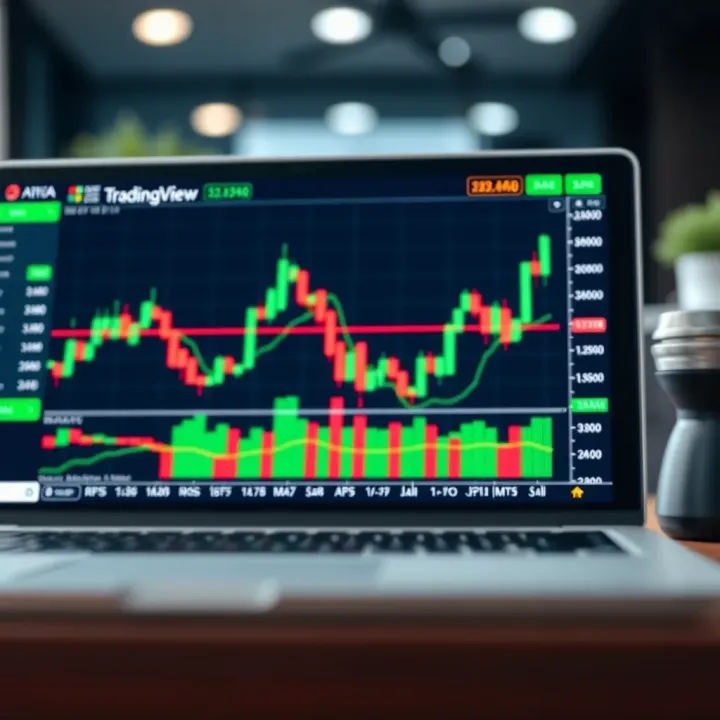
TradingView Guide for Pakistani Traders
📊 Explore TradingView.com with this detailed guide tailored for Pakistani traders! Learn to use charts, tools, and join a global community for smarter investments.
Edited By
Daniel Price
TradingView.com has become a go-to platform for traders worldwide, and Pakistan is no exception. Whether you're diving into stocks, forex, or cryptocurrencies, having the right tools and information is a game changer. This guide is crafted specifically for Pakistani traders looking to make the most out of TradingView’s features.
We’ll break down everything from the platform's powerful charting tools to its active social community. You'll see how Pakistani traders can navigate local market nuances while using TradingView, and we’ll share practical tips on improving your trading strategy right from the get-go.
The goal here is simple: to give you a solid grasp of TradingView.com so you can confidently analyze markets, spot opportunities, and join a community that shares your passion for trading—all tailored to fit Pakistan's trading environment. Ready to jump in? Let’s get started!
In this section, we lay the groundwork for understanding why TradingView.com matters for Pakistani traders. TradingView isn’t just another charting website; it’s an all-in-one platform that brings market analysis tools, real-time data, and a social networking angle right to your fingertips. For traders in Pakistan, where access to international markets can sometimes be tricky and local data might not always be comprehensive, TradingView acts as a powerful equalizer. It helps bridge that gap, offering a hub where traders can observe, analyze, and interact within a global context.
By the end of this section, you’ll get a clear sense of what TradingView is, who can benefit from it, and why it’s particularly significant for traders in Pakistan. Understanding these basics will make the deeper tools and strategies discussed later much easier to grasp and apply.
TradingView is essentially a cloud-based platform for charting and analyzing financial markets. It supports everything from stock charts to cryptocurrencies, forex trading, and futures. Instead of relying on desktop software that requires updates and installation, TradingView runs in your browser or mobile app, keeping data and your personal chart setups synced across devices.
One of its key strengths is a vast library of technical indicators and drawing tools. Whether you’re plotting moving averages, Fibonacci retracements, or simple trend lines, TradingView offers an intuitive, drag-and-drop experience. Plus, the platform’s scripting language, Pine Script, lets users create custom indicators or strategies without needing deep programming skills.
For Pakistani traders, this means easy access to tools that help decode market movements and plan trades effectively—no need for expensive software or complex coding.
TradingView targets a broad set of users: from newbie traders trying to grasp market basics to professional analysts sharing complex trading ideas. It supports multiple markets worldwide such as NYSE, NASDAQ, CME, and local exchanges like Pakistan Stock Exchange (PSX).
Its versatility makes it suitable whether you want to keep an eye on global tech stocks, currency pairs like USD/PKR, or burgeoning crypto assets. This wide market coverage alongside social features lets users learn from others, spot trends early, and exchange perspectives—important for traders in Pakistan who want to keep up with fast-moving global markets.
One huge advantage for Pakistani traders is TradingView’s access to both international and local market data. For instance, while many local brokers provide platforms focused only on the Pakistan Stock Exchange, TradingView opens doors to markets like the S&P 500, crude oil futures, or even gold prices. This breadth means traders can diversify strategies beyond local stocks.
At the same time, TradingView keeps Pakistani market data visible, so users can track domestic stocks and indices alongside international assets, all in a single interface. This dual access is especially valuable because it helps traders make informed decisions that consider both local economic conditions and global market trends.
For beginners, TradingView helps by offering an easy way to visualize market data and learn trading concepts from a community of users who often share step-by-step guides and trade ideas. The free version itself provides a rich set of tools enough to start experimenting and building confidence.
Experienced traders gain from the advanced features like Pine Script for custom strategies, extensive charting options, and real-time alerts that can be set for specific price levels or indicator conditions. These features streamline the trading process and offer a chance to fine-tune approaches.
Whether you're just starting out or already making waves in the markets, TradingView provides tools and community input that can up your trading game no matter which stage you're at.
Overall, TradingView is not just a tool but a platform that connects traders in Pakistan to global financial hubs, with resources tailored to both exploration and expert analysis.
TradingView offers a range of core features that make it a favorite among traders, especially those in Pakistan looking to navigate both local and international markets. These features blend powerful tools with user-friendly design, ensuring traders can analyze data efficiently and make informed decisions. Understanding these elements helps traders at all levels harness TradingView’s full potential.
One of TradingView’s strong suits lies in its diverse charting options. Whether you prefer a classic line chart or something more detailed like Renko or Heikin Ashi, TradingView has you covered. For Pakistani traders eyeing markets such as the PSX or global stocks, selecting the right chart type can reveal hidden trends. For instance, Renko charts filter out noise and help spot steady price movements, which might be useful during high volatility phases often seen in emerging markets.
Customization stands out as a big plus. You can add all sorts of indicators—from RSI to Bollinger Bands—and tweak their settings to match your strategy. Drawing tools let you mark support and resistance lines or Fibonacci retracements right on the chart, helping you track levels that matter. Unlike some platforms with rigid tools, TradingView lets you tailor everything, so your charts reflect exactly what you want to see at a glance.
TradingView comes loaded with over a hundred built-in indicators covering standard technical signals. These include moving averages, MACD, volume indicators, and more. This variety is useful whether you're a day trader watching for quick trends or a swing trader analyzing longer time frames. For example, in the Pakistani context, you might combine moving averages with volume to confirm breakouts in volatile stocks like oil and gas companies.
Beyond preset indicators, TradingView’s Pine Script language lets traders write their own technical studies or automated alerts. This is a game-changer for Pakistan-based traders who want to execute unique strategies that might not be widely available. For instance, crafting a Pine Script that tracks the KSE-100 index volatility during earnings season can help you spot trading signals that others miss. Pine Script is approachable for beginners yet powerful enough for complex analysis.
TradingView isn’t just about charts; it’s also a community. Users can publish trading ideas and setups publicly, enabling others to learn or check different perspectives. Pakistani traders can benefit from seeing how international peers react to the same market conditions, broadening their viewpoint beyond local sentiment.
You can follow experienced traders and analysts, keeping tabs on their moves and insights. This social aspect helps newer traders pick up real-world tips and patterns that theory alone might miss. If someone consistently calls the PSX rallies correctly, following them provides a kind of informal mentorship.
The discussion forums and comment sections under published ideas foster active dialogue. Engaging in community discussions is a practical way for Pakistani traders to clarify doubts or test trading hypotheses. Unlike static information, this back-and-forth can speed up learning and help avoid common mistakes.
Using TradingView’s core features not only boosts your technical analysis but also plugs you into a live, interactive trading community, which is invaluable when trading rapidly changing markets like those in Pakistan or abroad.
In all, mastering TradingView’s core features gives Pakistani traders a sharp edge, both in understanding the markets deeply and in connecting with a network of fellow traders for shared insights.
Using TradingView to its fullest can make a big difference for traders, especially those in Pakistan who need sharp tools and reliable info. The platform is more than just charts; it’s a hub where you analyze, collaborate, and execute trades. Getting familiar with its core functions can save you time and avoid costly mistakes down the road.

Starting off, the registration on TradingView is straightforward but needs attention to detail. Pakistani traders should enter their email and choose a strong password to keep their accounts safe. After signing up, confirming your email address activates the new account. This step is key to unlock all basic features and begin exploring charts and market data.
TradingView offers a few account levels, from free to premium plans. Free accounts give you access to essential features, but premium options unlock more indicators, alerts, and multi-chart layouts. Verifying your account by providing additional info, like ID or payment details, is necessary if you want to connect your broker and place trades directly. This verification builds trust and keeps your account secure, especially important to avoid fraud or unauthorized access.
When you first log in, the dashboard is your control center. Here, you’ll find watchlists, news feeds, and your saved charts neatly arranged. For example, you can add your favorite stocks or forex pairs to a watchlist, making it easy to track their movements instantly. The layout is designed so you don't waste time hunting for tools—everything’s in clear sight, which is a huge help when markets move fast.
Once on the charts page, it’s simple to search for assets using the search bar. Say you want to analyze the Pakistan Stock Exchange market, just type the ticker symbol and the chart loads immediately. Customization comes next: you can change chart types (candlestick, line, etc.), add indicators like moving averages or RSI, and draw trend lines or Fibonacci retracements. Saving these chart setups means you’re ready to jump back in without redoing your work every time.
TradingView links with several brokers worldwide, but Pakistani traders should check compatibility carefully. Popular international brokers like Interactive Brokers and OANDA work well, providing real-time data and trade execution. This bridge between your TradingView analysis and your broker account streamlines the trading process, so you don't bounce between platforms.
One of the real perks is placing trades directly through TradingView’s interface—no need to switch apps or platforms. After connecting your broker account, you can open, close, or modify trades right inside TradingView using its order panel. This setup speeds up decision-making, reducing chances of missing an entry or exit point while markets swing. Just keep in mind, thorough practice is recommended on demo accounts before going live, especially to understand the order types and their execution nuances.
Making the best use of TradingView means not only understanding its features but also adapting them to your trading style and market conditions. For Pakistani traders, this practical know-how can transform casual browsing into informed action.
By mastering these steps, you harness TradingView as a powerful ally rather than just a passive tool—helping you stay ahead in a busy market world.
Understanding the subscription plans and their pricing is essential for Pakistani traders looking to make the most of TradingView’s features without overspending. Given the platform’s variety of pricing tiers, traders need to balance what they get against their trading style and budget. This section breaks down the available plans and offers insights on what fits best depending on your trading needs.
The free version of TradingView is a good starting point but comes with clear limitations. You get access to basic charts and a handful of indicators, which might suit beginners or those simply experimenting. However, features like multiple chart layouts, unlimited indicators, and advanced alerts are locked behind paid plans. This limited access means when market momentum picks up or if you want to run multiple analysis tools at once, the free plan can feel restrictive.
Paid plans—Pro, Pro+, and Premium—offer progressively more capabilities. For example, the Pro plan removes ads and lets you apply up to 5 indicators per chart, while Pro+ bumps that number to 10 and adds extra devices and server-side alerts. The Premium plan, the top tier, unlocks everything: up to 25 indicators, multiple charts in one layout, priority support, and faster alert responses.
When comparing these plans, it really boils down to how complex your trading strategy is and how much real-time data you need. Pakistani traders who actively monitor multiple assets might find Pro+ or Premium more practical.
Choosing the right plan depends largely on your experience level and trading goals. For beginners in Karachi or Lahore starting with spot forex or local indices, the Free or Pro plan often suffices. These allow you to grasp market trends without immediately stretching your budget.
Traders working with multiple strategies, or who follow various global stocks and commodities, will benefit from Pro+ or Premium. For instance, a day trader with positions in US stocks and crude oil at the same time needs the ability to switch seamlessly between charts and accommodate numerous indicators without lag or inconvenience.
Cost is a significant factor in Pakistan due to exchange rates and average income levels. Monthly Pro subscriptions cost around $14.95, which might feel pricey for casual traders. Paying annually often reduces the cost, making it more reasonable over time. Keep in mind some Pakistani traders may prefer to share subscription access within trading groups, though this comes with risks.
Tip: Always weigh the value of a plan against your actual trading volume and objectives. Overspending on features you rarely use won’t improve your results.
In summary, evaluating TradingView's subscription plans with an eye on specific trading use cases and budget constraints helps Pakistani traders pick the option that supports their trading style without breaking the bank.
Accessing TradingView through its mobile and desktop applications is a game-changer for Pakistani traders looking to stay on top of market movements anytime, anywhere. While the web version is robust, the apps offer added convenience without skimping on essential features. The right app experience means you’re not tied to your desk, and can easily track charts, indicators, and market news while commuting or taking a quick break. For traders juggling busy routines or those who value prompt reaction times, the apps become more than just a tool; they’re a trading lifeline.
TradingView has done a good job making sure that whether you’re on a desktop, smartphone, or tablet, you’re not missing out. Core functionalities like charting tools, indicators, watchlists, and alerts are consistent across platforms. This means a Pakistani trader can start analyzing a stock on a desktop at home, then switch to a phone at the local chai shop without losing track. There are minor interface tweaks to fit screen sizes, but nothing that limits what you can do technically. This feature parity is especially important when markets move quickly—having full access regardless of device can make the difference between catching a good entry or missing out.
The app design keeps things intuitive on smaller screens, which is key given most users check updates on their mobiles. TradingView’s apps provide smooth gestures like pinch-to-zoom on charts and simple tap menus for pulling up indicators. Tablets offer a bit more screen space, enabling multi-chart views to fit more data at once, similar to desktop setups. This usability caters well to Pakistani traders who might not always have their laptops handy, ensuring they don’t trade blind or make impulsive decisions due to lack of information. The apps also work well in low-bandwidth conditions, another plus in many regions of Pakistan where internet speed can fluctuate.
One standout feature in TradingView’s apps for Pakistani traders is the push notification system. It allows you to set alerts for price changes, indicator thresholds, or news updates and get instant reminders on your phone. For instance, if you’re watching the Pakistan Stock Exchange or forex pairs involving PKR, the app can buzz you when a key support level breaks. Such instant feedback means you don’t have to constantly stare at screens or refresh pages—trading decisions can happen in real-time.
Staying connected with market movements through alerts is vital in a fast-paced environment, especially if you’re managing multiple instruments or strategies.
Life rarely sticks to trading hours in Pakistan, and sometimes opportunities pop up when you’re out and about. Mobile and desktop apps let you monitor your portfolio and key market feeds wherever you are. Whether waiting for a client meeting in Karachi or commuting in Lahore, traders can glance at live charts, check trends, or review public ideas shared by other traders on TradingView’s community. This on-the-go access encourages more disciplined traders who avoid emotional knee-jerk moves by having the latest info right in their pocket. Instead of relying on vague memories or sketchy secondhand updates, you get a firsthand look, helping keep your trades solid and well-informed.
In short, TradingView’s mobile and desktop apps complement each other seamlessly, providing Pakistani traders the flexibility and power needed to stay competitive. They offer timely alerts, consistent features, and easy usability, all crucial for navigating today's varied market conditions with confidence.
To get the most out of TradingView, it’s not just about knowing the features, but also about using them smartly. For Pakistani traders, who often juggle multiple markets and limited time, mastering these tips can really sharpen how they track trends, act on opportunities, and avoid common pitfalls.
Saving chart layouts is a simple but powerful tool for staying organized. Imagine you’re tracking the Karachi Stock Exchange and also keeping an eye on forex pairs like USD/PKR. Setting up separate chart layouts for each lets you switch back and forth without losing your indicators and drawings. This saves time, especially during hectic trading hours, and ensures your preferred technical setups are ready right where you need them.
Setting up alerts is a lifesaver for busy traders who cannot watch screens all day. With TradingView, you can configure alerts based on price movements, indicator signals, or even custom Pine Script conditions. For example, if the RSI on the Pakistan Oil Refinery stock crosses below 30, signalling a potential oversold condition, you get notified immediately. This helps you act swiftly instead of constantly checking charts, which can prevent missed opportunities.
Following experienced traders on TradingView connects you with those who know the markets inside out. Pakistani users can benefit by observing strategies tailored to local and international markets. Following someone like "PakistaniTrader101" (hypothetical user) who regularly posts analysis of PSX and forex markets can provide insights beyond textbooks. You also get practical trade ideas which can complement your own analysis.
Participating in discussions and ideas allows you to ask questions, debate market moves, and test your own thoughts. For instance, joining threads on Pakistan’s economic news effects or global commodity prices helps you absorb diverse viewpoints and avoid tunnel vision. This collaborative learning can be a huge boon, especially since the markets can be unpredictable.
Using TradingView’s news feed keeps you plugged into the latest market events from trusted financial outlets. Since market drivers in Pakistan often tie to political decisions or global commodity shocks, timely news updates can alert you to upcoming volatility. For example, if the State Bank of Pakistan announces a policy rate change, catching that news early via TradingView’s feed lets you adjust your strategy before prices react.
Integrating external information sources means combining TradingView’s tools with local insights or international reports. Pakistani traders might monitor the business sections of leading newspapers like Dawn or The Express Tribune alongside TradingView charts. Adding economic calendars or forex rate alerts provides a fuller picture, enabling more confident decisions.
Successful trading is a mix of good tools and smart habits. By customizing your workspace, learning from a community, and staying well-informed, TradingView becomes more than a charting platform — it turns into a trading companion.
When it comes to online trading platforms like TradingView, security and privacy aren't just nice-to-haves—they're essential. Pakistani traders, in particular, need to be aware of how their data is protected and how to keep their accounts safe from common online threats. This section breaks down the key aspects of security and privacy on TradingView, offering practical advice to help protect your information and assets.
TradingView employs a range of security measures aimed at safeguarding user information. For instance, the platform uses encryption protocols such as SSL (Secure Socket Layer) to keep data transmission safe from eavesdroppers. This means when you’re analyzing charts or placing trades, your sensitive data isn’t floating around in the open.
Another important measure is that TradingView stores user data on secure servers with regular backups. In case something unexpected happens—like a server crash—your data can be restored quickly. It also minimizes downtime, which is critical if you're relying on real-time market information.
For practical understanding, think of these security measures like a safety deposit box at a bank—only authorized people (you and TradingView staff) have the keys to open it, making unauthorized access much harder.
TradingView’s privacy policy lays out how your data is collected, used, and shared. For Pakistani traders, it's crucial to note that the platform complies with international standards to keep personal info safe but also adheres to laws enacted by countries where it operates.
The platform collects data such as your trading preferences, location, and device info, which is standard for these services. However, TradingView does not sell your data to third parties for marketing purposes, which provides peace of mind.
Still, Pakistani users should be cautious when connecting external accounts or services to TradingView, as this might bring additional privacy risks. Always review what data those services require and how they handle it.
Remember, a clear understanding of privacy policies helps you stay in control of your information.
A strong password is your first line of defense. Use a combination of uppercase letters, lowercase letters, numbers, and special characters to make it tough to crack. Avoid using obvious choices like your birthdate or simple sequences such as "123456".
TradingView offers two-factor authentication (2FA), which you should definitely turn on. This adds an extra step to log in, typically by sending a unique code to your phone or an authenticator app. So, even if someone guesses your password, they still can’t get in without that second factor.
For example, a trader from Karachi shared that after enabling 2FA, they felt more confident logging in on public Wi-Fi networks, knowing their account had an extra layer of security.
Phishing attacks are among the sneakiest threats. Scammers disguise themselves as TradingView or brokers you trust and try to lure you into giving away login details or downloading malware. Always check the email sender address carefully and be suspicious of urgent requests to verify your account.
TradingView will never ask you for your password in an email or instant message. If you ever get asked that or to click on suspicious links, take a step back and verify through official channels before acting.
Some traders in Lahore shared how they almost fell for a scam where fake messages promised "free premium access" but led to phishing sites. Learning to spot these red flags can save you from losing valuable data or money.
Tip: Bookmark TradingView's official site and avoid logging in through links received in emails or social media messages.
Taking these security and privacy steps seriously will help Pakistani traders make the most of TradingView without unnecessary risks. Your data and money deserve protection as much as your trades do.
Wrapping things up, the question remains: does TradingView.com fit the needs of Pakistani traders? In short, yes. It brings together a solid combo of intuitive design, powerful features, and a lively community that can be a real asset. Whether you're dipping your toes in or you're a seasoned pro, the platform offers tools that cater to both ends—and everything in between.
That said, it's not just about ticking boxes. Pakistani traders should consider a few practical things before fully committing. Platform cost, internet speed, and local technological infrastructure all play a part. To truly benefit, users ought to weigh these aspects against their trading goals and resources.
User-friendly interface makes a huge difference, especially if you're new to trading. TradingView presents charts and tools clearly, without bombarding you with clutter. Buttons are where you'd expect, and customization is straightforward. This reduces the learning curve and saves time, letting you focus on analyzing trades instead of grappling with menus.
Pakistani traders, for instance, can quickly pull up local market data or global stocks with just a couple of clicks. The drag-and-drop features for indicators or drawing tools help craft setups that suit your personal style—all without needing to be a tech whiz.
Comprehensive tools and community support come built-in and work hand-in-hand. The platform offers hundreds of built-in indicators and if you fancy something more tailored, you can fiddle around with Pine Script to create custom ones. Beyond that, being part of a thriving community means you can learn from others’ strategies or share your own ideas.
This is especially helpful given Pakistan's emerging trading scene, where guidance and collaboration can boost confidence. Imagine spotting trade ideas shared by experienced traders during volatile market hours or chatting in the forums when you need quick clarification—this kind of peer support is invaluable.
Platform costs versus benefits need careful consideration. TradingView offers a free version, which covers a lot but with limits on saved charts, alerts, and simultaneous indicators. Paid plans add more depth but come at a price, which might be a stretch for some Pakistani traders keeping an eye on budget.
It’s wise to start with the basic plan and upgrade only if you find the extras genuinely help your trading. Also factor in currency exchange rates and monthly income—what’s affordable abroad might not be as easy here.
Internet and technology requirements in Pakistan can’t be overlooked. TradingView works smoothly on moderate internet connections, but lag or downtime during important market moves can cost you. Users in cities like Karachi or Lahore might experience better speeds compared to rural areas.
Having a stable connection and a recent smartphone or computer will ensure you don’t miss timely alerts or real-time data. If connectivity is spotty, it might be smart to rely on the desktop version with occasional offline preparation, rather than depending completely on mobile apps for trading decisions.
In short, TradingView can be a valuable tool for Pakistani traders who understand the trade-offs and are ready to navigate local conditions. It’s about matching the platform’s offerings with your unique situation and trading style.
📊 Explore TradingView.com with this detailed guide tailored for Pakistani traders! Learn to use charts, tools, and join a global community for smarter investments.
Explore TradingView.com 🖥️: A detailed guide for Pakistani traders on charting, social tools, and strategies to enhance stock & forex trading success 📈🇵🇰
Discover how Pakistani traders can leverage TradingView's powerful charting tools, community insights, and flexible plans 📈 Explore stocks, forex & crypto markets confidently!
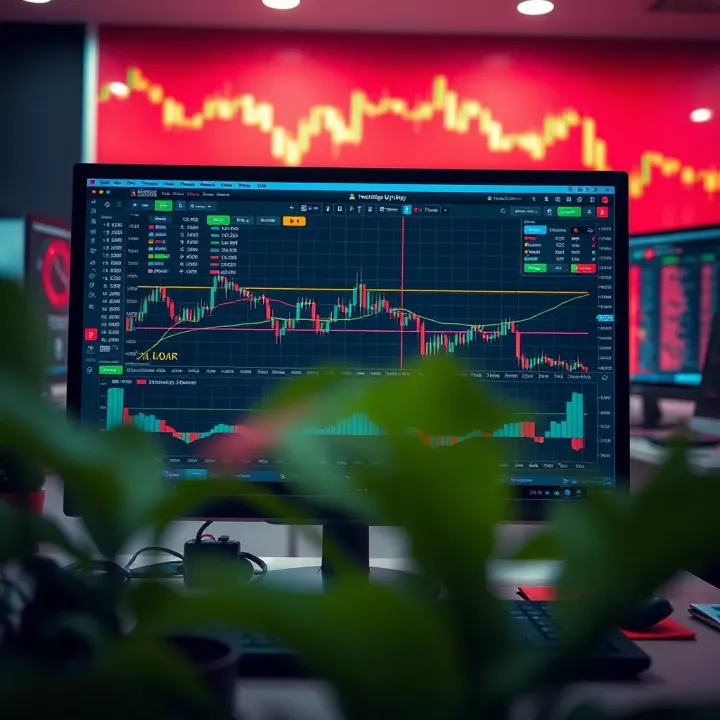
📈 Explore TradingView’s tools and features tailored for Pakistani traders to analyze markets and make smarter investment choices confidently.
Based on 7 reviews