

Understanding Gold Price Movements in USD
Explore XAUUSD price patterns 📉, key market drivers, and smart strategies for trading gold priced in USD. Stay ahead with insights tailored for savvy investors in Pakistan! 💰
Edited By
Thomas Whittaker
Gold has always held a special place in the world of finance and investment. For traders and investors in Pakistan, understanding how gold prices convert into US dollars (USD) is more than just a curiosity—it's a necessity. The price of gold is often quoted using the code XAU, which represents one troy ounce of gold. This simple code unlocks a complex dance of supply, demand, geopolitical tensions, and currency fluctuations.
In this article, we’ll break down what the XAU to USD exchange really means, how gold prices are determined, and why they matter so much to those investing or trading gold in Pakistan. Whether you’re a finance analyst trying to forecast market moves or a trader aiming to hedge risks, grasping the relationship between XAU and USD is key.
As you read on, expect practical insights, clear explanations, and examples tailored to the realities of the Pakistani market. We'll explore not only the basics but also the factors that can cause gold prices to swing, methods to convert gold prices into USD correctly, and the risks and rewards that come with trading gold.
Understanding gold pricing is not just about numbers—it's about reading the global economic pulse and making informed decisions based on that.
This guide aims to equip you with actionable knowledge so you’re not left guessing in a volatile market. Let’s get started with the fundamentals of how gold and currency values intersect, and why this matters specifically in Pakistan’s financial landscape.
Understanding the basics of XAU and USD is vital for anyone involved in gold trading or investing, especially when dealing with currency conversions. XAU is the symbol for a specific measurement of gold, while USD refers to the US dollar, a global benchmark currency. Knowing what each represents helps clarify how gold prices are quoted and converted, particularly for traders in Pakistan or anywhere where local currency fluctuations impact investment decisions.
Having a clear grasp on these basics can save you from mix-ups when evaluating gold prices or timing your trades. For example, if a Pakistani investor wants to buy gold by converting rupees into US dollars, they must understand how XAU corresponds to gold weight and how the USD acts as a pricing standard worldwide.
XAU is the ISO 4217 currency code used in finance to represent one troy ounce of gold. Unlike common weight units like kilograms or grams, the troy ounce weighs approximately 31.1035 grams — a standard in precious metals trading. When you see prices quoted as "XAU/USD 1900," it means one troy ounce of gold is valued at 1900 US dollars.
This system helps keep gold pricing uniform and clear across global markets. Without it, you’d struggle to compare prices quoted in grams, kilos, or other units across different countries. For practical purposes, if you own jewellery weighing 10 grams, converting its value to USD accurately means first translating grams to troy ounces (10 g ≈ 0.3215 troy oz) and then multiplying by the current XAU/USD price.
While XAU denotes the troy ounce unit for gold, various other units like grams, kilograms, or even pennyweights exist. These differ mostly in scale and usage context. For instance, jewellers in Pakistan often use grams or tolas (1 tola = 11.6638 grams) to weigh gold, which can confuse newcomers when prices are quoted per XAU.
Understanding the difference matters because troy ounces are used on global exchanges like the London Bullion Market and COMEX, whereas local markets use grams or tolas. For example, if gold is priced at $1900 USD per XAU, and a jeweller quotes 10 grams, the conversion involves technical steps that avoid errors in pricing and investment value assessment.
The US dollar plays a dominant role in global finance as the world’s primary reserve currency. Its stability, liquidity, and acceptance make it the go-to currency for international trade, including commodity markets like gold.
For traders and investors, this means most global assets get priced relative to the USD, which affects everything from cross-border deals to forex rates. A Pakistani investor watching the USD to PKR exchange will find that fluctuations directly impact how much local currency is needed to buy a set amount of gold denominated in USD.
Gold is almost exclusively priced in US dollars to ensure consistency and to accommodate the vast international market. This pricing convention dates back to the Bretton Woods era and has persisted due to the USD’s wide acceptance and relative stability compared to other currencies.
This uniformity benefits buyers by offering a single reference price worldwide. For example, if gold is $1900 per troy ounce in New York, it will be roughly the same price in Dubai, London, or Karachi when converted. However, local currency strength or weakness can cause variations in the final price paid by investors tracking the USD to their own currency.
Knowing the interplay between XAU and USD is more than just bookkeeping—it’s about understanding the backbone of gold trading worldwide. For Pakistani investors and traders, this knowledge helps navigate market fluctuations with confidence and clarity.
In short, the basics of XAU as a gold measurement unit and the USD as the pricing currency create a common language that facilitates gold buying, selling, and investing across borders.
Understanding how gold prices are set is fundamental for anyone dealing with the XAU to USD exchange rate. The price of gold doesn't just pop up out of nowhere — it's shaped by various factors that reflect real-world market activity. For traders and investors, knowing these drivers helps predict price movements, manage risks, and time their trades better.
Gold trading happens on several big platforms around the world, where daily prices are hammered out by buyers and sellers. The London Bullion Market Association (LBMA) plays a huge role in setting a benchmark spot price through its twice-daily auctions. Meanwhile, futures contracts traded on the COMEX (Commodity Exchange Inc.) in New York allow investors to buy or sell gold at predetermined prices, affecting how gold reacts to economic news and shifts.
These exchanges offer transparency, liquidity, and real-time price discovery. For instance, if tensions rise in the Middle East, traders might rush to buy gold futures on COMEX, pushing prices up quickly. Knowing which exchange affects gold prices helps investors understand why prices shift and where to check for the latest values.
Besides the big players, electronic platforms like MT4 and Bloomberg Terminal provide continuous price feeds crucial for round-the-clock trading, especially important for Pakistan’s investors trading overseas.
Keeping an eye on these exchanges is crucial for spotting trends and timing your trades efficiently.
The role of supply and demand is straightforward but powerful. Gold supply comes from mining and recycling, while demand spans across jewelry, technology, investment, and central bank reserves. If a major gold mine announces reduced output, supply tightens, naturally pushing prices higher. On the flip side, if several countries release gold from their reserves, the extra supply can weigh down prices.
Demand can be seasonal too — for example, during India's wedding season, more gold is purchased for jewelry, sometimes nudging global prices up slightly. Investors should watch announcements about mining production and shifts in consumer behavior to anticipate price changes.
Inflation and interest rates profoundly affect gold prices. When inflation spikes, the real returns on bonds and savings dwindle, making gold a more attractive store of value. For example, if the US Federal Reserve signals higher interest rates to combat inflation, it can lead to a stronger USD, making gold more expensive in other currencies and sometimes dampening demand.
Conversely, when interest rates fall, gold often gets a boost because holding non-yielding assets becomes less costly, encouraging investors to buy gold as a hedge. Pakistan's investors should keep an eye on both US and local economic policies, as dollar strength and Pakistani rupee fluctuations can highly influence gold pricing.
Currency fluctuations also play a sizeable role. Gold is priced in USD worldwide, so when the dollar strengthens against other currencies, it tends to make gold pricier for buyers holding those currencies, suppressing demand. When the USD weakens, gold becomes cheaper abroad, often pushing prices up due to increased demand.
For example, a depreciation in the Pakistani rupee against the USD means investors in Pakistan pay more rupees to buy the same ounce of gold, impacting affordability and buying patterns locally.
In summary, understanding these economic factors helps investors make sharper decisions about when to buy or sell gold and expect price shifts in the XAU to USD exchange process.
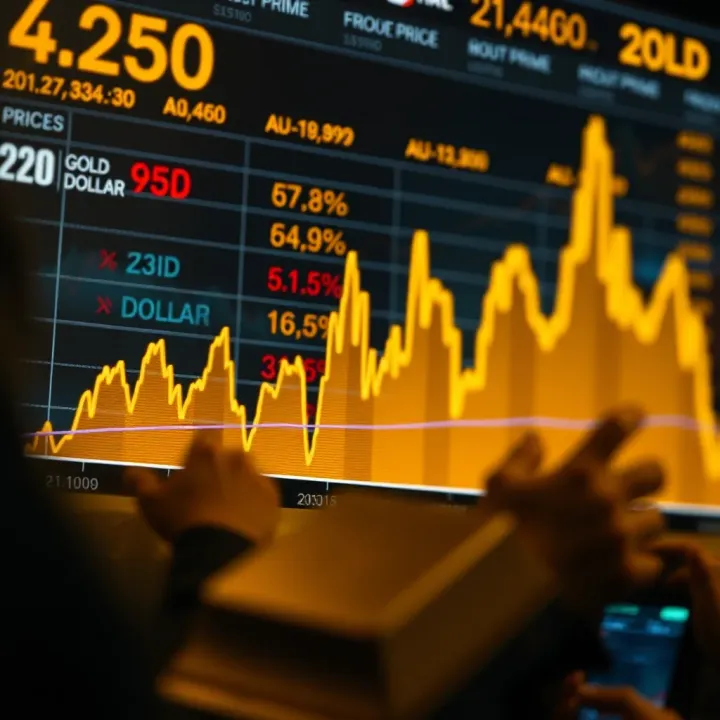
Understanding what moves the XAU to USD rate is essential for anyone dealing with gold trading or investment. This exchange rate doesn't just reflect the price of gold; it captures the push and pull of big global forces. Knowing the factors behind its ups and downs lets investors make smarter choices, hedging risks or spotting chances before others do.
When tension pops up between countries—think trade wars, conflicts, or diplomatic spats—gold often becomes the go-to safe haven. For example, when the US-China trade spat heated up in 2019, the gold price shot up as investors scrambled to shelter their money. These tensions can make currencies less predictable, pushing people toward gold, which in turn drives the XAU to USD rate higher.
Keep an eye on news from hotspots like the South China Sea or Middle East, because unrest there can suddenly nudge gold prices.
Economic meltdowns, like the 2008 financial crash or the more recent COVID-19 pandemic shock, tend to shake markets hard. During these periods, investors often flee to gold, trusting it more than volatile stocks or unstable currencies. For instance, during the 2008 crisis, gold prices nearly doubled within a few years. This flood into gold raises demand, pushing up XAU prices relative to USD.
Changes in how investors feel about gold hugely sway its price against the USD. When markets get jittery or inflation fears rise, gold usually shines brightest. Trend shifts, like the rise of ETFs (Exchange-Traded Funds), have made it easier to invest in gold without actually owning the metal. For example, the SPDR Gold Shares ETF saw a massive inflow during uncertain times, reflecting how popular gold had become. Recognizing these trends helps traders anticipate moves in gold’s value.
Central banks hold large gold reserves and their buying or selling activity plays a silent but powerful role. When a central bank, say, the People's Bank of China or the Russian Central Bank, decides to buy gold, it signals confidence in gold over paper currency, boosting its price. Conversely, if a central bank sells off gold reserves, it can push prices down. These moves aren’t random; they often reflect shifts in economic policies or attempts to balance currency reserves.
For instance, Russia ramped up gold purchases significantly after 2018 as a safeguard against economic sanctions, impacting the global XAU to USD dynamic.
By staying aware of these factors—big political events, economic crises, and shifts in gold demand from investors and central banks—you’re better equipped to understand and anticipate fluctuations in the XAU to USD rate. This knowledge is especially valuable for investors and traders who want to navigate gold pricing with more confidence and precision.
Understanding how to convert XAU (gold) to USD is essential for anyone involved in gold trading or investment. Whether you are a trader watching market moves or an investor calculating your portfolio’s value, accurate conversion methods help you make informed decisions. This section outlines practical ways to convert gold prices measured in troy ounces (XAU) to equivalent amounts in US dollars (USD).
Online gold price calculators provide quick and convenient tools to convert XAU to USD without fussing over manual math. These calculators pull current gold prices automatically, eliminating manual updates.
Look for trustworthy platforms like Kitco, GoldPrice.org, or Bloomberg’s commodities page. These sites update gold prices in real time using data from major exchanges such as COMEX and the London Bullion Market Association. Using a reputable site ensures you get accurate numbers reflecting the latest market conditions. Mobile apps from these providers also offer alerts when prices hit certain thresholds, helping you stay in the loop.
When using these calculators, the key is accurate data entry. Most calculators require:
The amount of gold (usually in ounces)
Sometimes weight units (if different from ounces)
Current currency (select USD)
If you have gold measured in grams or kilograms, convert it to troy ounces first — 1 troy ounce is about 31.1035 grams. Inputting correct weight ensures the calculator provides a correct USD value. Avoid rounding the weight too much to prevent errors.
For traders who prefer hands-on control or want to double-check online results, manual calculation based on market rates is useful. It offers transparency and helps grasp how gold pricing works.
Begin by identifying the current gold price quoted per troy ounce in USD. Check reliable financial news sources like Reuters, Bloomberg, or CNBC Commodities section for the latest price — for example, $1,950 USD per ounce. Prices update frequently throughout trading hours.
With the current price in hand, convert XAU to USD using a simple formula:
plaintext USD = XAU amount * Current gold price per ounce (USD)
For example, if you own 2.5 ounces of gold, and the market price is $1,950:

```plaintext
2.5 * 1,950 = $4,875
This calculation directly tells you the value of your gold holding in dollars. If your gold is in grams, first convert to ounces (grams / 31.1035) before applying the formula.
Using either online calculators or manual formulas gives you clarity on your gold’s worth. While tech tools add speed and convenience, manual calculations build a solid understanding of market pricing dynamics.
Both methods are valid and often used together to ensure your trade or investment stands on firm ground. Familiarity with these techniques keeps you sharp and ready, especially in Pakistan’s evolving gold market where prices and currency fluctuations demand agility.
Trading gold in Pakistan is a unique challenge and opportunity that blends global market trends with local specifics. For Pakistani investors, understanding how international gold prices (in XAU) convert to USD and then to the Pakistani rupee is just one piece of the puzzle. Local factors heavily influence profitability and risk, requiring a sharp eye on regional market behaviors and regulatory frameworks.
Gold demand in Pakistan is traditionally high, especially during wedding seasons and religious festivals like Eid, when buying gold jewelry is culturally significant. This seasonal surge often pushes local prices slightly above international rates, creating short-term trading opportunities. Unlike markets in the West, Pakistani consumers tend to favor physical gold, like coins and jewelry, over digital gold investments or ETFs. This influences market liquidity and pricing.
For example, during Ramadan, jewelers often report a 20-30% increase in gold sales, impacting local demand and consequently the conversion rates that investors face.
Effect of local currency fluctuations plays a crucial role in gold investment. The Pakistani rupee can be volatile due to political instability, trade imbalances, or shifts in foreign reserves. Since gold is priced in USD, a weak rupee tends to raise the local cost of gold, even if international gold prices stay flat. Investors must therefore monitor the USD/PKR exchange rate closely; a falling rupee can erode expected returns if not timed correctly.
Import duties and taxes significantly affect the final cost of gold in Pakistan. The government imposes import duties on gold and occasionally cash customs duties that can push prices up, sometimes by several percentage points. For traders, this means factoring in these costs before making purchase decisions or negotiating prices with suppliers. Being unaware can wipe out potential profits.
Trading regulations and compliance in Pakistan require investors and traders to keep thorough records and report gold transactions as per State Bank guidelines to avoid legal troubles. Anti-money laundering laws have tightened in recent years, so anonymous large trades carry risks. Licensed bullion dealers must comply with taxation and reporting rules, and individuals dealing in gold should stay updated on any regulatory changes to avoid penalties.
Staying within legal frameworks while optimizing for tax and duties offers a safer path to sustained profits in gold trading for Pakistani investors.
Understanding these local trading nuances alongside global XAU to USD rates equips Pakistani investors to navigate the gold market with fewer surprises and smarter decisions.
Trading gold against the US dollar presents an interesting mix of risks and rewards. For investors and traders, especially those in Pakistan, understanding these aspects helps avoid surprises and make smarter moves. Since gold’s value can be quite sensitive to different triggers, being aware of what can go wrong—or right—is key to managing your investments well.
Gold prices don’t stay put for long; they tend to jump around because of various factors. Political tensions, for example, can send investors rushing to gold as a safe haven, pushing prices up suddenly. Inflation rates and the strength of the US dollar also play a big part—when the dollar weakens, gold often becomes more expensive in USD terms. Even unexpected events, like bank crises or sudden changes in interest rates, can trigger sharp price moves.
For instance, during geopolitical flare-ups in the Middle East, gold prices have seen rapid upticks as people look for a protective asset. Similarly, if the Federal Reserve hints at raising interest rates, it might cause gold to dip because higher rates make other investments more appealing.
Keeping risk in check while trading gold is no walk in the park, but there are ways to do it. One common approach is using stop-loss orders to automatically sell before losses pile up too much. Diversifying your investment portfolio is another smart move—don't put all your eggs in that single XAU-to-USD basket.
Regularly monitoring economic news and adjusting your positions based on fresh information also helps. For Pakistani investors, paying attention to the local currency’s shift against the USD is important, since it affects the effective cost and return from gold trades. Tools like hedging through futures or options contracts can be complex but provide ways to limit downside risks during turbulent times.
One of the biggest opportunities when trading XAU to USD lies in buying low and selling high—simple in theory but tricky in practice. Watching market trends and economic indicators carefully can provide clues about when gold might peak or trough.
For example, if inflation data comes in higher than expected, that might be a good signal to buy gold before prices rise. On the flip side, if the US dollar shows signs of strengthening sharply, it might be time to lock in gains and sell. Traders in Pakistan should also consider local events like currency fluctuations or government policy changes that might affect demand and supply.
Gold often acts as a shield against inflation, which eats away purchasing power. When prices climb generally, gold’s value tends to hold steady or even increase, helping investors preserve wealth. For Pakistani traders, this is especially valuable during periods of high inflation or currency instability.
By allocating part of their portfolio to gold, investors can avoid getting burned when rupee buying power drops. It’s not a foolproof strategy but combining gold investments with other assets can help smooth out losses in one area by gains in another. Remember, this benefit might come with some short-term volatility, so patience is key.
Understanding both the risks and chances in XAU to USD trading lets investors control their move rather than just roll the dice. Keeping a clear head and solid strategy can make the difference between losing out or catching a profitable wave.
Keeping an eye on market trends is a must if you're dealing in XAU to USD exchange or gold trading in general. The gold market doesn't operate in a vacuum—it reacts sharply to shifts in the economy, politics, and even everyday news. Staying updated helps traders and investors anticipate price movements and avoid nasty surprises. For example, if inflation spikes unexpectedly, gold prices may jump because investors flock to it as a safe haven. Without properly monitoring these trends, you're basically flying blind.
Financial websites like Bloomberg, CNBC, and Reuters are go-to sources for real-time info on gold prices and overall market sentiment. These platforms provide quick snapshots of gold's current value in USD alongside relevant news like central bank policies or geopolitical tensions that can influence prices. For traders in Pakistan, tuning into these updates daily can make the difference between a smart trade and a missed opportunity. Plus, most of these sites offer alerts and newsletters for easy monitoring.
For those needing more detailed numbers and historical charts, platforms such as TradingView, Kitco, and Investing.com deliver comprehensive data sets. These sites typically break down gold prices by the hour or even minute, letting users dive deep into patterns. You can track volume, see price highs and lows, and watch currency fluctuations in real time. This info is crucial when trying to time the market, especially if you want to understand how gold is behaving against the USD on any given day.
Charting tools help visualize how gold prices change over time, revealing trends, support and resistance levels, and potential breakout points. Platforms like MetaTrader or TradingView offer custom indicators and drawing tools to spot these key price behaviors. For example, using moving averages can show whether gold prices are in an upward trend or slipping, which can guide buying or selling decisions. This isn't just guesswork; charts provide a clearer picture if you know what to look for.
Fundamental analysis means looking beyond charts to understand what’s driving the market. Keep an eye on inflation data, USD strength indexes, interest rate announcements by the Federal Reserve, and geopolitical news. If Pakistan’s rupees weaken significantly, for instance, local gold demand might shoot up, indirectly affecting USD gold prices. Evaluating these indicators alongside price movements helps predict future fluctuations more accurately and offers a fuller story behind the raw numbers.
Successful gold trading is about mixing both technical tools and fundamental insights. Neither works perfectly alone, but combined, they give a more reliable outlook on when to make your move.
By regularly checking trusted financial news, utilizing data-heavy platforms, and combining technical charts with fundamental indicators, investors and traders can get a solid grip on market trends. This practice minimizes guesswork and sharpens decision-making when converting XAU to USD or playing gold’s markets.
Explore XAUUSD price patterns 📉, key market drivers, and smart strategies for trading gold priced in USD. Stay ahead with insights tailored for savvy investors in Pakistan! 💰

Explore XAU/USD trends 📈 and key factors like economy, geopolitics, & market vibes shaping gold prices against USD for Pakistani traders. 🪙💹
📈 Explore the latest XAU/USD trends and learn how economic shifts, geopolitics, and market moves impact gold prices for Pakistan traders and investors.
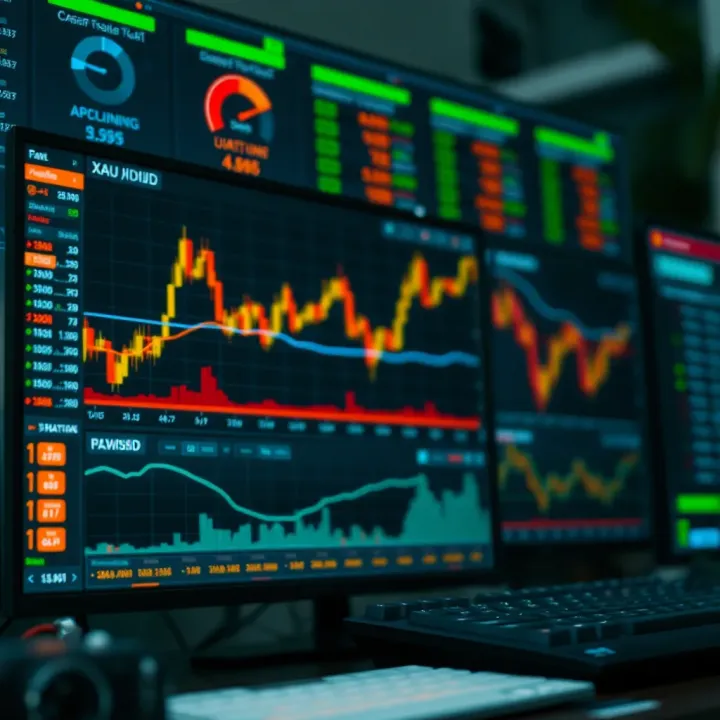
🔍 Get real-time XAU/USD rates in Pakistan! Learn how gold prices link with the US dollar and use top tools to make smarter trading moves.
Based on 12 reviews