
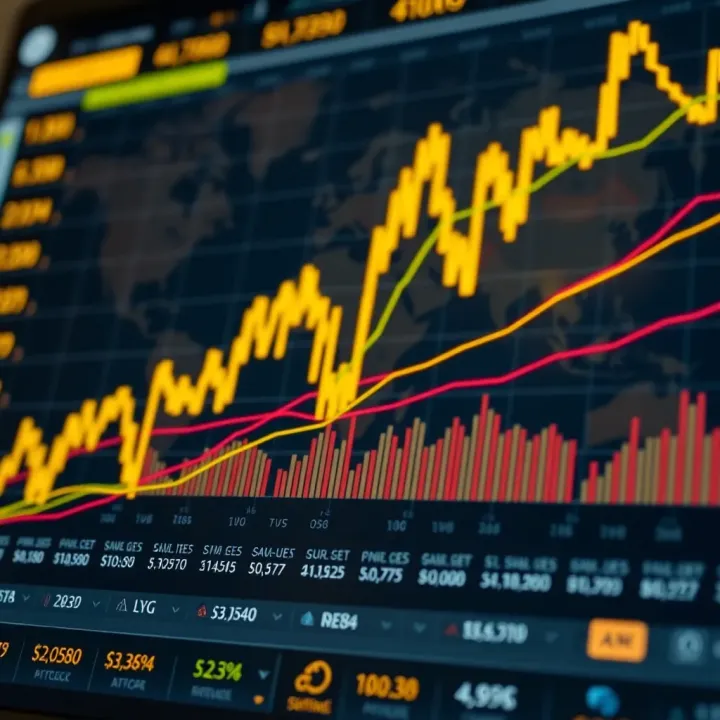
Gold Price Prediction and Key Influencing Factors
📈 Understand gold price trends with insights on economic signals, geopolitical risks, demand-supply patterns, and Pakistan-specific factors for smarter investment decisions.
Edited By
Amelia Ross
Gold prices tend to move based on a mix of global and local market forces, which makes today's forecast a complex but critical topic for investors in Pakistan. Understanding these trends allows traders, brokers, and financial analysts to make smarter decisions in a market that can be volatile yet rewarding.
Globally, the price of gold is driven largely by factors such as US dollar strength, interest rates set by major central banks like the US Federal Reserve, and geopolitical tensions. For example, when the US dollar weakens, gold usually becomes cheaper for investors holding other currencies, leading to increased demand and higher prices. Similarly, when interest rates are low, the opportunity cost of holding non-yielding gold decreases, pushing prices up.
Locally, Pakistan’s economic conditions influence gold prices through currency fluctuations and inflation rates. The Pakistani rupee’s movement against the dollar often affects import costs for gold, which traders and consumers must track closely. Inflationary pressures in the country tend to make gold more attractive as a hedge against decreased purchasing power.
For Pakistan investors, the interplay between local rupee dynamics and global economic signals is vital for anticipating price movements and timing their trades.
Currency Fluctuation: Recent rupee depreciation against the dollar adds upward pressure on gold prices in PKR terms.
Inflation Rates: Rising inflation in Pakistan increases demand for gold as a store of value among retail buyers.
Global Interest Rate Decisions: Federal Reserve rate adjustments influence global gold demand directly.
Geopolitical Factors: Regional tensions or global conflicts often boost safe-haven buying.
Investors should watch these indicators routinely and consider their timing carefully. For instance, buying gold ahead of known central bank announcements can be risky but could also offer opportunity if you read the signals right.
Using local gold market data, such as real-time prices from Karachi and Lahore markets, helps in making practical decisions rather than relying solely on international trends. This blended approach allows traders to factor in customs duties, making charges, and other local costs that directly impact the final gold price.
In summary, today's gold price forecast mixes global financial developments with Pakistan’s specific economic situation. Traders who keep an eye on currency trends, inflation figures, and central bank policies will be better positioned to act confidently in a shifting market environment.
Tracking current gold price trends and forecasts gives traders and investors an edge. Understanding what's happening today in gold markets helps anticipate short-term shifts and plan trades or investments accordingly. For example, a sudden spike in Lahore's gold rate may indicate inflows due to local demand or rupee depreciation, signalling a good opportunity for sellers.
Live gold price updates in major Pakistani cities reflect real-time buying and selling activity influenced by local demand, import parity, and exchange rate changes. Cities like Karachi, Lahore, and Islamabad often have slightly different rates due to logistics and market liquidity. For instance, Karachi prices might trade Rs 50-100 higher per 10 grams during peak wedding seasons.
These live updates are crucial for people planning purchases or sales today; knowing if rates are stable or moving helps avoid losses from delayed decisions. Jewellery shops, online gold dealers, and local markets usually provide live rate feeds that investors can watch to time their transactions.
Comparison with regional and global gold prices provides context on how local rates align with broader market dynamics. Since Pakistan imports most of its gold, international prices driven by the US dollar index, London Bullion Market rates, and global demand often set a baseline for local price movements. Watching gold prices in Dubai, India, and global benchmarks helps one understand if local factors like customs duties or rupee swings are causing premium or discount compared to international trends.
This comparison is practical since it confirms whether bullish moves are global or locally driven, guiding investors on potential risks and price peaks.
Recent price fluctuations and volatility are common due to currency swings, oil price changes, and geopolitical events. For example, if the Pakistani rupee weakens against the US dollar by a couple of paisa within a day, gold prices can rise by Rs 100-200 per 10 grams almost immediately.
These fluctuations mean traders must stay alert to avoid buying at the wrong time. Volatility can offer profitable short-term trading if one monitors market sentiment and economic news such as SBP monetary policy announcements that affect exchange rates and inflation.
Demand and supply factors observed today include jewellery buying, bullion imports, and central bank gold reserves. Festivals, weddings, or even foreign buyers increasing demand in Pakistan's gold markets often push prices higher in the short term.
On the supply side, delays in customs clearance or changes in import duties can restrict availability, causing price jumps. For example, if import restrictions tighten suddenly, local dealers may increase prices anticipating shortages. Investors watching these supply-demand indicators can adjust their strategies—whether to hold or sell—in the short run.

Staying updated with current gold price trends and understanding daily movements is key for anyone dealing with gold in Pakistan. This awareness reduces risk and provides better timing for buying or selling.
Monitor live prices in major cities
Compare local rates with global benchmarks
Watch currency movements and government policies
Keep track of demand cycles like festivals and weddings
These practical approaches support informed decision-making in the volatile gold market.
Gold prices in Pakistan don't move at random. Several local factors weigh heavily on daily rates, shaping conditions for investors and traders. Understanding these elements helps you make smarter decisions whether buying or selling gold. From the rupee’s health to government import policies and consumer habits, each plays a role in today’s market.
When the Pakistani rupee weakens against the US dollar, gold prices tend to rise within the local market. Since gold is priced internationally in dollars, a depreciating rupee means it costs more rupees to buy the same quantity of gold. For example, a fall from Rs 280 to Rs 290 per dollar can push gold prices up by several rupees per gram, directly impacting buying power.
Foreign exchange reserves and policies set by the State Bank of Pakistan (SBP) also influence gold prices. If reserves are robust, the central bank can intervene to stabilise the rupee, possibly curbing gold price spikes. Conversely, low reserves limit SBP’s ability to support the currency, leading to higher gold prices as investors seek safe assets amid currency turmoil.
Customs duties on gold imports affect costs for local jewellers and dealers. Higher import tariffs increase the landed price of gold, often passed on to consumers. For instance, if duties rise by 2-3%, the final retail price per tola (an old but still-common weight unit) reflects that hike, making gold acquisition more expensive.
Recent government policy changes also shape the gold market. Steps like adjusting import quotas or modifying tax rates can tighten supply or alter demand. In some years, the government has raised import duties temporarily to conserve foreign currency, which immediately impacts domestic gold prices and market availability, influencing traders’ and investors’ strategies.
Festivals like Eid and wedding seasons are peak times for gold buying in Pakistan. During these periods, demand surges sharply as people purchase gold for gifts and jewellery, driving prices up. Traders expect this seasonal pattern, which creates predictable price movements each year.
Economic uncertainty also encourages gold investment. When inflation rises or stock market volatility spikes, investors turn to gold as a safe haven. This shifts more funds into physical gold or gold-backed instruments, pushing up prices. During tough economic times, even small buyers consider gold a means to protect wealth.
Understanding these local influences gives you a practical edge in timing your gold investments and managing risks effectively in Pakistan’s unique market environment.
Global events and economic shifts play a significant role in shaping today's gold price outlook. For Pakistani investors and traders, understanding these factors is crucial because gold behaves as a globally traded commodity. Movements in international markets often ripple into Pakistan’s local gold rates due to its dependence on imports and currency fluctuations tied to the US dollar.
Gold prices generally move inversely to the US dollar's strength. When the dollar gains value against other currencies, gold tends to become more expensive in non-dollar terms, lowering demand and hence prices. For Pakistan, where gold imports are priced in US dollars, a stronger dollar means higher costs for local buyers. This leads to elevated gold prices in rupee terms, especially when the rupee weakens alongside the dollar. A recent example is when the dollar surged due to Federal Reserve interest rate hikes, pushing gold prices in Pakistan higher despite global gold prices being steady.
Rising global inflation often prompts investors to seek inflation hedges like gold, causing its price to climb. Conversely, higher interest rates usually make interest-bearing assets more attractive, reducing gold demand, since gold offers no yield. For instance, when global inflation rose sharply last year, gold prices jumped, but when central banks pushed up interest rates to tackle inflation, gold faced downward pressure. Pakistani investors monitoring these signals can better time their purchases or sales, understanding that global inflation and interest trends affect gold’s appeal.
Conflicts and tensions in key regions often spike gold demand as investors seek safety. For example, recent political unrest or military conflicts in the Middle East or Eastern Europe have caused global gold prices to rise temporarily. For Pakistan’s market, these spikes can translate into short-term price hikes and increased buying interest, particularly among investors looking for a shelter from market volatility or currency risk.
Gold remains one of the oldest safe-haven assets recognised worldwide. During uncertain times such as economic downturns, pandemics, or trade wars, investors flock to gold to protect wealth. This effect impacts Pakistan's gold market deeply, especially when local economic conditions are unstable alongside global turmoil. For instance, during the Covid-19 pandemic, gold prices surged globally as investors sought security, and Pakistan saw similar trends with increased domestic demand despite currency depreciation.
Understanding these global factors empowers traders and investors in Pakistan to anticipate price swings and make informed decisions rather than reacting impulsively to market noise. Keeping an eye on international indicators and geopolitical events helps align investment strategies with a clearer view of gold’s direction.
Navigating the gold market in Pakistan requires not just knowledge of price trends but also practical strategies tailored to local conditions. This section focuses on actionable advice for when and how to buy or sell gold, helping investors and buyers make informed decisions in line with current market behaviour.
Gold prices tend to fluctuate based on several factors, including rupee strength, global economic indicators, and local demand spikes. In Pakistan, the best time to buy gold is usually when the rupee shows signs of strengthening or stabilising, as this tends to make gold comparatively cheaper. For example, after the SBP announces positive policy rate changes, the rupee often gains some ground, which can soften gold prices. Conversely, buying during high festival seasons such as Eid or wedding months often means paying a premium due to increased demand.
Investors looking to enter the market should watch key economic announcements and global cues closely. Physical inspections of price charts showing short-term dips can be a good entry point. For those planning long-term holds, averaging the cost by buying small quantities over weeks can reduce the impact of sudden price swings.
Physical gold remains the popular choice for Pakistani buyers due to its tangible value and cultural significance. Bullion bars and coins offer consistent purity and lower making charges compared to jewellery. However, jewellery is preferred by many for its dual purpose as ornamentation and asset. Just keep in mind that making charges can add up to 10-15% extra on the purchase price.
For investors wanting exposure without physical storage risks, financial products linked to gold, such as gold exchange-traded funds (ETFs) or gold savings accounts offered by some Pakistani banks, provide alternatives that track gold prices closely with greater liquidity. These are particularly useful during times of high loadshedding or security concerns.
When selling gold, timing remains critical. Try to avoid periods right after local festivals when demand drops, as dealers reduce buying rates. Also, selling gold in trusted urban centres like Karachi or Lahore often fetches better rates due to more competitive market conditions compared to smaller towns.
Before selling, compare quotes from multiple jewellers or bullion dealers. In Pakistan, many buyers check the current gold price per tola or gram on reliable sources like FMP or local commodity exchanges. Consider testing the purity at recognised centres to make negotiations smoother and faster.
A major mistake is selling jewellery without checking current scrap gold prices, as making charges are excluded when selling. Also, rushing into sales without market research can lead to accepting rates significantly below spot prices.
Beware of dealers offering immediate cash but at cuts well below market rates. In volatile markets, patience can pay off. Avoid sellers who do not provide clear documentation or receipts, as these are important for security and tax purposes.
For investors in Pakistan, blending awareness of local market cycles with smart purchase and sale strategies can greatly improve returns and protect capital over time.
📈 Understand gold price trends with insights on economic signals, geopolitical risks, demand-supply patterns, and Pakistan-specific factors for smarter investment decisions.
📈 Stay ahead with today's gold price forecasts in Pakistan! Discover key economic updates, global influences, and local demand insights to guide your trades.
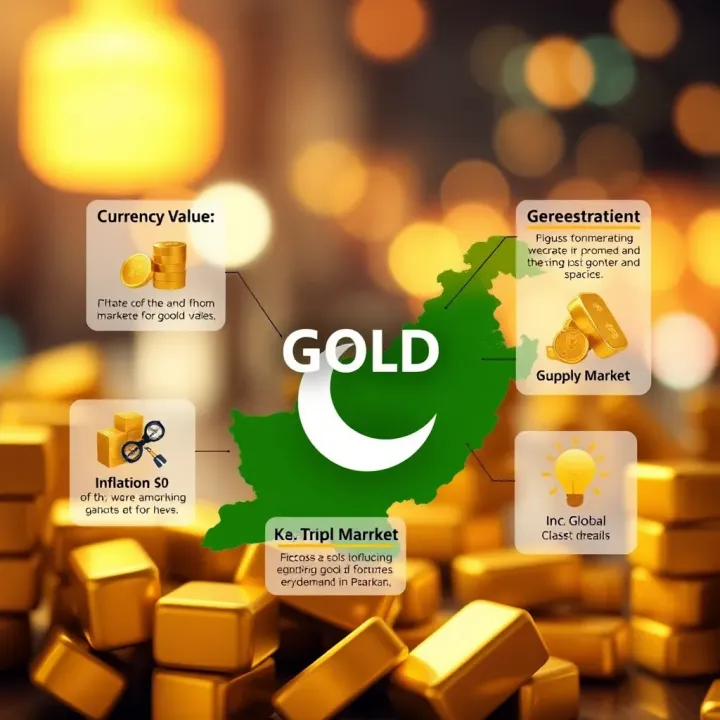
📈 Explore Pakistan's gold price trends and key drivers like rupee value, inflation, and global factors. Get insights and tips for smart gold investment today.
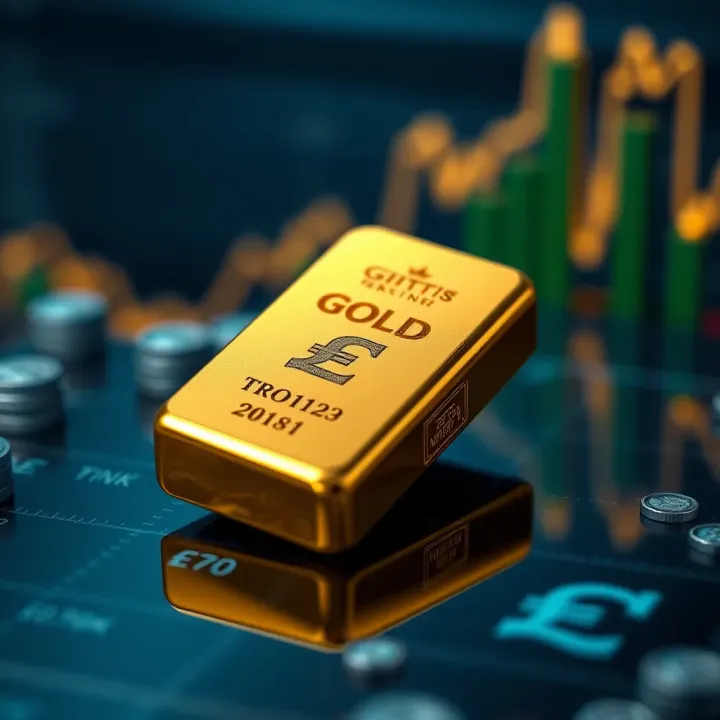
📈 Discover how economic trends, market demand, and geopolitical events shape gold prices in Pakistan. Get insights on what investors and consumers should expect soon.
Based on 11 reviews