
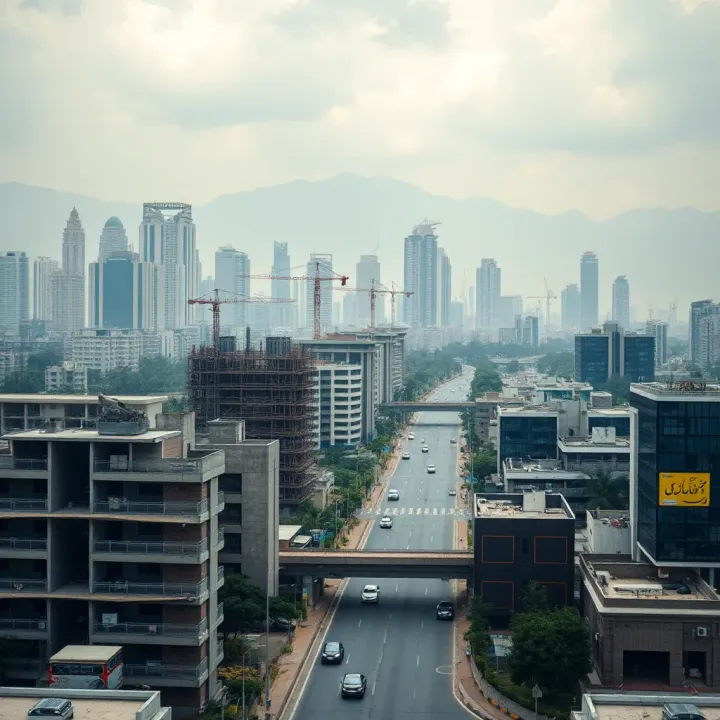
Factors Affecting Land Prices in Pakistan
Explore key factors influencing land prices in Pakistan 🇵🇰 from urban growth to government policies, infrastructure, and market demand shaping real estate values.
Edited By
Ethan Wright
Natural gas prices in Pakistan play a significant role in shaping the country’s energy landscape. As one of the major fuel sources for power generation, industrial use, and household consumption, fluctuations in these prices directly affect multiple sectors. Understanding the factors behind these price movements helps traders, investors, and analysts navigate the market better.
Prices usually respond to the balance between supply and demand. In Pakistan, domestic production covers a portion of consumption while imports and LNG (liquefied natural gas) fill the gap. Disruptions in supply, whether from local fields or imported shipments, quickly influence pricing patterns.
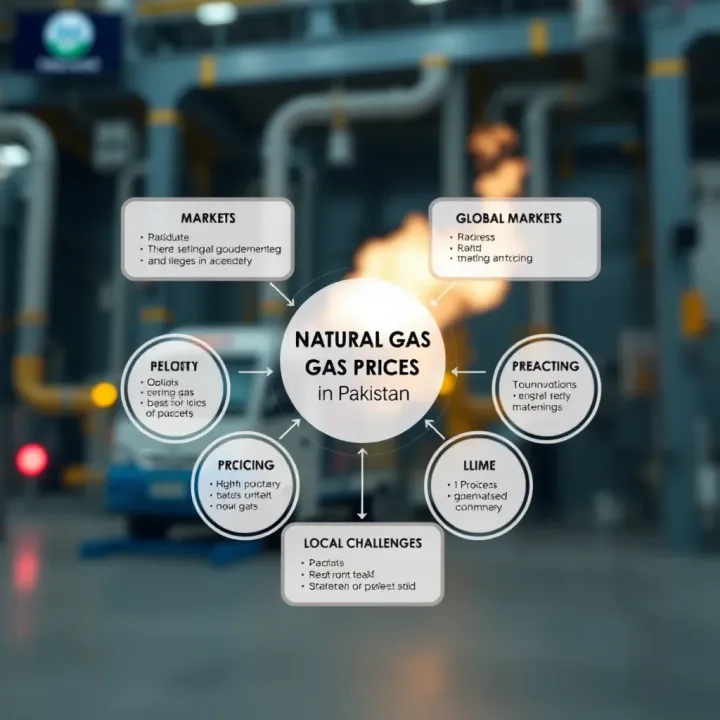
Global market trends also leave their mark. International prices of natural gas, especially from major exporters like Qatar and Russia, set a reference for Pakistan’s LNG contracts. Changes in global demand—often driven by economies like China or Europe—can ripple across to Pakistan through revised import costs.
Government policies hold considerable sway too. Regulations on tariffs, subsidies, and import duties impact final consumer prices. For instance, adjustments in gas tariffs by the Oil and Gas Regulatory Authority (OGRA) directly translate into billing changes for industries and households alike.
Awareness of these interconnected elements is vital for stakeholders to anticipate price shifts and make informed decisions.
Recent years have seen significant price adjustments driven by global energy market volatility and local fiscal management. These trends influence everything from power sector expenses to the cost of cooking gas, affecting businesses and daily life.
To grasp the full picture, one must consider:
Domestic production levels: Exploration success or decline in reserves affects local supply.
Import dependencies: LNG prices and availability have a direct impact.
International demand and geopolitical events: They shape global price benchmarks.
Policy decisions and subsidies: Domestic pricing policies affect affordability and market signals.
The following sections will break down these factors, their trends over time, and how they influence Pakistan’s economy and consumers.
Understanding the basics of natural gas pricing lays the foundation for analysing Pakistan's energy sector. Natural gas prices influence everything from household fuel bills to industrial production costs. For investors and traders, knowing how these prices form can sharpen decision-making and risk assessment.
Natural gas prices primarily depend on how much gas is available versus how much is needed. When demand rises—say, during winter for heating—prices tend to climb if supply stays the same. Conversely, when production increases or demand drops, prices often soften. For Pakistan, consumption spikes in colder months and summer electricity generation pushes demand, affecting domestic gas pricing.
The cost to extract and deliver gas significantly shapes its price. Pakistan has local production from fields like Kandhkot, but extraction costs can rise if fields are ageing or hard to reach. Transportation costs include pipeline maintenance and compression stations, which add to the end consumer price. For example, inefficiencies in transporting gas to southern Pakistan can increase overall costs for industries in Karachi.
In global markets, prices often reference specific hubs—regional centres where gas is bought and sold, such as the Henry Hub in the US. These hubs provide transparent pricing, affecting contract prices worldwide. Pakistan, however, lacks a fully developed gas trading hub, making domestic prices less sensitive to market signals and more influenced by government policies or imported LNG prices.
Natural gas is often sold through long-term contracts with fixed or formula-based prices, providing stability for both producers and buyers. However, spot markets allow for buying gas at current market prices, which fluctuate daily. Pakistan’s LNG imports typically follow contract-based pricing but spot purchases have increased recently to meet urgent demand, reflecting global price volatility.
Many contracts tie gas prices to formulas linked to other energy commodities like oil. This method smooths price swings by adjusting gas prices according to oil price movements. In Pakistan, LNG import contracts often depend on crude oil prices, making domestic gas prices sensitive to the international oil market.
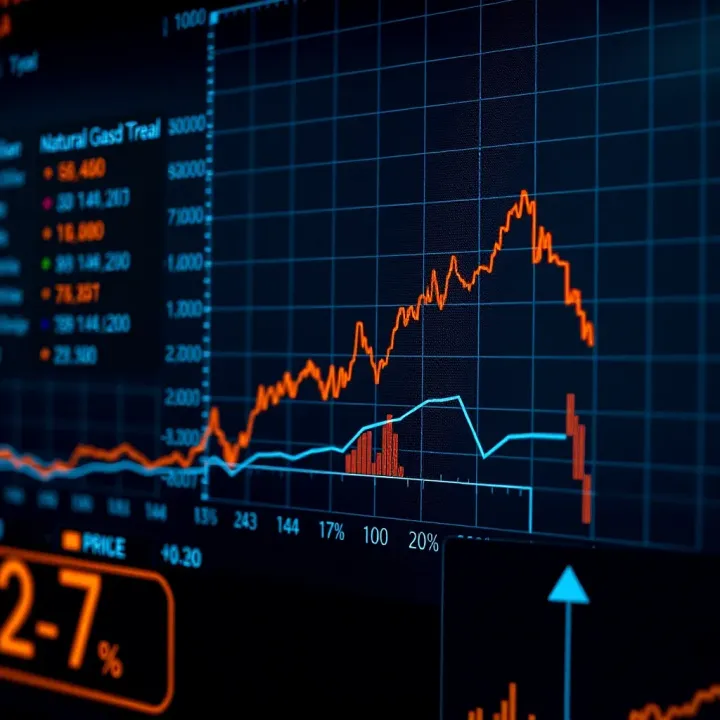
Some countries let market forces set natural gas prices, while others regulate to protect consumers. Pakistan’s natural gas pricing includes significant government controls and subsidies, mainly due to energy security concerns and affordability. This regulation can deter quick market responses to supply-demand changes, causing occasional mismatches between prices and actual market conditions.
A well-grasped pricing mechanism helps traders and investors understand market risks and opportunities, especially in Pakistan’s evolving natural gas sector.
By knowing these basics, stakeholders can navigate the complexities behind natural gas prices and their broader economic impact in Pakistan.
Understanding what drives natural gas prices in Pakistan requires looking closely at local supply-demand conditions and government policies. These factors can cause prices to fluctuate and directly impact industries, homeowners, and government budgets.
Local production capacity shapes Pakistan’s ability to meet its natural gas needs without relying heavily on imports. Pakistan’s gas fields, mainly in Sindh and Balochistan, provide the bulk of local production. However, reserves have been under pressure due to rising consumption and slow discovery of new fields. For instance, the Mari Gas Field remains a key supplier, but its output is gradually declining with time. This puts pressure on prices as the gap between domestic supply and demand widens.
Consumption patterns in households and industries also play a crucial role. Residential use, particularly for cooking and heating in winter months, uses a significant volume of gas. On the industrial side, sectors like fertilisers, cement, and power generation are major consumers. Changes in industrial activity or household consumption due to economic cycles, policies, or weather shifts directly influence demand and hence prices. For example, an increase in fertilizer production during planting seasons pushes gas consumption up, affecting price signals.
Seasonal demand variations add another layer of complexity. Demand typically surges in winter as people rely on natural gas heating, while summer months see relatively lower usage. This seasonal swing forces suppliers to manage supply carefully, sometimes resorting to imported Liquefied Natural Gas (LNG) to cover peak demand. Demand spikes can cause temporary price increases, reflecting the scarcity of supply during those periods. Such seasonal patterns necessitate robust planning to avoid sudden price shocks in the market.
Subsidies and pricing controls have long influenced Pakistan’s natural gas market. Historically, the government subsidised gas prices for households and key industries to keep costs affordable. However, these subsidies strain public finances and can distort market signals, discouraging efficient use. For example, subsidised rates for fertiliser producers have been a contentious issue, impacting both fiscal health and industry competitiveness.
Impact of energy sector reforms aims to create a more market-oriented pricing system. Reform efforts include reducing subsidies, improving bill collection, and encouraging private sector participation in gas exploration and distribution. These reforms seek to ensure pricing reflects true supply-demand balances over time, allowing for sustainable development and investment in the gas sector.
Role of the Oil and Gas Regulatory Authority (OGRA) is fundamental in overseeing the sector. OGRA sets tariffs, monitors compliance, and helps ensure transparency in pricing mechanisms. Its regulatory framework balances the interests of consumers and suppliers, while also encouraging competition where possible. For instance, OGRA’s recent approvals on LNG tariff adjustments reflect attempts to align prices more closely with international costs, affecting local market dynamics.
Domestic conditions and government actions together shape natural gas prices in Pakistan. Keeping a close watch on these factors helps stakeholders anticipate price movements and plan accordingly.
Understanding these factors helps traders, investors, and analysts navigate Pakistan's natural gas market effectively, providing insights into the practical challenges and opportunities ahead.
Pakistan’s natural gas prices cannot be understood fully without considering global influences. International market shifts, geopolitical events, and energy trends abroad all affect local costs and supply security. For traders and analysts, recognising these factors helps anticipate price movements and plan risk management effectively.
Global supply disruptions and geopolitical tensions often cause sharp fluctuations in gas prices worldwide. For example, conflicts in the Middle East or sanctions on major gas producers can limit supplies, pushing prices up. Pakistan, dependent on imports, especially liquefied natural gas (LNG), feels the impact directly as supply interruptions translate into tighter availability and higher costs. Recent tensions in the Gulf region illustrate how vulnerable Pakistan's energy imports are to geopolitical instability.
LNG import prices and Pakistan’s import dependence deserve close attention. Pakistan imports a significant portion of its natural gas needs via LNG from countries like Qatar and the United States. Prices for LNG on global spot markets fluctuate based on supply-demand dynamics, weather, and shipping costs. This means local prices can spike quickly when international rates rise. For example, during winter peak seasons, global LNG demand surges, driving up prices that directly affect Pakistan’s import bills and consumer tariffs.
Currency fluctuations affecting import costs add another layer of complexity. Since LNG imports require payment in US dollars, any depreciation of the Pakistani rupee against the dollar raises costs in local currency terms. This effect was evident during recent PKR weakening phases, which pushed up import bills, forcing the government to reconsider subsidies or price adjustments. Traders and policymakers must track forex trends closely to gauge the real cost impact on natural gas pricing.
Rise of renewable energy and its pressure on gas demand is gradually reshaping the energy market in Pakistan. As solar and wind projects increase, the overall demand for natural gas in power generation may slow down or even decline in some sectors. This development can alleviate some pricing pressure on natural gas by reducing consumption. However, it's a slow transition; natural gas remains a key fuel during periods of low renewable output or peak demand due to its reliability.
Shifts in oil prices and their correlation with natural gas continue to influence Pakistan’s energy pricing structure. Although natural gas prices don't always move in lockstep with crude oil, changes in oil prices often signal shifts in broader energy markets. Rising oil prices can increase the cost of alternatives to natural gas, indirectly supporting gas demand and prices. Conversely, if oil prices drop sharply, gas demand may suffer, impacting prices negatively. Understanding these correlations aids investors and traders in anticipating market reactions.
Keeping an eye on global trends is vital for anyone involved with Pakistan’s gas market since external shocks can quickly translate into local price volatility.
Geopolitical issues may cause sudden supply shortages.
LNG pricing depends on international demand and shipping costs.
Currency fluctuations impact import costs significantly.
Renewables slowly affect gas demand patterns.
Oil price movements often influence gas price trends.
Analysts and decision-makers who track these aspects can better navigate the changing landscape and improve forecasting accuracy.
Natural gas prices hold significant sway over both Pakistan’s economy and its consumers. Fluctuations impact daily living costs, industrial competitiveness, and the overall energy landscape. Understanding these effects is essential for traders, investors, and policy analysts who closely follow market dynamics.
Changes in natural gas prices directly affect household budgets, particularly since many Pakistani homes rely on gas for cooking and heating. When prices rise, families face higher expenses for liquefied petroleum gas (LPG) cylinders or piped gas, which can strain low- and middle-income households. For example, a 10 percent increase in gas prices can translate to noticeable monthly cost hikes, particularly during winter months when heating demand grows.
Additionally, escalating gas costs influence electricity generation, since a considerable share of Pakistan's power plants run on natural gas. When gas prices surge, power producers often pass costs onto consumers, leading to higher electricity bills. During fuel shortages, power plants may reduce output, worsening loadshedding issues across urban and rural areas. These interruptions disrupt daily life and economic activities, making it crucial to balance price levels with supply stability.
Natural gas is a key input for many industries in Pakistan, from textiles to chemicals. An increase in gas prices raises manufacturing costs, reducing profit margins and sometimes making local products less competitive internationally. For instance, textile mills in Faisalabad might face tighter budgets as fuel expenses climb, forcing some factories to delay expansion or cut back production.
The fertilizer sector, heavily dependent on natural gas as a feedstock, also feels the pinch when prices rise. Higher gas costs increase fertilizer prices, which can hurt farmers and push up food production costs. Similarly, power sector companies face added burdens; thermal plants relying on gas may find operations less profitable, potentially affecting power availability. These sectors are sensitive indicators of how natural gas prices ripple through Pakistan’s broader economy.
Natural gas price shifts don’t just affect bills; they influence Pakistan’s industrial strength and energy security.
Understanding these effects helps investors and policymakers anticipate challenges and opportunities, making natural gas pricing a critical focus for market observers.
Planning ahead for natural gas pricing is essential for Pakistan's energy security and economic stability. Understanding future demand and supply scenarios alongside policy directions helps stakeholders—from traders and investors to policymakers—navigate price fluctuations more confidently.
The domestic production of natural gas is expected to see modest growth over the next decade, driven mainly by enhanced recovery techniques and new exploration projects in provinces like Sindh and Balochistan. However, fields like Sui, which have traditionally been strong supply sources, are gradually declining. This slowing production growth means Pakistan will likely depend heavily on imports to cover its rising consumption needs.
LNG imports are poised to play a key role in meeting demand. Recent investments in LNG terminal infrastructure in Karachi and Port Qasim signal Pakistan's intent to expand its import capacity. These terminals provide flexibility and help bridge supply gaps caused by fluctuating local production. Still, Pakistan’s reliance on LNG makes the country vulnerable to global price swings and currency fluctuations, emphasising the need for careful planning on import contracts and hedging strategies.
Improving transparency and regulation in Pakistan’s natural gas market can attract more investment and build investor trust. Currently, opaque pricing, subsidised tariffs, and regulatory delays cause uncertainty. Strengthening the role of regulatory bodies like OGRA to publish timely data and enforce clear tariff structures will promote a more predictable market.
Encouraging energy efficiency and the use of alternative fuels is vital. For example, industries shifting partially to renewable energy or adopting energy-saving technologies reduce gas demand and ease pressure on prices. Government incentives for solar power installations and natural gas-based combined heat and power (CHP) systems can also help balance demand and supply.
Balancing consumer protection with fiscal sustainability remains a delicate task. Maintaining subsidies keeps gas affordable for households but strains public finances. A gradual restructuring of subsidies targeting only the most vulnerable, while allowing market prices to reflect actual costs, is a practical approach. This ensures that state resources are used efficiently, and price signals encourage savings and investments in cleaner energy.
Policymakers need to act decisively on these fronts. Without forward-looking policies, Pakistan could continue to face volatile gas prices, impacting both economic growth and social welfare.
In short, a mixture of improved domestic production, LNG infrastructure expansion, better regulation, and balanced pricing policies form the backbone of a resilient natural gas pricing framework suited for Pakistan's unique challenges.
Explore key factors influencing land prices in Pakistan 🇵🇰 from urban growth to government policies, infrastructure, and market demand shaping real estate values.

📉 Explore key factors driving the dollar rate in Pakistan including economic data, govt policies, and global events, plus effects on businesses and consumers.
Explore Tezos (XTZ) price trends 📈, key factors, expert insights, and risks for smart investing 💰 in Pakistan's crypto market.
Explore how inflation shapes Pakistan's economy 📉 and daily life, and learn about steps taken to stabilize growth and protect livelihoods 🇵🇰.
Based on 12 reviews