

Will the Dollar Rise Against the Pakistani Rupee?
Discover key factors behind the dollar's rise against Pakistan's rupee 📉 Explore economic and political impacts on daily life and business stability 🇵🇰💵
Edited By
Elizabeth Dawson
The Pakistani Rupee (PKR) has been under constant pressure due to a mix of domestic challenges and international shifts. Understanding its future requires looking closely at economic indicators like inflation, trade balance, foreign reserves, and government policies. These factors interact and influence PKR’s value on the foreign exchange market.
Inflation trends in Pakistan are particularly telling. When inflation rises beyond the State Bank of Pakistan's (SBP) target range, the PKR tends to weaken as purchasing power falls. For example, persistent inflation above 10% in recent years has eroded market confidence, putting pressure on the rupee. Traders watch SBP's monetary policy for rate changes, which aim to control inflation but can also affect borrowing costs and investment flows.
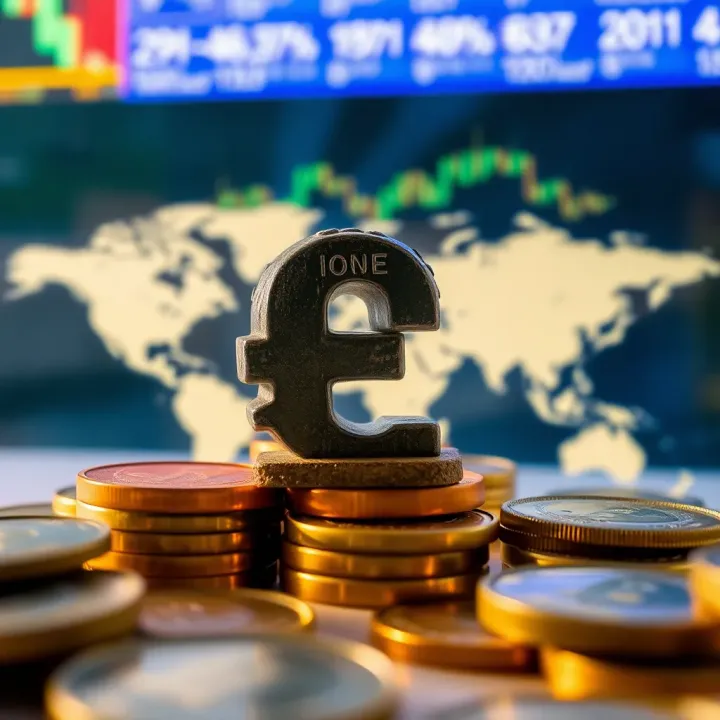
External factors are equally significant. Pakistan’s trade deficit, driven by imports of machinery, petroleum products, and consumer goods, places continuous demand on foreign currencies. The current account deficit, often financed through remittances, loans, or aid, shapes the rupee’s exchange rate. Fluctuations in dollar availability influence daily market movements, causing volatility.
Government measures have a direct effect as well. Policies to boost exports, regulate imports, or attract foreign direct investment (FDI) can help stabilise or strengthen the PKR. Recent steps include efforts to increase remittances through formal channels like JazzCash and Easypaisa, and improving tax collection via the Federal Board of Revenue (FBR) to reduce fiscal deficits.
Currency trends respond quickly to both global developments—such as changes in US Federal Reserve rates or geopolitical tensions—and local events like budget announcements or election outcomes.
Looking ahead, the PKR’s path depends on:
Inflation control success
Trade balance improvements
Stability of foreign reserves
Continuity in economic reforms
For traders and investors, staying updated on these indicators and government policies offers practical insight into market behaviour. Watching SBP’s quarterly reports and FBR’s tax data can help anticipate rupee movement. Meanwhile, analysts focus on global commodity prices and geopolitical events given Pakistan’s import reliance.
In short, the Pakistani Rupee’s future value is shaped by a complex web of economic and political factors. Keeping an eye on concrete indicators alongside policy shifts will help you understand its likely trends in the coming months and years.
Understanding the current state of the Pakistani Rupee (PKR) is essential for anyone involved in trading or analysing Pakistani financial markets. The rupee's status reflects Pakistan's economic health, government policies, and external pressures. It directly affects import costs, inflation, investment flows, and the foreign exchange market — all crucial for investors and traders making informed decisions.
In recent years, the PKR has seen significant fluctuations against the US Dollar and other major currencies. For example, between 2022 and early 2024, the rupee depreciated from around Rs 170 to Rs 285 against the USD, mainly due to rising trade deficits and external debt obligations. However, short-term interventions by the State Bank of Pakistan (SBP) sometimes stabilise the currency, providing windows of relative calm for market participants.
These trends highlight the importance of monitoring exchange rate movements closely, as sudden depreciation can impact costs for importers, exporters, and consumers alike.
Inflation tends to erode the value of local currency. When inflation rises in Pakistan, the purchasing power of the rupee declines, pushing up prices domestically. To control inflation, the SBP often raises interest rates. Higher rates attract foreign capital by offering better returns, which can support the rupee's value. Yet, high-interest rates also increase borrowing costs for businesses, possibly slowing economic growth.
For instance, during a spike in inflation in mid-2023, SBP raised the policy rate sharply, aiming to curb inflation and support the PKR. While this helped steady the currency temporarily, it reflected the delicate balance policymakers must maintain.
Pakistan’s persistent trade deficit, where imports exceed exports, puts pressure on the rupee. A growing trade gap increases demand for foreign currency, causing depreciation if not matched by capital inflows. For example, rising oil import bills tend to widen the deficit, as Pakistan heavily depends on oil imports.
The balance of payments (BoP), which records all financial transactions with the outside world, is crucial here. A BoP deficit signals more outflows than inflows of foreign exchange, weakening the rupee. Measures to reduce the trade deficit, like boosting exports or import substitution, can relieve this pressure.
Forex reserves act as a cushion to stabilise the rupee during market shocks. Pakistan’s reserves, held mostly in US Dollars, allow the SBP to intervene in the market by selling dollars to support the PKR when it weakens too much.
However, as reserves dip below comfortable levels – for instance, falling to around $7 billion in early 2024 – the central bank’s ability to defend the rupee reduces. This increases vulnerability to currency swings, making it vital for policymakers to replenish reserves through remittances, foreign investment, or loan agreements.
Maintaining a healthy level of foreign exchange reserves is critical to ensure the Pakistani Rupee does not face sudden volatility in a turbulent global environment.
By focusing on these specific economic factors, traders and analysts can better understand why the rupee moves as it does and forecast possible future trends with more confidence.
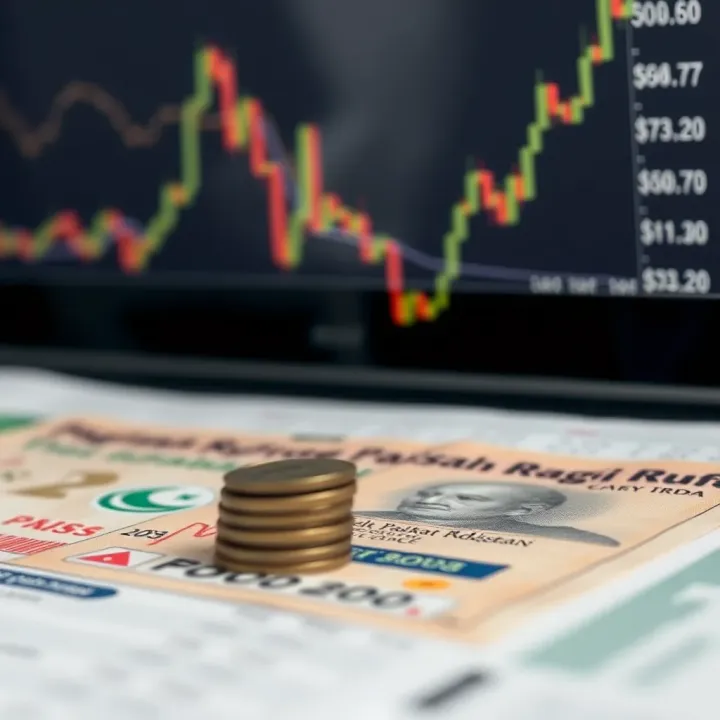
Economic indicators play a pivotal role in shaping the strength and stability of the Pakistani Rupee (PKR). These indicators provide vital insights into the health of the economy, reflecting factors like inflation, fiscal discipline, monetary policy, and external debt dynamics. Traders, investors, and analysts watch these signals closely as they directly impact exchange rates, market confidence, and investment flows.
Monetary Policy Stance
The State Bank of Pakistan (SBP) sets the monetary policy primarily through its policy rate, which influences interest rates across the economy. When inflation rises, SBP often raises the benchmark rate to curb spending and stabilise the currency. For example, in FY 2023, facing inflationary pressures, SBP increased the policy rate multiple times to slow down the rupee’s slide. This measure tends to attract foreign capital seeking higher returns, supporting the PKR.
Conversely, if the economy slows, the SBP may cut rates to encourage borrowing and investment, though this might weaken the rupee. Understanding SBP’s monetary stance helps predict currency movements, making it a crucial indicator for informed trading and analysis.
Intervention in Forex Market
Apart from setting monetary policy, SBP intervenes directly in the foreign exchange market to smooth excessive volatility. When the rupee depreciates rapidly, SBP uses its foreign exchange reserves to buy PKR, offering short-term support. In early 2024, SBP intervened several times to stabilise the currency amid global uncertainties and rising oil prices.
While these interventions provide breathing space, they are not a permanent fix, especially if underlying economic issues persist. Market participants should note that SBP’s forex market actions aim to maintain orderly markets rather than fix the exchange rate permanently. Knowing this helps traders avoid misreading temporary support as long-term strength.
Pakistan’s fiscal policies, especially government spending and revenue generation, significantly affect the rupee’s outlook. A growing budget deficit, when expenditures outpace revenues, often leads the government to borrow domestically or internationally, increasing money supply and potentially fuelling inflation. Persistent deficits can undermine investor confidence, putting downward pressure on the rupee.
For instance, if the government increases spending without matching revenue growth, inflation tends to rise while foreign investors may shy away due to fiscal risks, leading to PKR depreciation. Prudent fiscal management is key to stabilising exchange rates and maintaining economic health.
IMF Programmes
Pakistan’s agreements with the International Monetary Fund (IMF) are closely watched as they usually require structural reforms to improve fiscal discipline, boost exports, and stabilise the currency. IMF programmes often come with conditions to reduce the budget deficit and strengthen foreign exchange reserves.
Compliance with IMF terms can restore investor confidence and attract fresh inflows, supporting the rupee. For example, during the recent Extended Fund Facility, Pakistan worked on reforms like tax base expansion and subsidy rationalisation. However, delays or political friction in meeting IMF conditions can create market uncertainty, leading to currency volatility.
Bilateral and Multilateral Loans
Loans from countries like China or financial institutions such as the Asian Development Bank also influence foreign exchange dynamics. These funds typically support infrastructure and development projects, improving long-term growth prospects.
However, heavy reliance on foreign debt can increase repayment obligations in dollars, pressuring the rupee when global currency rates fluctuate. For traders and analysts, tracking loan inflows and repayment schedules helps anticipate currency stress points. Managing external debt prudently thus remains a vital factor in forecasting PKR movements.
Economic indicators combined with SBP’s policies and debt management paint a comprehensive picture of the Pakistani Rupee's future, guiding investors and businesses in their decision-making.
External factors have a significant impact on the Pakistani Rupee's value and overall market behaviour. They interact with domestic economic policies to determine the currency’s strength or weakness in the forex market. Understanding these factors helps traders, investors, and analysts anticipate shifts and manage risks more effectively.
Pakistan heavily relies on oil imports to meet its energy demands, making global oil prices a critical external factor. When crude oil prices rise, the country's import bill swells, worsening the trade deficit and exerting downward pressure on the rupee. For instance, during the recent surge in Brent crude above $100 per barrel, Pakistan’s import expenditure sharply increased, leading to rupee depreciation. Besides oil, fluctuations in steel, wheat, and cotton prices also influence Pakistan’s manufacturing and agricultural sectors, indirectly affecting foreign exchange needs. Monitoring these commodity price movements gives investors insights into Pakistan’s import costs and consequent rupee volatility.
Foreign direct investment (FDI) and remittances form essential inflows that support Pakistan’s currency stability. Inflows from sectors like textiles, telecommunications, and the newly expanding IT industry strengthen forex reserves and reduce currency pressure. Remittances from the Pakistani diaspora, mainly through channels like JazzCash and Easypaisa, typically provide a steady and dependable source of foreign currency. For example, in FY 2022-23, remittances crossed $31 billion, cushioning the balance of payments. However, any slowdown in foreign investment due to global economic uncertainty or domestic issues can tighten forex liquidity and weaken the rupee. Analysts must track real-time trends in foreign investment approvals and remittance flows, as significant drops or growth spurts directly influence the currency’s trajectory.
Pakistan’s geopolitical environment strongly shapes market confidence and currency performance. Regional tensions, sanctions, or disruptions along key trade routes often trigger uncertainty, leading investors to adopt a cautious stance. For example, instability in Afghanistan or changes in India-Pakistan relations tend to affect foreign investment sentiment and remittance channels. On the other hand, positive diplomatic initiatives or trade agreements, such as improved ties within the China-Pakistan Economic Corridor (CPEC) framework, may encourage investor confidence and support the rupee. Furthermore, global geopolitical shifts, like US-China trade dynamics, indirectly impact Pakistan's export demand and financial inflows. Traders and investors must stay aware of these developments, as they can cause sudden exchange rate shocks beyond purely economic fundamentals.
External factors like commodity prices, foreign investment, and geopolitical stability create a complex backdrop where the Pakistani rupee’s value dances to multiple tunes. Keeping an eye on these is essential for accurate forecasting and effective market navigation.
Rising global oil prices increase Pakistan’s import costs and pressure the rupee.
Foreign investment and remittance inflows inject much-needed foreign currency, supporting exchange rate stability.
Geopolitical tensions heighten market uncertainty, often triggering rupee volatility.
This section helps traders, investors, and analysts understand that while domestic policies matter, external forces constantly influence the rupee's outlook and must be considered for well-rounded currency prediction.
Understanding the challenges and risks facing the Pakistani Rupee is essential for traders, investors, and financial analysts who want to anticipate currency movements accurately. The Rupee’s stability is constantly tested by internal economic imbalances and external pressures. Identifying these risks helps in forecasting volatility and making informed decisions about forex exposure and investment strategies.
Pakistan’s current account deficit remains a significant strain on the Rupee’s value. This deficit arises when the country imports more goods and services than it exports, causing a drain on foreign currency reserves. For example, in recent years, the large import bills for oil and machinery have consistently outweighed export earnings from textiles and other sectors. This imbalance puts downward pressure on the Rupee, as demand for foreign currency rises but inflows remain limited.
Continued current account deficits signal deeper structural issues in the economy, making it harder for the PKR to maintain its value without strong foreign reserves or inflows.
High inflation erodes the Rupee’s purchasing power and undermines investor confidence. Pakistan has often experienced inflation rates above 8%, driven by rising food and energy prices combined with domestic supply chain disruptions. Inflationary pressures lead the State Bank of Pakistan (SBP) to increase interest rates, but persistent inflation can still trigger currency depreciation. Rising prices abroad also mean higher import bills, which feeds back into Rupee weakness.
For traders, inflation translates into uncertainty, increasing the risk premium demanded on PKR assets and sometimes sparking speculative attacks against the currency.
Pakistan’s reliance on foreign loans—whether from the International Monetary Fund (IMF) or bilateral partners—meant that currency reserves often fluctuate as new disbursements arrive or repayments become due. When reserves dwindle, the SBP’s ability to defend the Rupee weakens, accelerating depreciation.
Moreover, heavy debt servicing costs, especially in foreign currency, leave less room in the budget for development spending, which can stall economic growth and worsen fiscal imbalances. For instance, high repayments due this fiscal year could limit Pakistan’s capacity to stabilise the Rupee through intervention.
In summary, these three risks intertwine and create a challenging environment for the Rupee. Persistent trade imbalances, inflationary trends, and a heavy debt burden will remain key watchpoints for anyone managing exposure to the Pakistani currency.
The current account deficit increases pressure on foreign reserves and the Rupee.
Inflation weakens domestic purchasing power and may prompt depreciation.
Dependency on foreign loans affects reserves and limits monetary policy flexibility.
Investors and analysts should monitor these factors closely to anticipate shifts in the Rupee’s value and adjust their forex strategies accordingly.
Assessing potential scenarios for the Pakistani Rupee (PKR) lets traders, investors, and analysts prepare for economic shifts and market responses. By examining optimistic and pessimistic outlooks, along with political factors, stakeholders can gauge risks and opportunities more precisely. These scenarios serve as a practical blueprint for navigating foreign exchange volatility tied to domestic reforms, policy continuity, or external pressures.
A strong reform agenda focused on boosting exports, narrowing the current account deficit, and improving tax collection could stabilise and even strengthen the PKR. For example, if the government successfully increases exports of textiles and IT services while curbing imports of non-essential goods, demand for dollars would ease. Combined with better fiscal discipline and enhanced foreign exchange reserves, the rupee could appreciate or maintain relative stability against major currencies. Reforms fostering ease of business and attracting foreign direct investment (FDI) are likely to support this positive trend, especially if initiatives in special economic zones or CPEC projects yield results. However, such outcomes require sustained implementation beyond announcements.
Without meaningful reforms, the rupee risks continuing depreciation, fueled by rising inflation and persistent fiscal deficits. Sudden capital outflows or surges in global oil prices may worsen pressures. We may witness episodes where the PKR weakens sharply, triggering higher import costs and inflation, which in turn erodes purchasing power. For instance, recent spikes in commodity prices escalated import bills, intensifying pressure on reserves. Traders and investors need to price in such volatility, adopting risk management strategies like hedging and diversifying exposure to limit losses during turbulent periods. Monitoring State Bank of Pakistan (SBP) interventions and government announcements becomes key to anticipating these swings.
Political stability plays an essential role in currency confidence. Stable governments that ensure policy continuity usually strengthen investor trust, leading to steadier PKR valuations. In contrast, frequent political shifts or policy reversals create uncertainty, discouraging foreign investment and worsening forex instability. For example, periods marked by caretaker governments or election-related uncertainties often see elevated currency volatility. Consistent monetary and fiscal policies aligned with economic goals help maintain disciplined budget deficits, control inflation, and support the rupee. Hence, markets closely watch political developments alongside economic indicators to forecast currency trends.
Understanding these scenarios equips market participants to make informed decisions amid Pakistan’s complex economic landscape. Staying alert to reforms, policy moves, and political signals provides an edge in predicting currency movements and managing portfolio risks effectively.
Economic reforms targeting exports, imports, and fiscal discipline offer a path towards rupee stability.
Lack of reforms and external shocks sustain depreciation and volatility.
Political stability and continuous policy application bolster investor confidence and reduce forex risk.
This section aids readers in comprehending the practical implications behind different futures for the Pakistani rupee, anchoring expectations in real-world events and market reactions.
Discover key factors behind the dollar's rise against Pakistan's rupee 📉 Explore economic and political impacts on daily life and business stability 🇵🇰💵
Explore key factors shaping XRP price forecasts 📊, including market trends, tech updates ⚙️, regulations 📜, and expert insights for a practical outlook.

📊 Explore key factors affecting Bitcoin prices including market trends, regulations, and technology. Get future insights and investment tips for Pakistani investors.

Ready to trade on DERIV in Pakistan? Learn setup, account tips, risk management, and local payments with this practical business guide 📈💼
Based on 5 reviews