

Understanding Alpha Capital in Finance
Explore how Alpha Capital impacts finance in Pakistan 📈, its strategies, benefits, and challenges to boost investment growth and market understanding.
Edited By
Charlotte Davies
In everyday transactions, most people in Pakistan encounter extra charges that seem to pop up out of nowhere. These are often called addon money—small fees tacked onto bills that can silently pile up, messing with budgets and financial plans. Understanding what addon money really means and how it works is key for anyone serious about controlling their personal finances.
This article lays out the groundwork for recognizing common addon charges, from banking fees to service surcharges in utilities or mobile recharge plans. We'll look closely at how these fees impact spending habits and suggest practical ways to keep them in check.
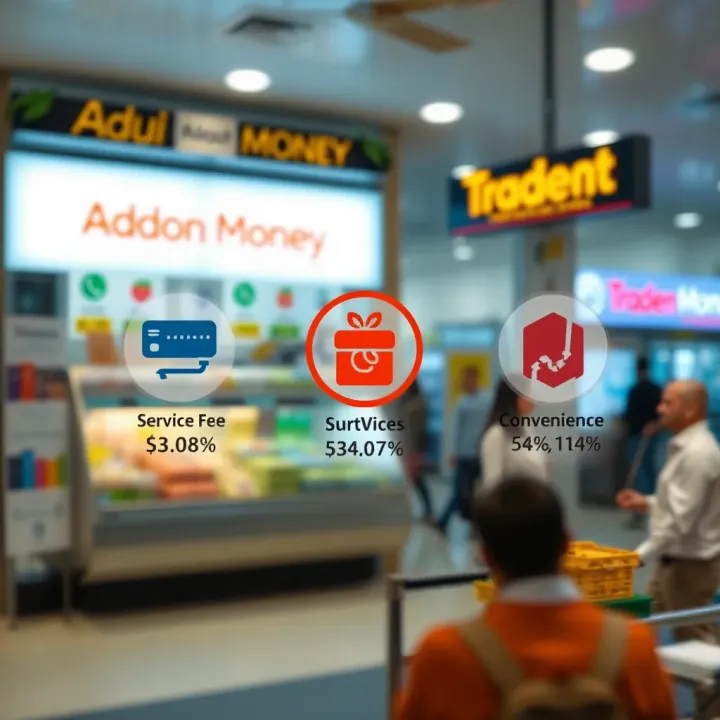
Whether you're a trader calculating your margins, an investor balancing portfolios, or an educator teaching financial literacy, appreciating how addon money sneaks in can sharpen decision-making and help build better money management strategies.
So let’s break down the types of addon fees you face and explore how to manage them without getting caught off guard.
Understanding addon money is like spotting the fine print in your daily expenses. It's the extra costs that sneak in beyond the listed price, often overlooked but impactful on your budget. This section helps clarify what addon money really means and why it matters when managing personal finances, especially in the Pakistani context where such charges can vary widely.
Common examples of addon money often include service fees, convenience charges, packaging costs, or delivery fees. Imagine ordering a meal for 800 PKR at a restaurant, but the final bill shows 880 PKR due to service charges and taxes. These extras don’t appear in the main price tag but add up in your wallet.
Addon money also covers less obvious costs such as airport taxes included in airline tickets or transaction fees on payment platforms like JazzCash. Knowing these can prevent surprises and help plan expenses more accurately.
Differentiating addon money from base prices is crucial in financial planning. The base price is the starting point—the product or service cost before any extras. Addon money overlays the base with additional charges, often variable and sometimes avoidable.
For example, a car’s showroom price might be 3 million PKR, but addon money in the form of documentation fees, insurance, and registration can push your final spend closer to 3.3 million PKR. Differentiating these helps consumers decide whether a deal truly fits their budget or if the extras make it less appealing.
In Pakistan, retail and service industries are common grounds for addon charges. Stores might add plastic bag fees, express delivery costs, or extra for gift wrapping, which pile on the final bill.
Service sectors like salons or car workshops often charge convenience fees for same-day service or apply hidden charges for cleaning products used during service. Recognizing these charges upfront can save you from unexpected costs.
Online and offline purchases both bring their own sets of addon money. Online shopping platforms like Daraz might include shipping costs depending on the seller's location or offer insurance at checkout as an optional addon. Offline stores, meanwhile, might tack on after-sales service fees or installation charges that don't catch the eye initially.
Being aware of these typical addon sources lets you ask the right questions, compare better, and avoid getting stuck with fees that eat into your planned spending.
Staying alert to addon money helps keep your financial decisions transparent and prevents budget blowups caused by hidden costs.
Understanding these fundamentals puts you in a good position to tackle addon money without it undermining your financial goals.
When navigating Pakistani markets and services, it’s not just the sticker price that counts. Consumers often face all sorts of addon money—extra fees and charges that quietly creep in after the initial price tag. Knowing these common types helps you avoid unpleasant surprises and manage your wallet better in everyday transactions.
Hidden fees and service charges are sneaky extras that can shoot up the total cost of what you’re buying or using. These surcharges aren't always obvious upfront but become clear once you get the bill.
In Pakistan, banks frequently add charges that customers might easily overlook. For example, you might see fees for maintaining your account, ATM withdrawals from other banks, or even for receiving paper statements. These small amounts, say Rs. 100 to Rs. 500 monthly, add up over time and dent your savings.
Some financial products, like credit cards, pile on more addon costs like late payment fees or annual charges, which can catch even seasoned users off guard.
Action tip: Always peek at the fee schedule before opening an account or signing up for any service. If you spot fees that seem unnecessary, shop around—many Pakistani banks offer zero or low-fee accounts tailored to everyday users.
Your mobile phone or internet provider can sneak in addon charges too. It could be extra fees for using data beyond your plan, activation charges when you set up a new service, or taxes applied at the billing stage.
For example, you might find that your Rs. 1,000 prepaid package actually costs Rs. 1,150 after service fees and taxes. This kind of hidden cost can confuse customers and make budgeting tough.
Action tip: Before enrolling in any telecom service, clarify all potential fees and ask for a complete breakdown of your monthly charges. Using billing apps like JazzCash or EasyPaisa can also help you keep track of payments and spot any sneaky additions.
Not all addon money comes from businesses. Government and regulatory charges often stack on to the price of goods and services, typically framed as taxes or licensing fees.
In Pakistan, Value Added Tax (VAT), sales tax, and excise duties frequently appear on your bills. These taxes add a percentage on top of the base price for many services like electricity, fuel, and quick delivery fees.
For instance, the sales tax on mobile phone packages and internet connections hikes up the final cost that consumers pay monthly.
Action tip: Watch for these taxes in bills and receipts. Understanding how much tax you pay helps in anticipating actual expenses. Sometimes, opting for tax-exempt jurisdictions for certain purchases can save money—for example, buying from duty-free shops abroad.
Whether it’s registering a vehicle, starting a business, or getting a professional license, government fees are part and parcel of many transactions in Pakistan. These can sometimes come with multiple hidden addons like processing fees or service charges.
Consider when you buy a car: besides the purchase price, you’ll pay registration fees, road permits, and token taxes, which together add thousands of rupees.
Action tip: Plan these fees into your budget as separate charges. Checking online government portals or local offices for fee structures before applying for licenses or registrations avoids nasty last-minute fees.

Remember: Extras like these may feel like small annoyances, but they seriously affect your personal finance if overlooked. Being alert and informed can protect your hard-earned money from literally slipping through unnoticed charges.
By recognizing these common addon charges in your daily financial dealings, you gain the upper hand in managing your spending more intelligently. The more you know about what lurks under the surface, the less likely you are to get caught unawares.
Addon money holds significant sway over how consumers in Pakistan make buying choices. Understanding this impact helps traders, investors, and financial analysts anticipate market behavior and advise clients more effectively. When extra fees sneak in—whether through hidden service charges or unexpected taxes—they shift perception, sometimes making a product appear costlier than initially expected. This can lead consumers to hesitate or rethink their choices altogether.
Addon money often blurs the real cost of a product or service. For example, someone shopping for a smartphone may see a sticker price of PKR 30,000 but then discover an additional warranty fee or processing charge pushing the price beyond their budget. This discrepancy skews affordability, leading buyers to overestimate how much they need to spend. It's like eyeing a car that seems affordable until insurance, registration, and road taxes pile on. Being mindful of these charges upfront saves consumers from unpleasant surprises and helps them plan better.
When buyers spot addon fees suddenly added at checkout—whether on e-commerce platforms or at physical stores—they often hit the pause button. This hesitation arises from uncertainty about the total outlay and sometimes distrust towards the seller’s transparency. For instance, a telecom customer may balk at seeing unexpected service taxes included in their monthly bill and consider switching to a competitor with clearer pricing. Understanding this behavior is crucial for businesses aiming to maintain their customer base, as clear communication about addon money can reduce buyer friction.
Consumers today lean towards brands that lay their cards on the table, especially in Pakistan’s competitive markets. Transparent pricing, without hidden addon fees, builds trust and makes it easier for consumers to weigh their options. Imagine a travel agency offering a trip package with all taxes and surcharges upfront versus another that surprises customers later with additional fees. The former brand naturally attracts more loyal customers. Businesses that adopt clear pricing policies can use this as a selling point, helping consumers make confident buying decisions.
Unexpected addon money can quickly erode customer loyalty. When a customer repeatedly encounters additional charges, they start questioning the value offered. For example, a frequent online grocery shopper might stop ordering from a store if the delivery fees and taxes consistently bump up the total without prior notice. On the other hand, brands that keep addon money predictable and minimal encourage repeat business by making spending feel fairer and less stressful. This dynamic directly affects how companies should strategize pricing and customer retention.
In a nutshell, addon money is not just an afterthought; it’s a powerful factor shaping how consumers in Pakistan decide when, where, and what to buy. Businesses mindful of this can design better pricing strategies, while shoppers equipped with knowledge can avoid overspending.
Managing addon money is more than just a good habit—it's practically a necessity if you want to keep your personal finances in check. These extra charges can sneak up on you, especially when you’re not paying close attention. By adopting smart strategies, you can avoid unnecessary expenses and stretch your rupees further.
It might sound boring, but going through the fine print is where many people stumble. Contracts and bills often have small text sections highlighting fees tied to your purchase or service. For instance, a mobile internet package may advertise "unlimited data," but the fine print could reveal a speed cap or extra charges for exceeding a certain limit. Taking a moment to read these details upfront can save you from surprise costs later on.
The takeaway here? Don't rush through agreements, whether it’s signing up for utilities, credit cards, or insurance. Look closely for words like "processing fee," "service charge," or "late payment penalty." When these terms are clear, you can better anticipate the full cost instead of just the sticker price.
Hidden costs come in all shapes and sizes—some are easy to spot, others less so. A good example is when buying electronics, you might see a low upfront price but then pay extra for an extended warranty or installation service that's automatically added at checkout. Ask yourself, is this fee mandatory? If not, you can opt out.
In Pakistan, extra charges often pop up in online shopping platforms—delivery fees, packaging charges, or cash-on-delivery service fees. Spotting these ahead of checkout means you can decide if the convenience is worth the added expense or if another seller might be cheaper.
Don’t shy away from asking sellers or service providers to cut you some slack. For instance, if a bank charges a maintenance fee for your account, a simple call might get it waived—especially if you’re a long-standing customer. Many telecom companies also offer discounts if you negotiate, or when you threaten to shift your business elsewhere.
You might be surprised how often a polite request results in savings. It pays to be proactive rather than passive, particularly when addon charges seem unfair or excessive.
It’s a classic move: shop around before committing to a service or purchase. Different banks, internet providers, or utilities may offer similar services but with vastly different addon money. For example, if you’re looking at broadband plans, one provider might advertise a lower monthly rate but add high installation fees, while another charges a bit more monthly but has no setup cost.
Keeping a simple spreadsheet or even jotting down terms side by side helps. Compare what's truly on offer, including hidden fees, to get a clearer picture. This approach ensures you find the best value and reduces the chance of getting stuck with wallet-busting addon charges.
Staying alert and proactive about addon money lets you keep control of your finances. By reading fine print, spotting hidden costs, asking for waivers, and shopping smart, you can avoid letting these extra charges chip away at your budget.
Budgeting with addon money in mind is about preparing your finances to handle those unexpected extra costs that often catch people off guard. In Pakistan, prices on products or services rarely tell the whole story at first glance. Addon charges like service fees, taxes, or delivery costs can add up fast, messing with your carefully planned budget if you're not prepared.
Approaching budgeting with these hidden expenses accounted for means you don’t suddenly find yourself short of cash when the bill arrives. Whether it’s a seemingly small telecom surcharge that pops up monthly or a delivery fee that turns a modest online purchase into a hefty expense, factoring these into your financial plan helps maintain stability.
When budgeting, realistic means more than just adding a little wiggle room. It means identifying where addon money usually sneaks in and including a clear estimate of those charges from the get-go. For example, if you’re paying for a car insurance policy, don’t only budget the premium; add in registration renewals and service taxes that come alongside. This approach prevents nasty surprises and lets you plan your spending with your actual costs in mind.
Setting a budget without considering these extras is like budgeting for a meal but forgetting to include the tip—the final bill always turns out higher than expected. Start by reviewing previous bills and receipts to spot recurring addon charges, then factor those into your monthly expenses.
Tracking those pesky addon expenses is just as important as budgeting for them. Without a clear picture, it’s easy to lose track and overspend unknowingly. Keep a simple spreadsheet or journal noting each extra fee you pay, from service charges on your internet bill to ATM withdrawal fees.
For instance, if you regularly withdraw cash from an ATM outside your bank's network and get charged Rs. 20 per transaction, multiply that by your monthly frequency to see how much you lose to addon charges. This sense of awareness helps you decide where to cut down or find better options.
Using mobile apps such as Money Manager or Monefy can make tracking addon money easier and less of a chore. These apps let you categorize your spending, so you can separate base costs from addon fees effortlessly. Plus, many come with notification features that remind you to log expenses or alert about unusual charges.
For a busy professional or investor in Pakistan, this kind of automation helps avoid manual errors or missed entries. Easy visibility means quicker adjustments to your financial plan and better control over your spending habits.
Many Pakistani service providers—telecom companies like Jazz or Zong, for example—offer SMS or app notifications when charges are levied. Enabling these alerts means you’ll know immediately if there’s an unexpected surcharge on your bill. It acts like a financial watchdog, catching any addon money slipping in without your consent.
Turning on such notifications can save you from getting hit by surprise fees, letting you question or dispute charges in a timely manner. This proactive approach helps maintain transparency and keeps your budgeting aligned with reality.
Keeping addon money under control isn't just about avoiding costs; it's about understanding them fully so your financial decisions remain solid and stress-free.
By weaving addon costs into your budget, vigilantly tracking them, and using tools for monitoring, you build a financial shield against unwanted surprises. This strategy is essential for traders, investors, or anyone handling money in Pakistan’s environment of variable charges.
Consumer awareness plays a critical role in tackling the challenge of addon money. When buyers know what to look for and understand their rights, they can avoid surprise fees that quietly chip away at their savings. Without this awareness, people often pay more than necessary, just because they missed or misunderstood the extra charges buried in contracts or receipts.
In Pakistan, where pricing transparency is still improving, empowering consumers can lead to better market practices. Awareness not only helps individuals save money but also pushes businesses to be more upfront with their pricing, creating a healthier competitive environment. For example, a consumer who knows about hidden service charges in mobile bills can demand clearer explanations or switch providers, ultimately forcing telecom companies to be clearer.
Workshops and online guides are practical tools that can help people get a grip on addon money. Organizations like the Competition Commission of Pakistan often hold sessions explaining consumer rights, break down jargon found in bills, and provide tips on spotting unnecessary fees before committing. Online guides serve the same purpose but are accessible anytime—perfect for busy folks juggling multiple expenses.
These resources walk people through the sometimes confusing terms and conditions, helping them understand what charges are legitimate and which might be negotiable or avoidable. By attending a local workshop or following an online tutorial, consumers can gain confidence in asking questions or seeking clarifications before spending.
Community knowledge sharing is another powerful way to spread awareness. When neighbors, friends, or online groups share their experiences with specific companies or services, it creates a collective intelligence that benefits everyone. For example, if a popular grocery store adds a new “handling fee” that isn't well-explained, local shoppers discussing this practice can alert others.
This kind of peer-to-peer sharing often happens informally but is highly effective, especially in social media groups or neighborhood WhatsApp chats common in Pakistan. It encourages vigilance and can pressure vendors to be transparent because word travels fast when customers start talking.
Consumer protection laws in Pakistan are evolving to offer better safeguards against unfair addon fees. The Consumer Protection Council and Pakistan Telecommunication Authority, for instance, have specific rules requiring companies to clearly disclose all costs upfront. These laws empower consumers to file complaints if businesses hide charges or fail to explain them properly.
Such legal frameworks are important because they set minimum standards that every business must meet. If a consumer finds unexplained addon fees on a utility bill, they can take the matter to these authorities, who may investigate and enforce corrective measures, sometimes with penalties for the service provider.
Enforcement of clear pricing policies makes all the difference in the real world. It’s one thing to have laws on paper; it’s another to apply them consistently. Regulatory bodies in Pakistan have been focusing on strict checks, especially in sectors like telecommunications, real estate, and banking, where addon money is common.
For example, telecom operators are now mandated to show full billing details, breaking down each charge so no hidden fees lurk at the bottom of the bill. This enforcement not only protects consumers but also increases trust in businesses that play by the rules.
Knowing your rights and staying informed is your best defense against unwelcome addon costs. Awareness, backed by strong regulations and community support, turns the tables in favor of consumers.
By combining educational efforts, peer knowledge sharing, and government regulations, consumers in Pakistan can better manage addon money, leading to smarter spending and improved financial health.
Addon money might seem like just a small annoyance at first, but over time, those extra charges can really add up and affect your personal finances. Understanding how these additional costs work gives you a leg up in managing your money smarter. Instead of getting blindsided by surprise fees on your phone bill or at the checkout counter, you can turn addon money into a tool rather than a trap.
Every section we've covered points to a simple truth: awareness and preparation go a long way. From spotting hidden fees in financial services to budgeting realistically with addon expenses in mind, the key is knowing what to expect and how to respond. For example, someone who regularly shops online at Daraz or uses mobile data plans from Jazz or Zong will benefit by checking their bills carefully and comparing offers precisely to avoid unnecessary fees.
Addon money often hides in plain sight, like the extra charges for delivery or service fees on your utility bills. Recognizing these costs is crucial because they impact how much you actually pay—not just the advertised price. For instance, when buying a smartphone from a store in Karachi, the listed price may not include warranty extension fees or installation charges, which can push your total cost higher than expected. Grasping these nuances helps you avoid biting off more than you can chew financially and keeps your spending aligned with your actual budget.
Managing addon money is less about luck and more about habit. If you make a routine of reviewing all terms and fees before purchasing and track your spending regularly, it becomes easier to spot patterns and avoid costly surprises. For example, if you notice recurring hidden charges in your electricity bill or internet subscription, you can ask your provider for clarifications or switch to plans with clearer pricing. Developing these habits doesn't just protect your wallet; it also puts you in charge of your financial decisions.
Keep yourself updated on common addon fees in your area by reading customer reviews and following local consumer rights information. If you’ve had a rough experience like unexpected taxes on a PIA ticket or road toll fees during a trip, share your experiences within your community or online groups. This kind of awareness prevents you from falling prey to the same surprises repeatedly.
Being vigilant means checking every detail — a few extra seconds spent on scrutinizing your bill or contract can save you hundreds of rupees.
Before signing up for services or making big purchases, ask for a full breakdown of costs. Don’t hesitate to request written confirmation of the fees involved. For example, when enrolling in an educational course, ensure that all addon charges like resource fees or lab access are disclosed upfront. When you understand every penny that’s going out, you’re less likely to face sticker shock that disrupts your budget.
Managing addon money requires a bit of effort, but the payoff in confidence and financial health is worth it. Keep a sharp eye, ask questions, and build smart habits — these steps turn addon money from a hidden drain into a manageable factor in your personal finance.
Explore how Alpha Capital impacts finance in Pakistan 📈, its strategies, benefits, and challenges to boost investment growth and market understanding.

Explore the origins, cultural impact, and real-life effects of ?????? ???? to gain a deeper understanding of how it shapes our world 🌍📚.

Learn how CFD trading works in Pakistan 🇵🇰, explore strategies, risks, broker tips, and regulations to trade smartly and confidently.

📈Explore essential trading insights for individuals & businesses in Pakistan. Learn strategies, types & risk management to trade smarter locally & globally.
Based on 8 reviews