
How Inflation Affects Pakistan's Economy
Explore how inflation shapes Pakistan's economy 📉 and daily life, and learn about steps taken to stabilize growth and protect livelihoods 🇵🇰.
Edited By
Sophia Mitchell
The US dollar has long played a central role in Pakistan’s economy, influencing trade balance, inflation rates, and foreign exchange reserves. As Pakistan faces ongoing macroeconomic challenges, understanding the dollar’s shifting influence is vital for traders, investors, and policymakers alike.
Since Pakistan largely depends on imports priced in dollars—such as oil, machinery, and raw materials—the exchange rate directly affects the cost structure of businesses and the wider economy. For example, a depreciation of the rupee against the dollar often raises import costs, pushing up inflation and squeezing purchasing power.
Beyond just import costs, the dollar’s value impacts Pakistan’s foreign reserves. Remittances from overseas Pakistanis, usually received in dollars, are a crucial source of hard currency. Any volatility in the dollar or restrictions on its inflow can strain reserves, limiting the State Bank of Pakistan’s (SBP) ability to stabilise the currency and control inflation.
Trade dynamics also hinge on the dollar’s position. Exports denominated in dollars can become more or less competitive depending on the rupee-dollar exchange rate. For local exporters, a weaker rupee can boost earnings in PKR terms, though this benefit may be offset by rising input costs if dollar-priced imports rise.
The fluctuation of the US dollar affects not just currency markets but has ripple effects on inflation, trade competitiveness, and foreign reserves — all critical parameters for Pakistan's economic stability.
Policymakers face the delicate task of balancing exchange rate stability with inflation control and growth objectives. Recent challenges include managing dollar shortages, pressure on reserves, and the impact of global dollar strength amid geopolitical tensions.
Looking ahead, rising global interest rates, Pakistan’s fiscal deficits, and shifts in trade partnerships will continue to influence the dollar’s role. For market participants, keeping an eye on foreign exchange trends, SBP interventions, and dollar-linked economic indicators will be key to navigating Pakistan’s evolving economic landscape effectively.
The US dollar plays a significant role in Pakistan’s economy, influencing everything from trade to remittances and foreign exchange reserves. Understanding its current position helps gauge wider economic trends and form strategies for stabilising the country's financial health.
A large portion of Pakistan’s trade transactions are invoiced in US dollars. Imports such as petroleum products, machinery, and raw materials are priced in dollars, making the currency essential for clearing payments. Even exports often get converted to dollars, affecting businesses whenever exchange rate fluctuations occur. For example, a rupee depreciation means higher import bills, pushing up costs for manufacturers reliant on imported inputs.
Remittances, mostly sent in US dollars by Pakistanis working abroad, provide a critical flow of foreign currency into Pakistan. These inflows support household incomes and help manage the country’s balance of payments. In FY 2023-24, remittances crossed over $35 billion, underlining the dollar’s vital role in sustaining Pakistan’s foreign currency reserves.
Because imports are often priced in dollars, any depreciation in the rupee makes imported goods costlier, fuelling inflation. Pakistan’s economy is quite vulnerable to this effect, especially since it relies heavily on imports for energy and industrial raw materials. This imported inflation quickly passes onto consumers, squeezing purchasing power.
Petrol prices are directly linked to dollar exchange rates because Pakistan imports almost all its crude oil. When the dollar strengthens against the rupee, petrol and essential goods like cooking oil and pharmaceuticals become more expensive. This creates a double hit: higher transport and production costs raise prices across the board, impacting everyday consumers.
Dollar reserves form the backbone of Pakistan’s foreign exchange liquidity. They cover import costs and help maintain the trade balance. The State Bank of Pakistan (SBP) closely monitors these reserves to avoid a currency crisis. Holding an adequate dollar reserve acts as a buffer, giving the bank room to intervene in the currency market when needed.
During times of economic turbulence or sudden external shocks, having enough dollar reserves enables Pakistan to stabilise the rupee and fund essential imports. For instance, when the pandemic hit in 2020, strong dollar reserves helped the country maintain critical imports and manage balance of payments pressure. Without such reserves, Pakistan would face high volatility and inflation spikes.
The US dollar remains entangled with Pakistan’s economy, shaping trade costs, remittance flows, inflation, and reserve management. Policymakers must keep a close eye on these dollar-related dynamics to safeguard economic stability.
This section sheds light on concrete ways the dollar influences Pakistan, helping traders, investors, and analysts understand the practical factors behind currency movements and economic outcomes.
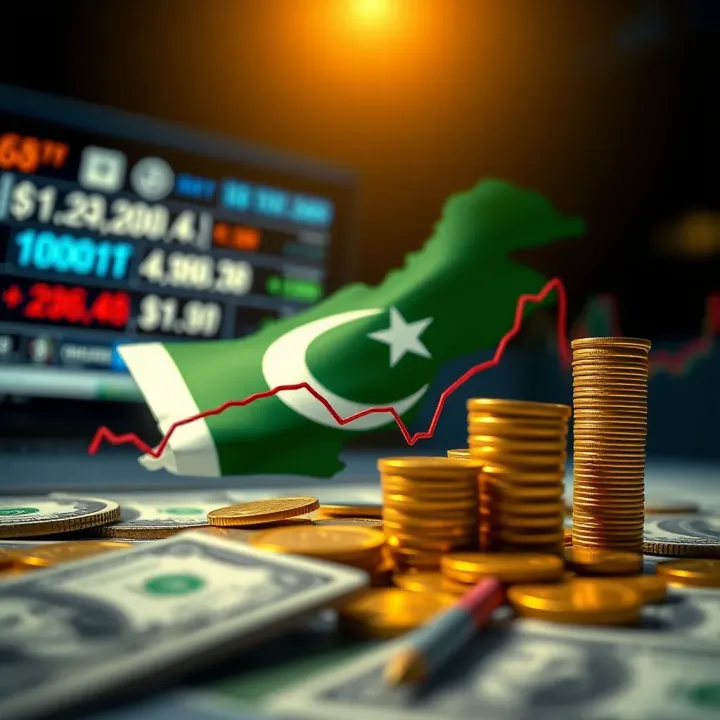
Pakistan's economic landscape is deeply intertwined with the US dollar, and several factors shape its future role. Understanding these factors helps traders, investors, and policymakers anticipate currency risks and plan accordingly.
The State Bank of Pakistan (SBP) plays an active role in managing the rupee-dollar exchange rate through market interventions and policy adjustments. For instance, when the rupee faces rapid depreciation, the SBP may sell dollars from its reserves to support the local currency and ease pressure on importers. Conversely, SBP may allow gradual depreciation to maintain export competitiveness. Such interventions directly affect the availability of foreign currency and influence import costs.
Inflation targeting also connects closely with exchange rate stability. Persistent currency weakness often raises imported inflation, pushing prices up on essential goods and fuel. To counter this, the SBP sets a policy rate aiming to manage inflation within a target range—typically between 5-7%. Maintaining exchange rate stability gives clarity to businesses and importers, helping them plan budgets without fearing sudden cost spikes due to dollar volatility.
Changes in US interest rates under the Federal Reserve's monetary policy significantly influence the dollar's strength globally and, indirectly, in Pakistan. When the Fed raises rates, the dollar typically appreciates, making Pakistani import bills more expensive and increasing repayment costs on external debt.
External debt repayments also put currency pressure on Pakistan’s reserves and exchange rate. Pakistan's sizeable foreign loans—often denominated in dollars—require continuous dollar inflows to meet repayment schedules. During periods of tight global liquidity or dollar strength, Pakistan faces increased strain to accumulate sufficient dollars, which can lead to rupee depreciation.
Pakistan's persistent trade deficits widen the gap between dollar outflows and inflows. The country imports more than it exports, creating constant demand for dollars to settle import bills, which keeps the rupee under pressure. This trade imbalance is worsened by dependence on raw material imports vital for local industries.
Energy imports, particularly petroleum, make up a significant chunk of Pakistan’s dollar demand. Sudden hikes in global oil prices quickly increase the import bill, forcing Pakistan to secure more dollars. This scenario often triggers inflationary pressures domestically and strains foreign exchange reserves, leading to a more volatile rupee-dollar exchange environment.
In summary, Pakistan’s future dollar outlook depends on a mix of careful monetary policy, global economic conditions, and addressing domestic structural challenges. Understanding these factors can help policymakers and market participants navigate currency fluctuations more effectively.
The US dollar’s ups and downs have a direct effect on Pakistan's economy, impacting everything from business costs to public finances. Understanding these implications helps traders, investors, and policymakers manage risks better and make informed decisions amid currency fluctuations. Dollar volatility influences Pakistan's import bills, export competitiveness, government debt servicing, and the overall fiscal health.
When the dollar strengthens against the rupee, importers in Pakistan face higher costs. This is critical because Pakistan relies heavily on dollar-denominated imports like machinery, raw materials, and oil. For example, a 5% depreciation in the rupee can raise import costs by a similar margin, leading to increased expenses for manufacturers and businesses. These rising costs usually translate into higher prices for consumers, pushing inflation upward.
This increase in production costs affects both small industries and large manufacturers. Textile exporters, for instance, often import synthetic fabrics priced in dollars. If the rupee weakens, their input costs go up, squeezing profit margins unless they adjust product prices accordingly. Businesses have to either absorb the extra burden or pass it on, influencing their competitiveness domestically and internationally.
Exporters benefit when the rupee depreciates, as their goods priced in dollars become cheaper for foreign buyers, potentially boosting sales. However, this advantage comes with exchange rate risk. Sudden shifts can make earnings unpredictable, especially if exporters incur costs in rupees but earn revenue in dollars. For instance, a textile exporter who commits to a contract expecting a certain exchange rate may face losses if the rupee strengthens unexpectedly before payment.
Investors in Pakistan’s stock market or real estate also feel the strain of dollar fluctuations. Foreign portfolio investors monitor currency stability carefully; increased volatility may discourage investment or trigger capital outflows. This adds pressure on the local currency and financial markets, creating a cycle of uncertainty. Proper hedging mechanisms and timely market information become essential tools for investors to mitigate these risks.
Pakistan's external debt, largely denominated in dollars, becomes costlier to service when the rupee falls. Even if the dollar remains stable globally, a weaker rupee means the government must allocate more rupees to meet its dollar obligations. For instance, a 10% depreciation in the rupee suddenly increases the local currency equivalent of debt repayments by 10%, tightening fiscal space.
This higher debt burden affects not only principal repayments but also interest payments, leaving less room for developmental spending. It can force the government to cut other expenditures or seek more borrowing, which further stresses the budget. Managing currency risk in public debt is therefore vital to avoid fiscal stress.
A volatile dollar can widen Pakistan's fiscal deficit due to rising import costs and debt servicing expenses. Increased petroleum prices, tied to the dollar, often lead to higher subsidies or fuel price adjustments that impact government revenues and expenditures. Additionally, inflationary pressures caused by dollar depreciation can reduce real tax collection efficiency, aggravating fiscal imbalances.
For example, when the rupee weakens, the government might face political pressure to avoid passing full cost increases to consumers, leading to subsidy expansions. This adds to the deficit unless offset by higher revenue collection or spending cuts. Coordinated fiscal and monetary policies are necessary to control deficit growth linked to currency volatility and maintain macroeconomic stability.
Dollar volatility is more than just a market concern; it directly shapes Pakistan's economic environment, affecting everything from daily business operations to the government’s ability to manage debt and fiscal health. Tackling these challenges requires a blend of prudent policy and market awareness.
Understanding potential scenarios for the US dollar in Pakistan is essential for businesses, investors, and policymakers to plan effectively. The dollar plays a key role in trade, inflation, and foreign reserves. Predicting its future movement helps manage risks linked to currency fluctuations and economic shocks.
Risks of sustained depreciation
If the Pakistani rupee continues to weaken against the US dollar, it will raise import costs and external debt repayments. Prolonged depreciation strains foreign exchange reserves and may deter foreign investors concerned about currency risk. For example, a consistent 5% monthly rupee depreciation could push the cost of energy imports significantly higher, worsening the trade deficit.
Sustained depreciation also increases the pressure on companies dependent on imported raw materials. This reduces overall competitiveness and can lead to job losses in export sectors due to uncertain price planning.
Impact on inflation and economic stability
A weaker rupee often leads to imported inflation because many everyday essentials, including fuel and medicines, are priced in dollars. This inflation hits consumers directly, reducing purchasing power and increasing poverty risks. In Pakistan, recent fuel price hikes triggered by dollar depreciation raised transport costs, impacting food prices across urban and rural areas.
Economic stability suffers when inflation accelerates unpredictably. Businesses may delay investments, and policy uncertainty could grow if the government struggles to manage the dollar’s influence on prices effectively. This environment makes it harder for the State Bank of Pakistan (SBP) to maintain inflation targets.
Diversifying trade partners and currencies
One way Pakistan can lower dollar reliance is by increasing trade with countries using other currencies, such as China or the UAE dirham. Bilateral trade agreements settled in local currencies reduce the demand for dollars, easing pressure on reserves. For instance, Pakistan’s growing trade with China under CPEC projects could shift payments more towards renminbi settlements.
Diversification also means Pakistan reduces exposure to US monetary policy changes. This approach lessens volatility caused by US interest rate hikes which often strengthen the dollar against emerging market currencies.
Promoting local currency transactions
Encouraging transactions in Pakistani rupees, especially for domestic trade and regional commerce, can deepen local currency use. For exporters, receiving payments in rupees or regional currencies reduces exchange rate risks. Banks and financial institutions can support this through forward contracts and hedging instruments.
Government policies promoting rupee invoicing in cross-border trade with neighbouring countries—like Afghanistan and Iran—could set practical examples. Besides, growth in digital payments using local currency makes everyday commerce less dependent on the dollar’s fluctuations.
Tackling the dollar’s overwhelming role in Pakistan's economy requires concerted efforts, both in trade diversification and stronger local currency use, to safeguard economic stability and protect investors' interests.
Pakistan’s heavy reliance on the US dollar makes it vulnerable to global currency swings. Managing the dollar’s impact requires clear and effective policy measures that focus on stabilising the exchange rate, controlling inflation, and strengthening economic fundamentals. These steps help maintain investor confidence and reduce uncertainty for businesses and policymakers alike.
One straightforward way to buffer against dollar shocks is by boosting foreign exchange reserves. Increased reserves provide the State Bank of Pakistan (SBP) with more firepower to defend the rupee during periods of volatility.
Attracting remittances and foreign investment plays a key role here. Remittances from overseas Pakistanis contribute nearly $30 billion annually, a vital source of hard currency. Incentivising faster and formal remittance channels through platforms like JazzCash and Easypaisa can increase these inflows. Similarly, stable political and economic conditions attract foreign direct investment, especially in sectors like CPEC infrastructure projects and the IT export industry.
Support from multilateral organisations offers another cushion for reserves. Pakistan has long engaged the International Monetary Fund (IMF), World Bank, and Asian Development Bank to receive loans and balance of payments support during crises. These funds not only shore up reserves but also signal to private investors that Pakistan has international backing, which can reassure markets.
Clear coordination between monetary and fiscal policies is essential for stable exchange rates and inflation control.
Exchange rate management strategies often demand the SBP intervene in the currency market to smooth sudden rupee falls. However, this should be balanced with allowing market forces some flexibility, to avoid depleting reserves too quickly. For example, the SBP’s approach in FY 2023 combined targeted interventions with transparent communication on policy intents, which helped moderate volatility.
Controlling inflation and fiscal discipline are crucial to reducing pressure on the dollar. High inflation erodes purchasing power and often forces depreciation. Pakistan’s large fiscal deficit worsens inflationary pressures by pushing government borrowing, which spills over into currency markets. Tightening fiscal policies—like broadening tax collection through FBR reforms—and curbing unnecessary spending can ease this burden, stabilising the rupee.
Besides macro policies, developing market tools to manage currency risk helps businesses and investors cope with dollar fluctuations.
Developing currency futures and forwards market provides a platform for traders and importers to lock in exchange rates in advance. Pakistan’s nascent currency futures market, regulated by the Securities and Exchange Commission of Pakistan (SECP), needs expansion and wider participation. This reduces guesswork and shields businesses from sudden rupee drops.
Reducing exposure to volatile exchange rates through education and incentives encourages firms to adopt hedging strategies. For example, exporters might invoice in rupees or diversify their currency baskets to lower dollar dependence. Banks and financial institutions can design customised products to meet these needs, while the government can support by easing regulatory hurdles.
Well-executed policy measures that combine foreign exchange reserves, coordinated monetary and fiscal actions, and market-based hedging tools will minimise the adverse effects of the dollar volatility on Pakistan’s economy. This approach builds resilience and supports sustainable growth despite external shocks.
Explore how inflation shapes Pakistan's economy 📉 and daily life, and learn about steps taken to stabilize growth and protect livelihoods 🇵🇰.
📈 Explore the causes and effects of inflation in Pakistan, and discover practical ways policymakers and individuals can manage rising prices effectively.

Discover how clean air impacts health and environment 🌿. Learn about pollution sources and simple steps communities in Pakistan can take for fresher air.
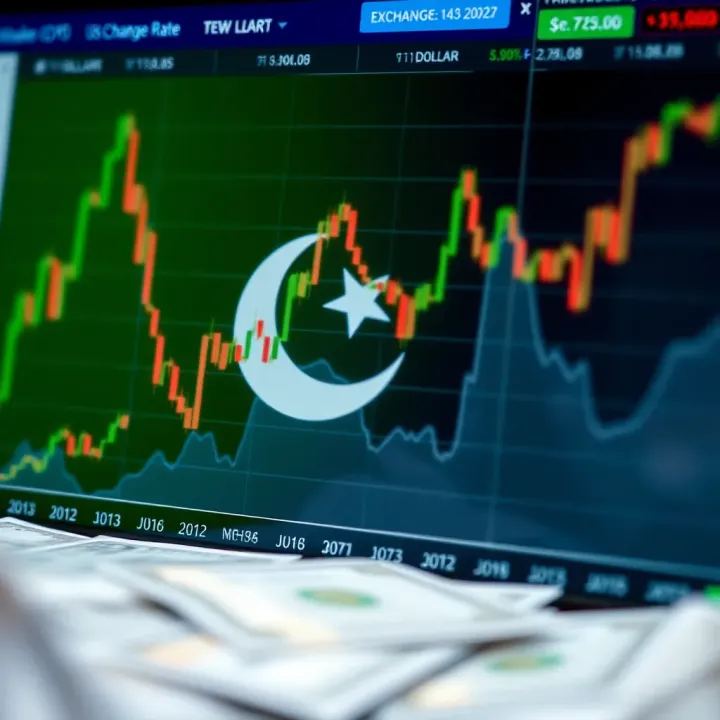
📉 Analyze if the US dollar rate will rise in Pakistan next week by examining economic trends, government policies, global markets, and currency demand.
Based on 6 reviews