

Understanding ?????? ???? and Its Effects
Explore the origins, cultural impact, and real-life effects of ?????? ???? to gain a deeper understanding of how it shapes our world 🌍📚.
Edited By
Charlotte Evans
Gold has long stood as a trusted asset in Pakistan, especially during times of economic uncertainty. Many investors turn to it not just for preserving wealth but also for making profits. However, gold trading isn't simply about buying and selling the metal; understanding the market's subtle cues—known as gold signals—is what can make a real difference in investment success.
Gold signals are indicators that hint at future price movements. These signals can come from various sources, including market price patterns, global economic events, Pakistan's own economic shifts, and even currency fluctuations like the PKR against the US dollar. For instance, a sustained rise in the dollar can often put downward pressure on gold prices locally, making timely interpretation of such signals crucial.
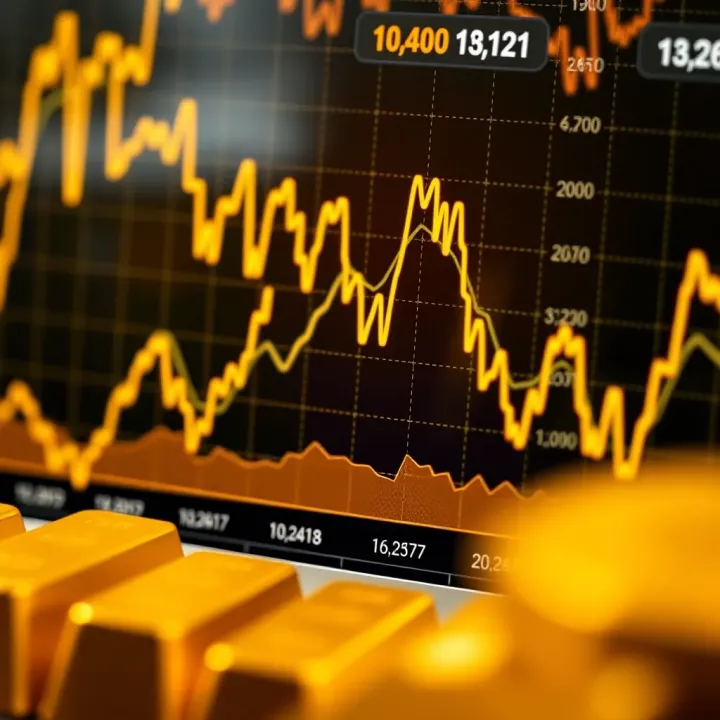
Investors and traders in Pakistan rely on these signals to decide the right time to buy or sell. Ignoring them can lead to missed opportunities or significant losses, especially in a market affected by factors like geopolitical tensions, inflation rates announced by the State Bank of Pakistan (SBP), or changes in import duties governed by the Federal Board of Revenue (FBR). For example, when the SBP adjusts its policy rate, it often creates ripple effects in the gold market that traders watch closely.
Understanding gold signals allows you to navigate the trickeries of gold prices, helping you make decisions that align better with market realities.
To read these signals effectively, one needs to look beyond simple price charts. Combining technical indicators with knowledge of Pakistan’s economic conditions offers a more solid base. Also, considering global trends such as shifts in crude oil prices or US stock market movements adds another layer of insight.
In summary, gold signals serve as a roadmap for investors who want to manage risks and optimise returns in Pakistan’s dynamic gold market. The rest of this article will explore the types of gold signals, their interpretation, and practical strategies suited for Pakistani investors.
Gold signals act as early warnings or confirmations that help investors decide when to buy or sell gold. They are essentially indicators drawn from market data, economic news, or technical charts. For example, a sudden drop in the Pakistani rupee exchange rate might signal a rise in local gold prices, prompting investors to consider buying. Understanding these signals can improve timing and reduce guesswork in gold trading.
Gold signals refer to patterns, indicators, or data points that suggest potential movements in gold prices. They serve as guides for investors to anticipate trends rather than react when it’s too late. These signals come from technical tools, like moving averages, or from fundamental factors, such as global economic shifts or geopolitical events. Their main purpose is to provide actionable information that reduces the uncertainty inherent in investing in a volatile market.
Traders use gold signals to shape their strategies by identifying the right moment to enter or exit the market. For instance, if a technical indicator suggests an uptrend, a trader might increase their gold holdings. Conversely, signals warning of a price drop would encourage selling or holding off on purchases. In Pakistan, factors like festival demand or customs duties changes also act as signals impacting decisions. Relying on these signals helps investors avoid emotional trading and base their moves on evidence.
"Interpreting gold signals correctly can be the difference between securing profits and suffering avoidable losses."
In practice, gold signals are combined with market knowledge and risk management to make balanced decisions, especially in Pakistan's unique economic context where rupee fluctuations and import regulations affect gold pricing significantly.
Understanding the common types of gold signals is key for investors and traders, especially in volatile markets like Pakistan's. These signals fall into two main categories: technical indicators and fundamental factors. Technical indicators help identify price trends and timing, while fundamental factors explain the broader economic or political reasons behind price movements. Together, they give a clearer picture of what might come next for gold prices.
Moving Averages track the average price of gold over a specific period to smooth out daily fluctuations. For example, the 50-day moving average shows the average price over the last 50 days. When the current gold price crosses above this average, it often signals bullish momentum, encouraging buying. Conversely, crossing below may warn of declining prices. Pakistani traders often watch the 50-day and 200-day moving averages to gauge medium- and long-term trends.
Relative Strength Index (RSI) measures how fast gold prices have risen or fallen recently, indicating whether the asset is overbought or oversold. An RSI above 70 suggests gold might be overbought, possibly due for a price fall, while below 30 indicates oversold conditions that might attract buyers. For instance, during intense festival seasons in Pakistan, demand bumps might push RSI levels higher, signalling caution to investors.
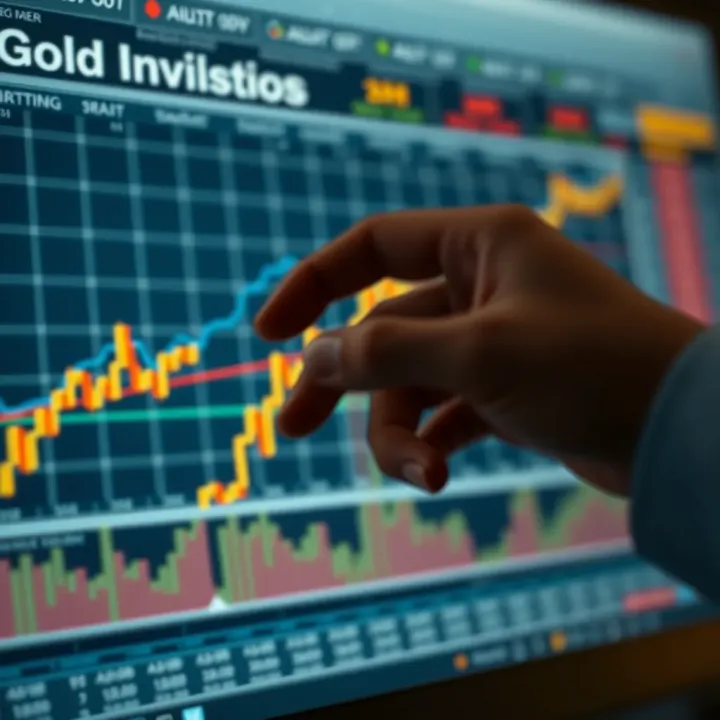
MACD (Moving Average Convergence Divergence) combines two moving averages to show shifts in trend strength and direction. When the MACD line crosses above the signal line, it hints at upward momentum; crossing below indicates the opposite. This tool is handy when paired with moving averages and RSI to confirm buy or sell signals, reducing false alarms in the frequent price swings of gold.
Global Economic Conditions hugely impact gold prices. In times of slow economic growth or recession fears, gold acts as a safe haven, driving prices up. For example, during global downturns like the 2008 financial crisis, gold prices surged. Pakistani investors keen on macroeconomic signals from the IMF or World Bank reports can anticipate such shifts.
Currency Fluctuations affect the local cost of gold in Pakistan. Since gold trades internationally in US dollars, a weak Pakistani Rupee (PKR) makes gold more expensive locally. If PKR falls against USD, Pakistani buyers need more rupees for the same amount of gold, often pushing demand down or causing price jumps. Traders watching PKR/USD exchange rates can time their purchases or sales better.
Geopolitical Tensions create uncertainty which usually pushes gold prices up. Conflicts in the Middle East or tensions between major powers cause traders worldwide to flock to gold. In Pakistan, such tensions can be closely watched by investors as spikes in gold prices often reflect wider regional instability.
Knowing these signals allows you to make more informed, timely decisions in the gold market rather than relying on guesswork or rumours.
By combining technical tools like moving averages, RSI, and MACD with awareness of world events, currency movements, and economic health, Pakistani traders can navigate gold investments with greater confidence and precision.
Understanding how to read and interpret gold signals is essential for investors aiming to make informed decisions in the gold market. Without a proper grasp of these signals, traders risk misreading market trends, potentially leading to losses or missed opportunities. Gold signals offer clues about possible price movements, but interpreting them correctly enhances their value in guiding buy or sell actions.
Bullish signals suggest that gold prices are likely to rise, signalling a good time for investors to buy or hold. For instance, when the moving average crosses from below to above the price, it often indicates upward momentum. Another example is a Relative Strength Index (RSI) reading below 30, which may signal that gold is oversold and poised for a rebound. Conversely, bearish signals point to a possible price decline. This might occur when the RSI moves above 70, showing overbought conditions, or when the moving average crosses from above to below the price. Recognising these signs helps traders anticipate market shifts rather than react too late.
Relying on a single indicator can be misleading, as gold prices are influenced by various factors simultaneously. Combining several signals – such as moving averages, RSI, and MACD (Moving Average Convergence Divergence) – improves accuracy in forecasting price trends. For example, a trader might wait for a moving average crossover supported by a MACD bullish crossover and a rising RSI below 70 before making a buy decision. This layered approach reduces false alarms and strengthens the confidence in the signal.
Another useful tactic is to cross-reference technical signals with fundamental data, like changes in the Pakistani Rupee exchange rate or geopolitical tensions affecting global gold markets. These combined insights provide a fuller picture.
Interpreting gold signals correctly isn't about following one sign blindly but understanding the story different signals tell together. This approach significantly lowers risk and can enhance profit potential.
In Pakistan especially, where gold prices are sensitive to local economic shifts and festival demand spikes, combining signals helps investors navigate complexities with more precision. Knowing when to buy or sell based on a careful reading of multiple indicators is key to a successful gold trading strategy.
Gold signals provide valuable clues for investors, but using them wisely in Pakistan requires understanding the local market dynamics. Global trends matter, but factors like the Pakistani rupee's strength, duties on imports, and seasonal demand during festivals shape gold's price here. Navigating these alongside gold signals sharpens investment decisions and helps avoid common pitfalls.
Pakistani Rupee Exchange Rate
The value of the Pakistani rupee against the US dollar has a direct impact on gold prices. Since gold is priced internationally in dollars, a weak rupee raises the local cost. For example, when the rupee slips from Rs 200 to Rs 220 against the dollar, gold imports cost more Pakistani rupees, pushing local gold prices higher. Traders should track rupee movements alongside gold signals to see whether price changes come from currency fluctuations or global gold shifts.
Import Policies and Duties
Import regulations and customs duties significantly influence gold's local price. Pakistan levies customs duties on gold imports, and any increase, such as during times of trade imbalance or revenue needs, immediately spikes gold prices. For instance, a 10% rise in import duty can add thousands of rupees per tola to the price. Investors must watch government announcements on import duties and policies, pairing this information with technical gold signals to anticipate market moves accurately.
Demand During Festivals and Weddings
Cultural events like Eid, Diwali, and especially the wedding season drive gold demand sharply upward in Pakistan. During these times, buying typically surges, often independent of global trends. This demand spike can create short-term price rallies or sustain bullish signals longer than usual. Investors should factor in the time of year, knowing that festivals can intensify gold's upward momentum even if technical indicators suggest otherwise.
Where to Find Reliable Gold Signals
In Pakistan, reliable gold signals come from a mix of international financial news, local market analysis, and expert commentary. Platforms like Pakistan Stock Exchange market reports, business TV channels, and financial newspapers offer updated gold price trends. Additionally, smartphone apps from banks and commodity brokers provide technical indicators in real time. Checking multiple sources helps confirm signals and reduces the risk of following misleading tips.
Integrating Gold Signals with Other Market Insights
Relying on gold signals alone can be risky. Combining them with broader market information—like forex trends, political developments, and trade policy news—helps create a fuller picture. For example, if gold charts show a bullish signal but the rupee is strengthening and import duties are rising, prices might react unpredictably. Successful investors weigh gold signals as part of a holistic approach, blending technical, fundamental, and local insight before making buying or selling decisions.
In Pakistan's gold market, effective use of signals hinges on understanding the currency, policy, and cultural demand factors shaping local prices. This layered approach helps investors stay ahead.
Gold signals provide useful clues for traders and investors to make decisions, but they come with important limitations. Understanding these boundaries helps avoid over-reliance and significant losses. Managing risk alongside these signals is critical to safeguard capital and navigate volatile markets effectively.
A major pitfall is mistaking signals for certainties. For example, technical indicators like moving averages or RSI can generate false positives during sideways or choppy markets, leading to premature buys or sells. Traders often jump into positions based on a single signal without confirming the trend, resulting in losses.
Another issue lies in ignoring the broader economic or geopolitical context. A bullish technical signal on gold may fail if, say, the Pakistani rupee suddenly strengthens due to central bank intervention, which tends to put downward pressure on local gold prices.
Timing problems also occur. Signals might lag actual price movements. If a trader waits for too many confirmations, they might miss the best entry point, while chasing signals too quickly can cause whipsaw losses.
Lastly, emotional trading is a common trap. Traders might stuck with losing positions too long, hoping signals will turn favourable, or exit too early out of fear, missing out on eventual profits.
Relying solely on gold signals, without understanding their limitations and market context, often leads to avoidable errors that can damage portfolios.
Risk management should be woven through every trade, not an afterthought. Setting strict stop-loss orders based on price levels or volatility helps limit downside. For instance, if gold falls 2% below your entry, an automatic exit can prevent larger losses.
Diversification remains important even in gold trading. Don’t put all capital into one form of gold exposure; consider physical gold, ETFs, and derivatives selectively to spread risk.
Combining signals reduces false alarms. For example, wait for confirmation from both technical indicators and fundamental cues, such as rupee trends or geopolitical news related to Pakistan or global markets.
Keep position sizes reasonable relative to overall portfolio risk. Avoid over-leveraging, especially in futures or margin trades, which magnify both gains and losses.
Continuously review your strategy with recent market behaviour. If gold signals become less reliable in certain conditions, adjust your approach accordingly.
In the Pakistani context, also factor in import duty changes, seasonal demand spikes during weddings or Eid, and regulatory shifts, as these can quickly influence price dynamics beyond classical signals.
Risk management combined with smart interpretation of gold signals equips traders and investors to face the unpredictable nature of gold markets with confidence and discipline.
Explore the origins, cultural impact, and real-life effects of ?????? ???? to gain a deeper understanding of how it shapes our world 🌍📚.
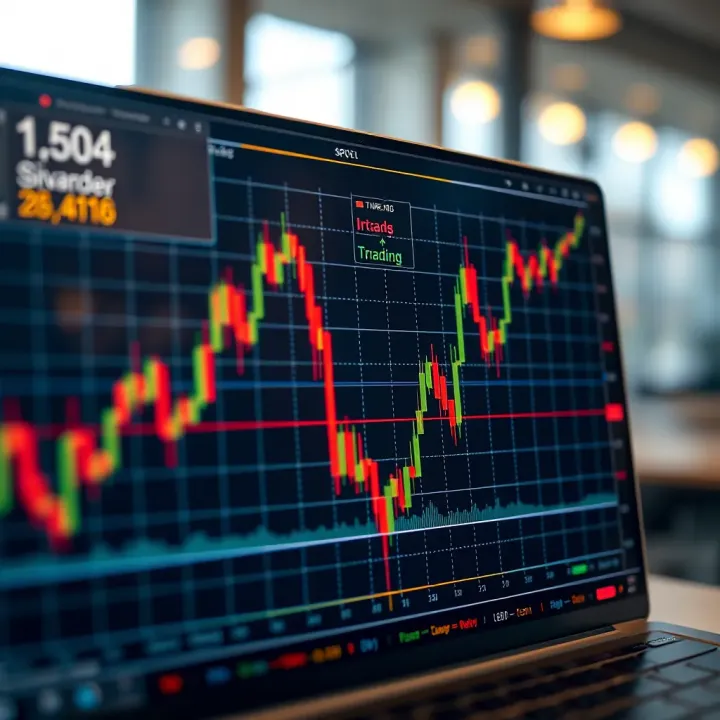
📈 Learn how trading signals guide smart decisions, explore types, analysis methods, sources & risks to boost your trading strategy confidently in Pakistan.
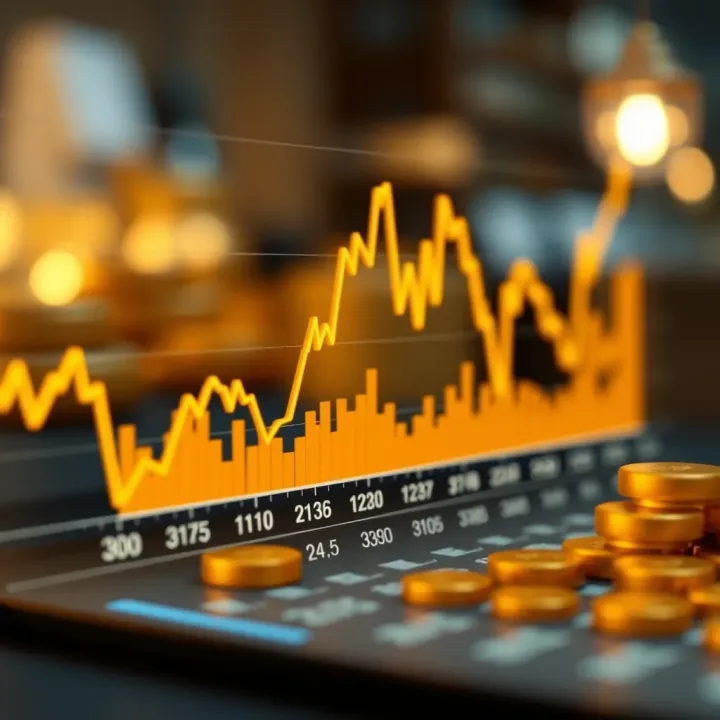
💰Understand the 30 rates of gold in Pakistan and their impact on buying and selling. Get clear insights & tips to navigate gold market confidently!📊

Explore XAUUSD price patterns 📉, key market drivers, and smart strategies for trading gold priced in USD. Stay ahead with insights tailored for savvy investors in Pakistan! 💰
Based on 7 reviews