

Is Trading Halal or Haram? An Islamic Perspective
Is trading halal or haram? 🤔 Explore Islamic views on trading, key principles, scholar opinions, and practical tips for ethical trading in Pakistan.
Edited By
Sophie Middleton
Pepe Coin is one of the newer cryptocurrencies gaining attention in markets worldwide, but its rise has sparked debate—especially among Muslim investors in Pakistan—over whether it aligns with Islamic financial principles. Unlike traditional currencies, Pepe Coin operates on a decentralised blockchain network, allowing users to trade without a central authority. However, its volatile nature and speculative trading have raised questions about its permissibility under Shariah law.
Islamic finance sets clear rules on investments, emphasising fairness, transparency, and avoidance of interest (riba), uncertainty (gharar), and gambling (maysir). Digital assets like Pepe Coin challenge conventional definitions, so understanding their status requires examining their characteristics closely.
Muslim investors should consider if Pepe Coin involves excessive risk or speculative behaviour, as these are red flags in Islamic finance. Trading purely based on price fluctuations without underlying asset value often falls into forbidden territory.
Several factors influence the halal or haram determination:
Nature of the asset: Is Pepe Coin backed by tangible value or merely driven by hype?
Purpose of investment: Is it for utilitarian use, or just speculative profit?
Market practices: Are trades conducted fairly without deception or manipulation?
Pakistani traders often face the dilemma of balancing modern financial opportunities with religious obligations. This discussion is vital to help them make informed choices without compromising ethical standards. Next, we will explore the core principles of Islamic finance related to cryptocurrencies and assess Pepe Coin's fit within this framework.
Understanding Pepe Coin is necessary when discussing its place in Islamic finance. Without grasping what Pepe Coin is, how it works, and why it has sparked investor enthusiasm, it's difficult to assess whether it fits within halal investment practices.
Pepe Coin emerged around mid-2021 as part of the memecoin wave following Dogecoin's success. Named after Pepe the Frog, a popular internet meme, it is a digital token created largely for entertainment and speculative trading rather than solving a specific problem. Its brief but rapid rise in popularity captures the nature of many memecoins, which often thrive on online communities and viral hype instead of fundamental financial value.
Pepe Coin runs on Ethereum’s blockchain, utilising the ERC-20 token standard. This means its ownership and transactions are recorded on a decentralised ledger, which prevents tampering and central control. However, Pepe Coin itself does not have unique blockchain features like smart contract capabilities designed for specific use_cases; instead, it leverages existing Ethereum infrastructure mainly for trading and holding purposes.
Use cases for Pepe Coin remain mostly speculative and social. It does not serve as a payment system or offer tangible utility beyond community trading and digital wallet holding. The user community, largely made up of younger traders, relies heavily on social media platforms like Twitter, Reddit, and Discord to share news and hype. This dynamic contributes to short_term price spikes but leaves the token vulnerable to rapid crashes.
Memecoins like Pepe Coin often attract investors due to their fun image and viral marketing rather than technical strengths. Social media influencers and trending posts can drive demand overnight, creating a bandwagon effect. In Pakistan, this trend is visible among young investors eager to explore crypto hype, sometimes without thorough financial understanding.
The high volatility of Pepe Coin makes it attractive for speculators aiming for quick profit from sharp price movements. However, this same volatility increases investment risk dramatically, which investors must consider carefully in light of Islamic finance principles around uncertainty and gambling.
Pepe Coin mirrors a global phenomenon where speculative cryptocurrencies gain traction despite regulatory uncertainties. In Pakistan, growing internet access and crypto awareness encourage some traders to seek out such tokens for both investment and peer engagement reasons. Yet the lack of official regulation and clear religious guidance on such assets raises questions about their suitability for Muslim investors.
Understanding these factors provides a clearer picture for Muslim investors in Pakistan to judge Pepe Coin's compatibility with Islamic financial ethics and regulations. Knowing its origins, operation, and popularity helps lay a foundation for deeper analysis in subsequent sections.
Understanding Islamic finance principles is key when evaluating whether a cryptocurrency like Pepe Coin aligns with Shariah law. Islamic finance centres on ethical investment, fairness, and prohibition of certain practices such as interest (riba) and excessive uncertainty (gharar). These concepts determine if financial activities are halal (permissible) or haram (forbidden).
Halal financial activities follow Islamic law, promoting fairness, transparency, and social justice. For instance, investing in a business that produces lawful goods is halal. Haram activities include dealings with prohibited goods like alcohol or gambling. In finance, transactions involving deception or exploitation fall into this forbidden category.
Riba, or interest, is firmly prohibited because it leads to unjust gains and exploitation. This prohibition affects how loans, savings, and investments are structured. For example, earning guaranteed interest from a conventional bank account is considered riba and thus haram. Instead, Islamic finance encourages profit-sharing or fee-based arrangements, ensuring both parties share risk and reward.
Risk-sharing is a cornerstone of Islamic finance, contrasting with fixed-interest models. Ethical trading emphasises transparency, honesty, and avoiding speculation. For example, in a mudarabah contract, one party provides capital while the other manages the investment, sharing profits and losses. This promotes fairness and discourages gambling-like activities, aligning with Shariah objectives.
Islamic scholars debate the status of cryptocurrencies as money or assets. Traditional currency serves as a stable exchange medium and store of value. Many question if digital currencies like Pepe Coin fulfil these roles sufficiently to be considered legitimate money. The lack of physical or government backing complicates their acceptance.
Applying Shariah to cryptocurrencies faces challenges, such as volatility, transparency issues, and lack of regulatory clarity. For instance, sudden price swings make it hard to assess fair value. Moreover, some cryptocurrencies are linked with high speculation or potential for misuse, which raises concerns under Islamic ethics.
Some digital assets have gained scholarly approval when they serve real economic functions, offer transparency, and avoid prohibited elements. For example, tokens backed by tangible assets or those designed following Islamic finance principles often receive positive views. Conversely, coins primarily used for speculative trading without clear utility, like many memecoins, may be regarded with caution or rejected.
The key lies in examining each cryptocurrency’s underlying features, transaction mechanisms, and market behaviour to determine its alignment with halal investing standards.
This framework helps Pakistani investors and traders assess digital currencies prudently, balancing innovation with adherence to Islamic finance ethics.
Understanding whether Pepe Coin aligns with Islamic law is essential for Muslim investors who want to ensure their financial activities remain halal. This section breaks down key elements like the involvement of riba (interest), gambling, and the coin’s intrinsic value. Such analysis helps investors make informed decisions that respect Islamic ethical standards, avoiding financial practices prohibited in Shariah.
Pepe Coin, like many memecoins, experiences wide price swings driven mainly by market speculation rather than underlying business performance. This speculative behaviour resembles gambling, where profits depend largely on chance and timing rather than tangible efforts or assets. From an Islamic perspective, gambling (maysir) is forbidden because it involves uncertainty and unjust gain, creating risks similar to betting on unpredictable outcomes.
This speculative characteristic makes Pepe Coin’s trading somewhat close to gambling, putting its permissibility in question. Investors should consider if their involvement in such speculation aligns with their religious values, as consistent reliance on price fluctuations may conflict with Islamic finance principles.
Another concern is whether Pepe Coin’s transactions involve riba (interest), which Islam strictly prohibits. While the cryptocurrency itself does not inherently carry interest, risks emerge if trading occurs through platforms offering leveraged positions or margin trading with interest charges.
In Pakistan, some exchanges might offer such facilities, meaning an investor ends up paying or receiving interest unknowingly. Therefore, knowing the platform’s terms and avoiding transactions involving interest is crucial to keep investments halal.
Pepe Coin transactions typically occur on decentralized exchanges or peer-to-peer platforms. These transactions don’t generate interest by design but may involve high transaction fees or rely on quick buy-sell cycles driving excessive speculation.
From a Shariah compliance angle, these mechanisms lack clear prohibitions but raise concerns about fairness and excessive uncertainty (gharar). Understanding these transaction details helps investors avoid practices conflicting with Islamic finance ethics.
Pepe Coin lacks backing by physical assets or fiat currency reserves. This absence means it holds value primarily through demand, market sentiment, and community interest rather than intrinsic worth, which is problematic in Islamic finance that prefers tangible backing for financial instruments.
Without asset backing, its value becomes highly volatile and speculative, making it less stable and reliable as an investment compared to traditional halal assets like gold or real estate.
Unlike cryptocurrencies designed for specific blockchain solutions, Pepe Coin offers limited utility beyond being a tradeable token or speculative asset. It has no widespread use in payments, contracts, or decentralised applications that benefit real economic activities.
This minimal utility further complicates its standing in Islamic finance, where cryptocurrencies with clear use cases—such as facilitating transparent, ethical transactions—have a stronger case for permissibility.
Cryptocurrencies like Bitcoin and certain stablecoins often gain acceptance due to broader adoption and underlying utility. Some Islamic scholars also consider minted tokens supported by physical assets or decentralised finance platforms offering profit-sharing models as compliant.
Compared to these, Pepe Coin trails behind in terms of backing and utility, making it harder to categorise it as halal without reservations.
Evaluating the compliance of Pepe Coin with Islamic law requires careful examination of its speculative nature, absence of interest in transactions, lack of tangible backing, and limited utility. This assessment guides Muslim investors seeking to keep their financial dealings within Shariah boundaries.
Islamic scholars play a key role in guiding Muslim investors on whether cryptocurrencies like Pepe Coin align with Shariah law. Their opinions matter because these rulings help clarify complex issues around speculative assets, ensuring investments comply with Islamic ethics. This section explores recent fatwas, scholar debates, and advice that readers—especially Pakistani investors—should consider before investing.
Various Islamic scholars in Pakistan and abroad have issued fatwas addressing cryptocurrencies. In Pakistan, some clerics view coins like Pepe Coin cautiously because of their speculative nature and lack of tangible backing. Internationally, scholars are divided, with some permitting use if the asset avoids interest (riba) and gambling (maisir). These rulings matter since they provide a religious framework for Muslims navigating new financial tools amid lacking government regulation.
Interpretations vary significantly. While some scholars reject Pepe Coin outright due to its memecoin status and high volatility, others argue it could be permissible if used responsibly and without speculation. For example, the European Shariah scholars generally demand clear utility and asset backing, which Pepe Coin lacks — thus they lean towards scepticism. This diversity means Pakistani investors must understand local scholarly opinions alongside global views to make informed decisions.
Scholars usually judge cryptocurrencies based on three main criteria:
Absence of riba: The asset and its trading mechanisms must not involve interest.
Avoidance of maisir (gambling): Investments should not resemble gambling or excessive uncertainty.
Tangible utility or backing: Coins should provide real-world use or be backed by assets.
Pepe Coin struggles with these tests, mainly due to its volatile sentiment-driven price and limited utility, causing many scholars to consider it haram or at least doubtful.
Islamic scholars emphasise strong due diligence before investing in cryptocurrencies like Pepe Coin. This includes understanding the market risks, the coin’s structure, and possible exposure to prohibited elements. Risk awareness is crucial since cryptocurrencies can fluctuate wildly, potentially leading to losses or engagement in gambling-like speculation.
Seeking advice from local religious authorities remains important. Pakistan’s diverse scholarly landscape means interpretations can differ by region and council. Personal consultation ensures investors align investment choices with their own beliefs and avoid unintentional haram activities. This step also helps bridge gaps between modern financial products and traditional Islamic teachings.
Best practices to maintain Shariah compliance include:
Investing only what you can afford to lose without financial hardship.
Avoiding highly speculative coins without clear utility.
Preferring digital assets with scholarly endorsement or those designed for Islamic finance.
Given the evolving nature of cryptocurrencies, continued learning and cautious investment are vital for keeping financial dealings halal.
By following scholars’ guidance and applying these cautious approaches, Muslim investors can better protect their wealth while respecting Islamic ethics in an uncertain market.
For Pakistani investors, understanding practical aspects before investing in Pepe Coin is vital. This includes managing market volatility, grasping regulatory requirements, and recognising financial risks. These elements shape whether investing aligns with Islamic finance principles and helps maintain financial security in Pakistan’s evolving crypto ecosystem.
Pepe Coin, like many cryptocurrencies, experiences sharp price fluctuations. These swings often happen daily, driven by social media hype, global market sentiment, and sudden news. For instance, a surge in attention on platforms like Twitter or Telegram can cause Pepe Coin’s value to spike, followed by swift corrections. This unpredictability makes it tough to forecast long-term gains.
The volatile nature impacts Islamic investment principles, particularly the emphasis on avoiding excessive uncertainty (gharar). High volatility is often viewed as risky gambling rather than ethical investment. Since Islamic finance promotes fair trading without speculative excess, the wild swings of Pepe Coin can conflict with these values, raising concerns for investors keen on Shariah-compliant choices.
To manage these risks, investors should diversify portfolios and set clear stop-loss limits. Using established trading platforms like Binance or local exchanges authorised by Pakistan’s Securities and Exchange Commission (SECP) can provide some regulatory safeguards. Additionally, avoiding investing money needed for essentials or debt payments helps maintain safe financial footing.
Pakistan's government and financial regulators currently adopt a cautious approach to cryptocurrencies. The State Bank of Pakistan (SBP) has not officially recognised cryptocurrencies as legal tender but allows limited trading under strict conditions. This ambiguity creates challenges for both investors and businesses wanting to engage with Pepe Coin.
For legal trading, Pakistani investors must use SECP-registered platforms and adhere to Anti-Money Laundering (AML) and Know Your Customer (KYC) rules. Taxation policies demand that profits from crypto trading be declared and taxed under capital gains regulations, although enforcement is still developing. Failure to comply can lead to penalties or legal issues, so staying informed and transparent is crucial.
Regulation also influences the halal or haram status indirectly. If trading Pepe Coin involves unlawful practices or evades taxation, it leans towards haram activity. Conversely, transparent and compliant trading aligns more with Islamic ethics. Moreover, the uncertainty in legal status adds to the hesitation among Islamic scholars regarding full permissibility.
Pakistani investors should weigh these practical considerations carefully, combining market understanding with compliance efforts to make informed, ethical decisions about Pepe Coin investment.
By approaching Pepe Coin with awareness of its risks and Pakistan’s regulatory framework, investors can better navigate this complex financial landscape while respecting Islamic finance principles.
For Muslim investors concerned about the halal or haram status of Pepe Coin, exploring alternative investments that comply with Shariah principles offers a safer and ethically sound path. These alternatives provide options that minimise exposure to speculative risks and riba (interest), which are often problematic in cryptocurrencies like Pepe Coin. Focusing on Shariah-compliant assets also aligns with the goal of ethical wealth growth under Islamic law.
Some cryptocurrencies have been specifically developed to adhere to Islamic finance rules. These digital tokens often avoid interest-based mechanisms and promote transparency in transactions. For example, OneGram is a popular Shariah-compliant coin backed by physical gold, providing intrinsic value rather than pure speculation. Similarly, X8 Currency links digital tokens to a basket of stable assets, reducing volatility and aligning with Islamic concepts of risk-sharing.
Shariah-compliant tokens follow certain features that make them acceptable within Islamic finance. They avoid riba by steering clear of interest, gambling, or uncertainty (gharar) in transactions. They also focus on tangible backing, clear governance, and ethical usage. This makes the cryptocurrency not just a means of speculation, but a vehicle for stable wealth preservation and growth. These features address major concerns about volatile memecoins like Pepe Coin.
In Pakistan, access to Shariah-compliant cryptocurrencies is still limited but growing. Platforms like BitOasis and Rain have started supporting Islamic finance tokens, though mainstream exchanges in Pakistan are yet to fully embrace them. Investors interested in halal crypto should research availability and confirm adherence to Shariah standards before committing funds.
Beyond cryptocurrencies, many investors turn to established Islamic finance instruments. Islamic stocks, sukuk (Islamic bonds), and mutual funds operate without interest and comply with Shariah screening criteria. For instance, companies involved in alcohol, gambling, or conventional banking are excluded from such portfolios. In Pakistan, investors can find Shariah-compliant equity and sukuk options through institutions like Meezan Bank and the Pakistan Stock Exchange (PSX).
Real estate and gold remain popular, stable assets within Islamic investing. Property ownership is tangible and avoids speculative risk, while gold serves as a trusted store of value during economic uncertainty. These assets have sentimental and financial importance for Pakistani investors seeking to protect wealth from volatility and inflation.
Financial institutions offering Islamic investment products are another important resource. Banks such as Meezan Bank, BankIslami, and Al Baraka provide dedicated Shariah-compliant accounts, savings plans, and investment funds. These products undergo strict Islamic board scrutiny, ensuring compliance with religious principles. Using such institutional avenues can simplify halal investing while providing regulatory safeguards.
Choosing alternatives that fit within Islamic finance helps Pakistani investors avoid ethical dilemmas and uncertain risks common in memecoins like Pepe Coin. It also supports sustainable financial growth respecting religious obligations.
Navigating investments in cryptocurrencies like Pepe Coin demands careful consideration of both financial goals and religious principles. For Muslim investors, especially in Pakistan, understanding this balance helps avoid conflicts between profit motives and Shariah compliance. This section highlights key concerns and practical steps before engaging with Pepe Coin.
Ignoring Islamic guidelines when investing in Pepe Coin can lead to unintended involvement in prohibited activities such as gambling or riba (interest). For example, the high volatility and speculative nature of such memecoins resemble gambling, which Islam forbids. Falling trap to impulsive trading without considering these factors risks both financial loss and spiritual consequences.
Ethical financial behaviour is crucial. Islam promotes transparency, fairness, and avoidance of deception in trade. Pepe Coin’s largely speculative market lacks intrinsic asset backing, making it hard to justify as an ethical investment. Investors should critically assess whether their participation encourages fairness or merely drives speculative bubbles benefiting a few insiders.
Personal responsibility is key. Continuous learning about both market dynamics and Islamic rulings helps investors make informed decisions. Engaging with credible sources, staying updated on changes in crypto regulations in Pakistan, and reflecting on one’s intentions ensure alignment with ethical norms beyond just profit.
Seeking advice from qualified Islamic scholars familiar with modern finance and cryptocurrencies is vital. They can provide context-specific guidance on Shariah compliance, reducing the chance of unintentional violation. For instance, scholars in Pakistan have differing views on cryptocurrencies, so personalised counsel helps clarify doubts.
Conduct thorough market research. Understand Pepe Coin’s technology, market trends, and community reputation before investing. This helps identify risks beyond religious concerns, such as price manipulation or lack of liquidity. Awareness equips investors to avoid impulsive actions driven by hype or social media influence.
Consider your financial situation and risk tolerance carefully. Pepe Coin’s extreme volatility means you could face significant losses, which may harm your ability to meet essential expenses or support dependents. Only invest surplus funds you can afford to lose. This approach respects Islamic prudence emphasizing protection of wealth and avoidance of harm.
Before committing to Pepe Coin or similar cryptocurrencies, weigh your intentions, conduct due diligence, and consult knowledgeable scholars. Financial gain should never overshadow adherence to Islamic ethical standards.
By following these guidelines, Pakistani investors can approach Pepe Coin thoughtfully, balancing profit with their religious responsibilities in a transparent and informed manner.
Is trading halal or haram? 🤔 Explore Islamic views on trading, key principles, scholar opinions, and practical tips for ethical trading in Pakistan.
Is using Quotex halal or haram? 🕌 This article discusses Islamic finance rules, scholar opinions, and practical points to guide Pakistanis on safe trading choices.

Is binary trading halal? Learn how it fits Shariah law, Islamic finance rules, and Pakistan's investing norms. Understand risks like gharar, riba, and speculation 📈📿
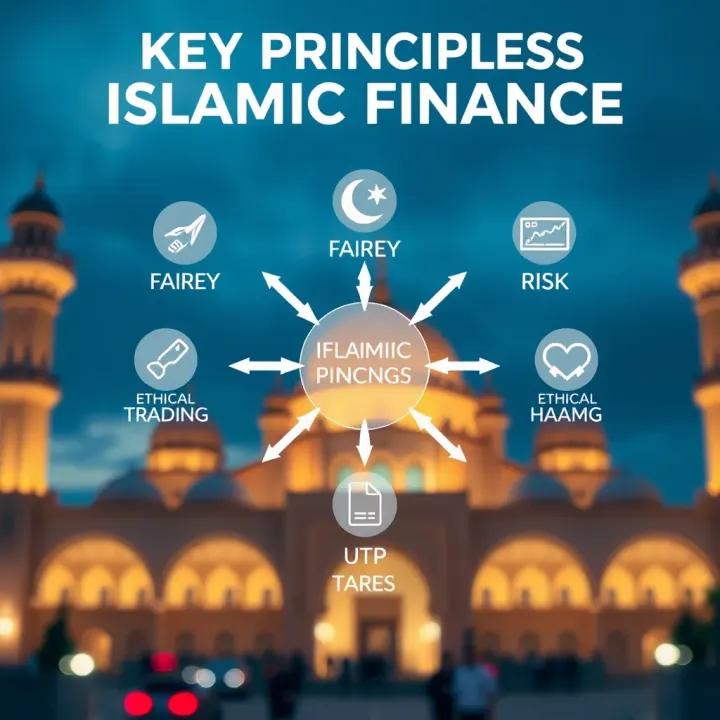
Is trading on Quotex halal or haram? 📉 Explore Islamic finance rules, risk factors, and fatwas to help Pakistani traders decide wisely in Shariah-compliant markets.
Based on 12 reviews