

Is Trading Halal or Haram? An Islamic Perspective
Is trading halal or haram? 🤔 Explore Islamic views on trading, key principles, scholar opinions, and practical tips for ethical trading in Pakistan.
Edited By
Edward Hughes
Binary trading, a form of financial speculation where traders bet on the rise or fall of an asset within a fixed time, has grown popular among investors worldwide. In Pakistan, where Islamic finance principles guide many investment choices, the question arises: is binary trading halal?
Islamic finance avoids transactions involving riba (interest), excessive gharar (uncertainty), and gambling-like speculation. Binary trading's fixed payoff and rapid, all-or-nothing outcomes often resemble gambling, which Islam prohibits. Still, the topic calls for a nuanced look grounded in Shariah compliance.

To assess binary trading’s permissibility, one must consider several factors:
Nature of the contract: Does the trading contract involve real asset ownership or is it purely speculative?
Presence of gharar: Is uncertainty or ambiguity excessive in this form of trading?
Risk and gambling: Does binary trading amount to gambling (maysir) due to its all-or-nothing structure?
Interest components: Are there elements of interest or unfair earnings involved?
In essence, Islamic law requires trade to be based on clear, just contracts and real economic activity. Many scholars argue that binary options fail these tests because they are contracts on imagined outcomes, not ownership or investment in actual assets.
For Pakistani investors interested in Islamic finance, understanding these aspects is critical before engaging in binary trading. Additionally, adherence to principles protects from financial risks and ethical conflicts.
This article will explore these points carefully, helping you understand if binary trading aligns with Islamic values and Pakistani investing norms. Understanding these will bring clarity amid mixed opinions and growing interest in such trading methods.
To decide if binary trading aligns with Islamic principles, Pakistani investors first need a clear understanding of what it involves. Binary trading is quite different from traditional trading, as it simplifies decisions to a “yes” or “no” outcome, which makes knowing its mechanics essential before weighing its risks and Shariah compliance.
Binary trading is a financial contract where a trader predicts whether an asset's price will go up or down within a specific time frame. Instead of buying the asset itself, you essentially bet on the price direction. If your prediction is correct, you earn a fixed return; if not, you lose your investment. For example, suppose you expect the share price of Pakistan State Oil to rise by 3 pm. If it does, you get a pre-agreed profit; otherwise, you lose the stake.
This straightforward "all or nothing" setup means the trade’s risk and reward are fixed from the start—making it accessible but also quite high-stakes. Understanding this binary nature is vital because it affects how the trade fits with Islamic rules on speculation and gambling.
Several platforms offer binary trading accessible to Pakistani users, such as IQ Option, Binomo, and Olymp Trade. These platforms provide user-friendly apps and websites where investors can trade binary options on local stocks, global currencies, commodities, and indices.
For Pakistani investors, selecting a reliable platform is critical to avoid scams and ensure transparency, given the lack of full local regulation for binary trading. Many traders prefer platforms that accept payments via JazzCash, Easypaisa, or local debit cards, which makes deposits and withdrawals convenient within Pakistan’s financial ecosystem.
Binary trading is intensely speculative. Your success depends largely on predicting short-term price movements, which can be affected by unpredictable factors like political shifts, policy changes, or sudden market news. This high level of uncertainty can quickly turn profitable trades into losses.
For instance, a sudden announcement by the State Bank of Pakistan on interest rates might cause currency values to swing unexpectedly within minutes, impacting the outcome of a binary trade. This speculative aspect is important when analysing how it aligns with Islamic finance principles around uncertainty (gharar) and risk.
One of the reasons binary trading attracts investors is the chance to make quick earnings. With trades often lasting just minutes or hours, profits can come fast compared to traditional investing. However, the flip side is equally true: losses can also happen quickly, sometimes wiping out the entire investment in seconds.
A common example is trading on WTI crude oil prices, which can fluctuate rapidly during global events. A Pakistani investor betting on a rise may earn a 70% return if correct, but if wrong, they lose all the money put in that trade. This high-risk, high-reward profile warns investors to be cautious and properly assess their risk appetite before engaging.
Binary trading offers simplicity and speed but carries significant speculation and risk, making full understanding necessary before participation.
In summary, grasping these basics helps investors reflect clearly on whether binary trading fits their financial goals and religious values before moving forward.
Understanding the principles of Islamic finance is essential when evaluating whether a trading activity like binary trading aligns with Shariah law. These principles govern how money should be handled, focusing on fairness, ethical behaviour, and avoiding harm. For investors in Pakistan, keeping these rules in mind helps avoid transactions that may otherwise conflict with religious obligations.
Riba refers to any guaranteed interest or usury on loans or investments, which Islam strictly forbids. For example, earning fixed interest on a savings account or charging excessive interest on borrowed money is considered riba. This prohibition aims to prevent exploitation and promote fairness in financial dealings. In trading, receiving fixed returns regardless of risk can fall under riba.
Gharar means excessive uncertainty or ambiguity in a contract or transaction. It covers situations where essential details, like the subject matter or price, are unclear. For instance, selling fish that have not been caught yet or trading in unknown quantities raises gharar concerns. Islamic finance encourages transparency and well-defined agreements to reduce potential disputes or unfair advantage.
Maisir signifies gambling or earning money through chance with a high degree of risk and no productive effort. Classic examples include lotteries or betting on unpredictable outcomes. Such activities are forbidden because they involve unjust enrichment and harm social welfare. In the context of trading, if profits depend solely on luck or speculation resembling gambling, they may be classified under maisir.
Islamic law permits contracts where both parties share risk and benefit through legitimate trading or investment activities. Contracts like musharakah (partnership) and murabaha (cost-plus financing) comply with these standards, ensuring fairness, transparency, and ethical conduct. For example, a trader buying goods to sell at an agreed markup follows a permissible form of transaction.
Ethical investing demands funds be directed towards halal (permissible) sectors and avoid industries like alcohol, gambling, or pork-related businesses. This ensures that investments contribute positively to society. Islamic finance also promotes social justice by discouraging speculation and encouraging investments that support real economic activity rather than mere financial maneuvers.
Keeping these principles in mind helps traders and investors in Pakistan evaluate the permissibility of trading options like binary trading, ensuring decisions respect both financial prudence and religious guidelines.
Evaluating binary trading against Islamic principles is essential for investors who want to ensure their financial activities comply with Shariah law. This assessment focuses on critical concepts such as riba (interest), gharar (excessive uncertainty), and maisir (gambling), all of which Islam prohibits. Understanding how binary trading aligns or conflicts with these criteria helps investors avoid practices deemed impermissible in Islam, especially in Pakistan's strongly religious financial environment.
Riba refers to any guaranteed interest on loaned money or unjust gains. Binary trading, at its core, does not directly involve charging or paying interest because participants bet on the price movement of an asset rather than lending funds or receiving interest payments. Instead, investors receive a fixed payout based on outcomes.
However, the concern arises with the nature of returns—since payouts are predetermined and unrelated to actual asset ownership or profit-sharing, some scholars view it as a form of fixed or guaranteed return resembling interest. Unlike a conventional loan, though, losses are possible, meaning no guaranteed charge or gain of interest exists. This nuance makes binary trading a grey area but not a straightforward case of riba.
Binary options trading involves significant uncertainty because outcomes depend on predicting short-term price movements accurately, which are often unpredictable. This level of uncertainty, known as gharar, is generally prohibited in Islamic finance when it leads to ambiguity and unfairness. In binary trading, participants wager fixed amounts without enough factual basis, increasing the risk of unjust gain or loss.
Islamic contracts like salam or istisna impose strict conditions to minimise gharar by requiring clear terms and delivery guarantees. These frameworks contrast with binary options, where ambiguity and speculation dominate. Therefore, binary trading fails to align with the principle of limiting gharar as mandated by Shariah.
Maisir, or gambling, involves risking money on uncertain outcomes largely driven by chance rather than skill or productive activity. Binary trading shares similarities since success depends on forecasting price movements over short spans, often akin to betting.
Islamic jurisprudence typically forbids gambling as it encourages harmful risk-taking, potential addiction, and social harm. Given the high risk and speculative nature of binary trading, many scholars classify it as maisir. Investors take on speculative bets without underlying ownership or investment in tangible assets, increasing its likeness to gambling.
For Pakistan's investors aiming for Shariah-compliant investments, it's important to consider these aspects carefully before engaging in binary trading, since Islamic law emphasises ethical finance free from exploitation, uncertain risks, and gambling.
This evaluation highlights that binary trading raises concerns in terms of riba, gharar, and maisir, making it a contentious option under Islamic finance principles.
Islamic scholars and financial authorities play a vital role in shaping investors’ understanding of whether binary trading aligns with Shariah law. Their views help traders navigate complex issues like speculation, gharar (uncertainty), and riba (interest) by providing practical guidance rooted in Islamic jurisprudence. Insights from respected scholars and institutions safeguard investors from engaging in transactions that could later be deemed impermissible, protecting both faith and finances.
There is no unanimous stance among Islamic scholars on the permissibility of binary trading. Many scholars strongly advise against it, considering the element of gambling (maisir) involved due to its speculative nature and high uncertainty. For instance, some view the all-or-nothing payout in binary options as resembling gambling, which is clearly forbidden in Islam.
On the other hand, a smaller group of scholars suggests that if the binary trading contract is clearly defined, free of interest, and the trader has full knowledge and control over the investment, it may not strictly fall under prohibition. However, this opinion remains minority and generally comes with numerous caveats and conditions.
Several prominent Islamic bodies, such as the Council of Islamic Ideology in Pakistan and international organisations like the Islamic Fiqh Academy, have issued fatwas declaring binary trading impermissible. These fatwas highlight the excessive gharar and potential exploitation involved, emphasising the significant risk of loss without productive economic activity. These rulings serve as strong practical advice for Pakistani investors to avoid binary trading to remain compliant with Shariah.
Local Islamic banks and scholars in Pakistan largely align with the cautious approach on binary trading, given the risks and ethical concerns. Islamic banks like Meezan Bank and Dubai Islamic Bank Pakistan do not offer such products, focusing instead on Shariah-compliant avenues with tangible underlying assets. Regulatory bodies and scholars warn investors to steer clear of binary options due to their speculative structure, which challenges Islamic financial ethics.
Shariah boards appointed by Islamic financial institutions also oversee investment products’ compliance. These boards meticulously review contracts to ensure the absence of riba, gharar, and maisir. Since binary trading contracts generally fail these criteria, Shariah boards have withheld approval for such products. Their guidance reinforces investor confidence in permissible alternatives like Islamic stock market portfolios and sukuk investments, which provide ethical and comparatively stable investment opportunities.
For investors in Pakistan, paying close attention to the views of Islamic scholars and Shariah authorities is crucial for making informed decisions that respect both financial goals and religious obligations.
For Pakistani investors, understanding the practical implications of binary trading is vital before stepping in. This form of trading carries not only financial risks but also ethical questions since it often conflicts with Islamic financial principles. Being aware of these factors helps investors make choices that suit both their financial goals and religious beliefs.
Balancing financial ambition with religious compliance is a constant challenge for many investors in Pakistan. On one hand, binary trading promises quick returns, tempting individuals looking to grow their savings fast. On the other hand, if the activity involves excessive uncertainty or gambling elements, it may violate the prohibition of maisir (gambling) in Islam, making it unacceptable regardless of potential profit. For example, a trader might be attracted by the high payout of binary options but must weigh that against the risk of losing capital without any asset ownership or genuine economic activity.
Seeking informed advice remains crucial before entering any trading sphere, especially one as debated as binary options. Investors should consult knowledgeable Islamic scholars or financial advisers familiar with Shariah law and local market practices. In Pakistan, many Islamic banks and certified Shariah boards provide counsel on permissible financial activities. Practical advice from these sources can help investors avoid ventures that may prove both financially risky and religiously impermissible.
Shariah-compliant investment options offer a safer and ethically sound path for individuals keen on following Islamic finance principles. These include equity investments in companies that meet Islamic screening criteria, avoiding businesses related to alcohol, gambling, or interest-based lending. Investment vehicles like Islamic mutual funds present an accessible way for retail investors to participate in the market without violating Shariah.
Islamic stock markets and sukuk represent established, widely accepted alternatives for Pakistani investors. The Pakistan Stock Exchange (PSX) accommodates a significant segment of Shariah-compliant equities, providing transparency and regulatory oversight. Sukuk, often referred to as Islamic bonds, offer fixed-income opportunities that are structured without interest, relying instead on profit-sharing or asset-backed frameworks. These instruments suit conservative investors seeking regular returns without compromising their religious principles.
Before investing, weigh your options carefully—consider both financial returns and alignment with your core values. Informed choices minimize risks and ensure peace of mind.
By exploring Shariah-compliant investments like these, Pakistani investors can pursue growth opportunities while respecting their Islamic beliefs and avoiding questionable financial practices associated with binary trading.
Is trading halal or haram? 🤔 Explore Islamic views on trading, key principles, scholar opinions, and practical tips for ethical trading in Pakistan.
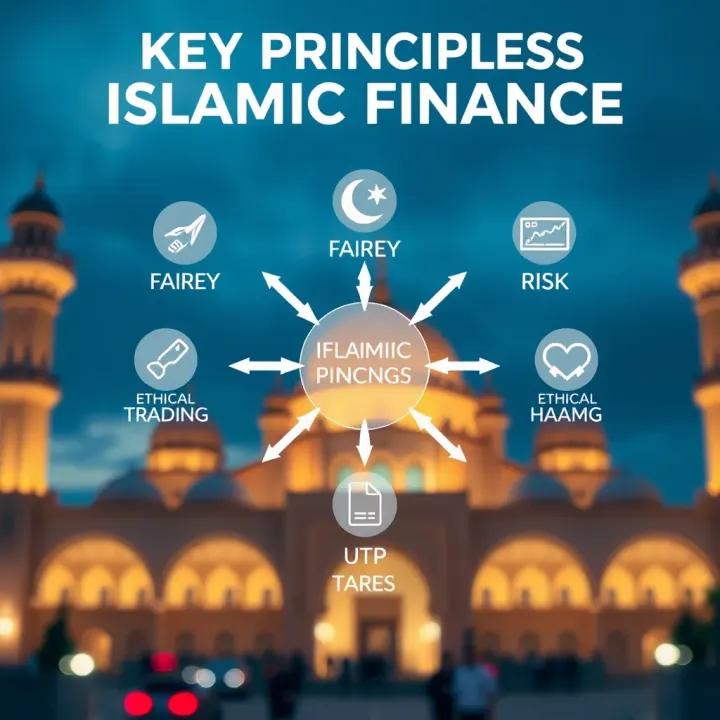
Is trading on Quotex halal or haram? 📉 Explore Islamic finance rules, risk factors, and fatwas to help Pakistani traders decide wisely in Shariah-compliant markets.
Explore if trading on Quotex respects Islamic finance principles, covering Halal compliance, associated risks, and Shariah-approved alternatives for Pakistani traders 📈🕌

Wondering if crypto spot trading is halal or haram? Explore Islamic views, crypto nature, and guidelines relevant to Muslim investors in Pakistan 🕌💰
Based on 11 reviews